

 US Dollar

What Is Jacquard Weaving? Complete Overview
Posted by BLG on 2025 Nov 23rd
Posted by BLG on 2025 Nov 23rd

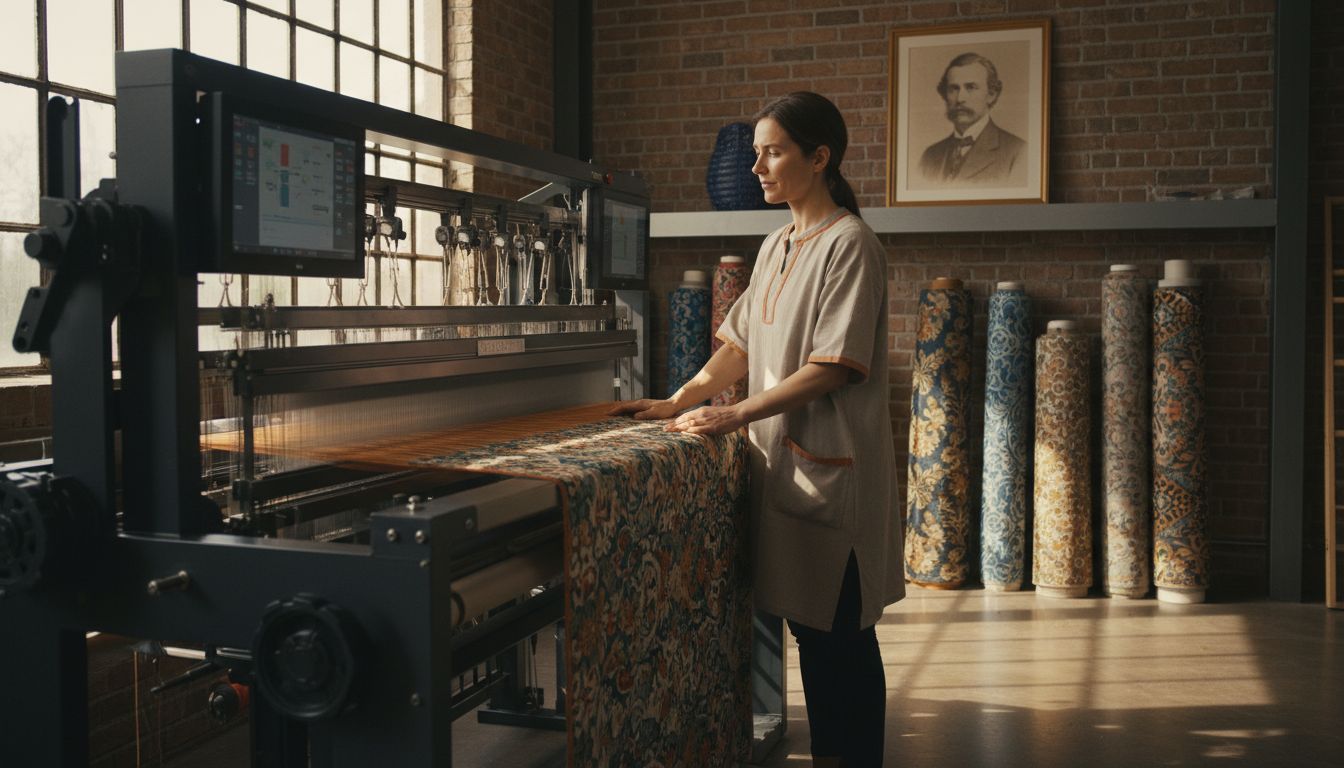
Most american homes include at least one item made with Jacquard fabric, yet few people realize how this historic technique still shapes modern design. The invention of the Jacquard loom in the early 1800s introduced a way to weave fabric with patterns so intricate that they rival hand-embroidery, forever changing how textiles are created. Understanding Jacquard weaving reveals why these textiles offer both beauty and unmatched versatility in everything from clothing to home décor.
| Point | Details |
|---|---|
| Jacquard Weaving Innovation | Jacquard weaving revolutionized textile production with its ability to create complex designs through a programmable loom system. |
| Types of Jacquard Fabrics | Common Jacquard fabrics include brocade, damask, and tapestry, each characterized by unique weaving techniques and patterns. |
| Applications of Jacquard Fabrics | Jacquard textiles are versatile, used in fashion and home decor, and suitable for technical applications in various industries. |
| Comparison with Other Weaving Methods | Unlike simpler weaving techniques, Jacquard weaving allows for intricate, programmable designs, setting it apart in textile manufacturing. |
Jacquard weaving represents a revolutionary textile production technique that fundamentally transformed fabric design and manufacturing in the early 19th century. According to Encyclopedia Britannica, this method utilizes a specialized loom attachment capable of producing fabrics with complex woven-in designs, enabling intricate patterns to be created directly within the fabric during the weaving process.
The technique is named after its inventor, Joseph Marie Jacquard, who developed the innovative Jacquard machine in 1804. As Wikipedia explains, this device was fitted to traditional looms and used a series of punched cards to control the weaving of complex patterns like brocade and damask. This breakthrough dramatically simplified textile manufacturing, allowing for unprecedented design complexity and repeatability.
The core innovation of Jacquard weaving lies in its mechanical control system. Unlike traditional handweaving methods that required manual manipulation of threads, the Jacquard machine introduced programmable pattern creation. Each punched card represented a specific design segment, with holes strategically placed to raise or lower specific warp threads. This systematic approach meant that intricate designs could be reproduced consistently, transforming textile production from a highly labor-intensive craft to a more standardized industrial process.
For textile enthusiasts wanting to explore similar fabric techniques, check out our guide on 7 types of fabric weaves that can help you understand the broader context of textile manufacturing.
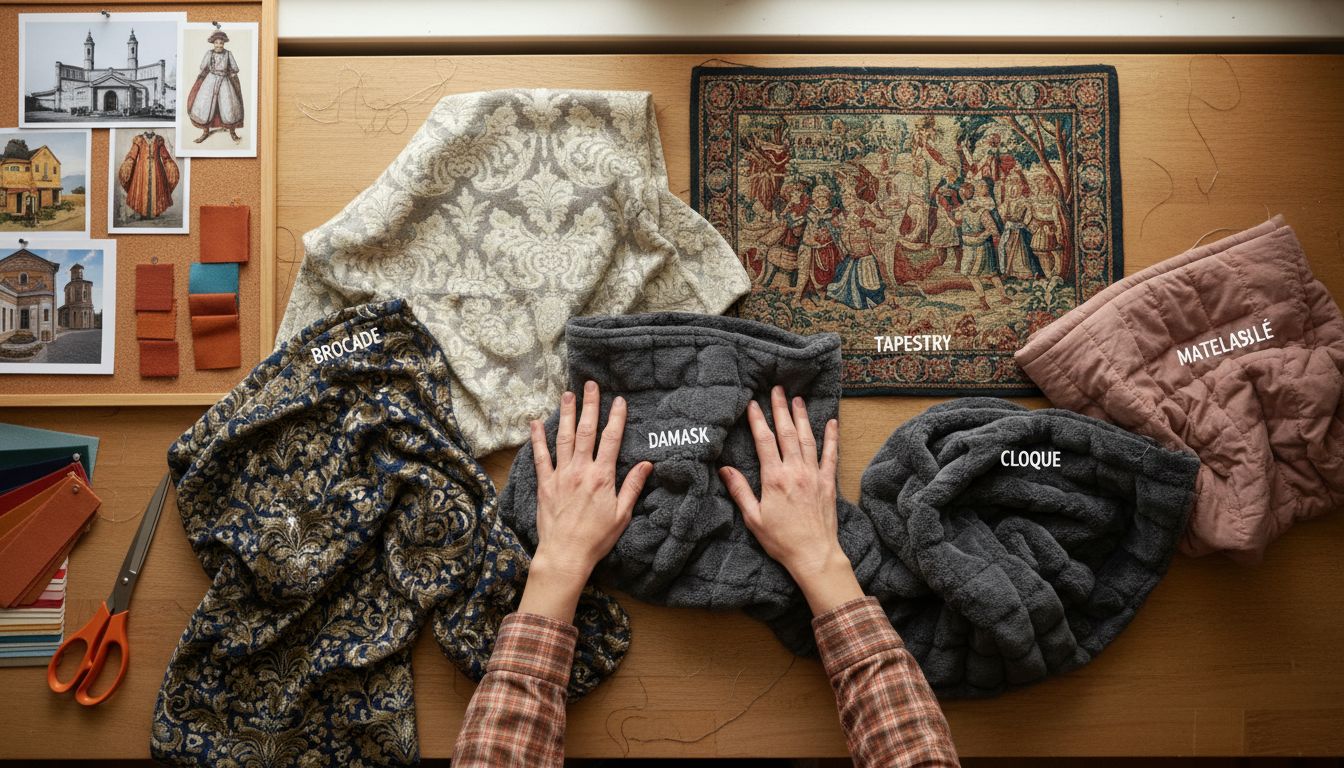
Jacquard weaving encompasses several distinctive fabric types, each with unique characteristics and design approaches. According to Treasurie Blog, the primary types of Jacquard fabrics include brocade, damask, tapestry, cloque, and matelassé, each distinguished by specialized weaving techniques and intricate pattern formations.
Brocade represents one of the most ornate Jacquard weave styles, featuring raised, embossed designs that create a three-dimensional textural effect. These fabrics typically incorporate metallic threads or elaborate floral and geometric patterns, making them popular in high-end fashion and formal upholstery. Damask stands in contrast, characterized by its reversible, subtle pattern created through tone-on-tone weaving techniques that produce intricate, often symmetrical designs visible from both fabric sides.
Tapestry and cloque offer additional unique variations in Jacquard weaving. Tapestry-style Jacquard fabrics resemble traditional woven wall hangings, with complex pictorial or narrative designs integrated directly into the fabric structure. Cloque fabrics, meanwhile, feature a distinctive bubbled or puckered surface texture achieved through specialized weaving tension and thread manipulation. Learn more about unique fabric patterns in our comprehensive guide on garment making.
The complexity of Jacquard weaving allows for extraordinary design versatility. Modern textile manufacturers continue to push technological boundaries, creating increasingly sophisticated patterns that range from delicate, almost imperceptible textures to bold, sculptural fabric surfaces. These advanced techniques transform fabric from a mere material into a canvas for intricate artistic expression, bridging traditional craftsmanship with cutting-edge textile engineering.
The intricate mechanism of Jacquard looms represents a fascinating intersection of mechanical engineering and textile production. According to Wikipedia, these specialized looms operate through a sophisticated system of punched cards, with each card corresponding to a specific row of the design and controlling the precise lifting of individual warp threads.
Punch card technology forms the historical backbone of Jacquard weaving, allowing for unprecedented design complexity. Each card contains strategically placed holes that determine which threads will be raised or lowered during the weaving process. This mechanical innovation transformed textile production from a labor-intensive manual craft to a more systematic and repeatable manufacturing technique. By programmatically controlling thread movement, weavers could create intricate patterns without constant manual intervention.
Modern Jacquard looms have evolved significantly from their historical predecessors. As noted by Worshipful Company of Weavers, contemporary digital looms like the TC2 now utilize advanced computer technology to control individual warp threads. These cutting-edge machines enable weavers to produce extraordinarily complex designs with remarkable efficiency, eliminating the need for extensive manual rethreading and allowing for greater creative flexibility.
Learn more about unique fabric styles in our guide to Jacquard fabrics, which explores the rich technological and artistic heritage of this remarkable weaving technique. The progression from mechanical punch cards to digital control represents a remarkable journey of technological innovation in textile manufacturing.
Jacquard fabrics showcase remarkable versatility across numerous industries and design applications. According to the Vintage Fashion Guild, these intricate textiles are utilized in an impressive range of products, spanning from fashion accessories to home decor items. Their adaptability extends across multiple fiber types, including silk, cotton, rayon, and polyester, making them an incredibly flexible textile option.
In the fashion world, Jacquard fabrics play a pivotal role in creating sophisticated garments and accessories. Designers frequently incorporate these textiles into elegant dress materials, statement neckties, stylish scarves, and structured handbags. The three-dimensional texture and complex patterns inherent in Jacquard weaving allow for unique visual and tactile experiences that elevate clothing and accessories from ordinary to extraordinary. High-end fashion houses particularly appreciate the fabric’s ability to add depth, complexity, and visual interest to their collections.
Home decor represents another significant domain for Jacquard fabrics. Upholstery, curtains, tablecloths, and decorative pillows benefit immensely from the fabric’s intricate designs and durable construction. The ability to create complex patterns directly within the fabric’s structure means that home textiles can feature sophisticated visual narratives without relying on additional embellishments. Explore more about luxury textile applications in our comprehensive guide to textile design, which showcases the incredible potential of advanced weaving techniques.
Beyond fashion and home decor, Jacquard fabrics find applications in technical and industrial contexts. Their structural integrity and design complexity make them suitable for specialized uses in automotive interiors, architectural textiles, and even high-performance sporting equipment. The blend of aesthetic appeal and functional durability positions Jacquard textiles as a remarkable material that bridges artistry with practical engineering.
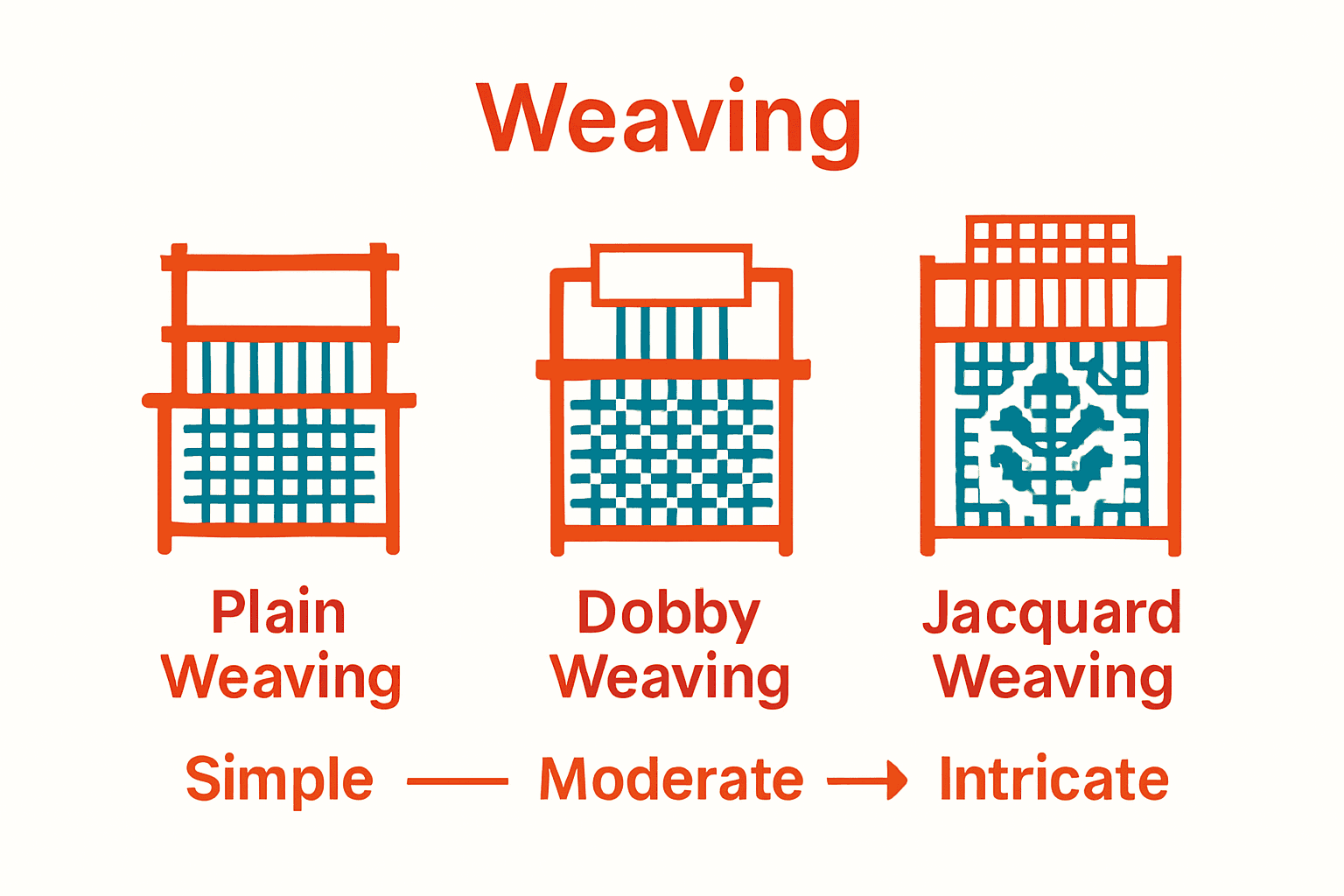
Weaving techniques vary widely in complexity and design capabilities, with Jacquard weaving standing out as a particularly sophisticated method. According to Britannica, Jacquard weaves are distinguished by their complex woven-in designs, often featuring large design repeats or tapestry-like effects, which fundamentally differ from simpler weaving approaches like dobby weaves.
Dobby weaves represent a significant point of comparison to Jacquard techniques. While dobby looms can create small, geometric, and textured patterns using special loom attachments, they are significantly more limited in design complexity. As explained by Rohtasmahila College, dobby weaving typically involves using up to thirty-two harnesses to create small, repetitive figures, whereas Jacquard methods allow for individual warp yarn control, enabling far more elaborate and intricate pattern development.
Traditional plain weaves and twill techniques further highlight the unique capabilities of Jacquard weaving. Plain weaves offer basic over-under thread interactions, creating uniform fabrics with minimal visual complexity. Twill weaves introduce diagonal patterns but remain constrained by fundamental weaving limitations. In contrast, Jacquard weaving essentially transforms the loom into a programmable design platform, capable of producing complex pictorial and architectural patterns that would be impossible with conventional weaving methods.
Explore the fascinating world of textile weaving techniques in our comprehensive guide to fabric styles, which delves into the nuanced differences between various fabric construction methods. The progression from simple thread interactions to programmable design systems represents a remarkable technological evolution in textile manufacturing.
Purchasing high-quality Jacquard textiles requires careful consideration of multiple factors that impact both aesthetic appeal and long-term durability. According to Treasurie Blog, when selecting Jacquard fabrics, buyers should pay close attention to the specific weave type and fiber content, as these elements fundamentally determine the textile’s performance and maintenance requirements.
Fiber composition plays a critical role in selecting the right Jacquard textile. Natural fibers like silk and cotton offer breathability and luxurious texture, while synthetic materials such as polyester and rayon provide enhanced durability and wrinkle resistance. Each fiber type demands unique care strategies. Silk Jacquard fabrics, for instance, typically require gentle hand washing or professional dry cleaning, whereas cotton Jacquard textiles can often withstand machine washing at moderate temperatures.
Proper maintenance is crucial for preserving the intricate patterns and structural integrity of Jacquard textiles. Avoid exposing these fabrics to direct sunlight for extended periods, as prolonged UV exposure can cause color fading and fabric degradation. When storing Jacquard items, use padded hangers for garments and fold textiles carefully to prevent unnecessary stress on the complex woven patterns. For delicate items, consider using acid-free tissue paper to prevent creasing and protect the fabric’s intricate design elements.
Discover comprehensive fabric care techniques in our essential guide to textile maintenance, which provides detailed insights into preserving the beauty and longevity of your favorite textiles. By understanding the nuanced care requirements of Jacquard fabrics, you can ensure these exquisite textiles remain stunning and functional for years to come.
Discovering the rich history and intricate artistry behind Jacquard weaving reveals the challenges designers and crafters face when seeking fabrics that combine complexity, durability, and stunning visual appeal. The technical mastery required to produce patterns with programmable precision can make finding quality Jacquard textiles overwhelming. Whether you desire elegant apparel materials or unique home decor fabrics, understanding the weave alone is not enough to guarantee success in your creative pursuits.
Unlock the full potential of your designs by choosing from a curated selection of premium Jacquard fabrics at Fabric-Fabric. Explore a variety of fiber types and patterns that faithfully reflect the traditional craftsmanship detailed in this article.

Now is the perfect time to enhance your wardrobe, craft projects, or interior spaces with Jacquard fabrics that bring timeless design to life. Visit our website and experience seamless browsing, expert product descriptions, and irresistible promotions. Take control of your next project today by shopping our exclusive Jacquard fabrics collection at Fabric-Fabric and learn more about fabric options with our guide to fabric weaves. Your journey toward creating extraordinary textiles starts here.
Jacquard weaving is a textile production technique that uses a specialized loom attachment to create complex woven-in designs and patterns directly within the fabric during the weaving process.
The Jacquard loom was invented by Joseph Marie Jacquard in 1804, and it utilized a system of punched cards to control the weaving of intricate patterns.
Common types of Jacquard fabrics include brocade, damask, tapestry, cloque, and matelassé, each distinguished by their unique weaving techniques and design characteristics.
Jacquard looms operate using a system of punched cards, where each card corresponds to a specific row of the design and controls the lifting of individual warp threads, allowing for intricate patterns to be woven efficiently.