

 Canadian Dollars

The Essential Guide to Patterns in Garment Making
Posted by BLG on 2025 Nov 16th
Posted by BLG on 2025 Nov 16th


Over 80 percent of successful garment projects start with a well-crafted pattern. In the world of fashion and craft, these templates act as the backbone for every design, shaping how fabric transforms into clothing or decor. Knowing how patterns work means you can bring original ideas to life with accuracy and confidence. This guide reveals what patterns are, why they matter, and how choosing the right type sets the stage for flawless results.
| Point | Details |
|---|---|
| Importance of Patterns | Patterns are crucial templates that guide fabric cutting and garment assembly, ensuring design accuracy and consistent fit. |
| Types of Patterns | There are three main types of patterns: commercial, custom, and digital, each catering to different design and production needs. |
| Key Features | Comprehensive patterns include seam allowances, grain lines, notches, and dart placements, each serving to enhance construction and fit. |
| Avoiding Mistakes | Critical to successful pattern use is precise measurement and attention to detail to avoid common pitfalls that can hinder garment fitting. |
In the intricate world of fashion design, patterns are the fundamental blueprints that transform creative visions into wearable garments. According to biyanicolleges.org, patterns serve as essential templates that guide the cutting and assembly of fabric pieces, ensuring both design accuracy and consistent fit.
Pattern making is more than just drawing lines on paper. Domestika.org defines it as the critical process of creating precise templates representing the shape and size of each garment component. These templates act as a designer’s roadmap, translating abstract design concepts into tangible, three-dimensional clothing pieces that can be replicated with precision.
At their core, patterns perform several crucial functions for designers and manufacturers:
Whether you’re a home sewer or professional designer, understanding pattern fundamentals is key to bringing fashion concepts to life. Understanding the Role of Textiles in Fashion can provide additional insights into how patterns interact with different fabric types and design strategies.
Pattern making encompasses several distinct approaches, each serving unique design and production needs. Domestika.org highlights three primary pattern making methods: drafting, draping, and flat pattern drawing, which form the foundation of modern garment design techniques.
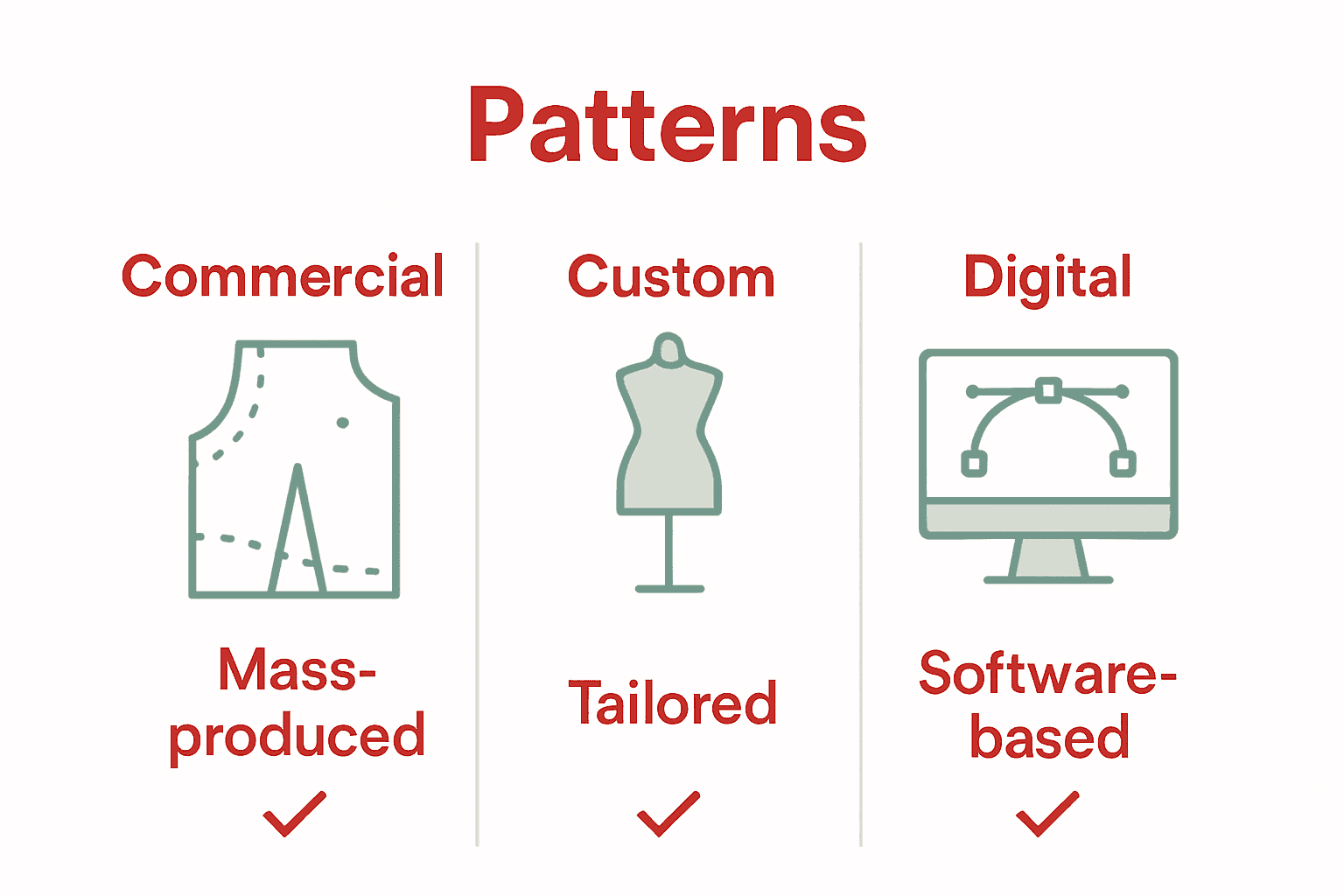
Commercial patterns are pre-designed templates mass-produced by companies like Simplicity and McCall’s, offering standardized sizing for home sewers and small-scale designers. These patterns provide a cost-effective solution for individuals seeking reliable, reproducible garment designs without extensive technical expertise.
Custom patterns represent personalized templates tailored specifically to individual body measurements and design preferences. Craftspeople and professional designers frequently use custom patterns to:
Digital patterns represent the cutting-edge evolution of traditional pattern making. These computer-generated templates leverage advanced software to:
For those interested in exploring fabric selection to complement these pattern types, How to Order Custom Fabrics Online provides valuable insights into matching patterns with the perfect textile materials.
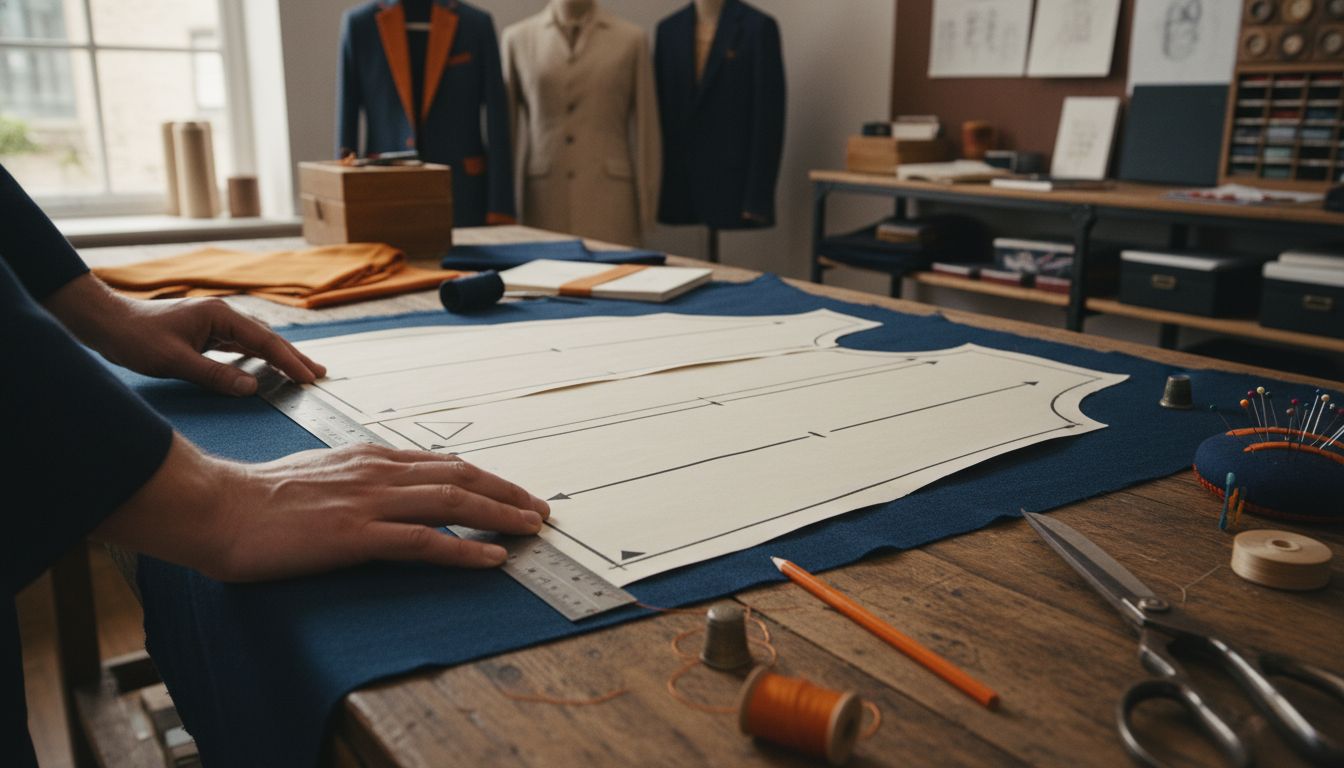
Garment patterns are sophisticated technical blueprints that do far more than simply outline a clothing shape. According to biyanicolleges.org, these intricate templates include critical details like seam allowances, grain lines, notches, and darts, each serving a precise purpose in guiding garment construction and ensuring optimal fit.
Domestika.org emphasizes that patterns fundamentally define a garment’s silhouette and volume, determining its overall aesthetic and functional characteristics. These technical drawings translate design concepts into wearable, three-dimensional forms that can be consistently reproduced.
Key features of comprehensive garment patterns include:
For designers seeking to deepen their understanding of fabric interactions, 7 Types of Fabric Weaves Every Designer Should Know offers complementary insights into how different fabric structures can influence pattern design and garment construction.
Patterns serve as versatile creative tools that transcend traditional boundaries, finding applications across diverse domains of design and craftsmanship. In the world of fashion design, patterns are the fundamental blueprints that transform artistic visions into wearable garments, allowing designers to translate conceptual sketches into precisely constructed clothing pieces.
Crafting enthusiasts leverage patterns in numerous innovative ways, from creating intricate quilts and handmade clothing to developing unique home accessories. These templates provide structured guidance, enabling makers to reproduce complex designs with remarkable precision and consistency. Whether working with fabric, paper, or mixed media, crafters rely on patterns as essential navigational tools for their creative processes.
Home décor represents another exciting realm where patterns play a transformative role. Design professionals and DIY enthusiasts alike use patterns to:
For those seeking inspiration in home textile design, 7 Inspiring Home Decor Fabric Ideas for Every Style offers a comprehensive exploration of how patterns can elevate interior spaces through strategic fabric selection and creative implementation.
Pattern making requires precision and attention to detail. biyanicolleges.org highlights several critical mistakes that can derail even the most promising garment project, including incorrect measurements, neglecting seam allowances, and misinterpreting pattern markings. These errors can transform an anticipated masterpiece into a frustrating sewing experience.
Measurement accuracy stands as the foundation of successful pattern use. Crafters must invest time in precise body measurements, understanding that even a quarter-inch discrepancy can significantly impact the final garment’s fit and appearance. Professional designers recommend using a flexible measuring tape, maintaining a neutral body posture, and taking measurements at least twice to ensure consistency.
Key strategies for avoiding pattern-related pitfalls include:
To elevate your pattern-making skills, Role of Fabric Structure: Complete Guide for Creatives offers additional insights into how fabric characteristics can impact pattern selection and garment construction.
Struggling to achieve the perfect fit and flawless finish in your garment projects can be frustrating. The article highlights key challenges such as precise measurement, correct seam allowances, and accurate pattern markings that are critical for success. Pairing your well-crafted patterns with the right textiles is essential to bring your vision to life while avoiding common fitting and construction issues. Choosing the right fabric type and understanding how it interacts with your pattern details like grain lines and darts can dramatically improve the final look and comfort.

Discover a wide selection of high-quality fabrics at fabric-fabric.com designed to complement every pattern type, whether custom, commercial, or digital. From breathable cottons ideal for draping to structured satins perfect for intricate shaping, our collection supports your creative process every step of the way. Start by browsing our detailed fabric descriptions and usage guides to select materials that align perfectly with your pattern needs. Don’t let fabric challenges hold you back. Visit How to Order Custom Fabrics Online to learn how to choose and order fabrics that work best with your patterns. Ready to bring flawless garments from pattern to finished piece with confidence Explore our selection now at fabric-fabric.com and take advantage of seasonal discounts and free shipping offers designed to make your fabric sourcing easier and more affordable.
Patterns are templates that guide the cutting and assembly of fabric pieces in garment making. They help ensure design accuracy, consistent fit, and serve as communication tools for designers and manufacturers.
The main types of garment patterns are commercial patterns, which are pre-designed and mass-produced; custom patterns, tailored to individual measurements; and digital patterns, which are created using advanced software for precision and flexibility.
To avoid mistakes, ensure measurement accuracy, create a muslin prototype, read pattern instructions thoroughly, check grain lines for proper fabric orientation, and mark notches and details carefully.
Key features of garment patterns include seam allowances that allow for stitching and alterations, grain lines for proper fabric cutting, notches for aligning pattern pieces, and dart placements for shaping the garment.