

 US Dollar

What is Twill Fabric? Understanding Its Characteristics
Posted by BLG on 2025 Sep 16th
Posted by BLG on 2025 Sep 16th

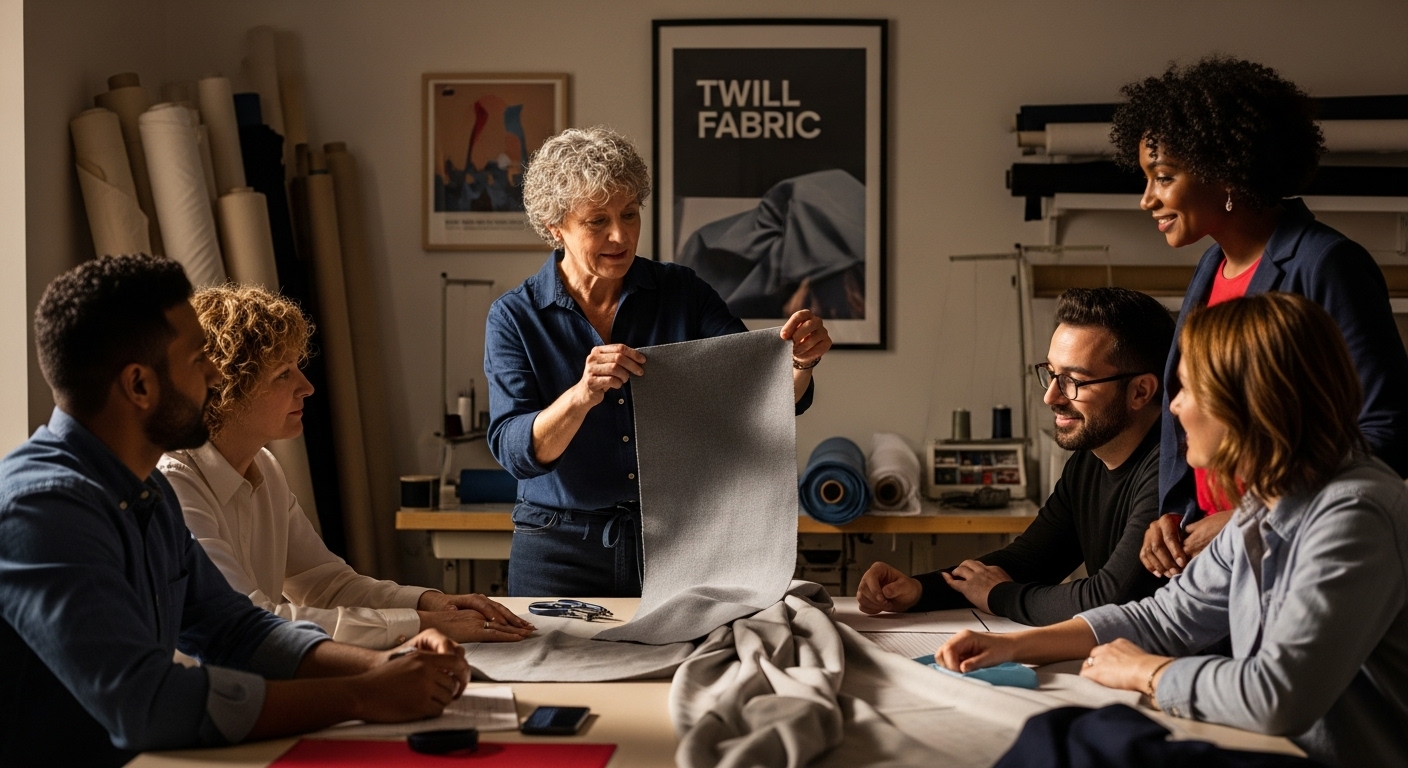
Twill fabric is everywhere, from your favorite pair of jeans to the stylish cushions on your couch. Most people notice its signature diagonal lines and think it is just about looks, but they are missing a big part of the story. Twill’s unique weaving method makes it up to 50 percent more resistant to tearing than plain weaves, which is why it is trusted for both fashion and heavy-duty workwear.
| Takeaway | Explanation |
|---|---|
| Twill has a distinctive diagonal weave. | This unique pattern creates a textured surface with parallel lines, enhancing the fabric’s appearance and functionality. |
| Twill fabrics are stronger and more durable. | The complex weaving technique results in higher strength and resistance to tearing, making twill suitable for heavy-duty applications. |
| Twill is versatile across industries. | Commonly used for clothing, upholstery, workwear, and accessories, twill adapts well to various manufacturing processes and uses. |
| Different twill types suit specific applications. | Variants like regular, herringbone, and broken twill offer unique characteristics beneficial for various textile needs and environments. |
| Twill provides superior comfort and performance. | Its breathable nature and moisture management capabilities make it ideal for clothing that requires both durability and comfort for wearers. |
Twill fabric represents a distinctive textile characterized by its unique diagonal weave pattern that sets it apart from other fabric types. This weaving technique creates a textured surface with parallel ribs or lines running at an angle, typically 45 degrees, which gives the fabric its recognizable appearance and exceptional performance characteristics.
The creation of twill fabric involves a specific weaving technique where the weft threads pass under and over multiple warp threads in a progressive manner. This method produces the signature diagonal lines or wales that distinguish twill from plain or satin weaves.
The technical complexity of this weaving process results in a fabric that is inherently stronger and more durable compared to simpler weave structures.
Key characteristics of twill fabric include:
Twill’s versatility makes it a preferred choice across multiple industries. According to research from the University of Georgia Cooperative Extension, twill fabrics like denim, gabardine, and serge are particularly valued for their durability and soil resistance. These characteristics make twill ideal for clothing, upholstery, workwear, and accessories that require robust material performance.
The diagonal weave not only contributes to the fabric’s strength but also creates a soft texture that adapts well to various manufacturing processes. Whether used in fashion design, industrial applications, or home textiles, twill fabric offers a combination of aesthetic appeal and functional reliability that makes it a staple in textile production.
Twill fabric production involves a complex and precise weaving technique that transforms individual threads into a distinctive diagonal-patterned textile. The intricate process relies on specific thread interactions that create the fabric’s unique structural characteristics, setting it apart from other weaving methods.
The fundamental principle of twill weaving centers on how warp and weft threads interlock. Unlike plain weaves where threads cross in a simple over-under pattern, twill weaves create diagonal lines by moving threads in a progressive sequence. This means each weft thread passes over multiple warp threads, then shifts position in the next row, generating the signature diagonal ribbed texture.
Key elements of the twill weaving process include:
According to textile manufacturing research, twill weaves are categorized based on several critical parameters. These include the direction of the diagonal line (right-hand or left-hand), the number of threads the weft passes over, and the specific design pattern created during weaving.
The complexity of twill weaving allows manufacturers to produce fabrics with varying levels of weight, texture, and performance. By manipulating thread count, fiber type, and weaving technique, textile producers can create everything from lightweight chambray to heavy-duty denim, all utilizing the fundamental twill weave structure.
The precision required in twill fabric production makes it a testament to the technical skill of textile manufacturers, transforming simple threads into sophisticated, durable textiles through an intricate mechanical dance of interlocking fibers.
Twill fabric has emerged as a pivotal textile technology, offering remarkable advantages that extend far beyond its distinctive diagonal weave. Its unique structural properties make it an essential material across numerous industries, from fashion and workwear to industrial applications and home textiles.
The exceptional design of twill fabric provides unparalleled performance benefits. Research on textile structures reveals that twill weaves demonstrate superior characteristics such as enhanced water vapor permeability and improved air circulation. These properties translate directly into wearer comfort, making twill fabrics ideal for clothing that requires both durability and breathability.
Key performance advantages of twill fabric include:
Twill’s adaptability makes it a cornerstone material in multiple sectors. From rugged workwear like denim jeans to sophisticated suit jackets, twill fabric provides a perfect balance of strength and aesthetic appeal. Its ability to hold color well and maintain structural integrity under repeated use makes it particularly valuable in professional and industrial clothing.
Textile manufacturers appreciate twill for its versatility. By adjusting thread count, fiber composition, and weaving techniques, they can engineer fabrics ranging from lightweight summer clothing to heavyweight winter gear. This flexibility ensures twill remains a critical material in contemporary textile design, meeting diverse functional and aesthetic requirements across different industries and consumer needs.
Twill fabric encompasses a diverse range of weaving techniques and styles, each offering unique characteristics that make them suitable for specific applications. Understanding these variations helps designers and manufacturers select the most appropriate twill fabric for their particular needs.
Textile research reveals multiple distinct twill fabric types, each with specialized properties. The most common variations include regular twill, herringbone, broken twill, and fancy twill, each distinguished by its unique weaving pattern and structural integrity.
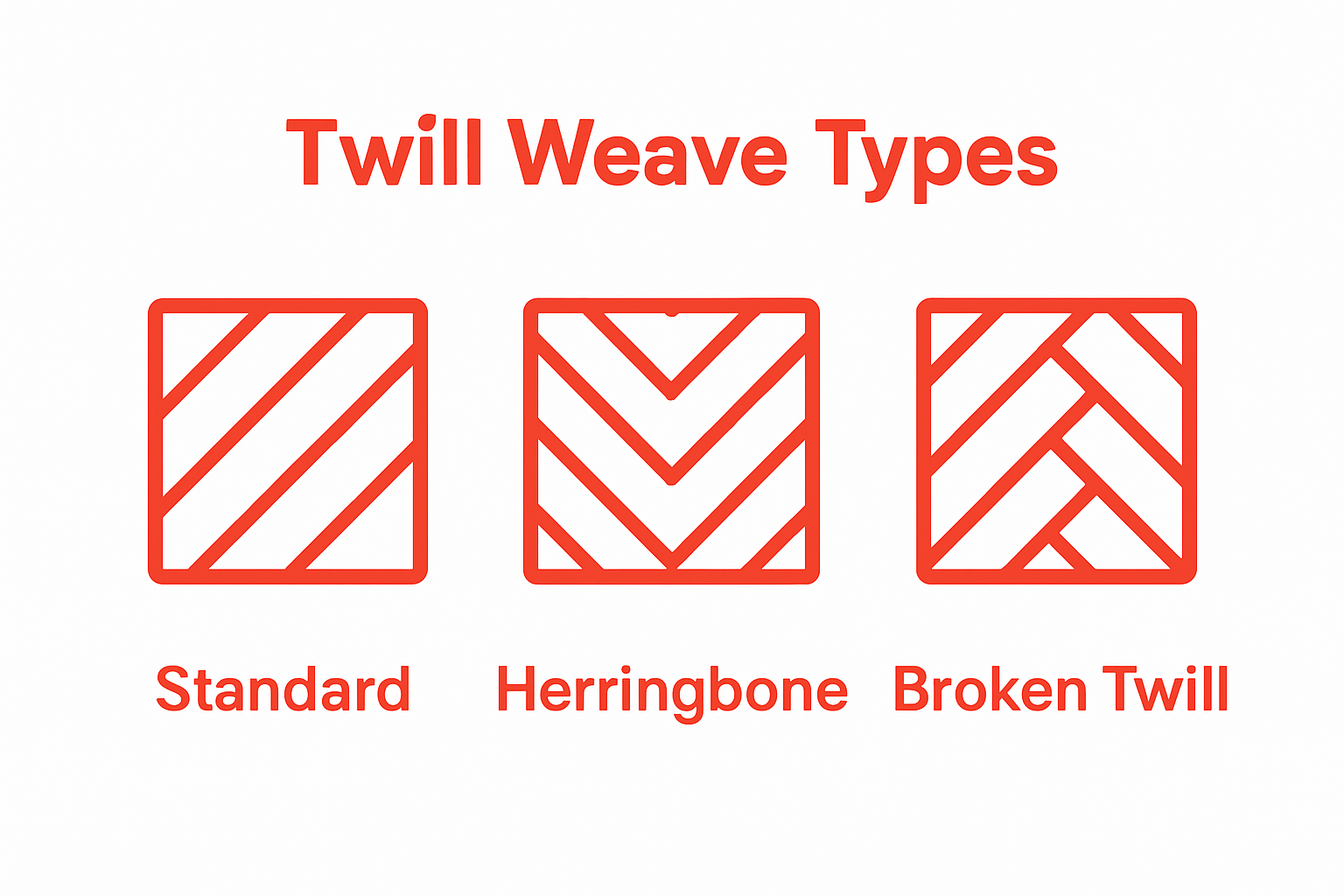
Key types of twill fabric include:
Each twill variation offers specific advantages for different textile applications. Regular twill provides exceptional durability for work clothing and industrial textiles. Herringbone twill, with its elegant V-shaped pattern, is preferred in high-end suits and professional attire. Broken and fancy twills offer more decorative options, allowing textile designers to create visually interesting fabrics with complex surface textures.
The versatility of twill fabric means manufacturers can engineer textiles ranging from lightweight summer clothing to heavyweight winter gear. By carefully selecting weave patterns, thread counts, and fiber compositions, textile producers can create fabrics that meet precise performance and aesthetic requirements across multiple industries.
Below is a comparison table outlining the distinguishing features of different types of twill fabric discussed in the article.
| Twill Type | Weave Pattern Description | Common Uses | Key Characteristics |
|---|---|---|---|
| Regular Twill | Standard diagonal lines | Denim, workwear | High durability, classic appearance |
| Herringbone Twill | V-shaped zigzag pattern | Suits, professional attire | Elegant look, enhanced aesthetic appeal |
| Broken Twill | Irregular, disrupted diagonals | Decorative and specialty textiles | Unique visual texture, decorative use |
| Zigzag Twill | Angular, connected lines | Fashion and accessories | Distinct surface pattern, visual interest |
Twill fabric seamlessly integrates into numerous aspects of daily life, demonstrating its remarkable versatility and functional excellence. From clothing and accessories to home furnishings and industrial applications, twill’s distinctive characteristics make it an indispensable textile across multiple domains.
In the fashion world, twill fabric is ubiquitous. Denim jeans, perhaps the most recognizable twill textile, exemplify the material’s durability and aesthetic appeal. Workwear, khaki pants, chino trousers, and tailored blazers frequently utilize twill weaves, highlighting the fabric’s ability to combine comfort with professional presentation.
Key fashion applications of twill include:
According to the Ohio State University Extension, twill’s unique properties extend well beyond clothing. Home furnishings like upholstery, heavy draperies, and decorative cushions benefit from twill’s stain-resistant and wear-tolerant characteristics. Industrial sectors leverage twill for workwear, protective clothing, and equipment covers that require robust, long-lasting materials.
The fabric’s diagonal weave structure provides exceptional strength and aesthetic versatility, making it a preferred choice for designers and manufacturers seeking reliable, attractive textiles. Whether used in a professional setting or a casual environment, twill fabric continues to prove its adaptability and enduring appeal across diverse applications.
Are you struggling to find high-quality twill fabric that meets the precise durability, comfort, or style needs explored in our guide? Choosing the right material is crucial, especially when twill’s unique diagonal weave and resilience play such a big role in the lasting power and appearance of your finished product. If you want fabric that truly delivers on the benefits discussed above—from superior drape to professional-grade performance—it starts with sourcing from a trusted textile specialist.
Take the next step with confidence. Visit fabric-fabric.com today to explore an extensive collection of twill and other expertly chosen textiles, all described with easy-to-understand details and real usage suggestions. You will find everything you need for apparel, home decor, or creative projects in one place. Browse our fabric listings now and start turning your ideas into reality with the ideal twill fabric—backed by the convenience of smooth online shopping, up-to-date discounts, and fast delivery. Don’t let your next project wait. See what quality feels like at fabric-fabric.com.
Twill fabric is a textile characterized by its unique diagonal weave pattern, featuring parallel ribs that create a textured surface. This weaving technique provides enhanced strength and durability compared to simpler fabric weaves.
Key characteristics of twill fabric include a higher thread count density, greater resistance to tearing, enhanced ability to hide stains, flexibility, and a soft draping quality.
Twill fabric is widely used in various applications, including clothing, upholstery, workwear, and accessories. It is particularly valued for its durability, comfort, and resistance to soil and wear.
Twill fabric differs from plain and satin weaves by its diagonal pattern, which contributes to its superior durability, flexibility, and ability to conceal stains, making it a versatile choice across multiple industries.