

 Canadian Dollars

What is Jacquard: Understanding This Unique Fabric Style
Posted by BLG on 2025 Oct 3rd
Posted by BLG on 2025 Oct 3rd

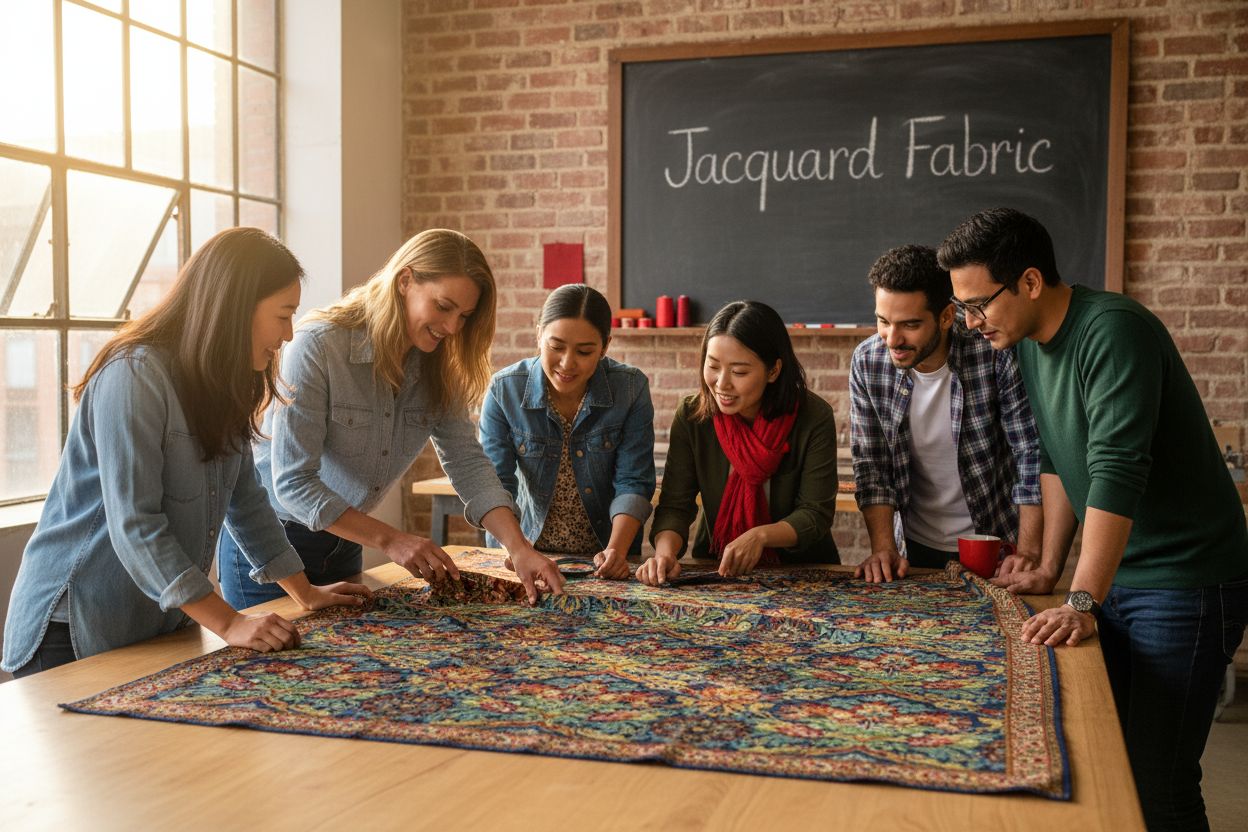
Jacquard fabric stands out as one of the most inventive breakthroughs in textile history and for good reason. The first Jacquard loom, invented in 1804, used punched cards to create patterns mechanically, allowing designs that were once considered impossible. Most people assume only painters or sculptors changed the art world forever. Yet this clever weaving technique transformed not just the way fabric is made but also the very nature of design in fashion and interiors.
| Takeaway | Explanation |
|---|---|
| Jacquard incorporates intricate weaving techniques. | Jacquard fabric features complex patterns woven directly into its structure, distinguishing it from regular textiles. |
| Jacquard technology revolutionized textile manufacturing. | Joseph Marie Jacquard’s invention enabled automated control of weaving patterns, reducing production time and costs. |
| Various materials can create Jacquard fabric. | This fabric can be made from cotton, silk, synthetic fibers, and wool, allowing diverse applications in design. |
| Jacquard patterns serve specific design functions. | Different Jacquard styles like brocade and damask offer unique aesthetic qualities tailored for various uses in fashion and decor. |
| Fashion designers utilize Jacquard for high-end products. | High-end garments benefit from Jacquard’s ability to create structural and textural elegance, elevating overall design appeal. |
Jacquard fabric represents a sophisticated textile technique that transforms ordinary weaving into an art form. Named after French inventor Joseph Marie Jacquard, this fabric style emerged from a revolutionary technological breakthrough in textile manufacturing during the early 19th century.
In 1804, Joseph Marie Jacquard invented a mechanical loom attachment that dramatically changed textile production. This ingenious device used punched cards to automatically control complex weaving patterns, allowing intricate designs previously impossible through traditional manual methods. The invention marked a significant milestone in industrial textile technology, enabling mass production of elaborate woven fabrics with unprecedented precision.
Key characteristics of Jacquard technology include:
Unlike printed or embroidered textiles, Jacquard fabric features patterns woven directly into its structure. The weaving process creates raised and textured designs by strategically manipulating warp and weft threads. This technique allows for extraordinary depth, dimension, and visual complexity that distinguishes Jacquard from other fabric styles.
The fabric can be constructed using various materials including cotton, silk, synthetic fibers, and wool, making it incredibly versatile for multiple applications. From elegant upholstery and haute couture fashion to intricate home decor, Jacquard fabric continues to showcase the perfect blend of technological innovation and artistic expression.
Jacquard fabric transcends mere textile production, representing a pivotal innovation that fundamentally transformed design, manufacturing, and artistic expression across multiple industries. By enabling complex pattern creation through advanced weaving techniques, Jacquard technology opened unprecedented creative possibilities for designers and manufacturers worldwide.
The Jacquard weaving method revolutionized textile design by allowing unprecedented levels of intricate pattern development. Unlike traditional weaving techniques that limited design complexity, Jacquard looms could produce extraordinarily detailed and sophisticated patterns with mechanical precision. According to textile historians, this technological breakthrough fundamentally changed artistic textile production, enabling designers to create visual narratives through fabric that were previously unimaginable.
Key design advantages of Jacquard technology include:
Jacquard technology represented more than an artistic advancement it was an economic revolution. The mechanized approach dramatically reduced production time and labor costs, making sophisticated textiles more accessible and affordable. Manufacturers could now produce intricate fabrics at scale, transforming textile economics and democratizing access to high quality, beautifully designed materials.
From luxurious home furnishings to haute couture fashion, Jacquard fabric continues to embody the perfect synthesis of technological innovation and creative expression. Its enduring legacy demonstrates how technological advancements can fundamentally reshape artistic and industrial landscapes, creating new possibilities for design and manufacturing.
The production of Jacquard fabric represents a sophisticated interplay between mechanical engineering and textile craftsmanship, transforming raw materials into intricate woven masterpieces through precision technology and specialized techniques.
At the heart of Jacquard fabric production lies the complex Jacquard loom, a marvel of engineering that automates intricate weaving processes. Modern textile manufacturing relies on advanced computerized Jacquard looms that use digital programming to control individual warp threads with unprecedented accuracy. This technological advancement allows for extraordinary pattern complexity and design variation that was impossible during earlier manufacturing eras.
Here is a table outlining the key components of the Jacquard loom and their primary functions in the fabric creation process.
| Component | Primary Function |
|---|---|
| Programmable Control System | Automates pattern selection and thread manipulation |
| Thread Manipulation Mechanism | Raises/lowers individual warp threads for patterns |
| Tension and Alignment Controls | Maintains precision and fabric uniformity |
| Digital Pattern Design Interface | Allows design input and customization |
Key components of the Jacquard loom include:
Jacquard fabric creation begins with meticulous design preparation. Textile designers develop complex patterns using specialized computer-aided design software, which translates artistic concepts into technical weaving instructions. These digital blueprints guide the loom in selectively raising and lowering individual warp threads, creating three dimensional textured patterns directly within the fabric structure.
The weaving process involves carefully selected yarns typically made from materials like cotton, silk, wool, or synthetic blends. Each thread is strategically positioned and manipulated to produce raised designs, geometric patterns, or intricate visual textures that distinguish Jacquard fabric from traditional flat woven textiles. Precision is paramount, with modern looms capable of executing extraordinarily complex design specifications with remarkable consistency and detail.
Jacquard fabric offers an extraordinary range of patterns and textures, each with unique visual characteristics and specialized applications across multiple design disciplines. The complexity and versatility of these patterns demonstrate the remarkable technological sophistication of modern textile manufacturing.
Below is a table comparing the most prominent types of Jacquard patterns, summarizing their key characteristics and primary uses for easier reference.
| Pattern Type | Key Characteristics | Common Uses |
|---|---|---|
| Brocade | Ornate, raised motifs; elaborate designs | Formal garments, ceremonial wear, luxury upholstery |
| Damask | Reversible; matte and shiny contrast | Elegant home decor, high-end table linens |
| Matelassé | Quilted/padded appearance; textured depth | Bedding, decorative pillows, accent textiles |
Jacquard weaving produces several distinctive pattern styles that transform ordinary fabrics into extraordinary design elements. Brocade, damask, and matelassé represent the most prominent and widely recognized Jacquard pattern categories, each offering distinct visual and functional qualities.
Key characteristics of primary Jacquard pattern types include:
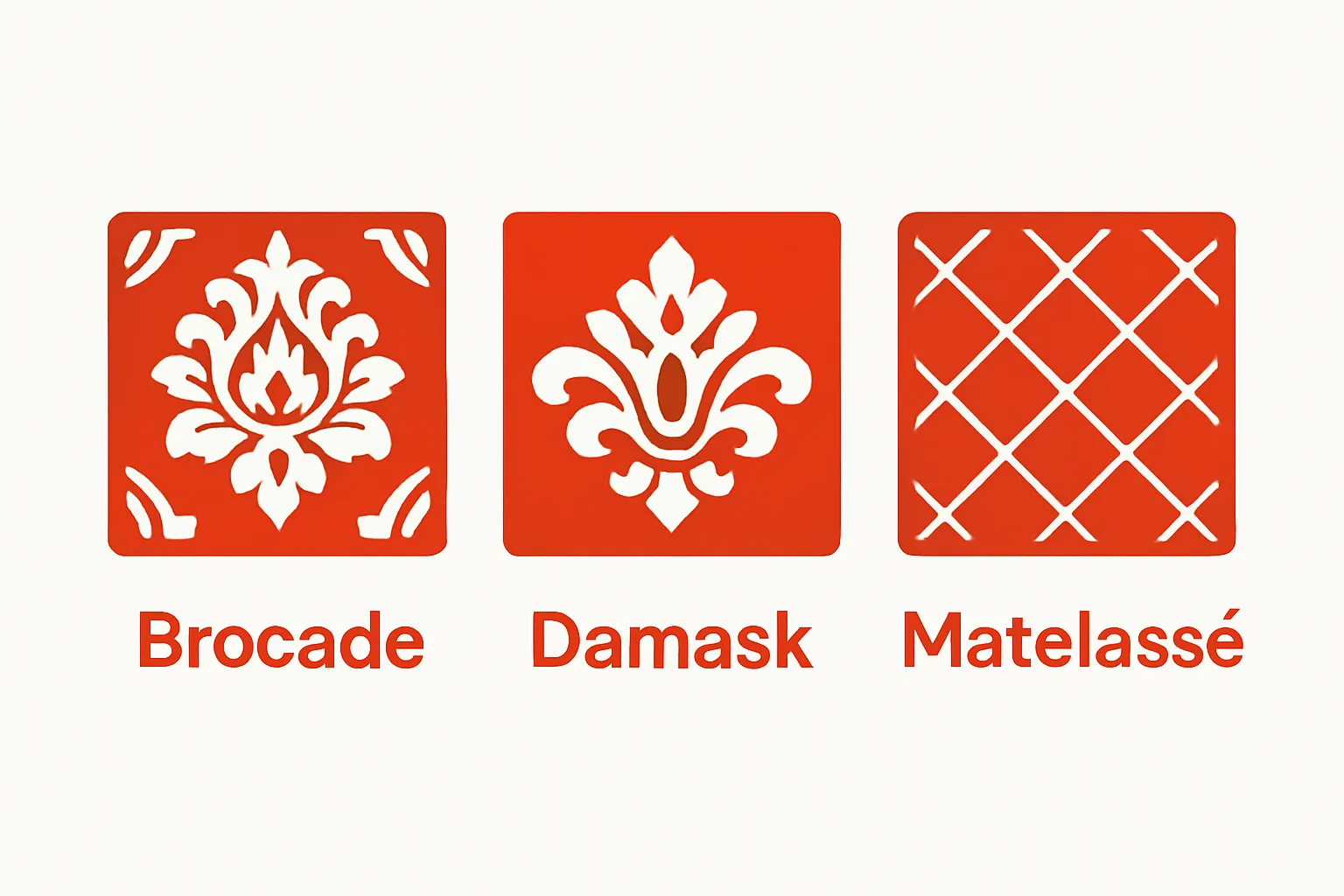
Each Jacquard pattern type serves specific design and functional purposes. Brocade fabrics excel in formal settings like ceremonial garments and luxurious upholstery, featuring intricate floral and historical inspired patterns. Damask provides elegant, subtle textures perfect for sophisticated home decor and high end table linens. Matelassé patterns offer visual depth and textural complexity ideal for bedding, decorative pillows, and architectural textile applications.
Modern designers continue to push boundaries, creating innovative Jacquard patterns that blend traditional techniques with contemporary aesthetic sensibilities. From fashion runways to interior design studios, these versatile fabrics represent a perfect fusion of technological precision and artistic expression.
Jacquard fabric transcends traditional textile boundaries, emerging as a versatile material that beautifully bridges functional design with artistic expression across fashion, interior design, and decorative arts. Its unique ability to transform complex patterns into wearable and livable surfaces makes it a cornerstone of contemporary design aesthetics.
Museum collections worldwide showcase Jacquard’s pivotal role in haute couture and designer collections, highlighting its significance beyond mere fabric production. High-end fashion designers leverage Jacquard’s intricate patterns to create garments that are simultaneously structural and sculptural. Runway collections frequently feature Jacquard textiles, utilizing their three dimensional textures to craft visually stunning pieces that challenge traditional fabric limitations.
Key fashion applications of Jacquard fabric include:
In interior design, Jacquard fabric serves as a transformative element that elevates spaces from ordinary to extraordinary. Upholstery, curtains, and decorative pillows crafted from Jacquard textiles introduce depth, sophistication, and visual complexity to residential and commercial environments. Designers appreciate the fabric’s ability to create visual interest through intricate patterns that catch light and create dynamic textural experiences.
From luxurious living rooms to minimalist modern spaces, Jacquard fabric provides designers with a powerful tool for expressing aesthetic vision while maintaining functional durability. Its versatility allows seamless integration across diverse design philosophies, making it an essential material for contemporary interior design professionals.

Are you amazed by the intricate patterns and rich textures only Jacquard fabrics can offer but struggle to find the quality and selection needed for apparel, home decor, or crafting? As explored in “What is Jacquard: Understanding This Unique Fabric Style,” creating truly one-of-a-kind projects begins with the right fabric. At fabric-fabric.com, choosing premium Jacquard becomes simple and stress-free. Our collection provides the beauty and durability highlighted in this article, ensuring your work stands out.
Ready to turn inspiration into reality? Browse our handpicked Jacquard fabrics at fabric-fabric.com and enjoy clear product descriptions, project suggestions, and current promotions. Do not miss your chance to experience the creativity and quality that only true Jacquard can deliver. Shop today and elevate your designs instantly.
Jacquard fabric is a textile made using a special weaving technique that allows intricate patterns to be woven directly into the fabric rather than printed on it. This method results in elaborate designs with raised and textured details.
The Jacquard loom was invented by Joseph Marie Jacquard in 1804. His invention used punched cards to automate the weaving process, allowing for complex and detailed patterns to be produced efficiently.
Some common types of Jacquard patterns include brocade, damask, and matelassé. Each type has unique characteristics, such as ornate designs for brocade, reversible textures for damask, and a quilted appearance for matelassé.
Jacquard fabric is widely used in both fashion and home decor. In fashion, it creates structured garments, tailored suits, and accessories with intricate textures. In home decor, it is used for upholstery, curtains, and decorative pillows, adding depth and sophistication to various spaces.