

 Canadian Dollars

7 Types of Fabric Weaves Every Designer Should Know
Posted by BLG on 2025 Oct 19th
Posted by BLG on 2025 Oct 19th

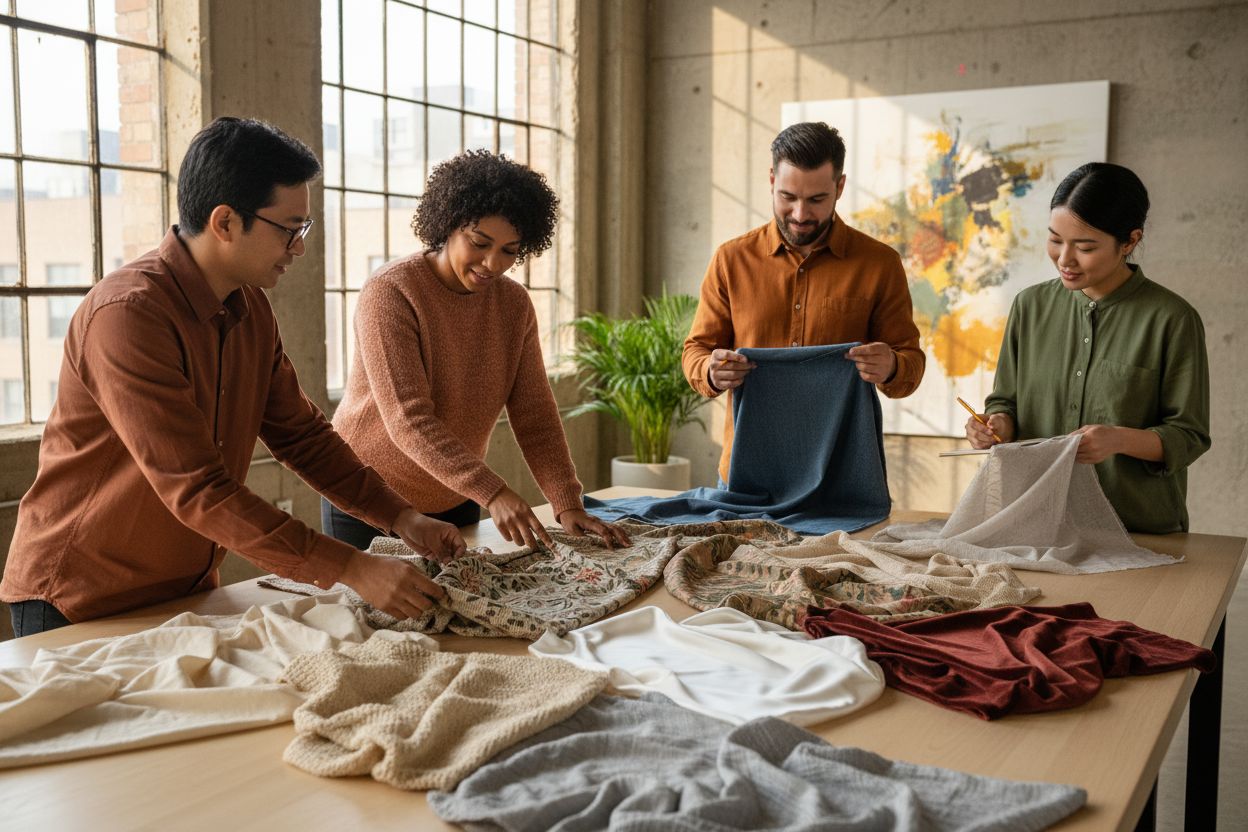
Did you know that over 80 percent of the world’s fabrics rely on just a handful of fundamental weaving techniques? The structure and texture of textiles can completely change how clothes, furniture, and accessories look and feel. Whether you want stronger materials or more eye-catching designs, understanding the most popular weaving patterns opens up creative and practical choices that shape everything from fashion to home décor.
| Takeaway | Explanation |
|---|---|
| 1. Mastering plain weave is essential. | Plain weave forms the basis of textile design, creating versatile, strong fabrics suitable for various applications. |
| 2. Twill weave enhances fabric durability. | Twill weave produces fabrics with diagonal patterns, offering strength and flexibility, ideal for clothing and upholstery. |
| 3. Satin weave delivers luxury in textiles. | Satin weave creates smooth, glossy fabrics, perfect for high-end fashion and décor that catches light beautifully. |
| 4. Basket weave combines strength and style. | This technique produces visually interesting and durable fabrics suited for both fashion and home textiles with breathable qualities. |
| 5. Jacquard weave enables complex designs. | With Jacquard weave, designers achieve intricate patterns directly in fabrics, elevating them to art forms suitable for fashion and home decor. |
When you first step into the world of textile design, the plain weave emerges as the foundational technique that every designer should master. This basic weaving pattern represents the simplest and most straightforward method of interlacing threads, creating a strong and stable fabric structure that forms the backbone of countless textile creations.
In a plain weave, threads are woven in an alternating over and under pattern where each weft thread passes over and under each warp thread in a consistent, grid like arrangement. Think of it like a perfect checkerboard where threads intersect at right angles creating a uniform and balanced fabric surface. This seemingly simple technique produces fabrics with remarkable versatility spanning everything from lightweight cotton shirts to heavy canvas materials.
Why Plain Weave Matters for Designers:
The true magic of plain weave lies in its adaptability. By adjusting thread thickness, fiber type, and yarn density, designers can dramatically transform the fabric’s characteristics. A thin plain weave cotton becomes a delicate summer shirt, while the same technique with thicker threads produces sturdy upholstery fabric. Professional designers understand that mastering this fundamental technique opens doors to endless creative possibilities.
Practical designers will appreciate that plain weave fabrics are typically more affordable to produce, require less complex manufacturing processes, and provide consistent quality. Whether you are creating fashion pieces, home textiles, or industrial materials, understanding the nuances of plain weave gives you a powerful tool in your design arsenal.
If plain weave is the foundation of textile design, twill weave represents the next level of technical sophistication and visual intrigue. Characterized by its unmistakable diagonal line pattern, twill weave creates fabrics with exceptional strength and a unique textural appearance that sets them apart from other weaving techniques.
In a twill weave, threads are interlaced in a way that creates a step like diagonal pattern across the fabric surface. Unlike plain weave where threads cross at strict right angles, twill weaves allow threads to pass over multiple threads before changing direction. This creates the signature diagonal lines or ribs that give twill fabrics their distinctive look and enhanced structural integrity.
Key Characteristics of Twill Weave:
Designers gravitate toward twill weave for its remarkable versatility. Denim is perhaps the most famous example of a twill weave fabric, showcasing how this technique can transform a material from ordinary to iconic. The diagonal pattern not only adds visual interest but also contributes to the fabric’s remarkable durability.
Practical applications of twill weave span multiple industries. In fashion, twill fabrics are prized for their ability to hold shape while offering comfort. Workwear like military uniforms, outdoor jackets, and sturdy pants frequently utilize twill weaves. Interior designers appreciate twill for upholstery fabrics that can withstand significant wear while maintaining an elegant appearance.
Understanding twill weave gives designers a powerful tool for creating fabrics with enhanced performance and aesthetic appeal. By adjusting thread density, fiber type, and weave angle, you can craft materials that are not just visually striking but also incredibly functional.
When designers seek a fabric that whispers luxury and sophistication, the satin weave emerges as the ultimate technique for creating surfaces that are impossibly smooth and wonderfully reflective. Unlike plain or twill weaves, satin achieves its distinctive appearance through a unique thread arrangement that minimizes visible intersections and maximizes light reflection.
In a satin weave, threads are strategically positioned to create long floating segments across the fabric surface. This means that instead of alternating over and under with each thread intersection, some threads will pass over multiple threads before changing direction. The result is a fabric with an elegant, almost liquid like sheen that catches and reflects light in mesmerizing ways.
Satin Weave Characteristics:
Professional designers appreciate satin weave for its incredible versatility across different contexts. In fashion, satin transforms evening gowns, lingerie, and high end accessories. Interior designers use satin for accent pillows, draperies, and upholstery that demand a touch of glamour. Costume designers specifically seek out satin for its ability to create dramatic visual statements that catch stage and studio lighting.
Understanding satin weave requires recognizing its technical nuances. The weave can be created using various fibers, with silk traditionally being the most prized. Modern synthetic fibers like polyester now allow designers to create satin fabrics that are more affordable and easier to maintain while preserving that signature luminous quality.
For designers looking to elevate their textile projects, mastering satin weave offers a pathway to creating fabrics that are simultaneously functional and breathtakingly beautiful. Whether you are crafting a wedding dress or designing sophisticated home decor, satin weave provides a technique that transforms ordinary materials into extraordinary experiences.
When designers seek a weaving technique that combines visual interest with exceptional strength, the basket weave emerges as a remarkable solution. This unique fabric structure creates a pattern that literally looks like interwoven basket threads, offering both aesthetic appeal and impressive structural integrity.
In a basket weave, multiple threads are grouped together and woven in a synchronized pattern that creates a checkerboard like appearance. Unlike traditional plain weave where single threads cross individually, basket weave involves two or more threads moving together as a unified unit. This approach results in a fabric that looks like small square blocks interlocking across the surface, reminiscent of a traditional woven basket.
Key Benefits of Basket Weave:
Professional designers appreciate basket weave for its versatility across different textile categories. In home textiles, basket weave creates beautiful upholstery fabrics that are both comfortable and visually engaging. Fashion designers use this technique for everything from lightweight summer shirts to sturdy winter jackets. The weave works particularly well with natural fibers like cotton and linen, allowing for maximum breathability and comfort.
One of the most fascinating aspects of basket weave is its ability to transform the same material into completely different looking fabrics. By adjusting the number of threads grouped together and their relative thickness, designers can create everything from delicate table linens to heavy duty outdoor wear. This adaptability makes basket weave a truly powerful technique in any designer’s toolkit.
Whether you are creating haute couture clothing or functional home textiles, understanding basket weave provides you with a sophisticated method of producing fabrics that are both visually striking and remarkably durable.
When designers want to push the boundaries of textile artistry, the Jacquard weave stands as a revolutionary technique that transforms fabric into a canvas of intricate storytelling. Named after Joseph Marie Jacquard, this weaving method allows for unprecedented complexity in pattern creation, enabling designers to weave incredibly detailed images and designs directly into the fabric structure.
Unlike traditional weaving techniques that rely on simple over and under thread movements, Jacquard weave uses a specialized mechanical loom that controls each individual thread independently. This means designers can create elaborate patterns with multiple colors and textures within a single fabric piece. Picture a fabric where complex scenes, portraits, or geometric designs emerge seamlessly from the textile itself rather than being printed on the surface.
Distinctive Jacquard Weave Characteristics:
Professional designers utilize Jacquard weaving across multiple industries. In fashion, it creates stunning evening gowns with embedded intricate designs. Home decor experts use Jacquard for luxurious upholstery and decorative textiles that tell visual stories. Haute couture designers particularly appreciate how this technique can transform fabric from a mere material into a sophisticated art form.
The true magic of Jacquard weave lies in its ability to blur lines between textile production and visual art. By controlling individual threads, designers can create fabrics that change appearance depending on light and viewing angle. Imagine a throw pillow where the pattern seems to shift and breathe as you move around it or a dress that reveals different design elements based on how light hits the fabric.
For designers seeking to elevate their textile work, mastering Jacquard weave offers a pathway to creating truly extraordinary and memorable textile experiences. This technique represents the pinnacle of weaving sophistication where technology and artistic vision intersect to produce something genuinely remarkable.
When designers need a fabric technique that combines exceptional strength with unique visual texture, the leno weave emerges as a sophisticated solution. This specialized weaving method creates fabrics with extraordinary structural integrity while producing an intriguing open and dimensional appearance that sets it apart from more traditional weaving techniques.
In a leno weave, warp threads are twisted around each other before passing through the weft threads, creating a unique interlocking mechanism. This twisting action produces a fabric that is simultaneously lightweight and incredibly stable. Picture threads that literally wrap around each other like a sophisticated dance, preventing the fabric from unraveling or stretching out of shape.
Leno Weave Advantages:
Professional designers appreciate leno weave for its remarkable versatility. In home textiles, it creates beautiful sheer curtains that offer privacy while allowing light to filter through. Fashion designers use leno weave for delicate summer garments that provide structure without weight. Architectural and industrial designers value its ability to create mesh like materials for specialized applications.
The true brilliance of leno weave lies in its ability to transform seemingly fragile threads into robust fabric structures. By twisting warp threads before intersection, designers can create textiles that maintain their shape and integrity even under challenging conditions. This technique works particularly well with natural fibers like cotton and silk, allowing for breathable yet durable fabric creations.
For designers seeking to push the boundaries of textile design, understanding leno weave offers a pathway to creating fabrics that are both technically sophisticated and visually compelling. Whether you are crafting delicate window treatments or innovative fashion pieces, this weaving technique provides a unique approach to textile construction.
For designers seeking to transform fabrics from flat and ordinary to luxuriously soft and tactile, the pile weave represents a game changing technique. This specialized weaving method creates raised loops or cut surfaces that provide extraordinary texture, comfort, and visual depth to textile designs.
In a pile weave, additional threads are woven into the base fabric structure to create raised surfaces that stand above the foundational fabric. These extra threads can either remain as loops or be carefully cut to produce different textures. Think of a plush towel, a soft velvet dress, or a cozy rug these are all magnificent examples of pile weave in action.
Pile Weave Characteristics:
Professional designers leverage pile weave across multiple industries. In fashion, it creates sumptuous velvet evening wear and plush winter coats. Home decor experts use pile weave for luxurious carpets, throw blankets, and upholstery that invite touch and provide visual warmth. Textile artists appreciate how this technique can transform ordinary materials into extraordinary sensory experiences.
The versatility of pile weave extends far beyond aesthetic appeal. Different pile heights and cutting techniques can dramatically change a fabric performance. Short pile creates smooth surfaces perfect for athletic wear, while longer pile generates incredible insulation for cold weather clothing. By understanding these nuanced techniques, designers can craft fabrics that are not just beautiful but functionally sophisticated.
Mastering pile weave offers designers a powerful tool for creating textiles that engage multiple senses. Whether you are designing haute couture clothing or innovative home textiles, this weaving technique provides an opportunity to elevate your work from merely functional to genuinely remarkable.
This table summarizes the key characteristics and applications of various weaving patterns discussed in the article, highlighting their unique benefits and uses in textile design.
| Weave Type | Description | Benefits | Applications |
|---|---|---|---|
| Plain Weave | Threads alternate over and under in a grid-like pattern. | Strong, stable, versatile; works with various fibers. | Lightweight shirts to heavy canvases. |
| Twill Weave | Threads create diagonal lines across the fabric. | Durable, flexible, hides stains; offers better drape. | Denim, workwear, upholstery. |
| Satin Weave | Threads create long floating segments for a smooth surface. | Smooth, glossy, elegant; exceptional drape and fluidity. | Evening gowns, draperies, luxury accessories. |
| Basket Weave | Multiple threads woven together; appears checkerboard-like. | Stable, breathable, visually interesting. | Upholstery, lightweight clothing. |
| Jacquard Weave | Advanced loom technique that controls individual threads. | Complex patterns, textured, dimensional. | Haute couture, intricate upholstery. |
| Leno Weave | Warp threads twist for a stable, open structure. | Stable, breathable, lightweight. | Sheer curtains, summer garments. |
| Pile Weave | Raised loops or cut surfaces for texture. | Soft, textured, visually complex. | Velvet clothing, plush home textiles. |
You just explored the essentials of plain, twill, satin, basket, jacquard, leno, and pile weaves. Every designer knows that finding the right fabric to match your project’s structure, durability, or luxurious finish can be stressful. Even if you master weaving techniques, sourcing the right materials remains a major pain point. Are you tired of endless fabric searches when you want to translate a design vision into a real final product?
At fabric-fabric.com, you can easily move from inspiration to creation. Browse detailed descriptions for everything from satin to velvet, and see suggestions for use with each fabric type. Enjoy shopping for top-quality textiles by intended use for apparel, upholstery, or crafts. Do not let decision fatigue hold your next project back. Visit fabric-fabric.com today and discover special deals and quick shipping options so you can turn advanced weaving knowledge into finished fabric pieces now.
Plain weave fabrics are known for their strong and stable structure, providing excellent durability and consistency. To create a plain weave, alternate threads are woven over and under each other, forming a grid-like pattern.
Twill weave enhances fabric durability by using a diagonal interlacing technique that allows threads to pass over multiple threads before changing direction. This increases the strength and flexibility of the fabric, making it ideal for workwear and high-use applications.
Satin weave fabrics are perfect for projects that require a luxurious and smooth finish, such as evening gowns, lingerie, and elegant home decor. To achieve this look, select high-quality fibers like silk or synthetic materials and use a weaving technique that minimizes thread intersections.
Basket weave can be utilized in both fashion and home textiles to create visually interesting patterns while ensuring durability. Experiment with groupings of two or more threads to adjust texture and stability, allowing for diverse applications from light summer shirts to robust upholstery.
Jacquard weave allows for the creation of complex and detailed patterns directly in the fabric, making it exceptionally versatile for textiles that tell a story or convey artistic themes. To incorporate this technique, consider using specialized looms capable of manipulating individual threads for high levels of detail.
Leno weave offers exceptional strength and stability while creating a unique open texture that enhances airflow and transparency. Focus on twisting warp threads around each other before passing through the weft to produce fabrics that are both lightweight and durable, suitable for sheer curtains or unique fashion garments.