

 Canadian Dollars

What Is Nonwoven Fabric and Why It Matters
Posted by BLG on 2025 Dec 6th
Posted by BLG on 2025 Dec 6th

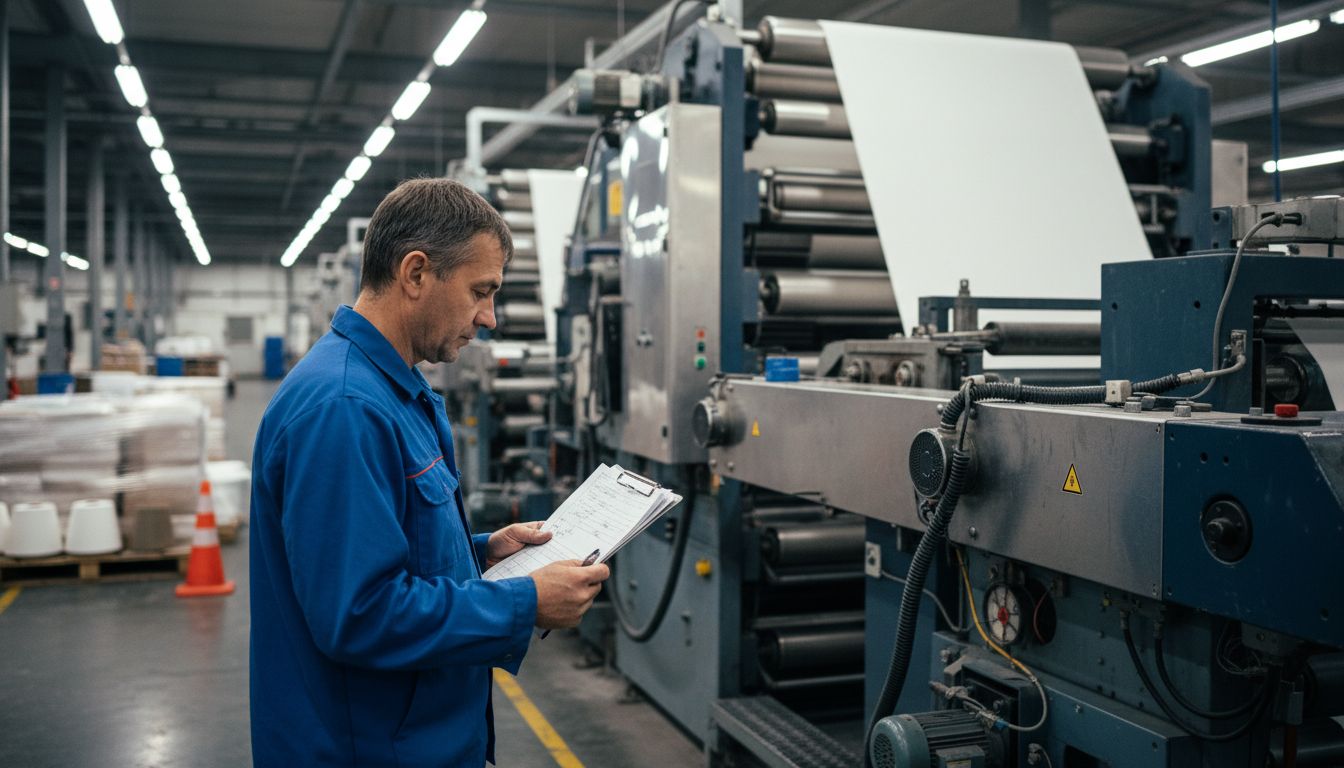
Over half of American manufacturing now relies on nonwoven fabrics for medical, industrial, and consumer products. This shift reflects how radically these specialized textiles differ from traditional woven or knit materials. While woven fabrics thread fibers into tight patterns, nonwoven options bond loose fibers in ways that create everything from hospital masks to automotive interiors. Discover what truly separates nonwoven from classic fabric—and why their innovative properties are transforming American industries.
| Point | Details |
|---|---|
| Innovative Manufacturing | Nonwoven fabrics are produced by directly bonding fibers, allowing for specialized material properties without traditional weaving or knitting. |
| Versatile Applications | These fabrics serve a variety of sectors, including medical, automotive, and crafts, with tailored characteristics suited for each application. |
| Performance Customization | Nonwoven fabrics can be engineered for specific functions such as absorbency, durability, or water resistance, offering significant adaptability. |
| Cost and Production Efficiency | Nonwoven fabrics often feature faster production times and lower costs compared to woven and knit textiles, enhancing their commercial viability. |
Nonwoven fabric represents a unique textile category that diverges dramatically from traditional woven or knitted materials. Unlike conventional fabrics created through interlacing threads, nonwoven fabrics are manufactured by bonding fibers together through mechanical, thermal, chemical, or solvent-based processes.
The core distinction lies in the manufacturing technique. Nonwoven fabrics are produced by directly integrating and binding loose fibers into a cohesive material, bypassing the traditional weaving or knitting steps. This approach allows manufacturers to create textiles with highly specialized properties tailored for specific applications. Depending on the bonding method used, nonwoven fabrics can range from delicate and paper-like to robust and durable materials.
These versatile textiles emerge through several core production techniques. Manufacturers might use thermal bonding, where heat melts fiber connections, mechanical bonding that tangles and interlocks fibers, or chemical bonding involving adhesive substances that connect fiber networks. Fabric substrates play a critical role in determining the final material characteristics, enabling nonwoven fabrics to serve diverse industries from medical supplies and filtration systems to automotive interiors and agricultural coverings.
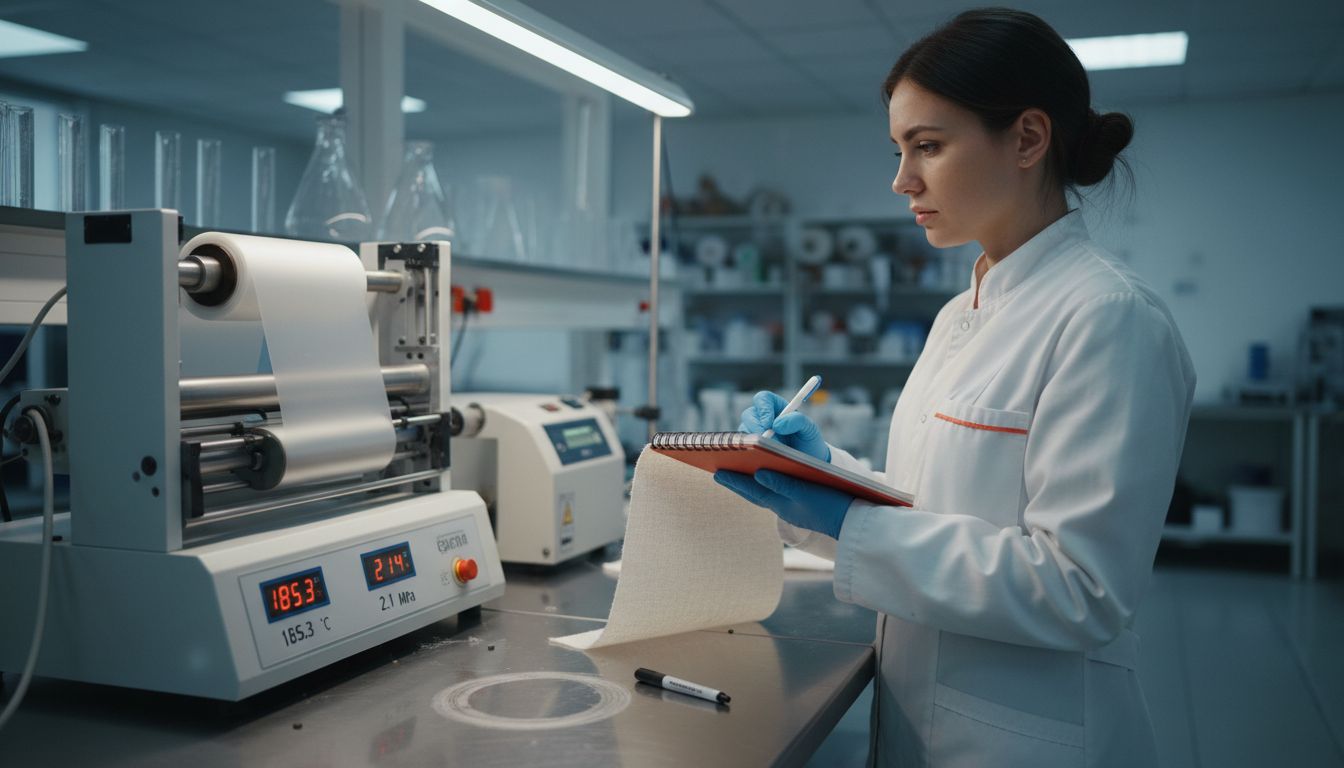
Key characteristics that set nonwoven fabrics apart include their rapid production capabilities, potential for cost-effectiveness, and remarkable adaptability. They can be engineered to be lightweight, water-resistant, disposable, or highly durable depending on specific manufacturing parameters. This flexibility makes nonwoven materials an innovative solution across multiple sectors seeking specialized textile performance.
Nonwoven fabrics represent a diverse family of textiles, each with unique manufacturing techniques and specialized applications. Spunlace nonwoven fabrics stand out as a prominent category, created through high-pressure water jet techniques that entangle fibers into a cohesive material. These fabrics excel in softness and absorbency, making them ideal for medical wipes, personal care products, and cleaning materials.
The spectrum of nonwoven fabrics encompasses several core types. Thermally bonded nonwovens emerge through heat-based fiber fusion, creating materials with excellent dimensional stability. Airlaid pulp fabrics utilize air techniques to distribute fibers, resulting in lightweight and highly absorbent textiles perfect for hygiene products. Wholesale fabric selections often include these specialized nonwoven variants to meet diverse industrial requirements.
Advanced nonwoven categories include spunbond, meltblown, and needle-punched technologies. Spunbond fabrics feature continuous filament fibers extruded and laid directly onto a moving web, producing strong and uniform materials. Meltblown techniques create extremely fine fiber webs ideal for filtration applications, while needle-punched nonwovens use mechanical needle interactions to interlock fibers, generating robust textiles with exceptional strength and texture.
Each nonwoven fabric type offers distinct advantages, enabling manufacturers to engineer materials precisely tailored to specific performance demands. From medical protective gear to automotive components, agricultural covers to industrial filters, these versatile textiles demonstrate remarkable adaptability across multiple sectors. The ability to customize fiber composition, bonding method, and structural integrity makes nonwoven fabrics an innovative solution for complex material engineering challenges.
Nonwoven fabric manufacturing represents a sophisticated process of transforming loose fibers into cohesive textile materials through multiple intricate techniques. Unlike traditional fabric production, these methods focus on directly bonding fibers without weaving or knitting, enabling remarkable flexibility in material design and performance. The core manufacturing approaches include mechanical, thermal, chemical, and hybrid bonding strategies that determine the fabric’s ultimate structural characteristics.
One prominent manufacturing method is spunlace processing, which utilizes high-pressure water jets to mechanically entangle and interlock fibers. Fabric sourcing experts recognize this technique for producing exceptionally soft and absorbent materials used in medical wipes, hygiene products, and industrial cleaning applications. Another critical technique is meltblown processing, where molten polymer is extruded through microscopic dies, creating ultra-fine fiber webs ideal for filtration and protective equipment.
Thermal and chemical bonding processes offer additional manufacturing versatility. Thermal bonding involves applying heat to partially melt fiber surfaces, creating strong interconnections without additional adhesives. Chemical bonding uses specialized adhesives or polymers to bind fiber networks, allowing precise control over material density, strength, and performance characteristics. These methods enable manufacturers to engineer nonwoven fabrics with specific properties tailored to demanding industrial, medical, and consumer applications.
The manufacturing complexity of nonwoven fabrics allows unprecedented material customization. Manufacturers can manipulate fiber composition, bonding intensity, web structure, and additional treatments to create textiles with extraordinary performance profiles. From lightweight, breathable materials to robust, high-strength industrial textiles, nonwoven fabric manufacturing represents a cutting-edge intersection of material science and textile engineering, continuously pushing the boundaries of what’s possible in fabric design and functionality.
Nonwoven fabrics showcase an extraordinary range of engineered properties that make them adaptable to numerous applications across industries. The core performance characteristics include absorbency, liquid repellence, resilience, strength, softness, and specialized treatments like flame retardancy. Unlike traditional textiles, these materials can be precisely tailored to meet specific functional requirements, allowing manufacturers to create solutions that precisely match unique performance demands.
The performance of nonwoven fabrics fundamentally depends on three critical factors: fiber selection, bonding methodology, and manufacturing processes. Fiber composition plays a pivotal role in determining material characteristics, with options ranging from synthetic polymers like polyester and polypropylene to natural fibers such as cotton and wood pulp. Fabric selection strategies emphasize the importance of matching fiber types to intended application, ensuring optimal performance and durability.
Different manufacturing techniques directly impact material properties. Thermal bonding can enhance dimensional stability, while mechanical bonding increases fabric strength and texture. Chemical bonding allows for precise control over material density and performance characteristics. Advanced manufacturers can manipulate these techniques to create nonwoven fabrics with targeted attributes like enhanced breathability, water resistance, or exceptional filtration capabilities.
The remarkable versatility of nonwoven fabrics stems from their ability to be engineered for highly specialized purposes. Automotive industries might require high-strength, heat-resistant materials, while medical applications demand ultra-clean, sterile fabrics with precise filtration properties. This adaptability makes nonwoven textiles a revolutionary material solution, bridging the gap between traditional fabric limitations and cutting-edge material science requirements.
Nonwoven fabrics have revolutionized multiple creative and industrial sectors with their incredible versatility. In the world of apparel, these materials serve crucial roles as interlinings, providing structure and support to garments without adding significant weight. Designers appreciate their ability to enhance clothing performance while maintaining lightweight characteristics, making them ideal for everything from high-end fashion to practical workwear.
Crafters and decorative artists find nonwoven fabrics particularly exciting for their adaptability. Quilting projects benefit from these materials as stabilizing layers, while home decor enthusiasts utilize them in wall coverings, upholstery backing, and decorative elements. Home decor fabric ideas demonstrate how nonwoven textiles can transform spaces with their unique texture and functional properties, offering solutions that traditional woven fabrics cannot easily replicate.
Beyond aesthetic applications, nonwoven fabrics excel in practical craft scenarios. They’re used in creating costume designs, theatrical backdrops, seasonal decorations, and intricate craft projects. Their ability to be easily cut, shaped, and manipulated without fraying makes them a favorite among DIY enthusiasts and professional designers alike. Some nonwoven materials can be heat-bonded, painted, or embellished, providing unprecedented creative flexibility.
The range of applications extends from personal creative projects to professional industrial uses. Apparel manufacturers use nonwoven fabrics for disposable clothing, protective gear, and technical garments. Interior designers incorporate these materials in acoustic panels, furniture padding, and innovative wall treatments. This remarkable adaptability ensures that nonwoven fabrics continue to push the boundaries of textile innovation across multiple domains.
Nonwoven fabrics distinguish themselves fundamentally from traditional woven and knit textiles through their unique manufacturing approach. Unlike plain weave techniques that rely on interlacing threads in systematic patterns, nonwoven materials are created by directly bonding fibers using mechanical, thermal, or chemical processes. This structural difference results in dramatically different performance characteristics, material properties, and potential applications.
In woven fabrics, threads are methodically interlaced at right angles, creating a grid-like structure with predictable strength and drape. Knit fabrics utilize interconnected loops that provide stretch and flexibility. Nonwoven fabrics, by contrast, feature randomly oriented fibers bonded together, which enables manufacturers to engineer materials with highly specialized performance profiles. Fabric weave techniques demonstrate the precision of traditional textile creation, while nonwoven methods prioritize functional adaptability.
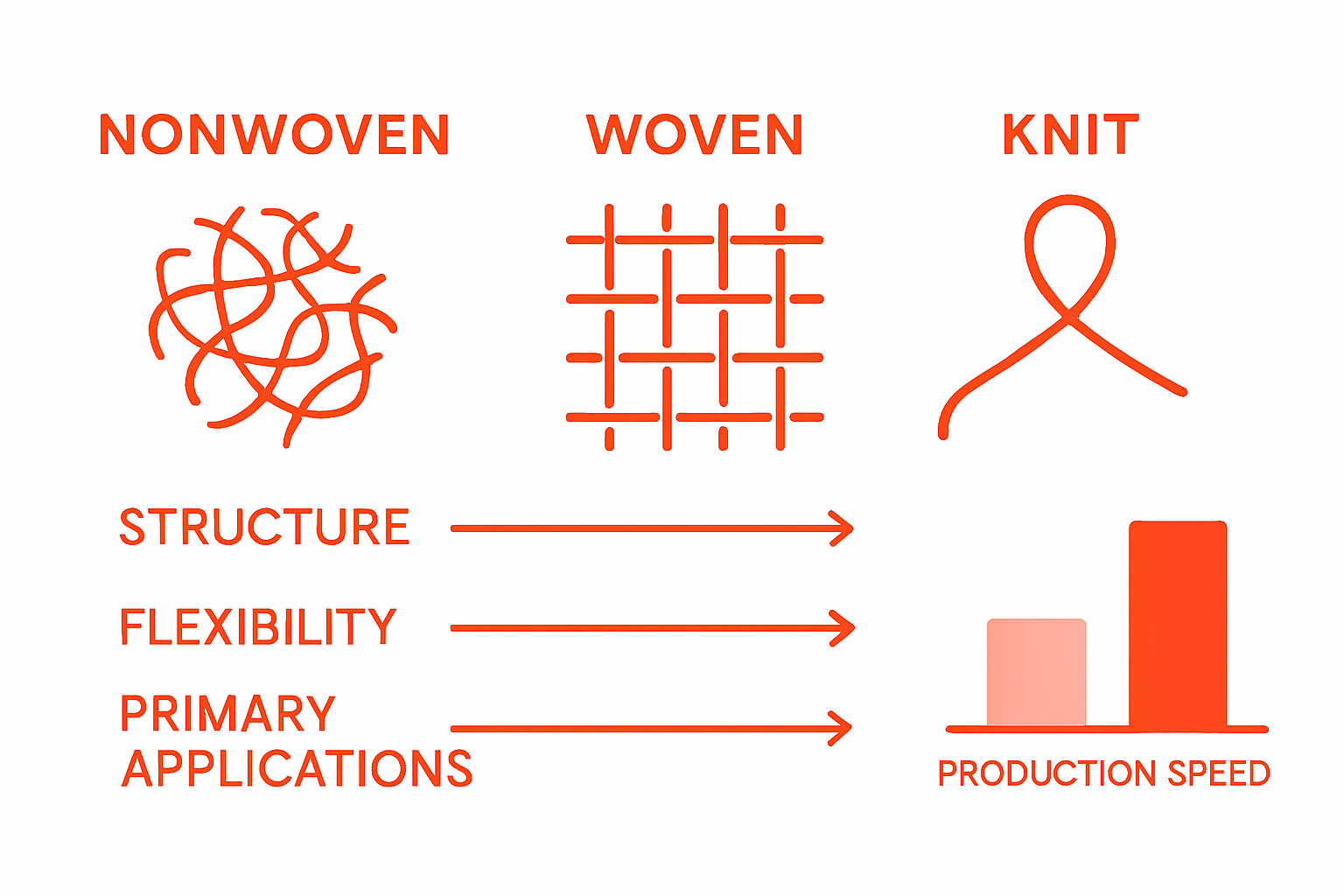
Key differences emerge across several critical performance dimensions. Woven and knit fabrics typically offer superior tensile strength along specific grain lines, whereas nonwoven materials provide more uniform strength distribution. Nonwoven fabrics generally excel in scenarios requiring lightweight, disposable, or precisely engineered materials. They can be more cost-effective to produce, faster to manufacture, and easily customized for specific technical requirements that traditional fabric construction cannot efficiently achieve.
The comparative advantages of nonwoven fabrics become particularly apparent in specialized applications. Medical protective equipment, automotive interior components, filtration systems, and industrial packaging all benefit from nonwoven technology’s ability to create materials with targeted properties. While woven and knit fabrics remain essential in clothing and traditional textiles, nonwoven materials represent a revolutionary approach to material engineering that transcends conventional textile manufacturing limitations.
Nonwoven fabrics offer unmatched versatility and specialized performance that traditional textiles cannot easily achieve. Whether you are tackling apparel enhancements, crafting detailed home decor, or designing industrial-grade materials, understanding the unique bonding methods and fiber technologies can elevate your results. If you want materials that combine softness, strength, and precision engineering, exploring nonwoven options is essential.
Experience the difference today with high-quality textiles from fabric-fabric.com. Browse through our extensive collection of fabrics tailored for apparel, quilting, and crafts to find the perfect nonwoven materials and complementary textiles for your creative ambitions. Start transforming your ideas into reality now by visiting fabric-fabric.com and explore our detailed listings to make informed, confident fabric selections.
Nonwoven fabric is a type of textile that is made by bonding fibers together through mechanical, thermal, chemical, or solvent-based processes, rather than traditional weaving or knitting.
Nonwoven fabrics offer several advantages, including rapid production capabilities, cost-effectiveness, lightweight characteristics, and the ability to be engineered for specific properties like water resistance and absorbency.
Nonwoven fabrics are manufactured using various techniques such as spunlace processing, meltblown processing, thermal bonding, and chemical bonding, which determine the fabric’s structure and performance characteristics.
Nonwoven fabrics are used in a wide range of applications, including medical supplies, filtration systems, automotive interiors, home décor, and various craft projects, showcasing their versatility across different industries.