

 Canadian Dollars

Understanding Why Choose Wool Fabric for Your Projects
Posted by BLG on 2025 Sep 29th
Posted by BLG on 2025 Sep 29th


Wool fabric has been a natural favorite for everything from designer coats to cozy throw blankets for generations. Most people know it feels warm and soft, but few realize that wool can absorb up to 30 percent of its weight in moisture without ever feeling damp. That sounds unbelievable, right? It turns out this incredible fiber is just as good at keeping you cool as it is at keeping you warm, and its secret structure unlocks a level of performance that synthetic fabrics cannot even touch.
| Takeaway | Explanation |
|---|---|
| Wool fabric regulates temperature effectively | Wool keeps you warm in cold and cool in warm environments due to its natural insulating properties. |
| Wool offers superior moisture management | The fabric wicks away sweat and remains breathable, enhancing comfort for wearers. |
| Sustainable and biodegradable material | Wool is an environmentally friendly choice as it decomposes naturally and supports renewable practices. |
| Versatile for various creative projects | From fashion to home decor, wool’s unique properties make it ideal for a wide range of applications. |
| Proper care extends wool’s lifespan | Gentle washing and suitable storage techniques help maintain the quality and appearance of wool fabrics. |
Wool fabric represents an extraordinary natural textile with remarkable characteristics that set it apart from synthetic materials. Derived from sheep and other animal fleeces, wool offers a complex combination of performance attributes that make it highly desirable across multiple industries.
Wool fibers are protein-based structures produced by mammals, predominantly sheep, with incredible inherent properties. These fibers are composed of keratin, the same protein found in human hair and nails, which contributes to their exceptional resilience and durability. Textile Exchange notes that wool can absorb up to 30% of its weight in moisture without feeling wet, making it an extraordinary material for clothing and technical applications.
The microscopic structure of wool fibers creates unique performance capabilities. Each fiber consists of multiple layers with scales that interlock, providing natural insulation, temperature regulation, and moisture management. This intricate design allows wool to perform exceptionally in diverse environmental conditions.
Wool fabric distinguishes itself through several outstanding properties that make it invaluable for various projects:
These characteristics make wool an exceptional choice for crafters, fashion designers, and individuals seeking high-performance textiles. Whether you are creating outdoor gear, elegant clothing, or home decor items, wool provides unparalleled versatility and functionality.
To help you quickly compare how wool fabric performs against synthetic fabrics, here is a side-by-side look at key properties discussed in the article.
| Property | Wool Fabric | Synthetic Fabrics |
|---|---|---|
| Temperature Regulation | Excellent: keeps warm in cold, cool in heat | Poor: traps heat or feels cold to touch |
| Moisture Management | Absorbs up to 30% of weight, stays dry | Limited, often traps moisture next to skin |
| Flame Resistance | Naturally flame resistant | Often flammable, can melt at high temps |
| Odor Control | Prevents bacterial growth, resists odors | Usually lacks odor resistance, may smell |
| Biodegradability | Complete, breaks down in soil easily | Not biodegradable, persists in landfills |
| Sustainability | Renewable, minimal carbon footprint | Derived from fossil fuels, higher emissions |
The sustainability factor further enhances wool’s appeal. As a renewable resource that can be ethically harvested without harming animals, wool represents an environmentally conscious textile option for conscientious creators and consumers alike.
Wool fabric emerges as a superior textile choice for creators seeking exceptional performance and versatility across multiple project types. Its unique combination of natural properties positions wool as an innovative material that transcends traditional fabric limitations.
Choosing wool fabric means selecting a material with extraordinary functional capabilities. American Wool Council highlights that wool’s inherent characteristics provide unmatched adaptability for diverse applications. Professional crafters and designers appreciate wool’s ability to maintain structural integrity and aesthetic appeal under challenging conditions.
The fabric’s remarkable elasticity allows it to retain shape and resist wrinkles, making it ideal for clothing, upholstery, and intricate design work. Wool fibers can stretch up to 30% of their original length and bounce back, ensuring your projects maintain their intended form and appearance over extended periods.
Wool fabric stands out as an environmentally responsible textile choice with significant sustainability credentials:
Additionally, wool offers exceptional health benefits. Its natural antimicrobial properties inhibit bacterial growth, making it an excellent choice for clothing, bedding, and therapeutic textiles. The fabric’s ability to regulate body temperature provides comfort across various environmental conditions.
From fashion design to architectural textiles, wool demonstrates remarkable versatility. Interior designers utilize wool for sound absorption and thermal insulation in commercial and residential spaces. Fashion designers appreciate its ability to create structured yet comfortable garments that transition seamlessly between different environments.
The investment in wool fabric represents a commitment to quality, performance, and sustainable design. Whether you are a hobbyist quilter, professional fashion designer, or industrial textile specialist, wool offers an unparalleled combination of functionality and aesthetic appeal.
Sustainability in textile production represents a critical environmental challenge, with wool emerging as a remarkable solution that transcends traditional fabric manufacturing approaches. This natural fiber offers an innovative pathway toward more responsible and eco-conscious textile creation.
Textile Exchange highlights that sustainably managed wool production can support biodiversity and reduce reliance on synthetic textiles derived from fossil fuels. Wool represents a regenerative material with an inherently circular lifecycle that minimizes environmental degradation.
The production of wool fabric creates significantly lower carbon emissions compared to synthetic alternatives. Sheep continuously produce new fleece through natural growth cycles, making wool a renewable resource that can be ethically harvested without permanent environmental disruption. Each wool fiber undergoes a natural process of regeneration, effectively sequestering carbon and supporting ecological balance.
Wool fabric stands out as an exceptional biodegradable material with remarkable environmental credentials:
This natural decomposition process ensures that wool textiles do not contribute to long-term waste accumulation, presenting a stark contrast to petroleum-based synthetic materials that persist in environmental systems for hundreds of years.
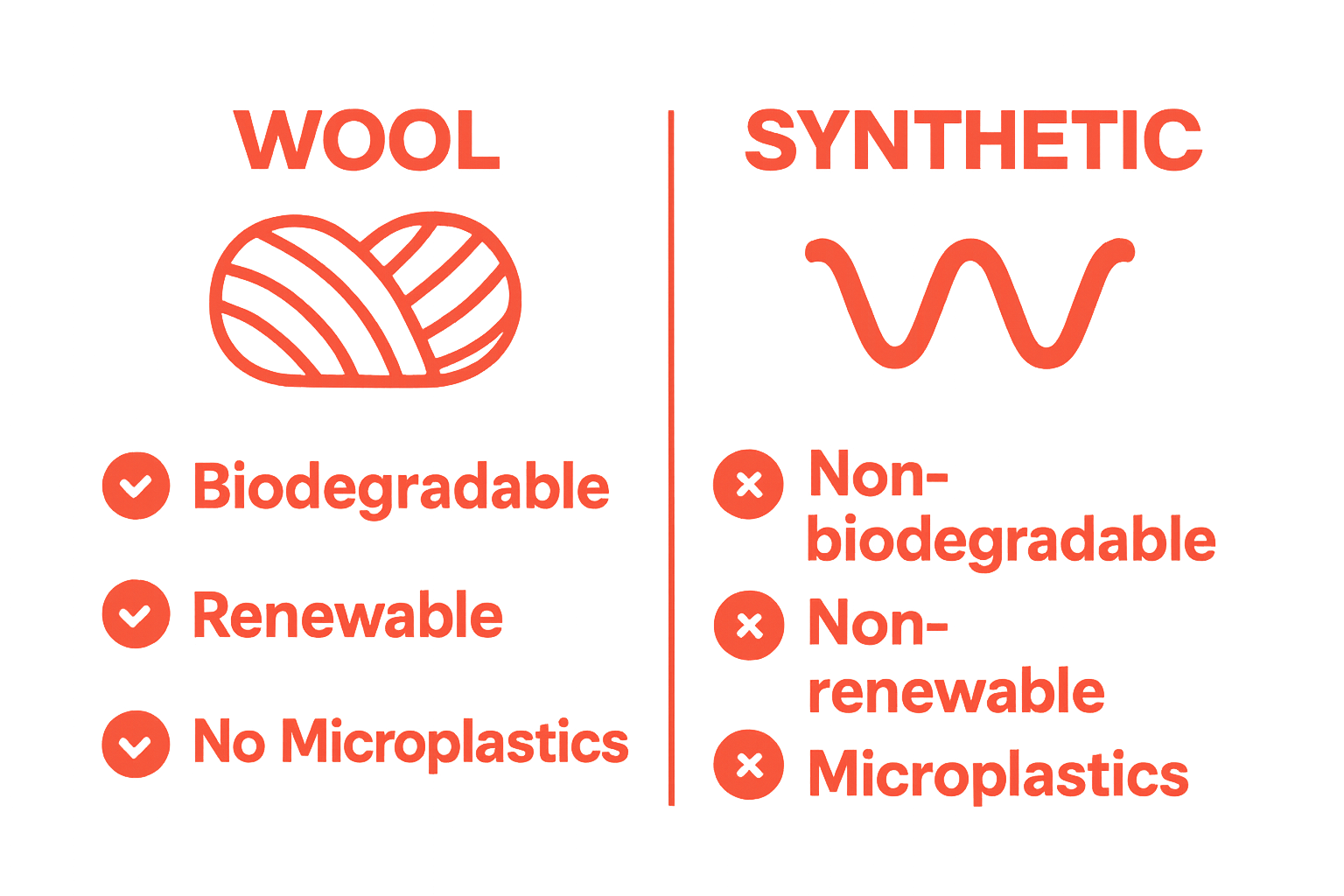
Wool production represents more than just fabric manufacturing it supports holistic agricultural ecosystems. Sheep grazing practices can actually improve soil health, promote biodiversity, and support landscape management. Responsible wool farming integrates animal husbandry with environmental stewardship, creating a symbiotic relationship between agricultural production and ecological preservation.
By choosing wool, creators and consumers actively participate in a more sustainable textile economy. The fabric embodies a comprehensive approach to material production that considers environmental impact, renewable resources, and long-term ecological sustainability.
Wool fabric transcends traditional textile boundaries, offering creators an incredibly versatile material that adapts to numerous design and crafting applications. Its exceptional properties enable innovative solutions across multiple creative disciplines, making it a preferred choice for professionals and hobbyists alike.
In the fashion industry, wool fabric represents more than just a material it is a canvas for artistic expression. Designers leverage wool’s natural drape, texture, and ability to hold intricate structural forms to create garments ranging from structured tailored suits to flowing avant-garde pieces. The fabric’s capacity to maintain shape while providing comfort makes it ideal for creating high-performance clothing that transitions seamlessly between formal and casual environments.
Fibershed highlights wool’s remarkable versatility in home goods and artistic applications. Crafters utilize wool for felting, quilting, and creating intricate textile art pieces. Its natural ability to be manipulated through techniques like needle felting and wet felting allows artists to develop three-dimensional sculptures, decorative items, and unique textural designs.
Wool’s applications in home decor extend beyond purely aesthetic purposes. The fabric can be transformed into:
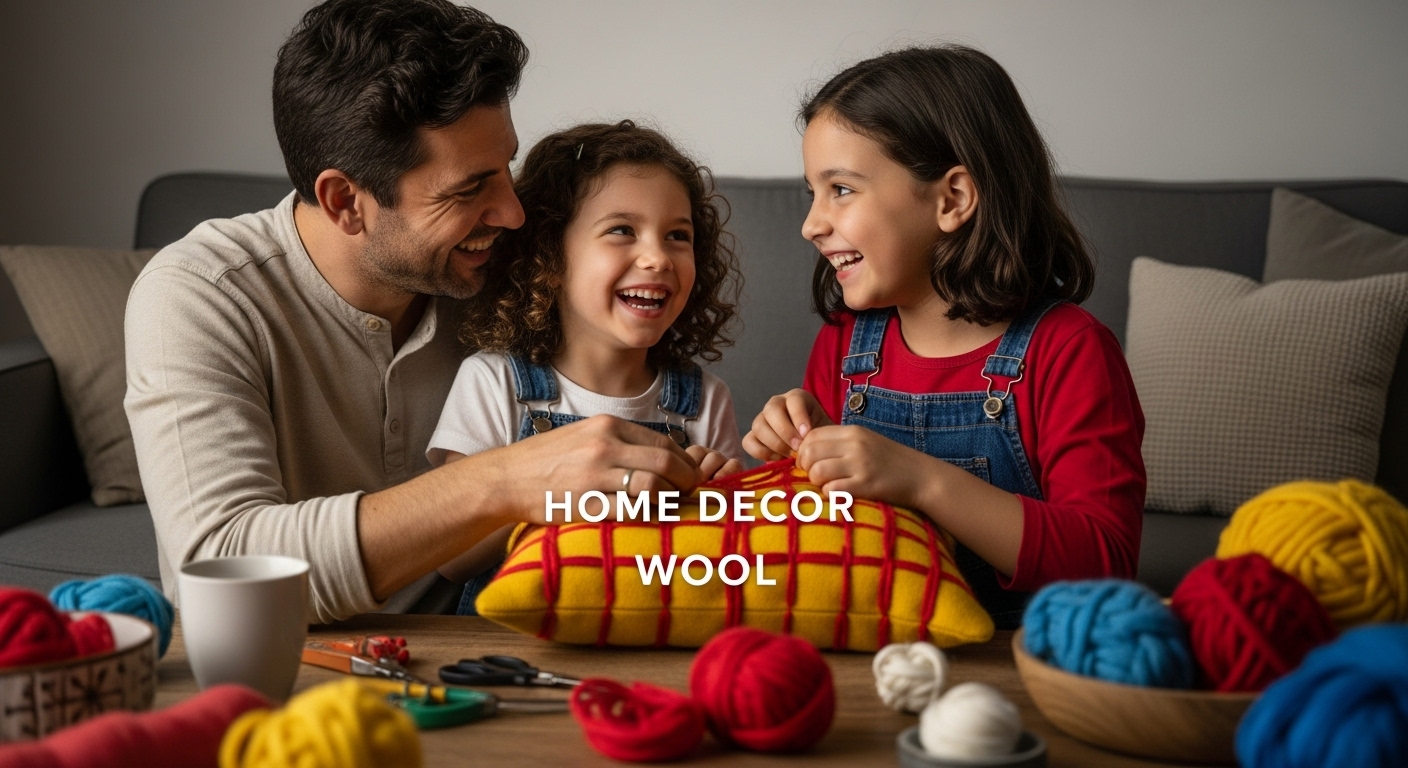
Beyond traditional crafting, wool fabric finds its place in specialized technical domains. Architects and interior designers appreciate wool’s sound absorption qualities, utilizing it in acoustic panels and soundproofing solutions. The textile’s natural fire-resistant properties make it valuable in creating safety-oriented design elements.
Innovative industries are discovering wool’s potential in unexpected areas such as outdoor gear, performance wear, and even architectural textiles. Its ability to regulate temperature, manage moisture, and provide durability positions wool as a material that bridges aesthetic appeal with functional excellence.
Creators who choose wool are not just selecting a fabric they are embracing a material with extraordinary potential for transformation and creative expression.
Wool fabric requires specialized care to preserve its exceptional qualities and extend its functional lifespan. Unlike synthetic textiles, wool demands nuanced maintenance strategies that respect its natural fiber composition and intricate structural characteristics.
Woolmark recommends specific protocols for maintaining wool’s integrity during cleaning processes. Understanding wool’s unique protein-based structure is crucial to preventing damage and maintaining its original performance attributes. Wool fibers are delicate yet resilient, requiring gentle handling to prevent shrinkage, distortion, or texture degradation.
Professional and home textile experts emphasize the importance of using cool water, specialized wool detergents, and minimal agitation. Harsh chemicals and excessive heat can compromise wool’s natural elasticity and cause irreversible damage to the fabric’s microscopic fiber structure.
Proper wool fabric storage is essential for long-term preservation. Creators and consumers must protect wool textiles from environmental factors that could compromise their quality:
Moth protection represents a critical aspect of wool fabric maintenance. These insects are attracted to natural protein fibers and can cause significant damage if preventive measures are not implemented consistently.
Wool’s remarkable properties extend to its potential for repair and restoration. Minor damages like small holes or thinning areas can often be professionally mended, extending the fabric’s usable life. Skilled textile artisans can restore wool items through specialized darning, felting, and patching techniques that maintain the original aesthetic and functional qualities.
By investing time in proper care and maintenance, creators can significantly extend the lifecycle of wool fabrics.
Below is a summary table highlighting practical wool fabric care and maintenance recommendations, making it easy to follow the best practices outlined in the article.
| Care Aspect | Recommended Technique |
|---|---|
| Washing | Use cool water, gentle cycle, and specialized wool detergents. Avoid harsh chemicals and hot water. |
| Drying | Gently reshape and lay flat to dry. Avoid wringing or machine drying. |
| Storage | Store in cool, dry area. Use cedar blocks or lavender for moth prevention. |
| Protection | Fold heavy items; use breathable cotton garment bags, not plastic containers. |
| Repairs | Darn, felt, or patch small holes; professional restoration for significant damage. |
| This approach not only preserves individual textile pieces but also contributes to more sustainable consumption practices in the textile ecosystem. |
Are you searching for a textile that combines natural performance, sustainability, and modern style? After uncovering the many benefits of wool fabric in design, insulation, and eco-friendly living, it is clear that one challenge remains: finding high-quality wool and other unique textiles that truly match your creative vision. If you are passionate about creating apparel, home decor, or intricate crafts, and you want materials that offer temperature regulation, resilience, and eco-friendly appeal, now is the perfect time to act.
Discover our extensive collection of premium fabrics tailored for every project at fabric-fabric.com. Explore clear descriptions, usage suggestions, and honest prices for everything from wool and velvet to seersucker and lace. Enjoy a simple shopping experience designed for hobbyists and professionals alike, including features like shopping cart integration and seasonal discounts. Do not let your next creation wait for “someday”. Visit our homepage to choose your quality fabric and bring your vision to life today.
Wool fabric possesses several exceptional properties, including temperature regulation, moisture management, flame resistance, and odor resistance, making it a versatile and high-performance textile suitable for various projects.
Wool is a renewable and biodegradable resource. Its production has a lower carbon footprint compared to synthetic materials and helps improve soil health through responsible grazing practices, making it an eco-friendly choice for textiles.
To maintain wool fabric, wash it in cool water with specialized wool detergents and avoid harsh chemicals. Store it in cool, dry places and use moth repellents. Repair minor damages through darning or felting to extend its life.
Wool is favored in fashion design due to its ability to hold shape, provide comfort, and adapt to diverse styles. Its natural drape and texture allow designers to create structured garments that transition well between different settings.