

 Canadian Dollars

Understanding Why Choose Cotton Fabric for Design and Craft
Posted by BLG on 2025 Aug 29th
Posted by BLG on 2025 Aug 29th


Cotton fabric is everywhere, from soft t-shirts to sturdy tote bags, yet most people have no idea why it stands out from every other textile. This ordinary looking fabric can actually absorb up to 27 times its weight in water and is naturally hypoallergenic. Funny thing is, what makes cotton truly unique is not just its versatility, but how its natural fibers support everything from cutting edge wearable tech to medical advances you would never expect.
| Takeaway | Explanation |
|---|---|
| Cotton is highly breathable and moisture-absorbent. | Cotton fabric allows air circulation and can absorb significant moisture, enhancing comfort in various applications. |
| Its hypoallergenic nature makes it skin-friendly. | Cotton is less likely to cause skin irritation or allergies, making it suitable for sensitive users. |
| Cotton is versatile across multiple industries. | It is used in apparel, home textiles, medical supplies, and industrial applications, demonstrating its broad utility. |
| Sustainable practices support cotton production. | Cotton’s renewable and biodegradable properties align with environmentally responsible practices, appealing to eco-conscious manufacturers. |
| High-quality cotton can be technologically advanced. | Innovative applications like smart textiles and medical technology show cotton’s adaptability in modern design contexts. |
Cotton fabric represents a remarkable natural textile with extraordinary characteristics that make it a cornerstone in design and craft industries. Derived from the fluffy fibers surrounding cotton plant seeds, this versatile material has been integral to human civilization for thousands of years.
Cotton begins its journey as a plant fiber, carefully harvested from the cotton plant’s protective seed pods. According to the National Cotton Council of America, cotton is a renewable natural resource that transforms from delicate white fibers into an incredible textile material. The fiber’s unique molecular structure enables remarkable properties that set it apart from synthetic alternatives.
Cotton distinguishes itself through several exceptional characteristics that make it highly desirable for designers and crafters:
Britannica highlights that cotton’s cellular composition contributes to its incredible versatility. The cellulose structure provides strength while maintaining softness, making it ideal for everything from delicate clothing to robust craft projects.
Understanding cotton’s molecular composition reveals why designers consistently choose this fabric. Its natural elasticity allows for easy manipulation in sewing, quilting, and textile art, while its ability to accept dyes and prints makes it a favorite among creative professionals seeking vibrant, long lasting materials.
Cotton fabric holds a pivotal role in the global textile and fashion ecosystem, serving as a fundamental material that bridges functionality with aesthetic appeal. Its versatility and exceptional qualities have solidified its position as a cornerstone textile across multiple industries.
The textile industry relies heavily on cotton as a primary material. According to the National Cotton Council of America, cotton represents a critical economic resource, supporting hundreds of thousands of jobs and generating substantial revenue worldwide. From high fashion runways to everyday clothing, cotton’s adaptability makes it an indispensable fabric for designers and manufacturers.
To help you compare the different roles and uses of cotton fabric across industries, the table below summarizes key application sectors and the specific examples mentioned in the article.
| Industry | Key Applications |
|---|---|
| Apparel | Everyday wear, formal clothing, sportswear |
| Home Textiles | Bedding, towels, upholstery |
| Medical Textiles | Surgical gowns, bandages, hygiene products |
| Industrial Textiles | Protective clothing, filtration systems |
| Advanced Technology | Wearable tech, smart clothing, medical sensors |
Cotton’s remarkable properties enable its use in diverse sectors beyond traditional clothing manufacturing:
Research from NCBI highlights cotton’s unique contribution to sustainable textile production. Its biodegradability and reduced environmental impact compared to synthetic alternatives position it as a critical material in environmentally conscious design and manufacturing.
Beyond its practical applications, cotton represents an important avenue for sustainable textile production. The fabric’s renewable nature and potential for organic cultivation make it an attractive option for designers and manufacturers committed to environmentally responsible practices. By choosing cotton, industries can reduce their carbon footprint while maintaining high-quality, performance driven textiles that meet contemporary consumer expectations for both style and sustainability.
Cotton fabric production represents a complex journey transforming raw plant fibers into versatile textiles through sophisticated manufacturing processes. From agricultural cultivation to final fabric creation, each stage requires precision and specialized techniques.
The cotton production process begins in agricultural fields where cotton plants are carefully cultivated. According to the United States Department of Agriculture, cotton plants require specific climate conditions including warm temperatures, adequate sunlight, and controlled irrigation. Farmers strategically plant cotton seeds, allowing plants to grow and develop protective seed pods called bolls that contain the precious white cotton fibers.
Once harvested, cotton undergoes multiple critical processing stages:
Research from Textile School reveals that each processing stage requires specialized machin
ery and technical expertise to maintain fiber integrity and fabric quality.
The final stage of cotton fabric production involves sophisticated finishing techniques that enhance the fabric’s performance and aesthetic qualities. Manufacturers apply treatments for color, texture, and functionality, such as pre shrinking, waterproofing, or adding fire resistant properties. Quality control measures ensure that each fabric batch meets strict industrial standards, guaranteeing consistent performance and durability for designers and consumers across multiple applications.
The following table organizes the production and processing stages of cotton fabric, providing a concise overview of each main step outlined in the article.
| Stage | Description |
|---|---|
| Agricultural Cultivation | Growing cotton plants under specific climate conditions |
| Harvesting | Collecting cotton bolls containing plant fibers |
| Ginning | Separating cotton fibers from seeds |
| Cleaning | Removing debris and impurities |
| Carding | Aligning fibers into continuous strands |
| Spinning | Transforming fiber strands into yarn |
| Weaving/Knitting | Creating fabric structures from yarn |
| Finishing & Quality Control | Enhancing fabric properties and ensuring standards |
Cotton fabric distinguishes itself through a remarkable set of inherent characteristics that make it an exceptional material for diverse applications. Understanding these properties reveals why designers and crafters consistently choose cotton as their preferred textile.
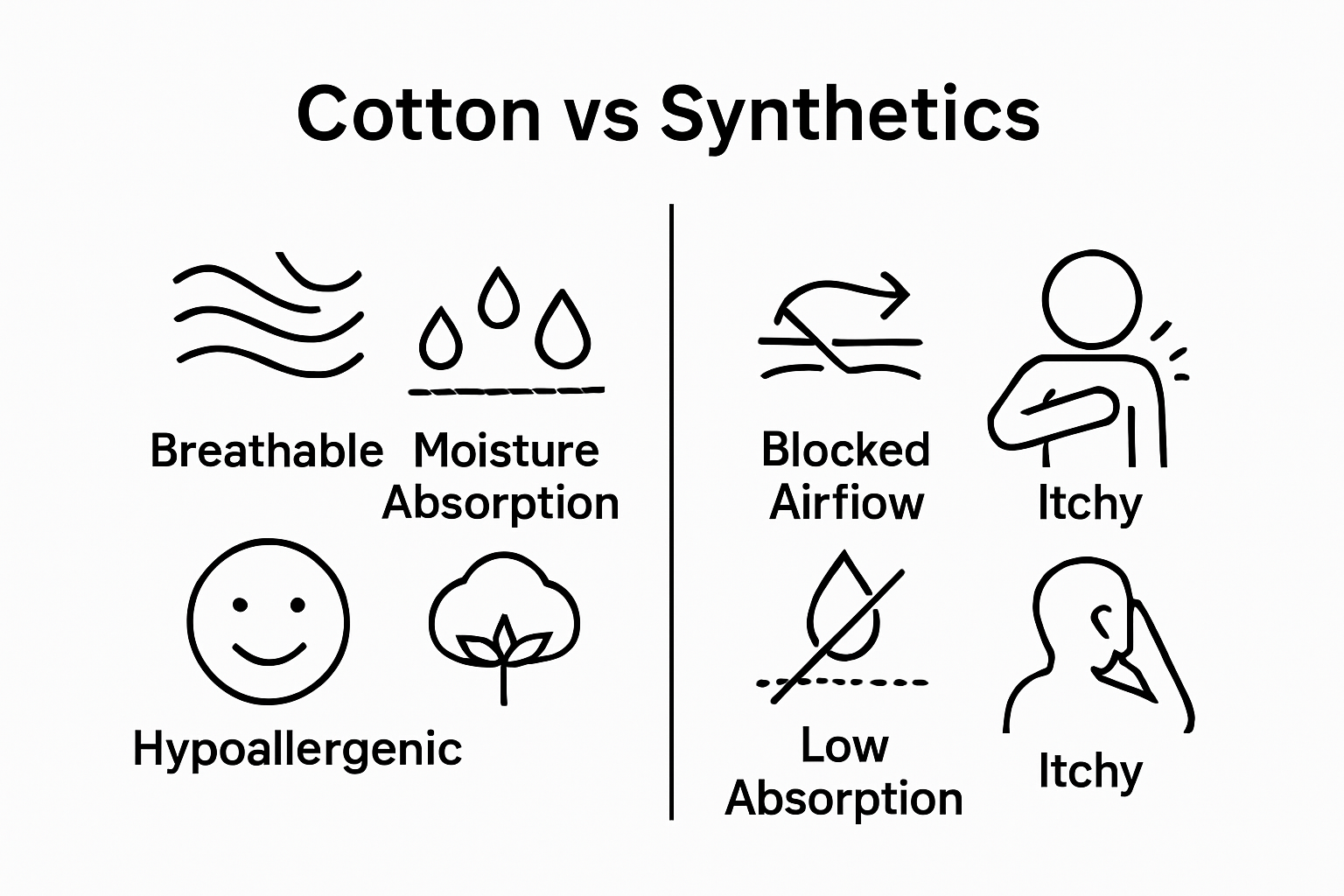
The unique molecular structure of cotton fiber contributes to its outstanding performance. According to the USDA Forest Service, cotton’s cellular composition enables exceptional moisture management and thermal regulation. Its natural cellulose structure allows the fabric to breathe, adapt to temperature changes, and provide consistent comfort across various environmental conditions.
Cotton fabric offers multiple performance benefits that set it apart from synthetic alternatives:
These characteristics make cotton particularly valuable in applications ranging from clothing and home textiles to specialized craft and design projects. The fabric’s natural elasticity and strength provide designers with a versatile material that can be easily manipulated and transformed.
Beyond its immediate performance characteristics, cotton represents a sustainable textile choice. Its renewable nature, biodegradability, and potential for organic cultivation make it an environmentally responsible option for designers and manufacturers. By selecting cotton, professionals can create high quality textiles that not only perform exceptionally but also align with contemporary expectations for ecological consciousness and responsible material selection.
Cotton fabric transcends traditional textile boundaries, emerging as a versatile material with groundbreaking applications across multiple design disciplines. Its adaptability and inherent properties enable innovative solutions in industries ranging from fashion to advanced technological development.
In the fashion world, cotton remains a foundational textile, offering designers incredible flexibility. Designers leverage cotton’s natural characteristics to create everything from haute couture to everyday wear. Its ability to accept intricate dyes, hold complex textile structures, and provide comfort makes it indispensable for creative clothing development.
Cotton is increasingly utilized in cutting-edge technological design. According to research from NCBI, innovative scientists have developed conductive cotton fabrics by integrating carbon nanotubes, enabling remarkable applications such as:
Beyond traditional applications, cotton demonstrates extraordinary potential in specialized design contexts. Its natural properties allow for remarkable transformations, from medical dressings that accelerate wound healing to architectural textiles providing environmental solutions. Designers now view cotton not just as a fabric, but as a dynamic, adaptable material capable of solving complex design challenges across multiple domains. By understanding and manipulating cotton’s fundamental characteristics, professionals can create innovative solutions that merge functionality with aesthetic excellence.

Have you noticed how often comfort, durability, and versatility come up when choosing the right materials for your next project? You have just learned why cotton fabric stands out for breathability, hypoallergenic qualities, and stunning adaptability in both crafts and design. But finding premium cotton fabric that truly elevates your work can be challenging and time consuming, whether you are a DIY enthusiast or a professional designer. Choosing the wrong supplier may result in poor fabric quality or limited choices for specific needs like quilting, apparel, or custom decor.
Make your creative visions a reality with the highest quality cotton fabrics available at fabric-fabric.com. Explore our vast selection geared for every purpose, from robust home textiles to fine apparel and quilting cottons. Shop with confidence and discover detailed fabric options tailored for designers and crafters who demand the best. Visit fabric-fabric.com today and transform your ideas into beautiful, lasting pieces. Your next masterpiece starts with the perfect fabric—browse our collection now.
Cotton fabric is known for its breathability, moisture absorption, hypoallergenic nature, and durability. These characteristics make it comfortable to wear and versatile for various applications.
Cotton fabric is produced through a multi-stage process that includes agricultural cultivation, harvesting, ginning, cleaning, carding, spinning, and weaving or knitting. Each step ensures the integrity and quality of the cotton fibers.
Cotton is regarded as a sustainable textile due to its renewable nature and biodegradability. Additionally, organic cotton cultivation practices reduce environmental impact, making it an eco-friendly choice for designers and manufacturers.
Cotton fabric is widely used in various industries, including fashion for everyday wear and formal clothing, home textiles such as bedding and towels, medical textiles for surgical gowns, and industrial textiles for protective clothing.