

 Canadian Dollars

Fabric Substrates Explained: Choosing the Right Base
Posted by BLG on 2025 Dec 4th
Posted by BLG on 2025 Dec 4th


Most American designers know fabric choice can make or break a project. The differences between woven, knitted, and nonwoven substrates shape everything from the look of high-end apparel to hospital-grade textiles. With over 8,000 types of fabric produced worldwide, understanding these building blocks is essential for anyone working with textiles. This guide breaks down how substrate selection influences performance and helps you avoid common mistakes, so your next creative or commercial venture stands out.
| Point | Details |
|---|---|
| Importance of Fabric Substrates | Fabric substrates serve as the foundational elements in textile production, influencing the durability and aesthetic qualities of the final product. |
| Three Primary Methods | The main construction techniques—woven, knitted, and nonwoven—each impart unique characteristics that affect fabric performance and application suitability. |
| Impact on Performance | The choice of substrate directly affects mechanical properties, flexibility, and environmental resilience, making careful selection essential for project success. |
| Common Selection Mistakes | Avoiding material mismatch and other common pitfalls ensures that selected substrates meet both aesthetic and functional project requirements. |
Fabric substrates form the critical foundation of textile manufacturing, representing the underlying structural base from which all textile products emerge. These essential materials are created through intricate processes of fiber and yarn interlacement, determining the fundamental characteristics of the final textile product. The fabric selection process involves understanding how different substrate formation techniques impact a textile’s performance and aesthetic qualities.
In textile production, substrates are fundamentally defined by their method of construction - whether through weaving, knitting, or nonwoven techniques. Each method produces unique structural characteristics that influence the fabric’s durability, flexibility, and intended application. Fabric sourcing strategies play a crucial role in selecting the most appropriate substrate for specific design requirements, considering factors like intended use, desired texture, and performance metrics.
The three primary substrate formation methods each offer distinct advantages:
Understanding these substrate types allows designers, manufacturers, and crafters to make informed decisions about textile selection. By recognizing how different formation techniques impact material properties, professionals can strategically choose substrates that precisely match their project requirements, ensuring optimal performance and aesthetic outcomes.
Fabric substrates represent a diverse landscape of textile structures, each offering unique characteristics that determine their performance and application. Fabric selection strategies require understanding the fundamental differences between these substrate types, which primarily include woven, knitted, and nonwoven materials. Each category emerges from distinct manufacturing processes that fundamentally shape their structural integrity, appearance, and functional capabilities.
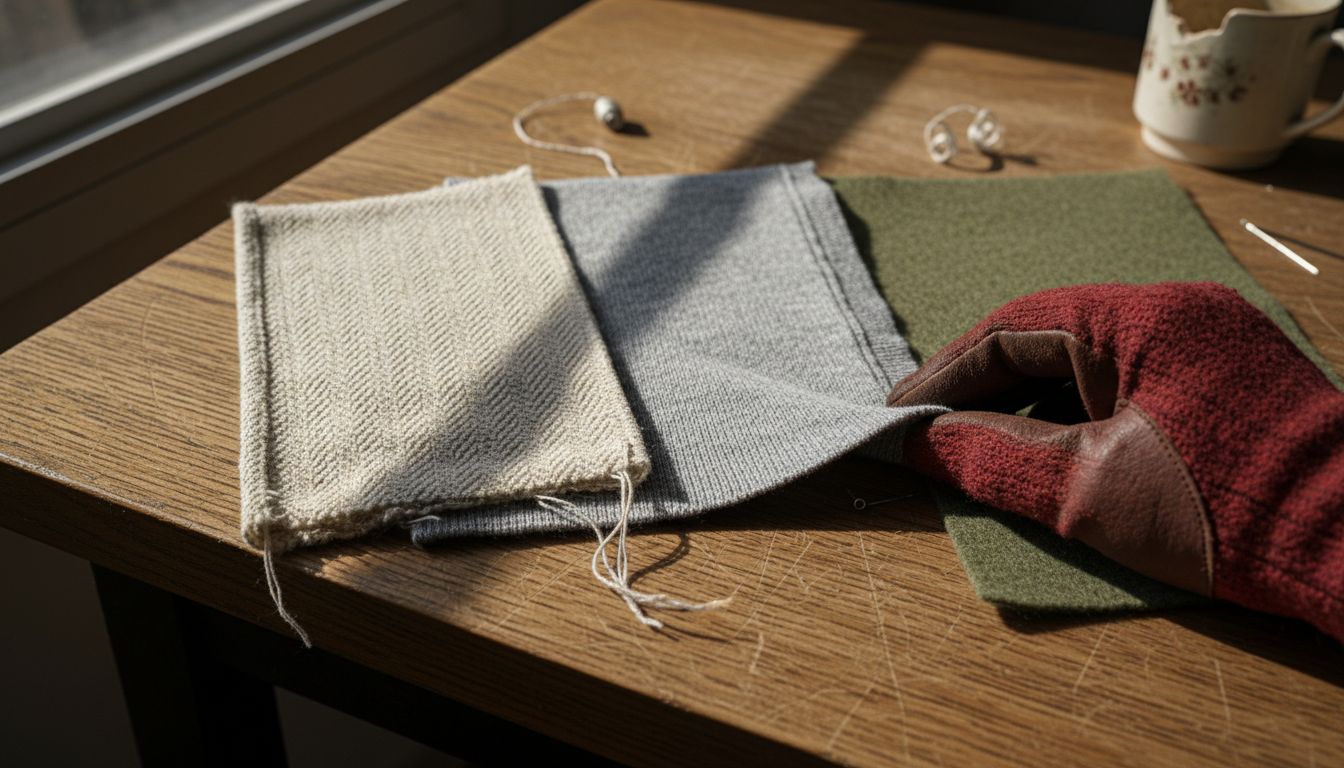
The three primary substrate types exhibit remarkable variations in their manufacturing techniques and resulting properties. Woven Substrates are created by interlacing two sets of yarns at precise right angles, producing materials with exceptional stability and strength. These fabrics typically demonstrate high durability and structured appearance, making them ideal for applications requiring rigid structural performance. Knitted Substrates, conversely, are formed through interconnected loops that provide remarkable stretch and flexibility. Their unique construction allows for superior elasticity, rendering them perfect for garments requiring body conforming characteristics.
Nonwoven Substrates represent a revolutionary approach to textile production, created by bonding or entangling fibers without traditional weaving or knitting processes. These materials offer several distinctive advantages:
Understanding the nuanced differences between these substrate types empowers designers, manufacturers, and textile professionals to make strategic material selections. By comprehending how structural formation influences performance characteristics, creators can precisely match substrate properties to specific project requirements, ensuring optimal outcomes across diverse applications.
The selection of a fabric substrate represents a critical decision that fundamentally determines the performance, durability, and functionality of a textile product. Fabric selection strategies must carefully consider how substrate characteristics directly influence mechanical properties, aesthetic qualities, and end-use suitability. Substrate composition impacts everything from fabric strength and flexibility to its ability to withstand environmental stressors and maintain structural integrity.
Mechanical performance varies dramatically across different substrate types. Woven Substrates demonstrate exceptional dimensional stability and resistance to deformation, making them ideal for applications requiring precise structural integrity. Knitted Substrates offer superior elasticity and comfort, with their interconnected loop structure providing remarkable adaptability to body movement and environmental changes. Nonwoven Substrates excel in scenarios demanding lightweight, cost-effective materials with rapid production capabilities.
Substrate performance is influenced by several critical factors:
Understanding these nuanced performance characteristics empowers designers and manufacturers to make strategic substrate selections. By meticulously matching substrate properties to specific project requirements, professionals can optimize textile performance across diverse applications, ensuring that each fabric achieves its maximum potential in functionality, durability, and aesthetic appeal.
Selecting the perfect fabric substrate requires a strategic approach that matches material properties with specific project demands. Quilting fabric types demonstrate how substrate selection can dramatically influence a project’s success. Understanding the unique characteristics of different substrate types enables designers and crafters to make informed decisions that optimize performance, durability, and aesthetic appeal.
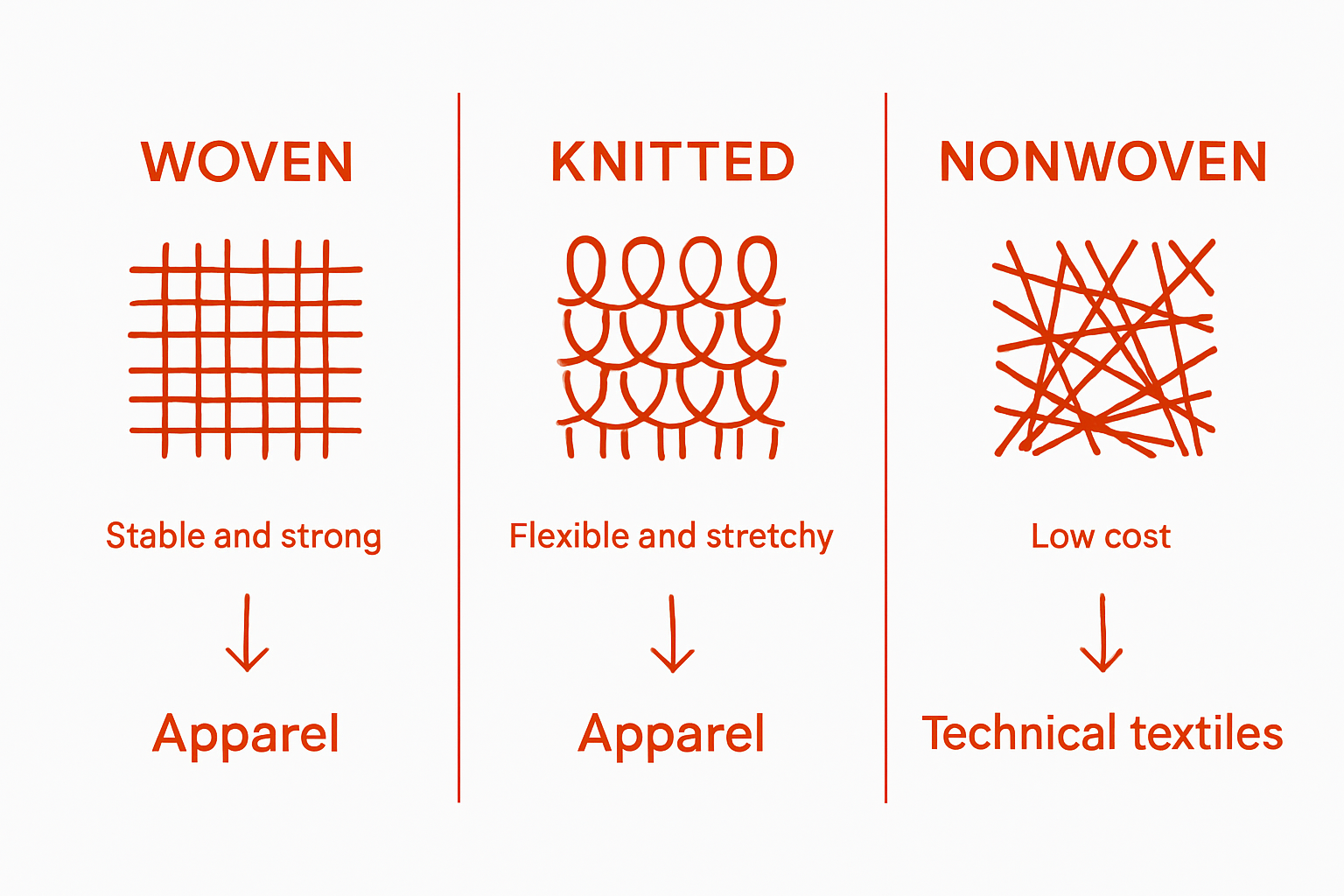
Woven Substrates excel in projects demanding structural stability and precision. Their tightly interlaced yarns create exceptional strength, making them ideal for applications like upholstery, structured garments, and home decor items requiring minimal stretch. Knitted Substrates shine in projects prioritizing comfort, flexibility, and body movement, such as activewear, sportswear, and form-fitting clothing where stretch and adaptability are paramount.
Different project categories benefit from specific substrate characteristics:
Professional textile selection involves carefully balancing substrate properties with project requirements. By understanding the nuanced performance characteristics of different fabric bases, creators can strategically choose materials that not only meet functional needs but also enhance the overall quality and aesthetic of their final product.
Selecting the right fabric substrate requires careful consideration and strategic thinking. Fabric selection strategies can help prevent costly errors that compromise project quality and performance. Professionals and hobbyists alike frequently encounter pitfalls that can derail their creative or functional objectives when choosing textile bases.
Material Mismatch represents the most critical mistake in substrate selection. Designers often select fabrics based on aesthetic preferences without thoroughly evaluating their functional requirements. Performance Limitations emerge when creators fail to match substrate properties with project demands, leading to premature material failure, reduced durability, or compromised functionality. For instance, choosing a delicate knit fabric for high-stress applications or selecting a rigid woven substrate for garments requiring significant stretch can result in catastrophic project outcomes.
Common substrate selection errors include:
Successful substrate selection demands a holistic approach that balances aesthetic desires with technical requirements. By understanding potential pitfalls and developing a systematic evaluation process, creators can make informed decisions that ensure their textile projects achieve both functional excellence and visual appeal.
Choosing the right fabric substrate is a crucial step that can make or break your textile creation. Whether you need the strength and stability of woven fabrics, the flexibility of knits, or the versatility of nonwovens, understanding these options helps you avoid common mistakes and match your fabric to the demands of your project. At Fabric-Fabric, we simplify this process by offering a wide range of quality textiles with detailed descriptions tailored to your needs.

Explore our extensive collection to discover the ideal fabric substrate for apparel, quilting, home decor, or technical uses. Start with our fabric selection process guide to gain expert insights and then browse our offerings. Don’t wait until your project stalls from a poor material choice—visit Fabric-Fabric now and get the perfect fabric base delivered to your doorstep, so you can confidently bring your creative vision to life.
Fabric substrates are the foundational materials created through processes of fiber and yarn interlacement. They determine the characteristics and performance of the final textile product.
Choosing the right substrate involves considering factors such as the intended use, desired texture, performance metrics, and the specific properties of woven, knitted, or nonwoven fabrics.
Woven substrates are stable and strong due to perpendicular yarn interlacement, knitted substrates offer excellent stretch and flexibility through interconnected loops, and nonwoven substrates are lightweight and versatile, produced by bonding fibers without traditional knitting or weaving.
Substrate choice affects mechanical properties like strength, flexibility, and durability, as well as how well the fabric withstands environmental stressors, ultimately influencing its suitability for specific applications.