

 Canadian Dollars

The Essential Guide to Why Use Cotton Fabric
Posted by BLG on 2025 Oct 31st
Posted by BLG on 2025 Oct 31st


Did you know that cotton is the most widely produced natural fiber on the planet, with roots dating back over 6,000 years? This soft material shapes much of what we wear and use in our daily lives, from the clothes in our closets to the linens on our beds. Understanding the origins of cotton and how it is transformed into fabric reveals why it remains so essential, trusted, and popular across cultures and industries.
| Point | Details |
|---|---|
| Historical Significance | Cotton has been a vital textile since ancient civilizations, with origins dating back to at least 6000 B.C.E. and is the most produced natural fiber globally. |
| Variety and Versatility | Numerous cotton varieties exist, each suited for specific applications, reinforcing cotton’s adaptability across industries. |
| Sustainability | Cotton is biodegradable, making it an environmentally friendly choice compared to synthetic fabrics, which persist in landfills. |
| Care for Longevity | Proper fabric care, such as cold washing and air drying, enhances cotton’s durability and sustainability, prolonging its lifecycle. |
Cotton fabric represents one of humanity’s most ancient and versatile textile materials, originating from the soft fibers surrounding cotton plant seeds. According to athm, this natural material comes from cotton shrubs native to tropical and subtropical regions, with a rich history tracing back to the Bronze Age in the Indus Valley Civilization.
The global significance of cotton cannot be overstated. learn reports that cotton is currently the most widely produced natural fiber worldwide, with archaeological evidence demonstrating its domestication dating back to at least 6000 B.C.E. in both the Americas and South Asia. This extensive historical presence underscores cotton’s fundamental importance in human textile production.
Key characteristics of cotton fabric include:
The journey of cotton from plant to fabric involves several intricate processes. Cotton fibers are carefully harvested from mature cotton plants, then cleaned, spun into threads, and woven or knitted into the diverse range of textiles we recognize today. This transformation highlights cotton’s remarkable adaptability and enduring appeal across different cultures and industrial applications.
Cotton is far from a one-size-fits-all fabric, with numerous varieties offering unique characteristics and applications. athm highlights several prominent cotton types, including Upland cotton from Mexico, which dominates global production due to its high yield, and Egyptian cotton, renowned for its luxurious texture and exceptionally long fibers.
learn reveals fascinating genetic variations among cotton strains that significantly impact fabric quality. Some cotton plants naturally produce fibers in different colors, including brown varieties with inherent flame-resistant properties, while others yield traditional white fibers. These genetic differences profoundly influence the cotton’s ultimate performance and suitability for specific uses.
Major cotton varieties include:
The selection of cotton variety depends on specific project requirements. Factors like fiber length, strength, color, and texture play crucial roles in determining the most appropriate cotton type for clothing, home textiles, industrial applications, and specialized crafting needs. Understanding these nuanced differences empowers designers, crafters, and manufacturers to choose the perfect cotton for their unique applications.

Here’s a summary of the main cotton varieties and their distinct characteristics:
| Cotton Variety | Main Features | Typical Uses |
|---|---|---|
| Upland Cotton | High yield Shorter fibers |
Everyday clothing Denim |
| Egyptian Cotton | Extra-long staple Luxurious |
Premium bedding Fine shirts |
| Pima Cotton | Very durable Silky texture |
High-end apparel Luxury linens |
| Sea Island Cotton | Ultra-fine Extremely soft |
Rare textiles Luxury garments |
| Indian Cotton | Traditional Widely available |
Regional fabrics Saris |
cotton.org highlights cotton’s extraordinary versatility, positioning it as a standout material across numerous applications. From everyday clothing to specialized textiles, cotton’s natural properties make it an unparalleled choice for creators and consumers alike. Its inherent characteristics provide remarkable comfort and performance that synthetic materials struggle to match.
Breathability stands out as one of cotton’s most celebrated attributes. According to athm, the fabric’s exceptional softness and absorbent nature make it ideal for clothing production. This means cotton allows air circulation, helping regulate body temperature and preventing moisture buildup, which is crucial for comfort in various environments and activities.
Key benefits of cotton include:
Beyond personal comfort, cotton offers significant practical advantages. Its affordability, combined with remarkable durability, makes it a smart choice for everything from high-end fashion to everyday workwear. The material’s ability to be easily dyed, printed, and transformed ensures designers and manufacturers have incredible creative flexibility, while consumers enjoy a versatile, reliable fabric that performs consistently across multiple uses.
cotton.org emphasizes cotton’s remarkable versatility, showcasing its extraordinary range of applications across multiple industries and project types. From personal clothing to industrial equipment, cotton demonstrates an unparalleled ability to adapt and perform in diverse contexts, making it a go-to material for creators and manufacturers worldwide.
Clothing represents the most prominent application of cotton. athm specifically highlights its widespread use in everyday textiles like shirts and underwear, where comfort and breathability are paramount. The fabric’s natural softness and ability to regulate temperature make it ideal for everything from casual t-shirts to professional workwear.
Cotton’s major project applications span multiple categories:
Beyond traditional uses, cotton continues to prove its adaptability in emerging fields. Designers and manufacturers increasingly leverage its natural properties for innovative applications, from sustainable fashion to technical textiles. Its biodegradability, renewability, and excellent performance characteristics position cotton as a material that transcends conventional boundaries, offering creative solutions across numerous project domains.
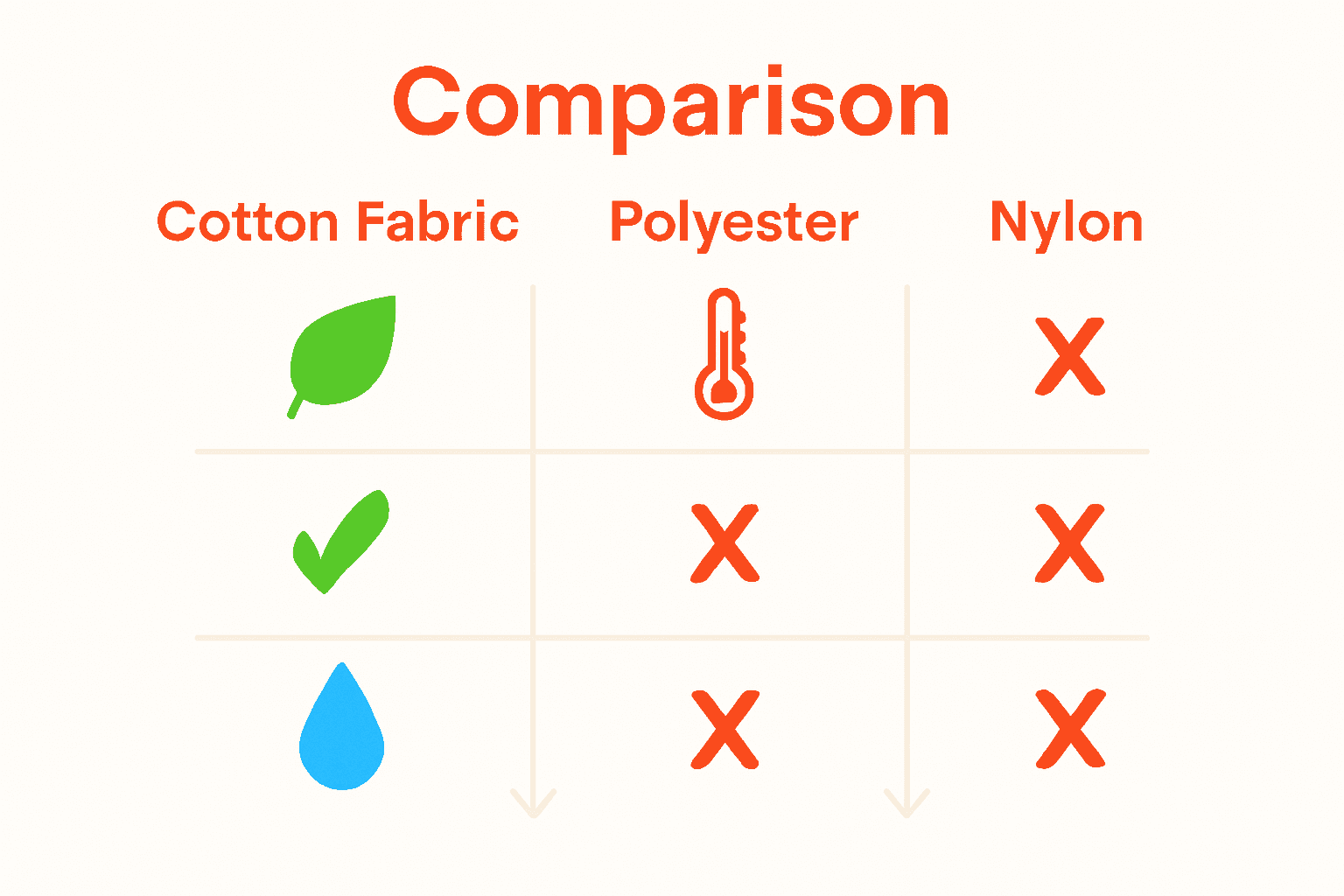
athm provides crucial insights into the fundamental differences between cotton and synthetic fabrics, highlighting the natural fiber’s distinctive characteristics. While synthetic materials like polyester and nylon are manufactured from artificial compounds, cotton emerges as a breathable, comfortable, and environmentally friendly alternative that offers unique advantages across various applications.
Performance characteristics reveal significant distinctions between cotton and alternative fabrics. cotton.org emphasizes cotton’s unparalleled versatility, demonstrating how its natural properties set it apart from manufactured materials. Unlike synthetic fibers that often trap heat and moisture, cotton provides superior temperature regulation and moisture management.
Key comparative fabric characteristics include:
Beyond immediate tactile experiences, the choice between cotton and alternative fabrics involves considering long-term environmental impact, personal comfort, and specific project requirements. While synthetic materials offer certain performance benefits like wrinkle resistance and durability, cotton remains a premier choice for those prioritizing natural comfort, sustainability, and versatile functionality.
athm highlights cotton’s inherent sustainability as a natural, biodegradable fiber that offers environmentally conscious consumers a responsible textile choice. Unlike synthetic materials that persist in landfills, cotton breaks down naturally, reducing long-term environmental impact and supporting ecological preservation efforts.
Fabric care plays a critical role in extending cotton’s lifecycle and maintaining its sustainability. cotton.org recommends implementing gentle washing practices that preserve fabric integrity while minimizing environmental footprint. Cold water washing, air drying, and avoiding harsh chemical treatments can significantly enhance the longevity and performance of cotton textiles.
Key sustainability and care recommendations include:
Sustainable cotton usage extends beyond individual care practices. Consumers and manufacturers can further support environmental responsibility by choosing organic cotton, supporting fair trade practices, and investing in production methods that minimize water consumption and chemical treatment. By making informed choices, we can transform cotton from a simple fabric into a tool for positive environmental stewardship.
Choosing the right cotton fabric can feel overwhelming with so many varieties and qualities to consider. You want a material that is soft, breathable, durable, and sustainable, just like described in The Essential Guide to Why Use Cotton Fabric. Whether you seek premium Egyptian cotton for luxurious bedding or sturdy Upland cotton for everyday wear, finding the fabric that fits your needs is key to creating comfortable, lasting textiles.
Explore a wide selection of cotton fabrics and more at Fabric-Fabric. Our extensive range helps you tap into cotton’s many benefits including temperature regulation, hypoallergenic comfort, and eco-friendliness. Don’t wait to upgrade your apparel, home decor, or craft projects with quality fabrics that bring your ideas to life. Visit https://fabric-fabric.com today and enjoy seasonal promotions and free shipping offers that make shopping easy and affordable.
Cotton fabric is made from the soft fibers that surround the seeds of the cotton plant, which is native to tropical and subtropical regions. The fibers are harvested, cleaned, spun into threads, and woven or knitted into fabric.
Cotton fabric offers numerous benefits, including breathability, natural moisture-wicking properties, hypoallergenic qualities, durability, and being biodegradable. It provides exceptional comfort and is versatile for various applications.
Cotton is a natural fabric that is breathable, moisture-absorbent, and environmentally friendly, while synthetic fabrics like polyester and nylon are manufactured and less breathable. Cotton offers superior temperature regulation and comfort compared to many synthetics.
To maintain cotton fabric, wash items in cold water, air dry if possible, use eco-friendly detergents, and avoid harsh chemicals. Repair or repurpose items at the end of their lifecycle to promote sustainability.