

 US Dollar

Fabric Purchasing Checklist 2026: Avoid 45% of Delays
Posted by BLG on 2026 Mar 1st
Posted by BLG on 2026 Mar 1st


Buying fabric should excite you, not drain your wallet and patience. Yet countless crafters face project delays and waste because they skip key steps during fabric selection. This comprehensive fabric purchasing checklist will guide you through every decision, reducing errors by up to 30% and transforming how you approach your next home decor or craft project.
| Point | Details |
|---|---|
| Checklist prevents delays | Following a structured fabric checklist reduces the 45% of project delays caused by purchasing mistakes. |
| Extra yardage saves projects | Adding 10 to 20% extra fabric prevents costly shortages from shrinkage, errors, or pattern matching needs. |
| Quality assessment matters | Evaluating thread count, colorfastness, and texture ensures your fabric performs well and lasts longer. |
| Budget planning cuts surprises | Calculating total costs including shipping and treatments helps you make smarter purchasing decisions. |
| Better outcomes guaranteed | Using this systematic approach improves project appearance, durability, and overall satisfaction with your finished work. |
Fabric selection feels overwhelming when you stand in a store or scroll through endless online options. You need structure to match fabric properties with your specific project requirements. Without a clear step by step fabric buying guide, you risk choosing materials that disappoint.
Many crafters lack systematic guidance for evaluating fabrics. This gap leads to mismatched weights, inadequate yardage, or poor durability choices that derail projects. Nearly half of all home decor project delays stem from fabric buying mistakes according to industry research. These errors waste both time and money.
A structured checklist transforms this chaotic process into a confident journey. You evaluate each critical factor systematically, from fiber content to yardage calculations. The result? Fewer returns, less waste, and projects that match your vision.
Consider these common challenges a checklist solves:
Understanding fabric basics prepares you for informed decisions at every purchase point. You learn which properties matter most for your specific application, whether upholstery, quilting, or garment construction. This foundation turns confusion into clarity.
Successful fabric shopping begins before you browse the first swatch. Gather essential tools and information to streamline your selection process. You avoid guesswork when you prepare thoroughly.
Start with accurate measuring tools. A quality tape measure or ruler helps you capture project dimensions precisely. Digital tools work too, but verify their accuracy against known measurements first.
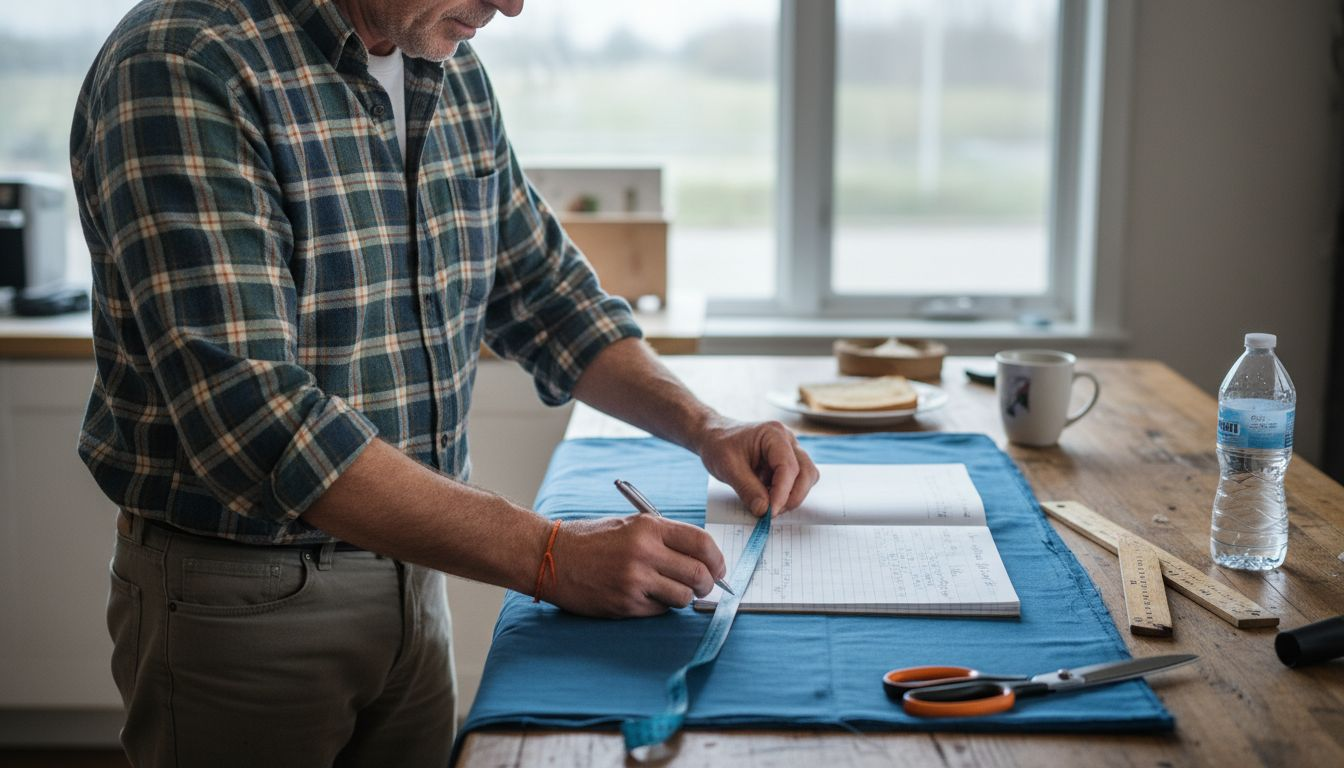
Know your project inside out. What are you making? Where will it live? How much wear will it endure? These questions guide every subsequent decision. A throw pillow demands different properties than curtains or upholstery.
Research basic fabric terminology before shopping. Understanding fiber types, weave patterns, and weight categories helps you communicate clearly with suppliers. You can reference a comprehensive fabric buying guide to build this vocabulary quickly.
Study care requirements for different fabric types. Some materials need dry cleaning, while others tolerate machine washing. Knowing maintenance demands upfront prevents buyer’s remorse. Check the fabric care guide for detailed instructions on maintaining various textiles.
Pro Tip: Create a project folder with photos, measurements, and inspiration images before shopping. This reference keeps you focused and prevents impulse purchases that don’t serve your actual needs.
Prepare these essentials:
Reading fabric labels becomes second nature with practice. Look for fiber content percentages, care symbols, and country of origin. These details reveal quality levels and help predict performance.
Fabric weight directly impacts how your project looks and performs. Understanding weight categories helps you eliminate unsuitable options immediately. Most fabrics range from 2 to 16 ounces per square yard, with each range serving specific purposes.
Lightweight fabrics (2 to 4 oz) work beautifully for garments, linings, and delicate crafts. They drape softly but lack structure for heavy use items. Medium weights (5 to 8 oz) serve most home decor and quilting projects reliably. Heavy fabrics (9 oz and up) provide durability for upholstery and outdoor applications.
Fiber content shapes every aspect of fabric behavior. Natural fibers like cotton and linen breathe well and feel comfortable against skin. They wash easily but may wrinkle or shrink. Synthetic fibers such as polyester resist wrinkles and hold color brilliantly, though they can feel less breathable.
Thread count indicates density and often correlates with quality. Higher thread counts typically mean tighter weaves and greater durability. However, thread count alone doesn’t guarantee quality. Fiber type and finishing treatments matter equally. Explore the fabric selection guide for deeper insights into matching fabric properties with project needs.
Texture and finish affect both appearance and maintenance. Smooth finishes show dirt more readily but clean easily. Textured weaves hide wear better but may trap dust. Consider where your finished project will live when evaluating these trade offs.
Pro Tip: Request fabric samples before committing to large yardage purchases. Seeing and touching material in your actual lighting conditions reveals qualities photos cannot capture.
Match these fabric weights to common projects:
Compare textile quality indicators across multiple suppliers to ensure you get the best value for your investment. Quality varies significantly even within the same weight category.
Underbuying fabric ranks among the costliest mistakes crafters make. Running short mid project forces compromises or delays while you reorder. Measuring accurately and adding appropriate allowances prevents this frustration.
Start by measuring your project dimensions carefully. For rectangular items, measure length and width at the longest points. For shaped projects, sketch the pattern pieces and measure each component. Record everything in the same units (inches or centimeters) to avoid conversion errors.
Add 10 to 20% extra fabric to your base calculations. This allowance covers seam allowances, cutting errors, and potential shrinkage during pre washing. Patterned fabrics need even more extra yardage for matching repeats across seams. The fabric yardage measurement guide provides detailed formulas for various project types.
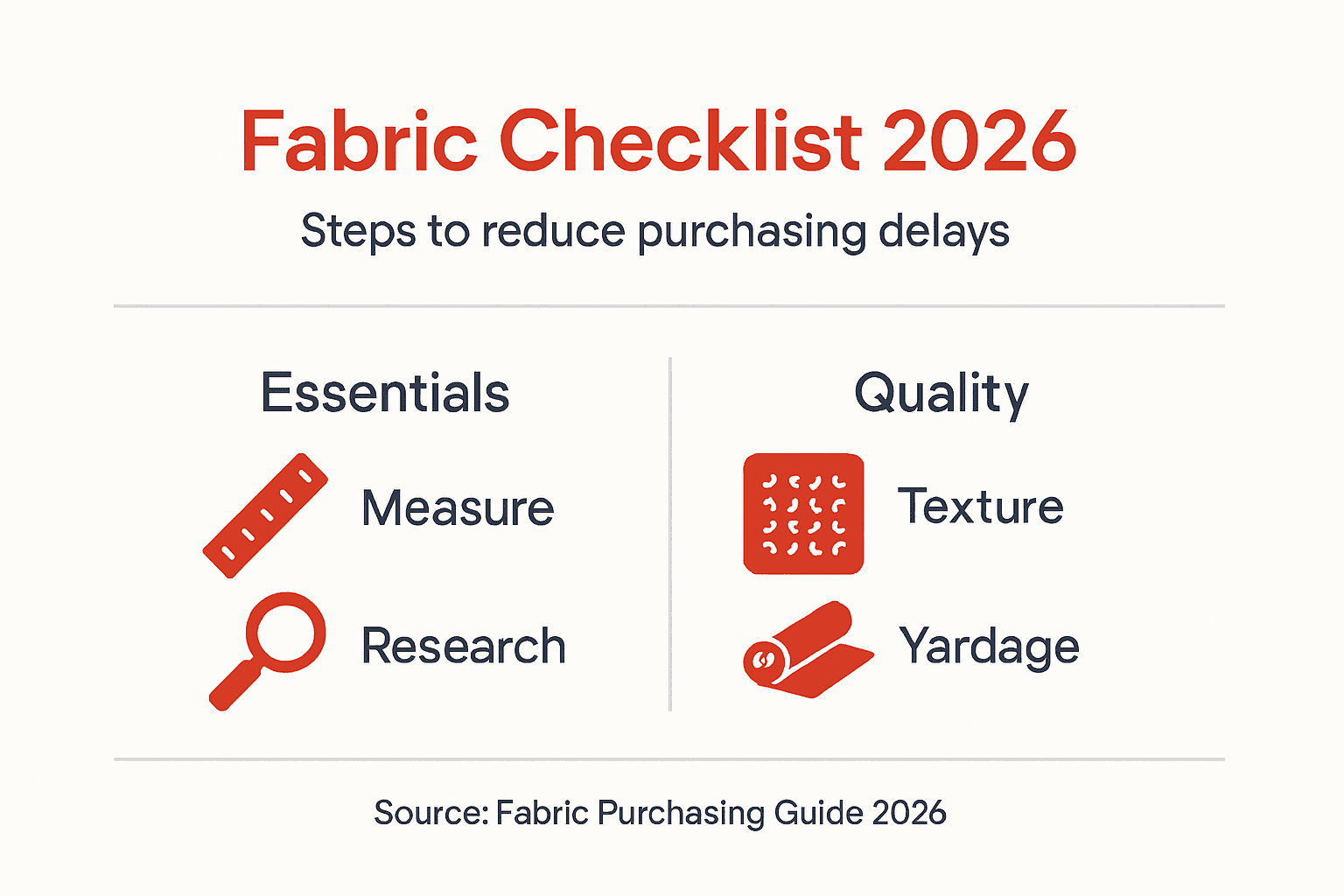
Pattern repeats require special attention. Measure the distance between pattern repetitions both vertically and horizontally. You need additional fabric to align motifs attractively across seams. Large repeats can increase yardage requirements by 25% or more.
Follow this calculation process:
| Project Type | Base Measurement | Pattern Repeat Add | Safety Buffer | Total Yardage |
|---|---|---|---|---|
| Simple pillow | 1.5 yards | None | 0.3 yards | 1.75 yards |
| Patterned curtains | 4 yards | 1 yard | 0.8 yards | 5.75 yards |
| Quilt backing | 6 yards | None | 1.2 yards | 7.25 yards |
Consult the fabric cost estimation guide to budget accurately once you determine total yardage needs. Knowing costs upfront helps you make informed decisions about fabric quality versus quantity trade offs.
Quality fabric elevates your finished project from acceptable to exceptional. Learning to spot quality markers protects your investment and ensures lasting results. You can assess quality through visual inspection and simple tests.
Thread count provides a quick quality indicator, especially for woven fabrics. Count threads per square inch in both directions. Higher counts generally indicate tighter, more durable weaves. However, artificially inflated thread counts exist, so verify with other quality checks.
Colorfastness determines whether your fabric will fade or bleed during washing. Test by dampening a small corner and rubbing it against white paper. Color transfer signals poor dye quality. This simple test can save you from ruined projects and stained items.
Inspect the weave or knit structure carefully. Look for consistent spacing, even tension, and absence of slubs or thin spots. Hold fabric up to light to reveal irregularities. Quality fabric shows uniform thickness throughout.
Feel the fabric between your fingers. Quality materials feel substantial without being stiff. They should have pleasant hand feel appropriate to their intended use. Scratchy or overly limp fabrics rarely perform well long term. The fabric quality identification guide explains additional testing methods.
Pro Tip: Perform a simple stretch test by pulling fabric gently in multiple directions. Quality fabric returns to its original shape quickly without puckering or permanent distortion.
| Quality Indicator | What to Check | Quality Sign | Warning Sign |
|---|---|---|---|
| Thread count | Threads per inch | 200+ for quality cotton | Below 180 suggests lower quality |
| Colorfastness | Rub test results | No color transfer | Color bleeds onto white paper |
| Weave consistency | Visual inspection | Even, tight weave | Visible gaps or irregularities |
| Hand feel | Touch and drape | Appropriate weight and texture | Stiff, scratchy, or excessively limp |
Texture evaluation extends beyond touch. Consider how texture affects cleaning and wear patterns. Smooth fabrics show stains more readily but clean more easily. Textured weaves hide minor soiling but may trap particles deeper.
Compare textile quality across suppliers to understand market standards. What one seller calls premium might be another’s standard grade. Building comparison skills helps you spot true value.
Smart budgeting transforms fabric shopping from stressful to strategic. Understanding total project costs helps you allocate resources wisely and avoid unpleasant surprises at checkout. Look beyond the per yard price to see the complete picture.
Calculate your total fabric cost by multiplying price per yard times your required yardage. Add shipping fees, which can significantly impact total cost, especially for smaller orders. Many retailers offer free shipping thresholds, so buying slightly more to qualify can save money overall.
Pre treatment costs deserve consideration. Some fabrics need washing or special preparation before use. Others require interfacing or stabilizers for proper performance. Factor these materials into your budget from the start.
Buying in bundles or larger quantities often reduces per yard costs. If you have multiple projects planned, combining orders saves both money and shipping fees. However, only buy what you can realistically use to avoid waste.
Look for strategic purchasing opportunities:
Compare prices across multiple suppliers for identical or similar fabrics. Online shopping makes this comparison easier than ever. However, account for quality differences that might justify price variations. The fabric pricing negotiation guide offers strategies for getting better deals.
Plan your budget to match project priorities. Invest more in fabrics for high visibility or heavy use items. You can economize on hidden components like linings or backing fabrics. This strategic allocation maximizes impact while controlling costs.
Learning from others’ errors saves you time, money, and frustration. 45% of project delays are linked to common fabric buying mistakes such as underestimating fabric length and ignoring care labels. Recognizing these pitfalls helps you sidestep them entirely.
Underestimating fabric quantity creates the most common problem. You reach the final assembly stage only to discover you lack enough material to complete your project. Reordering means delays, mismatched dye lots, or settling for substitutes. Always buy extra.
Ignoring care requirements leads to premature fabric failure. That beautiful cotton shrinks dramatically in hot water. The delicate silk deteriorates in the dryer. Read care labels thoroughly before purchasing, especially if maintenance convenience matters for your lifestyle.
Failing to verify return policies traps you with unsuitable fabric. Sellers vary widely in their return acceptance. Some allow returns only for defects, while others accept changes of mind within specific timeframes. Know your options before committing.
Neglecting to test fabric drape and texture causes disappointment in finished projects. Fabric that looks perfect on the bolt may hang awkwardly or feel unpleasant in use. Request samples whenever possible, especially for expensive or large quantity purchases.
Pro Tip: Create a pre purchase checklist covering all critical factors. Review it before every fabric order to catch potential issues early when solutions cost less.
Avoid these frequent mistakes:
“The bitterness of poor quality remains long after the sweetness of low price is forgotten.”
This wisdom applies perfectly to fabric purchasing. Saving a few dollars on inferior material rarely proves worthwhile when your project fails to meet expectations or wears out quickly.
Understanding what success looks like helps you evaluate your purchases objectively. Well chosen fabric transforms your vision into reality. It performs as expected, looks beautiful, and lasts appropriately for its intended use.
Ideal fabric matches your project requirements precisely. Weight provides proper structure or drape. Texture feels pleasant and appropriate. Color coordinates perfectly with your design plan. These elements combine to create satisfying results.
Sufficient yardage eliminates compromise. You complete every component as designed without scrambling for alternatives or leaving elements unfinished. That extra 10 to 20% allowance proves its worth repeatedly.
Proper fabric care maintains appearance and extends lifespan. Follow washing instructions carefully, especially for the first few cleanings. Many fabrics benefit from gentle treatment initially, then tolerate normal care routines once stabilized.
If problems arise, address them promptly:
Most reputable sellers work with customers to resolve legitimate problems. Provide clear documentation and communicate professionally. Many issues can be solved through exchanges, refunds, or partial credits.
When fabric simply doesn’t work for your original project, creativity often saves the day. Consider alternative applications where its properties might excel. That too heavy upholstery fabric might make excellent structured bags. Light curtain material could become beautiful scarves.
Reassess your approach if problems recur across multiple purchases. Perhaps your measurement technique needs refinement or your quality evaluation skills require development. Learning improves with practice and attention to outcomes.
You now possess the knowledge to select fabric confidently for any project. Put this checklist into practice by exploring quality options designed specifically for crafters and home decor enthusiasts. Our carefully curated selection takes the guesswork out of fabric shopping.

Discover backdrop fabrics perfect for creating stunning visual displays and photo backgrounds. Browse home decor fabrics in weights and textures suited for every room transformation. The ultimate home decor fabric guide connects specific fabric types with popular project categories.
Our selection includes quality materials at multiple price points, helping you balance budget with durability needs. Detailed product descriptions provide the thread count, fiber content, and care information you need to make informed choices. Customer reviews offer real world insights into how fabrics perform in finished projects.
Pro Tip: Mix fabric types strategically within a single project for visual interest and functional benefits. Pair a bold patterned fabric with complementary solids to create balanced, professional looking results.
Add 10 to 20% extra fabric to cover seam allowances, cutting errors, and potential shrinkage. Patterned fabrics requiring pattern matching need even more, sometimes 25% additional yardage. This buffer prevents costly shortages and project delays.
A flexible cloth tape measure works best for most fabric projects, capturing curves and dimensions easily. Keep a rigid ruler or yardstick handy for measuring flat surfaces and cutting straight lines. Digital measuring apps can supplement physical tools but verify their accuracy first.
Upholstery requires heavier weight fabrics (typically 9 oz per square yard or more) with tight weaves for durability. Crafting fabrics can be lighter (2 to 8 oz) with more varied textures. Check the fabric specifications for recommended uses and test durability by rubbing fabric vigorously between your hands.
Verify washing temperature limits, drying instructions, and whether dry cleaning is required or recommended. Check for special warnings about bleach, ironing, or color bleeding. Consider whether the required maintenance fits your lifestyle before committing to purchase.
Return policies vary significantly between sellers, with some accepting returns only for defects while others allow returns within specific timeframes. Always review the seller’s return policy before purchasing, especially for large or expensive orders. Keep fabric in original condition with tags attached until you confirm it meets your needs.
Request swatches or samples to evaluate texture, color accuracy, and quality in person. Perform simple tests like rubbing damp fabric against white paper to check colorfastness and stretching fabric to assess recovery. Order a quarter yard initially for important projects before committing to full yardage requirements.