

 Canadian Dollars

Essential Fabric Selection Guide for Designers and Decorators
Posted by BLG on 2025 Sep 8th
Posted by BLG on 2025 Sep 8th


Choosing the right fabric can make or break any design project. Fabrics may seem similar at first glance, but a single misstep can lead to faded colors, stubborn stains, or materials that fall apart way too soon. Shockingly, a fabric’s quality varies so much that its durability can differ by over 50 percent depending on your selection. Discovering what truly separates a long-lasting, visually stunning result from a costly headache starts long before you pick up a swatch.
| Key Point | Explanation |
|---|---|
| 1. Clearly define project requirements | Establish a thorough understanding of the project’s context and specific fabric needs before making selections. |
| 2. Research fabric types thoroughly | Understand the unique characteristics of natural and synthetic fabrics to make informed choices aligned with project needs. |
| 3. Evaluate fabric quality comprehensively | Conduct performance tests and document durability metrics to ensure selected materials meet project standards. |
| 4. Compare prices and availability carefully | Analyze different suppliers to find the best balance between fabric quality and budget constraints; consider long-term costs. |
| 5. Test samples rigorously before selection | Acquire and assess fabric swatches in various conditions to ensure they meet project aesthetic and functional requirements. |
Successful fabric selection begins with crystal clear project requirements. Before diving into material choices, designers and decorators must develop a comprehensive understanding of their specific project needs. This initial step transforms abstract ideas into concrete design parameters that will guide every subsequent fabric decision.
Understanding Project Context
Start by conducting a thorough project assessment that examines multiple critical dimensions. Consider the fabric’s intended environment whether it’s a high traffic living room upholstery, delicate bedroom curtains, or professional clothing design. Each setting demands unique fabric characteristics related to durability, texture, cleaning requirements, and aesthetic appeal.
Evaluate the functional demands of your project carefully. Will the fabric need to withstand frequent washing? Must it resist stains or maintain color integrity under direct sunlight? According to New Mexico State University’s textile guide, understanding the specific use environment is crucial for making appropriate fabric selections.
Key Project Assessment Criteria
Designers should document precise project requirements using a systematic approach. Key criteria to examine include:
By meticulously mapping out these requirements, you create a strategic framework that narrows fabric choices from overwhelming to manageable. Your documented criteria become a decision making compass, preventing impulsive selections that might compromise project quality.
Remember that thorough requirement identification is not about limiting creativity but channeling it effectively. A well defined project scope transforms potential challenges into opportunities for innovative fabric solutions that perfectly match your design vision.
After establishing project requirements, designers must dive deep into understanding fabric types and their unique characteristics. This critical research phase transforms theoretical project needs into practical material selections that will determine the ultimate success of your design.
Natural vs Synthetic Fabric Exploration
Begin by comprehensively examining fabric categories starting with natural fibers like cotton, silk, wool, and linen. Each natural fabric brings distinctive qualities to your project. Cotton offers breathability and softness, silk provides luxurious sheen, wool delivers exceptional warmth, while linen presents remarkable durability and crisp texture.
Synthetic fabrics represent another crucial research domain. Polyester, nylon, acrylic, and spandex offer unique performance characteristics that often surpass natural alternatives. These materials provide enhanced durability, wrinkle resistance, and specialized functionality that can significantly impact your project’s overall performance.
According to the Utah Education Network, understanding fabric properties goes beyond basic material classification. Designers must investigate specific attributes such as:
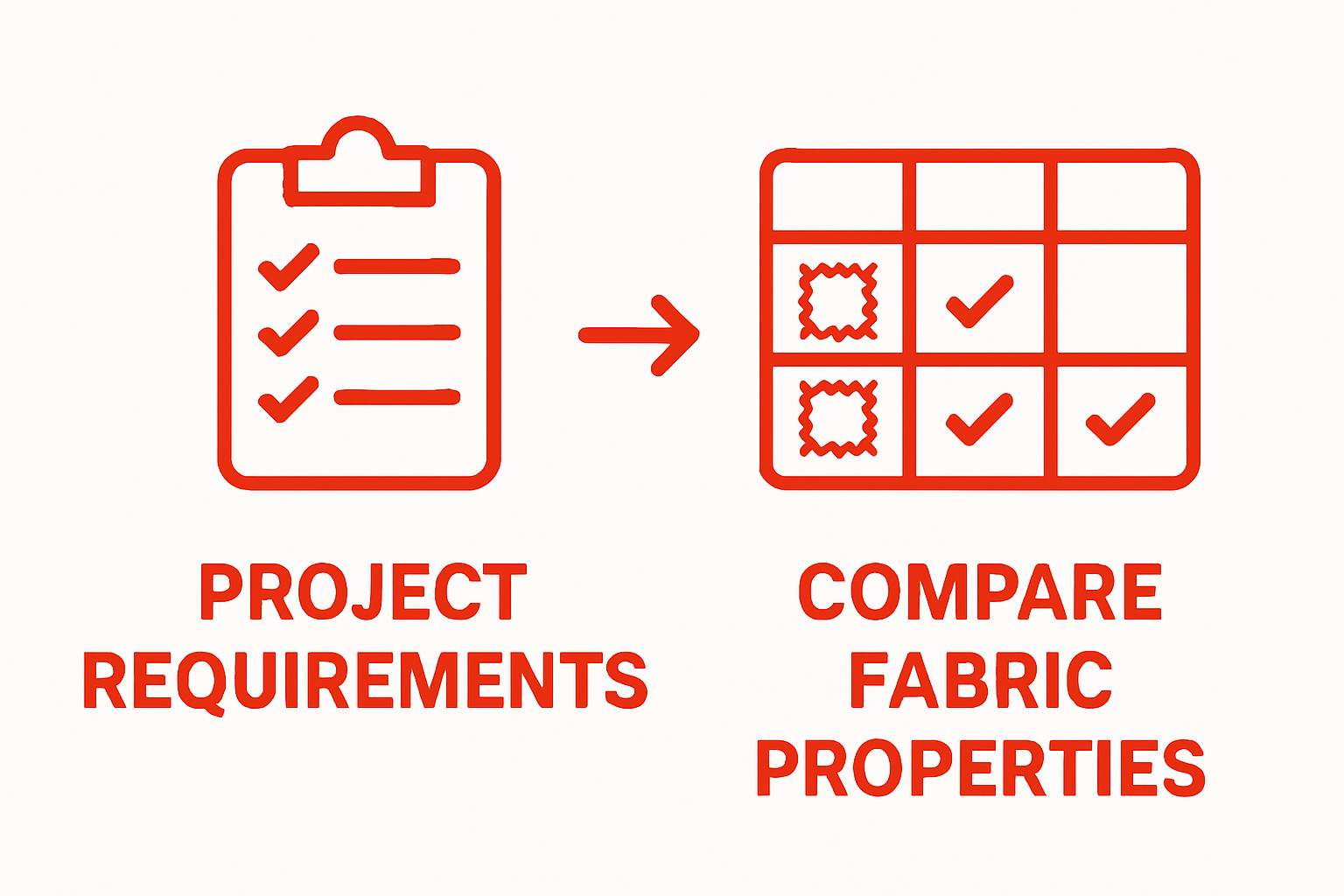
Research becomes most effective when you systematically compare fabric characteristics against your original project requirements. Creating a detailed comparison matrix helps visualize how different materials align with your specific design goals. This approach transforms fabric selection from a subjective choice to a strategic decision grounded in measurable properties.
Professional designers recommend collecting physical fabric swatches during your research phase.
To help you quickly compare popular fabric options, the following table summarizes key natural and synthetic fabric types alongside their primary characteristics and best uses.
| Fabric Type | Key Characteristics | Common Uses |
|---|---|---|
| Cotton | Breathable, soft, easy to dye | Apparel, bedding, upholstery |
| Silk | Luxurious sheen, smooth, delicate | Drapes, evening wear, decor |
| Wool | Warm, durable, insulating | Carpets, suits, blankets |
| Linen | Crisp texture, extremely durable | Tablecloths, summer clothes |
| Polyester | Wrinkle-resistant, durable, colorfast | Outdoor gear, upholstery |
| Nylon | High strength, abrasion resistant | Sportswear, bags, carpets |
| Acrylic | Lightweight, resists fading | Sweaters, upholstery |
| Spandex | High elasticity, stretchable | Athletic wear, dancewear |
Successful fabric research ultimately bridges the gap between your project vision and material reality. By thoroughly investigating fabric types and their nuanced properties, you build a robust foundation for making informed, confident design choices that will elevate your final product.
Fabric quality and durability are the cornerstone of successful design projects. This critical evaluation stage determines whether your selected material will withstand real world conditions and maintain its aesthetic appeal over time. Professional designers approach fabric assessment with a meticulous and systematic methodology.
Performance Testing Strategies
Begin by subjecting potential fabrics to comprehensive performance tests that simulate actual usage conditions. These tests go beyond visual appearance and require hands on interaction. Stretch the fabric gently to assess its elasticity and recovery potential. Rub the material between your fingers to evaluate surface integrity and potential pilling tendencies. Apply light pressure to check fabric density and potential thread looseness.
Color fastness represents another crucial durability factor. Expose fabric swatches to simulated sunlight and conduct wash tests to determine how colors and structural integrity respond to environmental stress. A fabric that fades or deteriorates quickly will compromise your entire design vision.
According to ASTM International, professional quality assessment involves multiple evaluation criteria:
Practical Durability Assessment
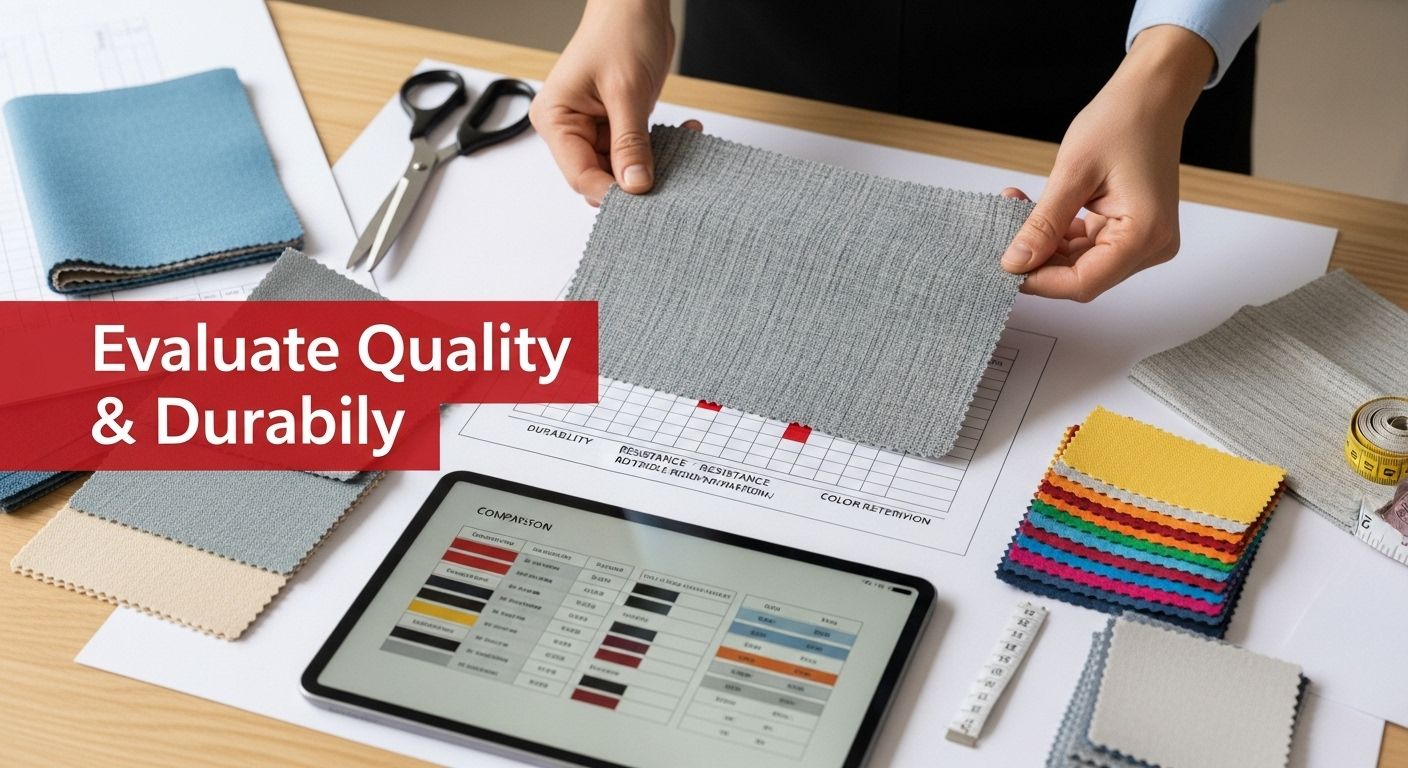
Professional designers recommend creating a structured evaluation framework. Document each fabric’s performance across key metrics using a numerical rating system. This approach transforms subjective observations into quantifiable data that supports informed decision making.
Consider the specific environmental conditions your fabric will encounter. A upholstery fabric for a family living room requires different durability standards compared to a delicate curtain fabric in a low traffic bedroom. Match your assessment criteria precisely to the project’s anticipated usage patterns.
Remember that fabric durability is not just about withstanding physical stress but maintaining aesthetic quality. A truly exceptional fabric performs beautifully while retaining its original color, texture, and structural integrity through years of use. Your meticulous evaluation ensures that the selected material will not just meet but exceed your design expectations.
Fabric selection reaches a critical juncture when designers must balance creative vision with financial realities. Comparing price points and availability transforms theoretical design plans into practical, executable projects that respect budgetary constraints while maintaining high quality standards.
Strategic Budgeting Approaches
Initiate your price comparison by establishing a clear budget range that aligns with your project requirements. Professional designers recommend allocating funds not just based on material cost, but considering the entire lifecycle of the fabric. A slightly more expensive fabric might prove more economical if it demonstrates superior durability and requires less frequent replacement.
Spread your research across multiple suppliers to gain comprehensive pricing insights. Online marketplaces, specialty textile stores, and wholesale fabric distributors often present dramatically different pricing structures. Create a comprehensive spreadsheet tracking fabric specifications, pricing per yard, minimum order quantities, and potential bulk discounting opportunities.
According to the Advanced Textiles Association, understanding fabric composition dramatically impacts pricing considerations:
Availability and Procurement Strategies
Availability represents an equally crucial factor in fabric selection. Investigate potential supply chain limitations by requesting sample swatches and confirming lead times. Some specialized fabrics might require extended production windows or have minimum order requirements that could disrupt project timelines.
Professional designers recommend developing relationships with multiple fabric suppliers. This approach provides flexibility during unexpected stock shortages or pricing fluctuations. Request detailed information about fabric production cycles, potential seasonal variations, and anticipated restocking timelines.
Ultimately, successful price point and availability comparison requires a holistic approach. Balance your creative vision with practical financial constraints, understanding that the most expensive fabric is not always the best solution. Your goal is finding the optimal intersection between quality, performance, and budget that transforms design concepts into remarkable finished products.
The moment of fabric selection culminates in a critical evaluation phase where theoretical research transforms into practical assessment. Testing fabric samples represents the final gateway between conceptual design and actual implementation, offering designers a tangible opportunity to validate their material choices through comprehensive hands on examination.
Comprehensive Sample Evaluation
Request multiple fabric samples from potential suppliers, ensuring you receive swatches large enough to perform thorough testing. Professional designers recommend obtaining samples that are at least 12 inches square to enable comprehensive evaluation. Examine each sample under different lighting conditions natural daylight, artificial indoor lighting, and indirect ambient light to understand how colors and textures truly appear.
Physical manipulation becomes your primary testing methodology.
Below is a checklist to help guide your fabric sample testing process and ensure that all key performance factors are evaluated before making a final selection.
| Testing Step | What to Check | Why It Matters |
|---|---|---|
| Color consistency | Swatch appearance in various light | Prevents unwanted color surprises |
| Texture and surface quality | Evenness, feel, visual inspection | Influences comfort and aesthetics |
| Drape and movement | How fabric hangs and falls | Affects the final look and fit |
| Wrinkle resistance | Fabric’s ability to recover after crumpling | Indicates ease of maintenance |
| Stretch and recovery | Material elasticity and return | Ensures durability and comfort |
| Stain resistance (simulated stains) | Reaction to coffee, wine, etc. | Essential for upholstery and apparel |
| Wash performance | Shape, color, and integrity after washing | Predicts long-term performance |
According to Ithaca College’s textile testing guidelines, designers should conduct systematic sample tests including:
Simulated Environment Testing
Advanced sample testing involves creating controlled scenarios that simulate anticipated usage conditions. For upholstery fabrics, test stain resistance by carefully applying small drops of common substances like coffee or wine. For clothing fabrics, assess wash performance by subjecting samples to gentle laundering and examining shrinkage, color retention, and structural integrity.
Document your findings meticulously. Create a detailed evaluation sheet for each fabric sample, recording observations about color, texture, durability, and performance under different conditions. Photograph samples to maintain a visual record that supports your selection process.
Remember that fabric sample testing is not about finding a perfect material, but identifying the best possible match for your specific project requirements. Your methodical approach transforms potential risk into calculated design confidence.
Are you struggling to match your unique project requirements to the perfect fabric? Our article has shown how confusing it can be to evaluate material durability, achieve precise color and texture goals, and stay within budget. Whether you are searching for reliable upholstery fabric, durable materials for apparel, or specialty textiles for a standout design, those pain points can slow your creative process and limit your final results.
Discover the difference at fabric-fabric.com. Browse hundreds of fabric options with detailed property information to support your research and selection process. Request fabric samples directly on our product pages to take the guesswork out of your decision and ensure the best quality for your project.
Ready to experience a professional, streamlined approach to fabric sourcing? Visit our main marketplace at fabric-fabric.com and turn thorough planning into design success. Shop now to secure the ideal materials for your next project while top selections are still available.
You should consider the intended environment, functional demands, aesthetic goals, budget constraints, and technical specifications. This assessment will guide your fabric choices effectively.
Natural fabrics like cotton and silk offer breathability and softness, while synthetic fabrics like polyester and nylon provide enhanced durability and wrinkle resistance. Each type serves different project needs depending on the specific characteristics required.
Conduct performance tests like stretch assessment, abrasion resistance, and color fastness. This includes evaluating tensile strength, tear strength, and overall fabric integrity to ensure it meets project demands.
Testing fabric samples allows you to evaluate color consistency, texture, durability, and performance under different conditions, ensuring the selected fabric meets your specific project requirements effectively.