

 US Dollar

Fabric Cost Estimation Process: Step-by-Step Guide for Projects
Posted by BLG on 2025 Dec 10th
Posted by BLG on 2025 Dec 10th


Finding the right way to estimate fabric costs can be a challenge for many American creators, especially when even a small miscalculation can lead to wasted materials or unexpected expenses. Getting every detail right in the early planning stages saves time and money while helping your project run smoothly. With clear steps and reliable strategies, this guide shows how to avoid common pitfalls and build a budget you can trust from the start. A simple planning mistake can cost you up to 20 percent more on materials.
| Key Point | Explanation |
|---|---|
| 1. Document Project Details | Create a comprehensive project blueprint with dimensions, intended use, and specific material characteristics to avoid mistakes. |
| 2. Research Fabric Options | Track fabric sources and pricing in a spreadsheet to inform cost estimation and compare supplier offers effectively. |
| 3. Calculate Fabric Yardage | Measure pattern pieces and account for cutting margins to determine the exact fabric yardage needed for the project. |
| 4. Estimate Additional Costs | Include potential expenses like trims and labor, and factor in material waste for a more accurate budget. |
| 5. Verify Cost Calculations | Cross-reference estimates with actual quotes to ensure financial viability and identify discrepancies promptly. |
Starting a fabric project requires comprehensive planning and precise detail gathering. Understanding your project requirements upfront helps prevent costly mistakes and ensures smooth execution. Preliminary project planning stages are critical for accurate material procurement and establishing a clear roadmap for success.
Begin by creating a detailed project blueprint that encompasses every aspect of your fabric needs. This means documenting specific dimensions, intended use, anticipated fabric quantity, and precise material characteristics. Sketch out your project design, measure required fabric dimensions, and list specific attributes like weight, texture, stretch, and durability. Consider factors such as color preferences, pattern requirements, and potential fabric treatments. Comprehensive project detail gathering supports accurate cost estimation during the preliminary phases.
Pro tip: Always add a 10 to 15 percent buffer to your fabric requirements to account for potential cutting errors, pattern matching, or unexpected design adjustments. This extra material prevents project delays and provides flexibility during the creation process. After completing your detailed requirements, you will be ready to move forward with fabric selection and precise cost estimation.
Researching fabric options and sourcing pricing is a critical phase in your cost estimation process. This step transforms your initial project blueprint into a practical exploration of material possibilities. Comprehensive fabric cost calculations require meticulous research into available fabric options and their corresponding pricing structures.
Start by creating a comprehensive comparison spreadsheet that tracks potential fabric sources, their pricing, minimum order quantities, and specific material characteristics. Investigate multiple suppliers and fabric mills to understand price variations, bulk discounts, and quality differentials. Contact suppliers directly to request fabric samples and detailed pricing information. Accurate garment costing depends on thorough research and careful evaluation of fabric consumption and associated costs.
Pro tip: When sourcing fabric pricing, always request quotes for different quantity ranges. Many suppliers offer significantly reduced pricing at higher volume thresholds, which could dramatically impact your overall project budget. Request written quotes to ensure clarity and compare them systematically. After completing your research, you will have a solid foundation for making informed fabric selection decisions and precise cost estimations.
Calculating total fabric yardage is a precision task that transforms your project design into a measurable material requirement. Accurate fabric consumption estimation involves systematic methodologies for determining the exact yardage needed for woven and knitted fabric projects.
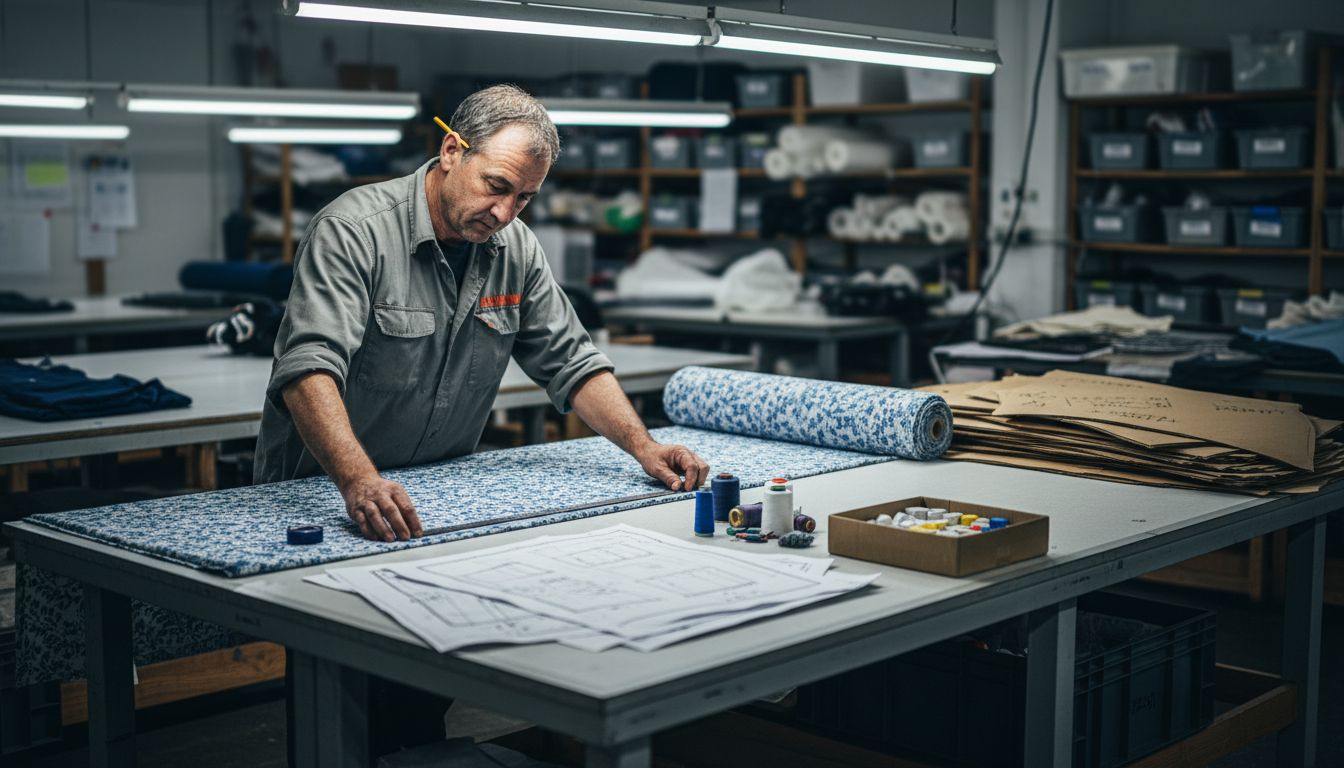
Begin by carefully measuring each pattern piece and creating a detailed layout diagram that accounts for fabric width, pattern direction, and potential fabric shrinkage. Multiply the total area of your pattern pieces by a factor of 1.1 to 1.2 to accommodate cutting margins, pattern matching, and potential errors. Comprehensive garment costing requires precise calculation of fabric consumption to ensure accurate material procurement. Account for pattern complexity by adding extra yardage for intricate designs that require careful fabric placement or matching.
Pro tip: Always round up your fabric yardage to the nearest quarter yard to provide a safe buffer. This approach prevents mid project shortages and gives you flexibility for potential adjustments. Keep in mind that different fabric types and widths will impact your total yardage requirements. After completing these calculations, you will have a solid foundation for purchasing the exact amount of fabric needed for your project.
Accurate fabric cost estimation requires comprehensive consideration of all potential expenses and material waste factors. Estimating additional costs goes beyond simple fabric pricing and involves a detailed accounting of every potential expense associated with your project.
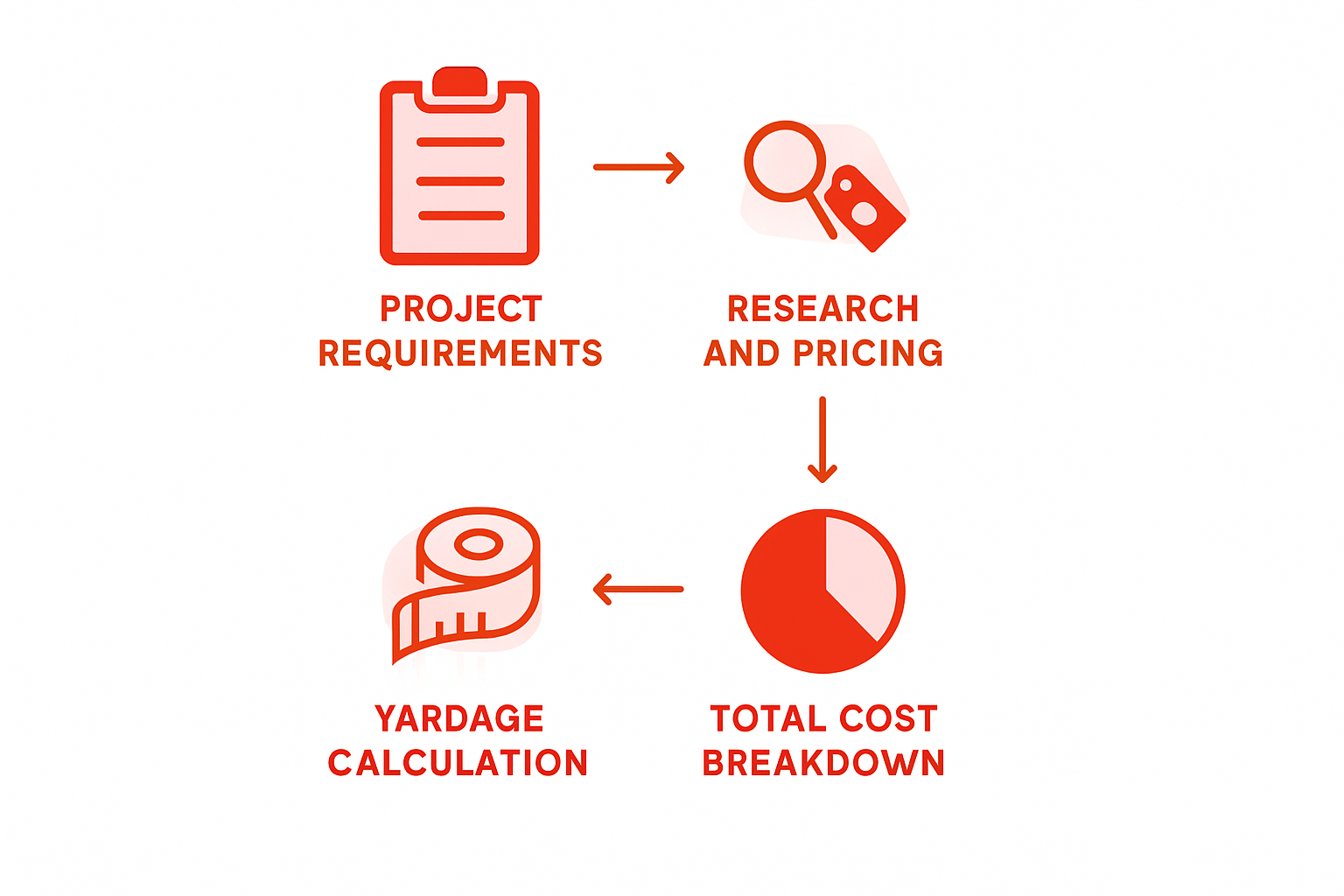
Break down your additional costs into clear categories including trims, thread, interfacing, specialized equipment rental, and potential labor expenses. Calculate waste percentages by examining your specific project complexity and fabric characteristics. Detailed garment costing involves systematically accounting for overhead expenses and material inefficiencies during the production phase. Professional creators typically allocate between 3 to 7 percent of total material costs for waste and unexpected expenses.
Pro tip: Create a contingency budget line that includes a 10 to 15 percent buffer for unexpected costs. This approach provides financial flexibility and prevents project delays caused by budget shortfalls. Regularly review and update your cost estimates as you progress through different project stages. Your meticulous attention to these details will transform your initial concept into a financially sound and professionally executed project.
Rigorous verification of cost calculations is crucial for ensuring the financial viability and potential success of your fabric project. This final validation step transforms your detailed estimations into a clear financial roadmap that reveals potential risks and opportunities.
Create a comprehensive spreadsheet that compares your initial estimates against actual quotes and current market prices. Cross reference each line item systematically identifying any discrepancies or unexpected variations. Analyzing the differences between estimated and actual costs provides critical insights for improving future project planning and budgeting strategies. Pay special attention to areas where actual expenses deviate more than 10 percent from your original projections.
Pro tip: Implement a color coding system in your verification spreadsheet red for overbudget items, yellow for near threshold expenses, and green for on target costs. This visual approach helps quickly identify potential financial pressure points. Consistent and thorough cost verification transforms your project from a theoretical concept into a financially sound and professionally executed plan.
Navigating the detailed steps of fabric cost estimation can feel overwhelming when you face challenges like accurate yardage calculation and managing unexpected costs. Whether you struggle with precise fabric yardage needs or balancing your budget against quality, understanding these critical stages can ease your project journey. Terms like “fabric yardage,” “cost buffer,” and “pattern matching” are vital to mastering the estimation process explained in the guide.
Discover how Fabric-Fabric simplifies your project planning by offering a vast selection of fabrics with transparent pricing and detailed descriptions. Take advantage of our user-friendly platform to explore fabric types like satin, lace, or velvet tailored for apparel or home decor projects. Start your journey now to ensure you procure the perfect material within your budget and avoid costly last-minute surprises. Visit Fabric-Fabric to browse options and get started on your project with confidence today.
To begin the fabric cost estimation process, gather comprehensive project details, including dimensions, intended use, and specific fabric characteristics. Create a detailed project blueprint to ensure accurate material procurement and avoid costly mistakes.
Research fabric options by creating a comparison spreadsheet that tracks potential fabric sources, pricing, and material characteristics. Reach out to multiple suppliers to request samples and quotes to understand price variations and find the best fit for your project needs.
To calculate total fabric yardage, measure each pattern piece and create a layout diagram that considers fabric width and pattern direction. Add a buffer of 10 to 20% to ensure you have enough material for cutting margins and potential errors.
When estimating additional costs, include expenses for trims, thread, interfacing, equipment rentals, and labor. It’s essential to account for at least 3 to 7% of total material costs to cover waste and unexpected expenses.
Verify your cost calculations by creating a spreadsheet that compares your estimates against actual quotes and market prices. Look for discrepancies, especially in areas where actual costs exceed your original projections by more than 10%, to identify potential financial risks.
Including a contingency budget allows for unexpected costs that may arise during the project. Aim for a buffer of 10 to 15% to provide financial flexibility, which can help prevent project delays caused by budget shortfalls.