

 Canadian Dollars

Step by Step Fabric Buying Guide for Every Project
Posted by BLG on 2025 Dec 9th
Posted by BLG on 2025 Dec 9th

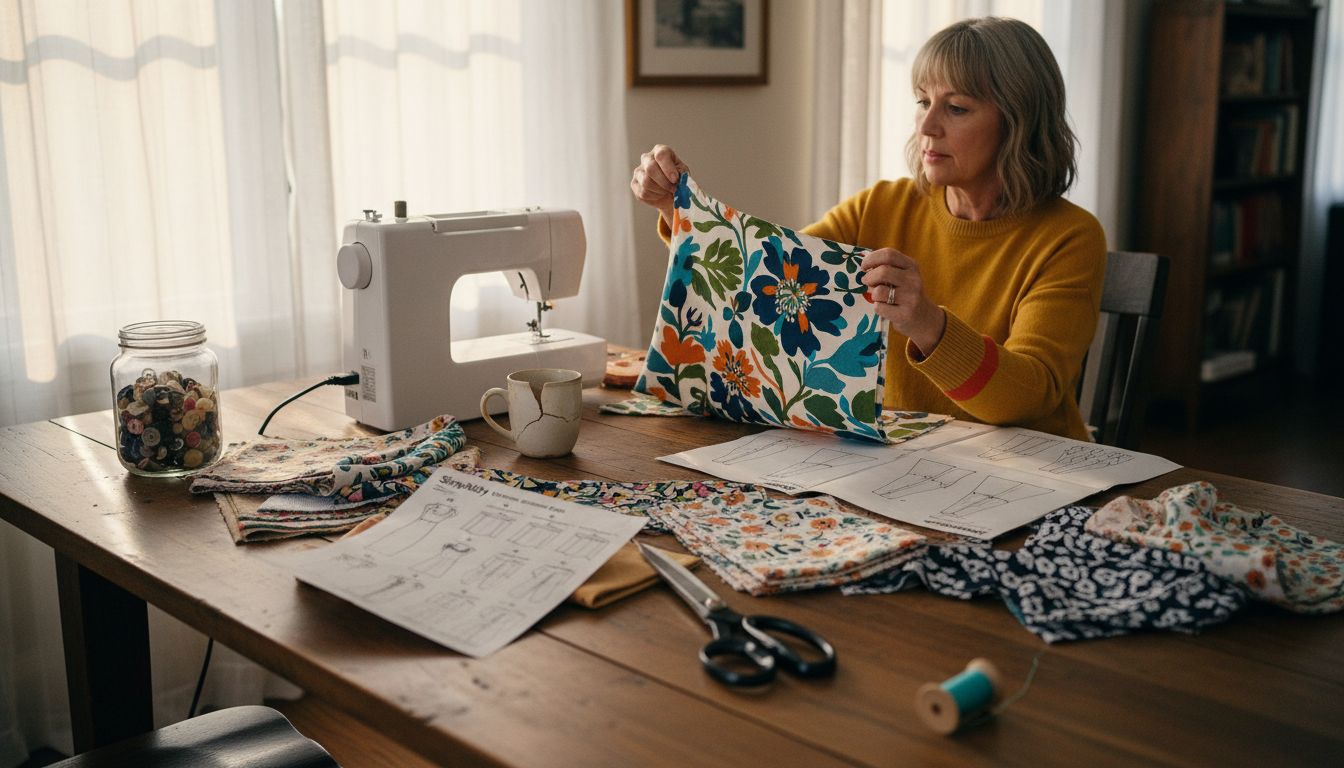
Over 60 percent of American DIY enthusiasts admit that choosing the right fabric is the most confusing part of any sewing project. With endless options lining the shelves, even seasoned crafters can feel uncertain about where to start. Whether you are tackling your first blouse or designing custom cushions, discovering how to assess fabric based on your project needs will save time, money, and frustration and help your vision come alive.
| Key Point | Explanation |
|---|---|
| 1. Assess Project Requirements First | Understand the purpose, usage, and characteristics needed for your fabric to ensure suitable selection. |
| 2. Choose Fabric Based on Project Type | Select fabric weight and type based on its intended use, considering natural vs. synthetic materials for optimal performance. |
| 3. Verify Color and Pattern Compatibility | Test potential fabric combinations in natural light to ensure color accuracy and harmonious design before making final decisions. |
| 4. Measure Carefully for Accurate Yardage | Precisely measure your project’s needs and account for extra fabric to avoid costly mistakes during construction. |
| 5. Check Fabric Quality Before Purchase | Inspect the fabric for weight, drape, and durability, and perform a wash test to ensure it meets your project demands. |
Before diving into fabric selection, understanding your specific project requirements is crucial. Whether you are creating a delicate blouse, sturdy upholstery, or a cozy quilt, your fabric choice will make or break the final result. Clothing construction experts recommend selecting materials appropriate for your skill level, especially for beginners.
Start by answering key questions about your project: What is the primary purpose of the item you are making? How will it be used? What performance characteristics do you need from the fabric? For instance, if you are crafting outdoor cushions, you will want a durable, water-resistant material. For a summer dress, lightweight and breathable fabrics work best. Consider factors like stretch, weight, texture, and care requirements. Beginners should start with stable, tightly woven fabrics like cotton or cotton polyester blends that are more forgiving during the construction process.
Pro tip: Always purchase a small fabric sample or swatch first. This lets you test the material texture, drape, and washing characteristics before committing to yards of fabric. Your future project will thank you for this careful preliminary research.
Choosing the perfect fabric type is like finding the right dance partner for your project. Each material has its own personality, strengths, and quirks. Understanding the properties of natural and synthetic fibers will help you make an informed decision that brings your creative vision to life.
Start by considering the project’s specific requirements. Fabric weight plays a crucial role in determining the final outcome. Lightweight fabrics work brilliantly for delicate garments, while heavier materials provide structure for more tailored pieces. Natural fibers like cotton, wool, silk, and linen offer breathability and comfort, whereas synthetic materials provide durability and easy maintenance. Think about factors such as drape, stretch, texture, and care requirements. Will your project need to withstand frequent washing? Will it be exposed to sunlight or stress?
Pro tip: Always purchase a small fabric sample before committing to your entire project. Feeling the material, testing its stretch, and observing how it handles washing can save you from potential disappointment later. Your fabric choice can make or break your final creation, so take your time and trust your instincts.
Mastering color and pattern selection is an art form that can transform your fabric project from ordinary to extraordinary. Experts recommend mixing colors, patterns, and textures strategically to enhance design impact, turning your creative vision into a stunning reality.
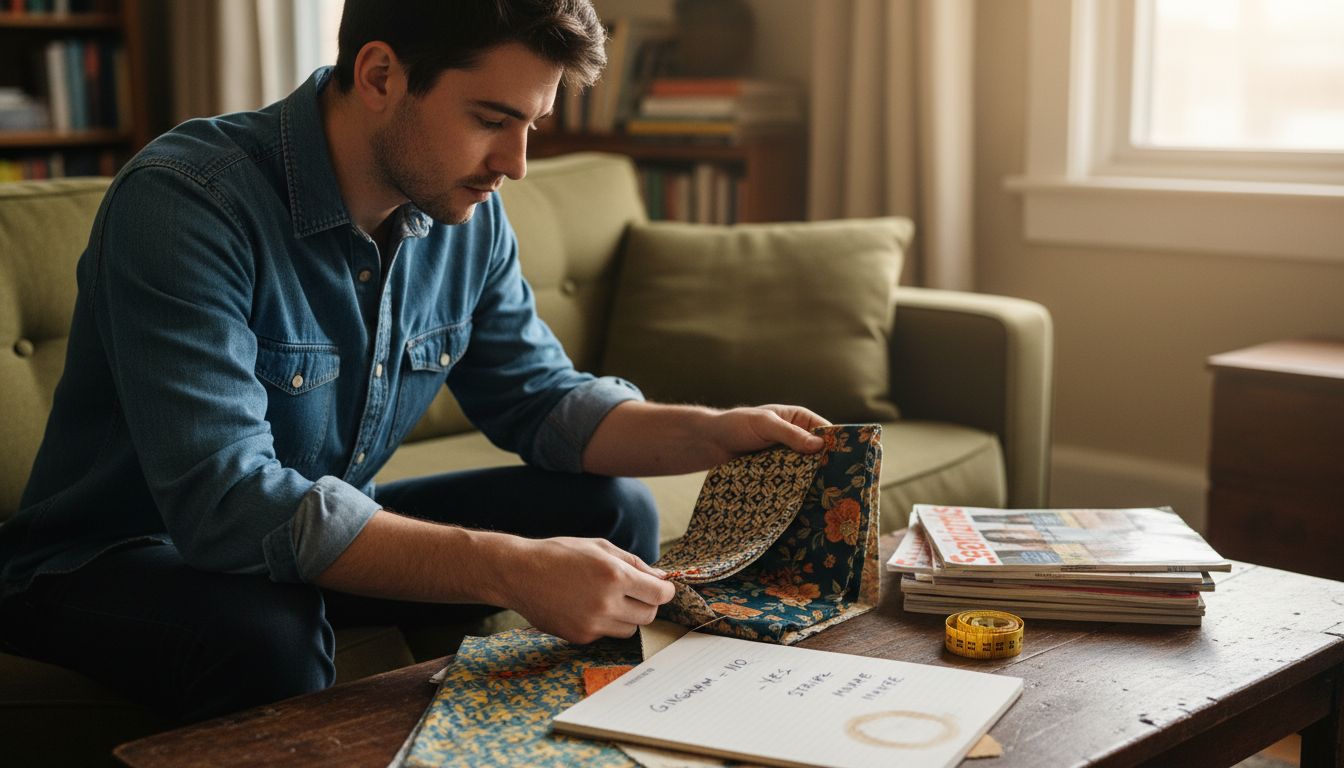
When comparing fabric options, create visual mock-ups by placing potential fabrics together. Assess colors carefully by examining them in natural light to ensure true color representation, as store lighting can dramatically alter how colors appear. Consider how patterns interact with each other respect pattern scale and complexity. Small prints might get lost next to bold designs, while complementary patterns can create visual interest. Hold fabric swatches against each other and against your skin to understand how colors and textures work together.
Pro tip: Take fabric samples home if possible. Natural lighting and your specific environment will reveal nuances that store displays cannot. Photographing potential fabric combinations can also help you compare and contrast options with a more objective eye. Trust your instincts, but also be willing to experiment.
Calculating the right amount of fabric is crucial to avoiding costly mistakes and ensuring your project comes together smoothly. When selecting materials, prioritize quality and match your choice to your skill level, understanding that precision matters more than volume.
Standard fabric widths typically range from 45 to 60 inches, which directly impacts how much material you will need to purchase. Start by measuring your project requirements precisely. Create a detailed sketch or use a pattern that lists exact yardage needs. Add an extra 10 to 15 percent to your measurements for potential mistakes, pattern matching, or future adjustments. Consider fabric shrinkage potential particular with natural fibers that might contract after washing. Calculate your total cost by multiplying the price per yard by the total yardage required, and always factor in potential additional expenses like thread, zippers, or other notions.
Pro tip: Take your project sketch or pattern with you when shopping. Having exact measurements prevents overbuying and helps you make informed financial decisions. Most fabric stores have staff who can help you calculate precise requirements if you feel uncertain about your measurements.
Understanding the nuanced properties of fabric goes far beyond simply falling in love with a beautiful material. Quality verification is about ensuring your chosen fabric will perform exactly as your project demands.
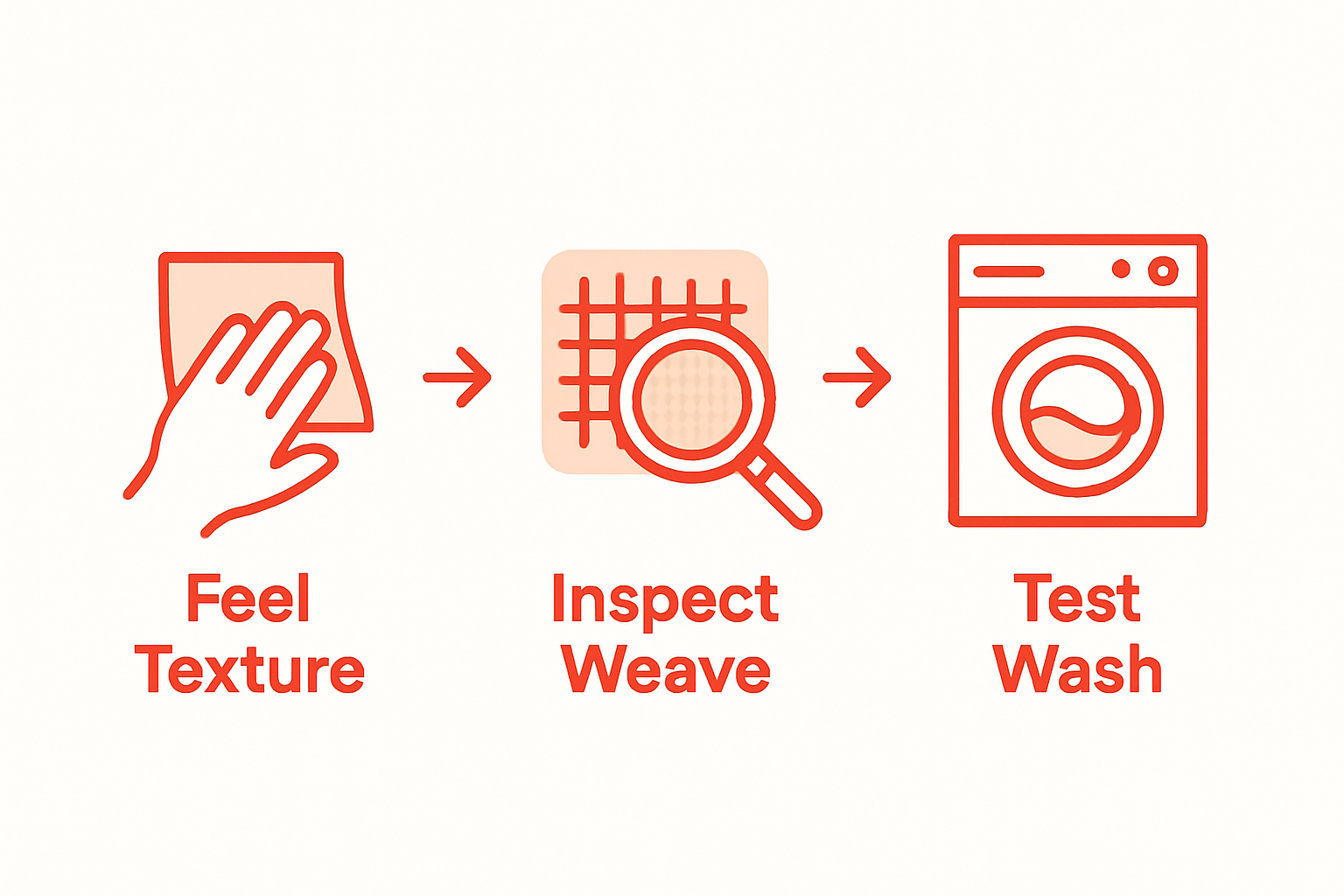
Fabric weight and drape play critical roles in determining durability and comfort, so inspect each potential fabric carefully. Test the fabric by gently stretching it in multiple directions to assess its stability and recovery. Check the weave integrity by holding it up to light look for consistent density and no obvious thin spots or imperfections. Feel the texture and assess its softness, stiffness, and potential for wrinkling. Rub the fabric between your fingers to test its strength and examine how it responds to tension.
Pro tip: Always purchase a small swatch first. Bring this sample home and test it under real world conditions perform a mini wash test, expose it to sunlight, and see how it behaves in your specific environment. A few dollars spent on a sample can save you hundreds in potential project failures.
When finalizing your fabric selection, ensure the material aligns perfectly with your project’s specific requirements. Your fabric choice is the foundation of your entire creative endeavor.
Understanding the purpose of your project will guide your final purchasing decisions, transforming your vision into reality. Double check your measurements, confirm yardage requirements, and consider purchasing a small extra buffer for potential mistakes or future adjustments. Verify the fabric care instructions and ensure they match your project needs and personal maintenance capabilities. Ask the store staff about potential shrinkage, recommended washing methods, and any special handling requirements. If purchasing online, carefully review the detailed product description, check return policies, and examine fabric swatches or color samples before committing to a full purchase.
Pro tip: Always keep your receipt and fabric labels. These become invaluable references for future projects, helping you remember exact fabric specifications, care instructions, and potential future matching or replacement needs.
Choosing the right fabric can feel overwhelming with so many options to consider, from texture and durability to color and price. The article’s detailed steps highlight common challenges like matching fabric type to project needs, verifying quality, and accurately measuring yardage. These pain points can leave even experienced crafters hesitant to commit. At Fabric-Fabric, we understand these concerns and provide a streamlined shopping experience designed to take the guesswork out of fabric selection.
Explore our extensive collection featuring clear descriptions on a variety of fabric types including seersucker, lace, satin, and velvet. Use our easy search tools and detailed product guides to compare materials, test swatches, and confidently calculate yardage for every project size. Act now to access exclusive seasonal discounts and free shipping offers designed to make your fabric buying journey smooth and enjoyable. Start transforming your creative ideas into stunning realities today at Fabric-Fabric. Your ideal fabric is just a few clicks away.
To assess your project needs, determine the primary purpose of the item you are making and how it will be used. Begin by considering factors such as required performance characteristics, fabric weight, and texture. Write down your specific requirements before moving on to fabric selection.
Choosing the right fabric type involves understanding the properties of both natural and synthetic fibers. Start by evaluating the project’s specific requirements, such as weight, drape, and care needs, to make an informed decision. For example, choose lightweight fabrics for delicate garments and heavier materials for structured pieces.
To compare colors and patterns effectively, create visual mock-ups by placing fabric options together in natural light. Examine how different colors interact and respect pattern scale and complexity. Take fabric samples home to see how they look in your specific environment before finalizing your choice.
To purchase the correct amount of fabric, measure your project’s requirements precisely and create a detailed sketch or use a pattern listing the exact yardage needed. Always add an extra 10 to 15 percent for mistakes or adjustments, especially if using natural fibers that may shrink after washing.
Verify fabric quality by inspecting it for weight, drape, and integrity. Test the fabric by stretching it in different directions and looking for any imperfections. Purchase a small swatch first to evaluate its performance in your home environment under real-world conditions, like washing tests or exposure to sunlight.
Before finalizing your fabric purchase, double-check your measurements and ensure your yardage requirements meet your project needs. Verify fabric care instructions and consider purchasing a small extra buffer for adjustments. Keep your receipt and fabric labels for future reference, as they can provide essential information for upcoming projects.