

 Canadian Dollars

Ultimate Home Decor Fabric Guide for Stylish Spaces
Posted by BLG on 2025 Sep 19th
Posted by BLG on 2025 Sep 19th


Selecting home decor fabric seems like a matter of color and comfort. Yet fabric failure is the top reason homeowners regret their furniture upgrades, with over 40 percent admitting to costly mistakes. What surprises most people is that success depends less on looks and more on smart testing and careful prep before you ever bring fabric home.
| Key Point | Explanation |
|---|---|
| 1. Assess Your Decor Style First | Evaluate your current decor to align fabric choices with your personal style and functional needs effectively. |
| 2. Explore Fabric Types Carefully | Understand the unique qualities of different fabrics to enhance durability and aesthetics based on specific room usage. |
| 3. Strategically Select Colors and Patterns | Choose colors and patterns based on their psychological impact and spatial interaction for creating desired atmospheres. |
| 4. Measure Accurately for Requirements | Perform precise measurements to ensure appropriate fabric amounts are purchased, preventing waste and costly errors. |
| 5. Test Fabric Samples Thoroughly | Conduct durability and quality tests on fabric samples to guarantee they meet both aesthetic appeal and practical demands. |
Selecting the perfect home decor fabric starts with a thorough understanding of your personal style and specific functional requirements. This initial assessment determines not just aesthetic appeal but also practical usability, ensuring your fabric choices seamlessly integrate with your living spaces.
Begin by conducting a comprehensive visual inventory of your existing interior design. Walk through each room and observe the predominant color schemes, furniture styles, and overall mood. Are your spaces modern and minimalist with clean lines and neutral tones? Or do you lean towards a more eclectic, vibrant environment with rich textures and bold patterns? Understanding your current design language helps create a cohesive fabric selection strategy.
Personal lifestyle considerations are equally crucial in fabric selection. Households with children or pets require different fabric durability standards compared to spaces occupied by adults or used less frequently. Consider factors like fabric resistance to stains, ease of cleaning, and wear tolerance. According to New Mexico State University’s home furnishing guide, evaluating intended use, potential users, and maintenance requirements are fundamental in choosing appropriate textiles.
Next, create a detailed mood board or digital inspiration collection showcasing fabric swatches, color palettes, and design elements that resonate with your vision. This visual reference serves as a roadmap for your fabric selection journey. Collect samples from various sources like interior design magazines, online platforms, and local fabric stores. Pay attention to how different textures interact with light, how patterns complement existing furniture, and which color combinations create the desired emotional atmosphere in your space.
Successful fabric assessment means aligning aesthetic preferences with practical constraints. Your chosen fabrics should not only reflect your personal style but also withstand the specific demands of each room, ensuring both beauty and functionality in your home decor project.
Understanding the vast world of fabric types and materials is crucial for making informed home decor choices. Each fabric brings unique characteristics that impact durability, appearance, maintenance, and overall aesthetic appeal. Your selection will dramatically influence how your living spaces look, feel, and function.
Begin by examining natural fabrics, which offer timeless elegance and distinct qualities. Cotton provides breathability and softness, making it ideal for lightweight curtains and casual upholstery. Linen delivers a sophisticated, textured appearance perfect for creating relaxed yet refined spaces. These natural fibers breathe well and absorb moisture, though they may wrinkle more easily and require more careful maintenance.
Synthetic and blended materials introduce remarkable technological advancements in home decor fabrics. Polyester and microfiber offer exceptional durability, resistance to wrinkles, and easy cleaning properties. These materials work wonderfully in high-traffic areas or households with children and pets. Blended fabrics combine the best attributes of natural and synthetic materials, creating textiles that maintain aesthetic appeal while providing practical performance.
According to Ohio State University’s home furnishing fabric guide, understanding each material’s inherent properties helps homeowners make strategic selections. Consider factors like sunlight exposure, potential fabric wear, cleaning requirements, and overall room functionality when exploring different fabric types.
Texture plays a significant role in fabric selection beyond mere material composition. Smooth, sleek fabrics create a modern, minimalist environment, while textured materials like velvet or bouclé introduce depth and visual intrigue. Touch fabric samples, observe how they interact with light, and imagine how they complement your existing furniture and decor elements.
Your exploration should involve collecting physical fabric swatches, examining their weight, checking color consistency under different lighting conditions, and testing their durability.
The following table summarizes commonly used home decor fabric types, highlighting their characteristics and best use cases to help you compare options at a glance.
| Fabric Type | Key Features | Best Uses |
|---|---|---|
| Cotton | Breathable, soft, natural, easy to clean | Casual upholstery, lightweight curtains |
| Linen | Sophisticated look, textured, breathable, wrinkles easily | Relaxed draperies, formal spaces |
| Polyester | Durable, wrinkle-resistant, easy to maintain | High-traffic rooms, furniture with kids or pets |
| Microfiber | Very durable, stain-resistant, low maintenance | Upholstery, family/living rooms |
| Velvet | Plush texture, rich appearance | Statement furniture, decorative pillows |
| Bouclé | Textured, visually interesting, cozy feel | Accent chairs, throw blankets |
| Blends | Combines strengths of several fibers | Versatile for most decor needs |
Color and pattern selection represents the artistic heart of home decor fabric selection, transforming spaces from ordinary to extraordinary. This critical step requires a nuanced approach that balances visual aesthetics with emotional resonance and practical considerations.
Start by understanding the psychological impact of color. Warm tones like reds, oranges, and yellows create energetic, inviting spaces, while cool tones such as blues, greens, and purples generate calm and serene environments. Neutral colors provide versatile backdrops that allow accent pieces and patterns to shine. Consider how different color intensities and combinations can dramatically alter a room’s perceived size, temperature, and emotional atmosphere.
Pattern selection demands equally thoughtful consideration. Large, bold patterns can make spacious rooms feel more intimate, while smaller, more delicate patterns work wonderfully in compact areas. Mixing patterns requires a strategic approach. Aim for visual harmony by selecting designs with complementary scales and color palettes. For instance, pair a large floral print with smaller geometric or striped patterns to create visual interest without overwhelming the space.
According to Cornell University’s research on interior design color psychology, color choices profoundly influence spatial perception and emotional experience. This scientific insight underscores the importance of intentional color and pattern selection beyond mere aesthetic preferences.
Create a color story that flows cohesively throughout your living spaces. This doesn’t mean every room must match exactly, but rather maintain a subtle, connecting thread. Utilize color wheels and digital design tools to experiment with different combinations, understanding how various hues interact and complement each other. Consider the existing furniture, wall colors, and natural lighting when making your selections.
Verify your choices by creating physical mood boards or digital mockups. Collect fabric swatches, arrange them together, and observe how they interact under different lighting conditions. Step back and assess the overall composition, ensuring your color and pattern selections create the desired emotional and visual impact in your home decor project.
Accurate fabric measurement is the critical bridge between design vision and practical implementation. This step transforms your creative ideas into tangible, executable home decor plans by ensuring you purchase precisely the right amount of fabric, avoiding costly mistakes and unnecessary waste.
Begin by gathering essential measuring tools: a metal tape measure, sharp pencil, notepad, and calculator. For upholstery projects, measure furniture width, height, and depth, adding an extra 10-15% for pattern matching, seam allowances, and potential mistakes. When measuring curtains or draperies, calculate from the intended hanging point, accounting for desired fullness and hem allowances. Professional tip: always measure twice to confirm accuracy.
Understand fabric width variations, which typically range from 45 to 60 inches. This impacts your total yardage requirements. Calculate total area needed by multiplying length by width, then factor in pattern repeat sizes. Geometric and large-scale patterns demand more fabric for proper alignment, while smaller prints offer more flexibility.
According to Ohio University’s Industrial Arts Student Handbook, specifying fabric characteristics like weight, content, and color is fundamental to successful project planning. This means not just measuring dimensions, but understanding how different fabric types behave and stretch.
Create a detailed measurement worksheet for each project. Document specific requirements like:
Include a 10-15% buffer in your calculations to accommodate potential cutting errors, pattern matching, or unexpected adjustments. This strategic approach prevents mid-project fabric shortages and ensures a smoother execution of your home decor vision.
Verify your measurements by creating a preliminary paper or muslin mock-up. This test run allows you to confirm dimensions, check pattern placement, and identify any potential measurement discrepancies before cutting your final fabric. Precise measurement is the foundation of professional-looking home decor projects.
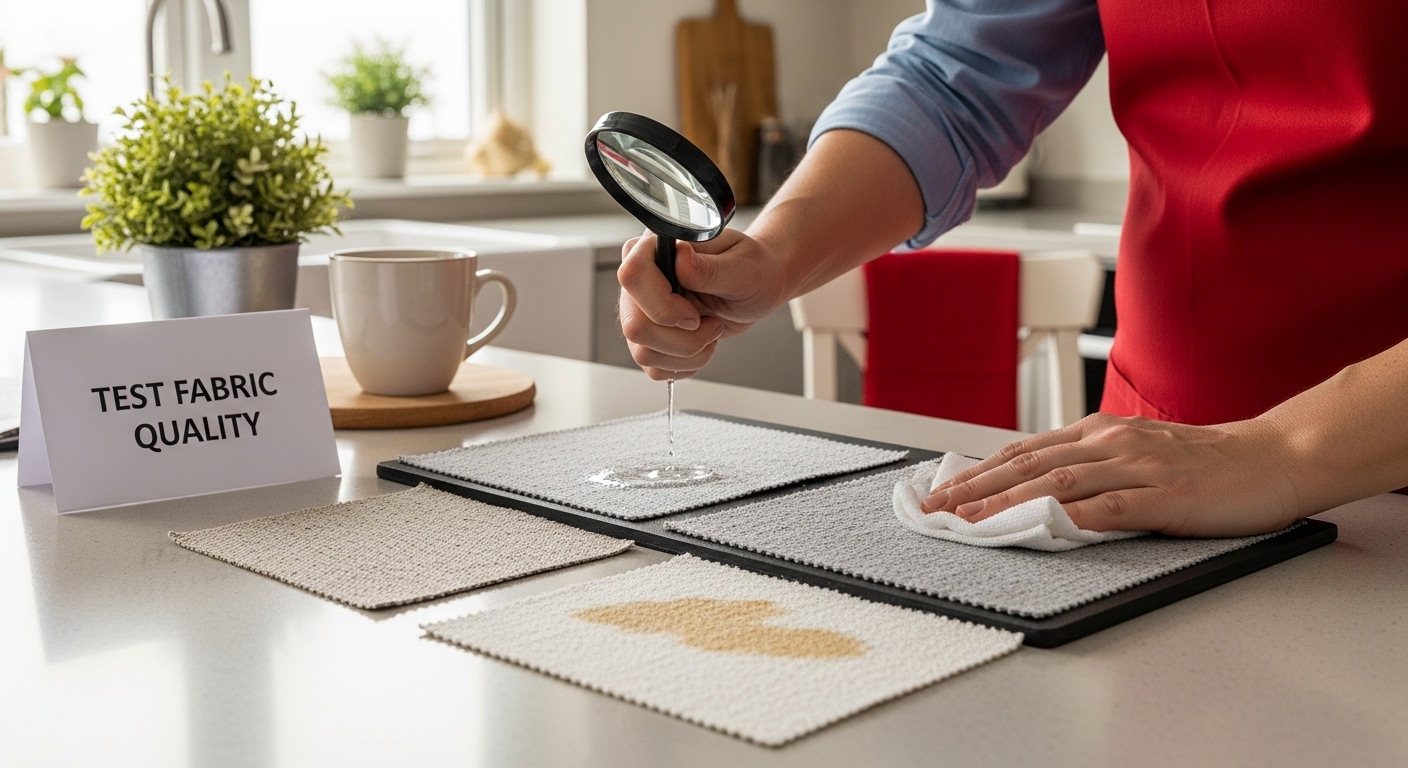
Testing fabric samples is a crucial checkpoint that separates exceptional home decor projects from mediocre ones. This step involves a comprehensive evaluation of fabric characteristics to ensure your selected textiles meet both aesthetic and functional requirements.
Physical durability testing forms the foundation of fabric assessment. Perform hands-on tests by stretching, pulling, and manipulating fabric samples to evaluate their strength and resilience. Check for potential weaknesses like thin spots, irregular weaving, or areas prone to easy tearing. Simulate real-world conditions by applying gentle stress to the fabric, observing how it responds to tension and potential wear.
Color and light fastness represent another critical evaluation parameter. Expose fabric samples to direct sunlight for short periods, observing any color fading or degradation. Conduct a simple water and stain resistance test by applying small drops of water or common household substances like coffee or wine, then monitoring how the fabric responds. Note how quickly liquids are absorbed and whether they leave permanent marks.
According to the Code of Federal Regulations’ fabric testing guidelines, systematic sampling and rigorous testing are essential for ensuring fabric quality. This approach goes beyond visual inspection, providing scientific validation of fabric performance.
Your testing toolkit should include:
Consider environmental factors specific to the fabric’s intended location. Fabrics near windows require different durability standards compared to those in low-traffic areas. Test for UV resistance, color stability, and potential shrinkage under various conditions. Pay special attention to how fabrics interact with sunlight, humidity, and potential temperature fluctuations.
Verify your fabric’s suitability by creating a comprehensive assessment checklist.
Use this table as a checklist for testing home decor fabric samples, ensuring all important quality and suitability factors are evaluated before making a final purchase decision.
| Test Area | What to Check | How to Test |
|---|---|---|
| Durability | Strength, weave integrity | Stretch, pull, and stress fabric sample |
| Color Fastness | Resistance to fading | Expose to sunlight |
| Stain Resistance | How fabric responds to spills | Drop water, coffee, or wine and observe absorption |
| Cleaning Reaction | Ease of cleaning, fiber reactivity | Apply mild solution, dab with white cloth |
| Texture/Feel | Surface comfort and tactile impressions | Touch sample, observe response to light |
| Shrinkage | Potential size changes when cleaned | If possible, dampen small area and check for shrinkage |
| UV Resistance | How fabric withstands sun exposure | Place near window or under artificial UV for short term |
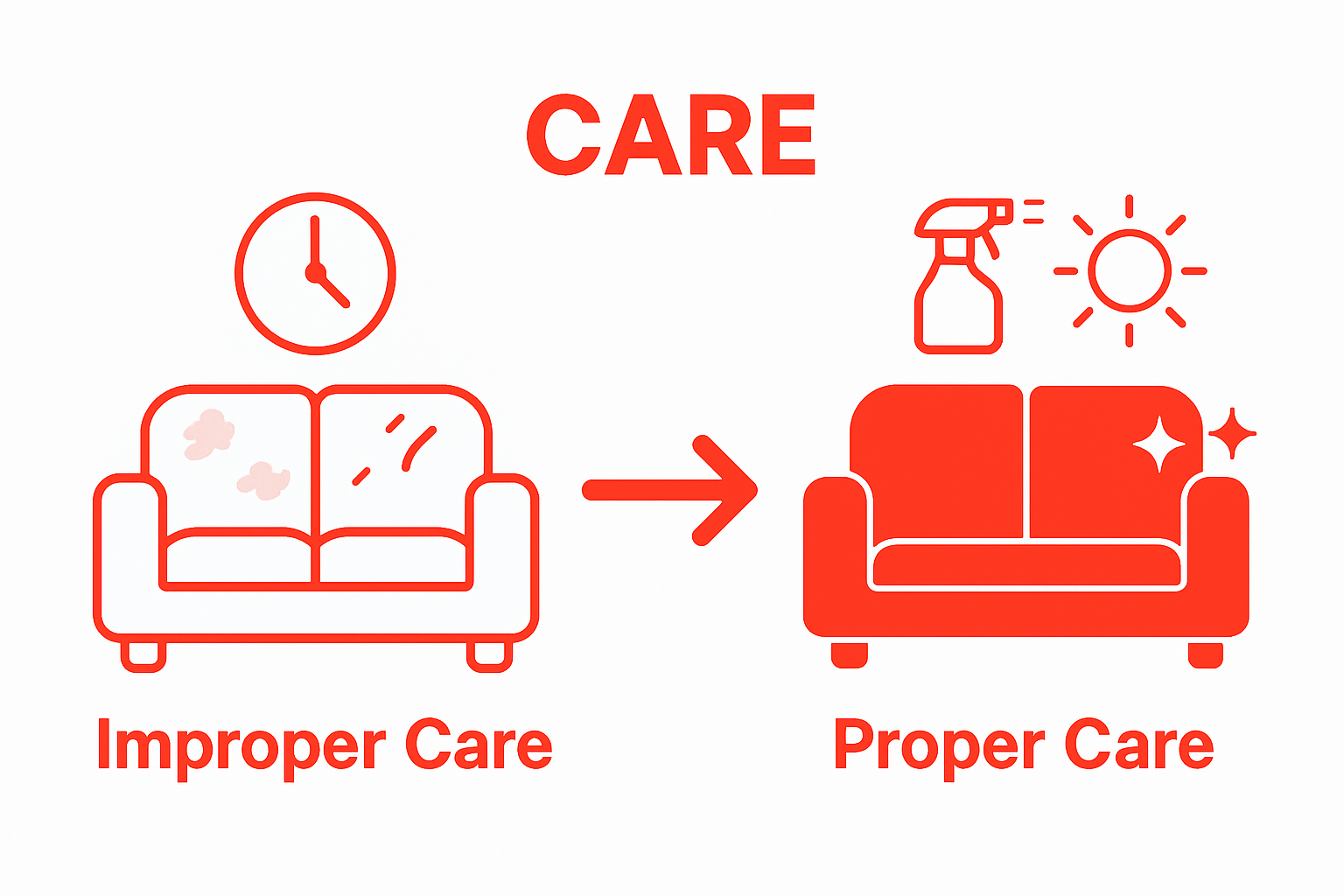
Proper fabric care transforms your home decor investment from a temporary design element into a lasting, beautiful feature. This final step ensures your carefully selected fabrics maintain their appearance, color, and structural integrity for years to come.
Fabric cleaning approaches vary dramatically depending on material composition. Natural fibers like cotton and linen often require gentler treatment compared to synthetic materials. Create a dedicated care guide for each fabric type in your project, noting specific washing temperatures, recommended cleaning solutions, and potential risks like color bleeding or shrinkage. Consider laminating or digitally storing these instructions for easy future reference.
Establish a regular maintenance routine that prevents fabric degradation. Routine vacuuming with upholstery attachments helps remove dust and prevent particle buildup that can damage fabric fibers over time. For delicate fabrics, use soft brush attachments and gentle suction to avoid causing unnecessary wear. Rotate cushions and adjust curtains periodically to ensure even exposure and minimize localized fading or stress.
According to The George Washington University Museum’s textile conservation guidelines, environmental control plays a crucial role in fabric preservation. Maintain consistent room temperatures, minimize direct sunlight exposure, and control humidity levels to prevent potential fabric deterioration.
Your fabric care toolkit should include:
Professional cleaning becomes essential for complex or expensive fabrics. Identify local professional textile cleaning services specializing in home decor fabrics. Maintain a record of professional cleaning dates and any specific treatments performed. Some intricate fabrics like silk or vintage textiles might require specialized cleaning approaches that go beyond standard home maintenance.
Verify your care strategy by creating a comprehensive fabric maintenance chart. Document specific cleaning instructions, recommended frequency of maintenance, and potential warning signs of fabric deterioration. This proactive approach ensures your home decor fabrics remain vibrant, clean, and structurally sound, preserving the aesthetic vision you worked diligently to create.
Struggling to translate your style, measurements and fabric testing insights into a stunning space? Selecting and sourcing the right fabric often feels overwhelming, especially when you need options that balance beauty, durability and precise requirements highlighted in our Ultimate Home Decor Fabric Guide for Stylish Spaces.
Make confident selections with the wide, expertly categorized choices at fabric-fabric.com. Our detailed product descriptions, real use suggestions, and high-quality fabric swatches put the decision power in your hands. Whether you are searching for practical upholstery textiles or statement-making curtains, easily compare natural and synthetic fabrics, review care tips, and test samples with peace of mind. Start transforming your design ideas into reality right now by visiting our full catalog and elevate your home refresh today before seasonal deals are gone.
Selecting home decor fabric involves assessing your personal style, the functional needs of your space, the durability of the fabric, and maintenance requirements. It’s important to choose fabrics that reflect your aesthetic while also standing up to the demands of your household, such as children and pets.
Natural fabrics like cotton and linen provide breathability but may require more care, while synthetic materials like polyester and microfiber offer durability and easy cleaning. Understanding these characteristics helps in selecting fabrics that will last and stay looking fresh in various home environments.
Consider the psychological effects of color and how different patterns can influence room size perception. Mix and match patterns by ensuring visual harmony through complementary scales and color palettes. Create a cohesive color story that flows naturally throughout your spaces, while accounting for existing furniture and lighting.
To measure accurately, gather tools like a tape measure and calculate the dimensions of furniture or windows. Factor in allowances for seams and potential mistakes, as well as the fabric width, which typically ranges from 45 to 60 inches. Always include an extra 10-15% buffer for pattern matching and errors.