

 Canadian Dollars

Complete Guide to Why Choose Viscose Fabric
Posted by BLG on 2025 Nov 10th
Posted by BLG on 2025 Nov 10th

Soft as silk, yet often made from wood pulp, viscose fabric has reshaped what modern textiles can offer. This unique material blends affordability, comfort, and elegance, which explains why the global viscose market is worth over $16 billion annually. Learning about viscose opens new possibilities for anyone interested in fabric choice, fashion, or creative projects by shedding light on its origins, innovations, and practical benefits.
| Point | Details |
|---|---|
| Origin of Viscose | Viscose, a regenerated cellulose fiber, was developed in the late 19th century as a silk alternative, attributed to Hilaire de Chardonnet and later refined by English chemists.’ |
| Types of Viscose | Viscose includes variations like regular viscose, modal, and lyocell, catering to diverse performance and aesthetic needs in textiles. |
| Benefits of Viscose | Known for its softness, breathability, and vibrant color absorption, viscose is ideal for a wide range of clothing and home decor projects. |
| Care Requirements | Due to its delicate nature, viscose requires careful hand washing or dry cleaning and specific storage conditions to maintain its integrity. |
Viscose fabric represents a fascinating textile innovation bridging natural materials and modern manufacturing techniques. Originally developed as an alternative to silk, this semi-synthetic fabric emerged from groundbreaking scientific research in the late 19th century.
According to Wikipedia, viscose - also known as rayon - is a regenerated cellulose fiber derived from natural sources like wood and agricultural products. The term “viscose” itself originates from the viscous organic liquid used during its manufacturing process. The fabric’s journey began with French scientist Hilaire de Chardonnet, who is often credited as the ‘Father of Rayon’ and achieved the first commercial production in 1885.
The pivotal moment in viscose development came in 1892 when English chemists Charles Frederick Cross, Edward John Bevan, and Clayton Beadle patented a revolutionary process for producing artificial silk. Wikipedia notes that they specifically named their invention ‘viscose’ due to the distinctive viscous solution involved in its creation. This breakthrough laid the critical foundation for what would become a transformative textile technology.
Key characteristics that distinguish viscose fabric include:
Through continuous innovation, viscose has evolved from an experimental material to a widely used fabric appreciated by fashion designers, crafters, and textile enthusiasts worldwide. Understanding Silk Fabric provides additional context about how synthetic and semi-synthetic fabrics have transformed textile production in the modern era.
Viscose fabric represents a diverse textile category with multiple variations, each designed to meet specific performance and aesthetic requirements. Understanding these different types helps crafters, designers, and textile enthusiasts make informed fabric selection decisions.
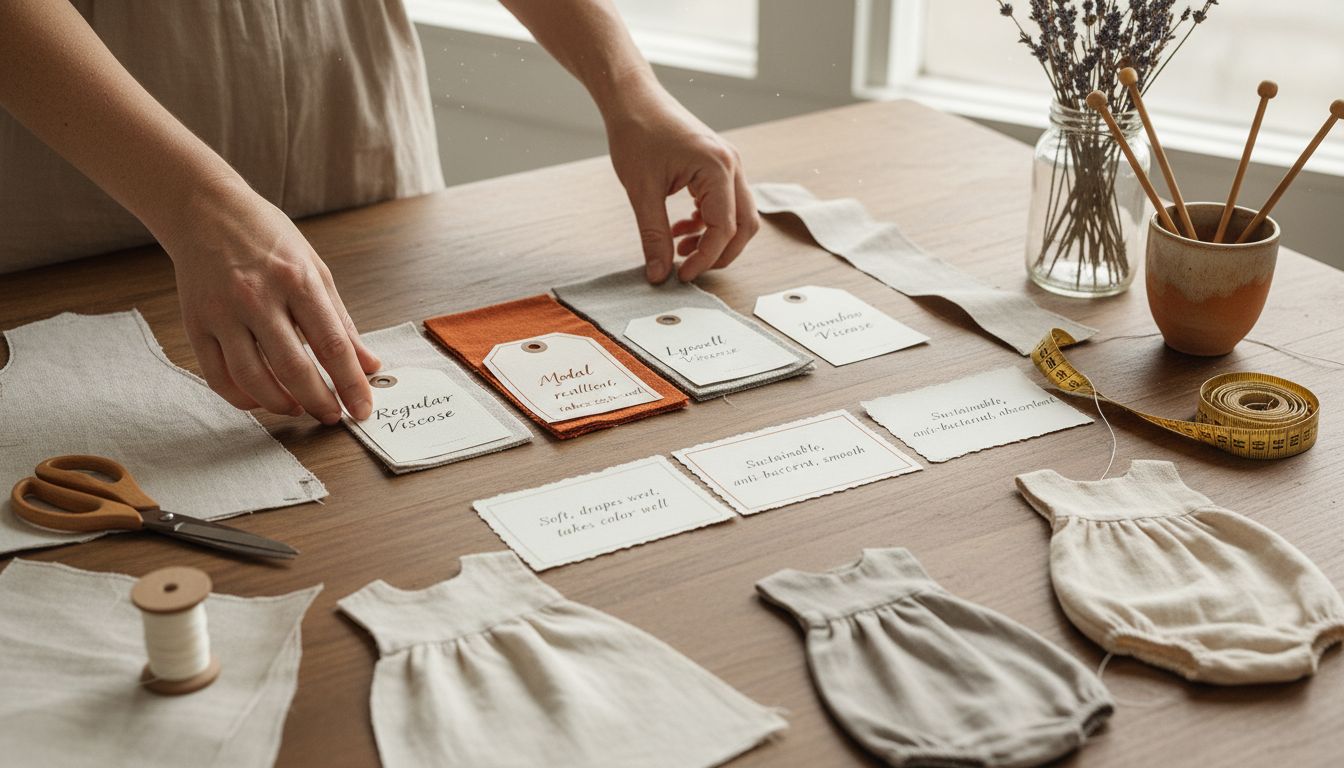
According to Alidrop, viscose comes in several distinctive variations, each with unique characteristics. Regular viscose is the most common type, prized for its soft and breathable nature, making it ideal for creating dresses and blouses. More advanced variations include modal, a refined version known for its silkier feel and enhanced durability, which is frequently used in underwear and activewear.
Two particularly innovative viscose types stand out for their specialized properties. Lyocell - often marketed under the TENCEL™ brand - represents an environmentally conscious option produced through a closed-loop manufacturing process that recycles water and solvents. This variation offers superior strength and sustainability. Bamboo viscose offers another eco-friendly alternative, made from bamboo pulp and celebrated for its moisture-wicking properties, making it an excellent choice for bedding and baby clothing.
Key distinctions between viscose types include:
For crafters and designers looking to explore fabric construction techniques in more depth, 7 Types of Fabric Weaves Every Designer Should Know offers comprehensive insights into textile manufacturing approaches that complement understanding viscose variations.
Viscose fabric emerges as a superstar material for crafters, designers, and textile enthusiasts, offering an impressive array of advantages that make it a versatile choice across multiple project types. From clothing to home decor, this remarkable textile brings both aesthetic appeal and practical functionality to creative endeavors.
According to Alidrop, viscose fabric delivers several standout benefits that set it apart from other textile options. Its exceptional softness and breathability make it particularly comfortable, especially in warm weather conditions. The fabric’s remarkable draping quality allows it to flow beautifully, enhancing the visual appeal of garments and decor items. Additionally, viscose demonstrates remarkable absorbency, which means it accepts dyes exceptionally well, enabling vibrant and long-lasting color applications.
Beyond its aesthetic qualities, viscose offers practical advantages for various project types. Its lightweight nature makes it ideal for creating fluid clothing like summer dresses, blouses, and lightweight scarves. The fabric’s ability to blend comfort with style makes it perfect for crafting projects ranging from fashion accessories to home textiles. Its versatility allows creators to experiment across different domains, from creating elegant evening wear to developing comfortable home linens.
Key benefits of choosing viscose for your projects include:
For makers interested in exploring sustainable textile options, Examples of Sustainable Textiles for Creative Projects provides additional insights into environmentally conscious fabric choices that complement viscose’s inherent qualities.
Viscose fabric demonstrates remarkable versatility, seamlessly bridging the worlds of fashion and interior design with its exceptional characteristics. Its unique properties make it a go-to material for creators looking to balance aesthetic appeal with practical functionality across multiple applications.
According to Alidrop, viscose fabric finds extensive use in apparel, particularly for creating comfortable and stylish clothing pieces. Summer wardrobes benefit tremendously from its softness and breathability, making it ideal for crafting dresses, blouses, and lightweight trousers. The fabric’s ability to drape elegantly ensures that garments not only feel comfortable but also look sophisticated and refined.
In home decor, viscose proves equally impressive. The fabric’s luxurious texture and aesthetic appeal make it perfect for creating stunning curtains, upholstery, and decorative textiles. Its ability to absorb colors vibrantly allows designers and crafters to experiment with rich, dynamic color palettes. From elegant throw pillows to sophisticated window treatments, viscose brings a touch of refined elegance to interior spaces.
Primary uses of viscose in different domains include:
For those looking to explore more creative textile applications, 10 Essential Home Decor Fabric Types You Should Know offers additional insights into versatile fabric choices for home styling projects.
Viscose fabric represents a fascinating textile that bridges the gap between synthetic and natural fibers, offering unique characteristics that set it apart from traditional fabric options. Its ability to combine desirable qualities from multiple fiber types makes it an intriguing alternative for discerning designers and crafters.
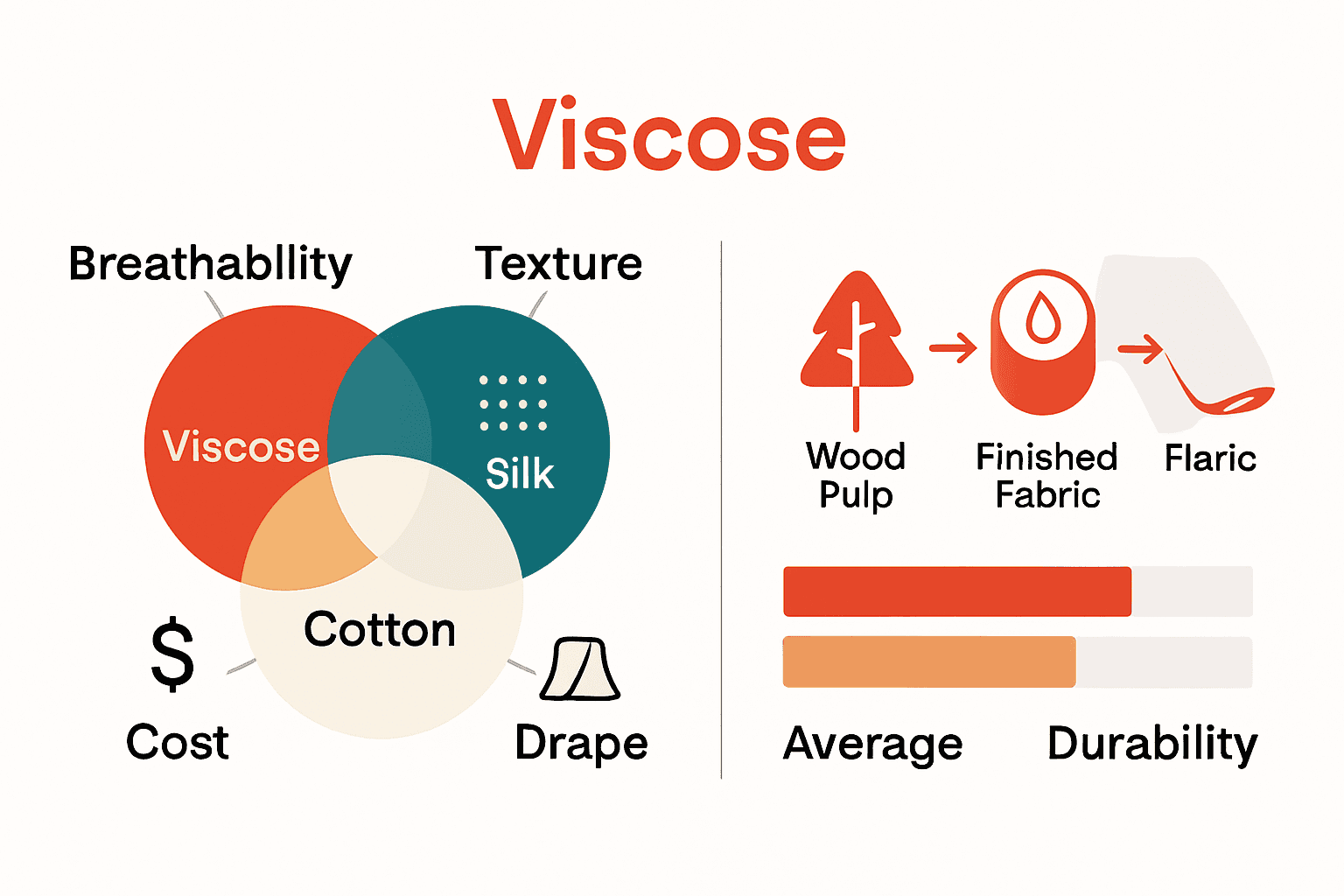
According to Alidrop, viscose shares remarkable similarities with natural fibers like cotton and silk while maintaining its own distinctive profile. The fabric captures cotton’s breathability and comfort while mimicking silk’s luxurious smooth texture. However, viscose distinguishes itself through its affordability and versatility, providing an attractive middle ground for creators seeking high-performance textiles without premium natural fiber price tags.
When compared to other fabrics, viscose demonstrates nuanced strengths and limitations. Cotton offers superior durability and easier maintenance, while viscose provides enhanced draping and a more elegant appearance. Silk remains unmatched in pure luxury, but viscose delivers a similar aesthetic at a fraction of the cost. Synthetic polyester might provide more wrinkle resistance, but viscose breathes better and feels more comfortable against the skin.
Key comparative characteristics include:
For makers seeking deeper insights into fabric selection strategies, Essential Fabric Selection Guide for Designers and Decorators offers comprehensive guidance on choosing the right textile for specific projects.
Viscose fabric demands careful attention and specialized maintenance to preserve its delicate beauty and extend its functional lifespan. Understanding its unique care requirements helps crafters and designers protect their textile investments and maintain the fabric’s exceptional aesthetic qualities.
According to Alidrop, viscose fabric requires meticulous handling due to its sensitive nature. The fabric is particularly prone to shrinking and weakening when exposed to water, which means traditional machine washing can potentially damage your textile. Experts recommend hand washing or professional dry cleaning to maintain the fabric’s integrity. Its tendency to wrinkle easily also necessitates gentle ironing and careful storage to preserve its smooth, elegant appearance.
Beyond maintenance challenges, viscose presents several potential drawbacks that creators should consider. Its chemical-intensive production process raises environmental concerns, as the manufacturing method can generate harmful waste if not managed responsibly. The fabric’s delicate structure means it’s more susceptible to wear and tear compared to more robust textiles like cotton or polyester. Moisture can compromise its strength, and prolonged exposure to direct sunlight might cause fading or degradation of the fabric’s fibers.
Key maintenance considerations include:
Creators interested in exploring sustainable textile alternatives can find additional insights in the Examples of Sustainable Textiles for Creative Projects guide, which offers comprehensive information about environmentally conscious fabric choices.
Choosing the right fabric can feel overwhelming when comfort, style, and sustainability all matter. The “Complete Guide to Why Choose Viscose Fabric” highlights the challenges of finding a soft, breathable, and beautifully draping material that fits your creative vision without breaking the bank. Whether you want summer apparel, elegant home decor, or versatile craft fabrics, viscose offers incredible benefits but demands informed choices to avoid care frustrations and wear issues.
If you are looking to embrace the luxurious feel and vibrant color effects of viscose while navigating its unique care needs, explore our extensive fabric selection designed to inspire and support crafters and designers just like you.
Act now to transform your ideas into reality with premium viscose fabrics and more from Fabric Fabric. Enjoy the ease of seamless shopping, helpful product descriptions, and special promotions to get the most from your creative projects. Dive deeper into fabric fundamentals by checking out our guides like 7 Types of Fabric Weaves Every Designer Should Know and learn how to select textiles that elevate every stitch. Start browsing today and bring your fabric dreams to life with confidence.
Viscose fabric, also known as rayon, is made from regenerated cellulose fibers derived from natural sources like wood and agricultural products.
Viscose fabric is known for its exceptional softness, breathability, excellent draping qualities, vibrant color absorption, and affordability compared to natural silk.
Viscose shares the breathability of cotton and the smooth texture of silk, offering a more affordable option while providing a luxurious look and feel. However, cotton is more durable, and silk stands out for pure luxury.
Viscose fabric requires careful handling. It is best to hand wash or dry clean only, avoid exposing it to direct sunlight, and use low-temperature settings when ironing to maintain its quality.