

 US Dollar

What is Silk Fabric? Understanding Its Origins and Uses
Posted by BLG on 2025 Aug 28th
Posted by BLG on 2025 Aug 28th

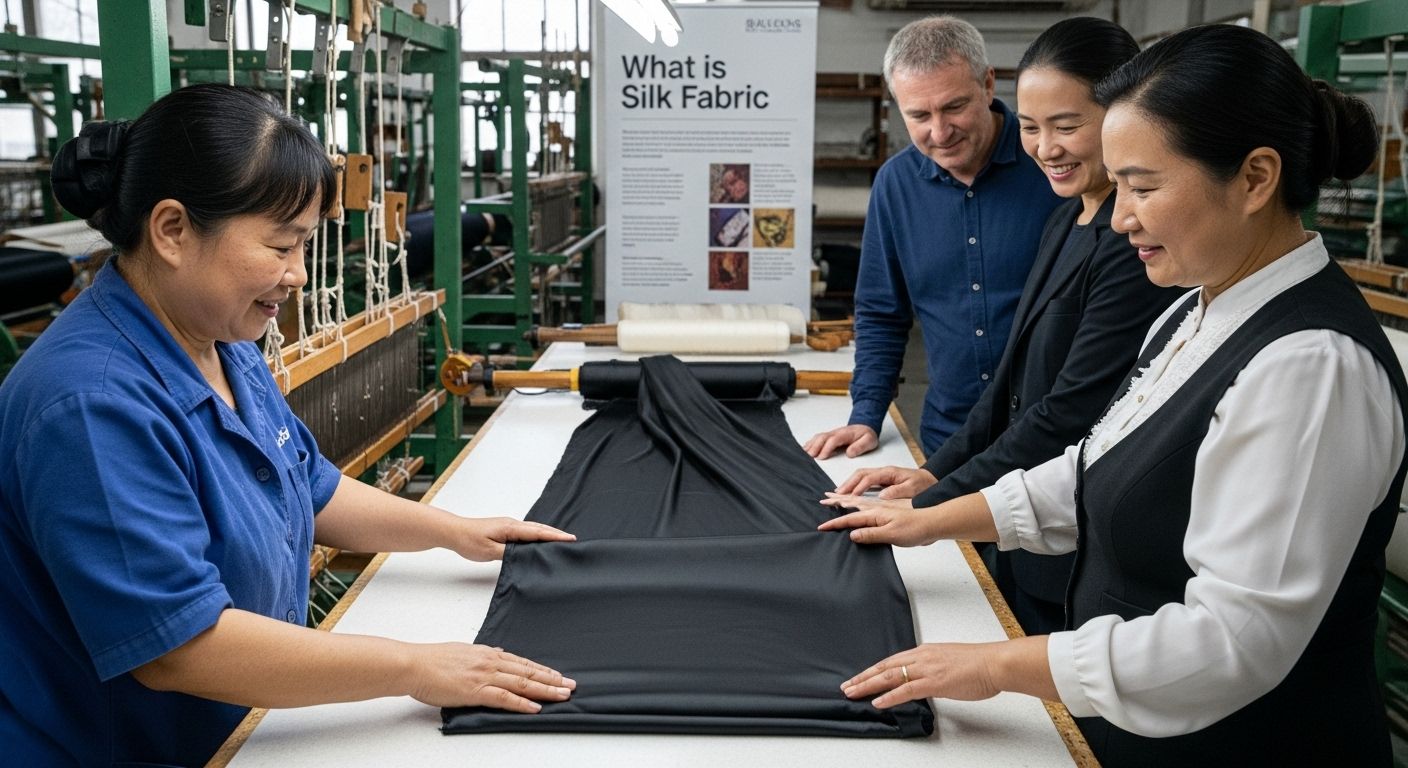
Silk fabric carries a reputation for pure luxury, admired for its shine and silky softness. Countless designers treasure it for its rare combination of elegance and function. But think about this. A single silkworm can actually spin a silk thread stretching over 1,000 meters long. That seems unbelievable until you discover that one silkworm might also devour up to 50,000 mulberry leaves during its short life. Silk is not just fancy fabric. It is the surprising result of extreme effort, ancient secrets, and technology woven together in every shimmering thread.
| Takeaway | Explanation |
|---|---|
| Silk is a versatile luxury fabric | Its unique properties make it suitable for fashion, home decor, and specialized applications. |
| Silk production began in ancient China | The process was discovered over 4,500 years ago, highlighting its historical significance. |
| Silk’s natural properties support comfort and health | It regulates temperature, wicks moisture, and is hypoallergenic, making it ideal for clothing. |
| Sustainable textile option with low environmental impact | Silk production minimizes chemical use and supports rural economies, contributing to ecological balance. |
| Innovative applications extend beyond fashion | Silk is now being utilized in medical and technical fields, showcasing its functional benefits. |
Silk fabric represents one of the most extraordinary and refined textiles in human history, renowned for its exceptional softness, natural sheen, and remarkable versatility. This premium material originates from the intricate process of harvesting and processing silk fibers produced by silkworm larvae, specifically from the Bombyx mori species, which creates an extraordinary natural protein fiber.
The production of silk is a fascinating biological phenomenon that begins with silkworm caterpillars. These tiny creatures spin protective cocoons using a continuous protein filament secreted from their salivary glands. These delicate cocoons become the primary source of silk threads, which are carefully unraveled and transformed into the luxurious fabric we recognize. According to National Geographic, a single silkworm can produce a silk thread approximately 1,000 meters long, highlighting the remarkable manufacturing potential of these small insects.
Silk fabric possesses several distinctive qualities that set it apart from other textiles:
The intricate weaving process transforms raw silk threads into various fabric types, ranging from delicate chiffon to robust technical fabrics used in multiple industries. Its unique molecular structure allows silk to absorb moisture while maintaining incredible strength, making it a preferred material for high-end fashion, medical applications, and specialized technical uses.
To help clarify the key characteristics that make silk distinct from other fabrics, here is a concise overview of silk’s main features and their specific benefits:
| Characteristic | Description |
|---|---|
| Exceptional Thermal Regulation | Adapts naturally to body temperature for year-round comfort |
| Lightweight Texture | Feels light and smooth against the skin despite its strength |
| Natural Hypoallergenic Properties | Resists dust mites, fungus, and other allergens |
| Moisture Absorbency | Absorbs moisture while remaining strong and durable |
| Natural Sheen | Exhibits a luxurious, glossy appearance |
| Versatile Weaving Options | Can be made into various fabric types from chiffon to technical |
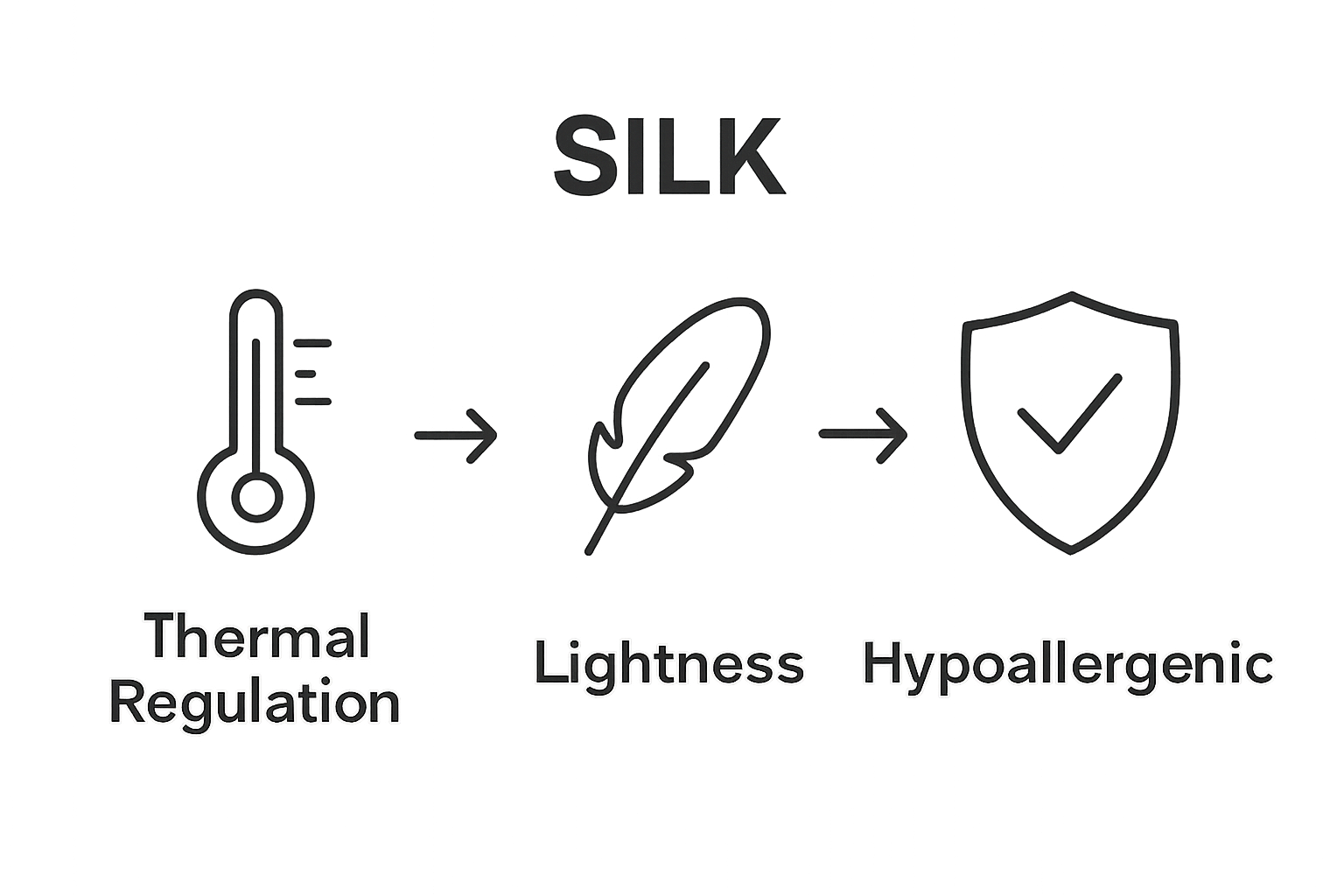
Understanding silk fabric goes beyond appreciating its aesthetic appeal—it represents a testament to human innovation, biological complexity, and the remarkable intersection of nature and textile engineering.
Silk production represents one of humanity’s most remarkable technological achievements, with roots stretching back thousands of years to ancient civilizations. This extraordinary fabric originated in China, where its discovery and initial production remain shrouded in fascinating legend and historical mystery.
According to traditional Chinese narratives, silk production was first discovered around 2640 BCE by Empress Leizu, who accidentally uncovered the silk-making process while drinking tea in her imperial garden. A silkworm cocoon reportedly fell into her hot tea, unraveling its delicate threads and revealing the potential for textile creation. While this story might be more mythical than factual, UNESCO confirms that archaeological evidence demonstrates silk production in China as early as 3630 BCE.
The silk trade transformed from a closely guarded Chinese secret into a global economic phenomenon through the Silk Road, an extensive network of trade routes connecting East and West. These routes facilitated more than just fabric exchange:
Merchants and traders risked treacherous journeys across deserts, mountains, and challenging terrains, creating an intricate web of economic interactions that would reshape human civilization. The fabric became so valuable that silk was often used as a form of currency, symbolizing wealth and diplomatic power.
While China maintained a monopoly on silk production for centuries, the technique gradually spread to other regions. Korea and Japan adopted silk manufacturing around 300 CE, while the Byzantine Empire gained silk production knowledge through industrial espionage. Silk manufacturing ultimately became a global industry, with each culture developing unique techniques and styles that reflected their artistic and technological capabilities.
Silk fabric transcends traditional textile expectations, offering a remarkable combination of aesthetic elegance and extraordinary functional capabilities that make it valuable across multiple industries and applications. Its complex molecular structure and natural protein composition enable performance characteristics that synthetic materials struggle to replicate.
The inherent properties of silk fabric create unparalleled wearing comfort and physiological benefits. Its unique protein-based structure allows for exceptional temperature regulation, helping wearers maintain optimal body heat in both cold and warm environments. According to Stanford University Research, silk’s molecular arrangement enables unprecedented moisture management, wicking away perspiration while maintaining a lightweight, breathable feel.
Beyond fashion, silk demonstrates remarkable versatility in advanced technological domains:
The fabric’s natural biocompatibility makes it an exceptional material for precision engineering and medical research. Its protein-based structure allows seamless integration with biological systems, opening unprecedented pathways for innovative solutions.
Silk represents a compelling sustainable textile option with significantly lower environmental impact compared to many synthetic fabrics. The natural production process requires minimal chemical intervention, and silk fibers are completely biodegradable. Unlike petroleum-based textiles, silk production supports agricultural ecosystems and provides economic opportunities for rural communities specializing in sericulture.
The extraordinary nature of silk extends far beyond its luxurious appearance, representing a sophisticated material that bridges natural biological complexity with human technological innovation.
The transformation of silk from delicate silkworm cocoons to refined fabric represents an intricate, labor-intensive process that combines biological complexity with sophisticated human craftsmanship. Each stage requires precision, skill, and deep understanding of the material’s unique characteristics.
The silk production journey begins with careful silkworm breeding. Farmers cultivate Bombyx mori moths, managing their lifecycle with meticulous attention. These specialized caterpillars are fed exclusively on mulberry leaves, which provide the nutritional foundation for producing high-quality silk proteins. According to Smithsonian Magazine, a single silkworm can consume up to 50,000 mulberry leaves during its lifetime, demonstrating the resource-intensive nature of silk production.
Once silkworms complete their cocoon formation, a critical extraction process begins. Farmers carefully collect cocoons and subject them to controlled heat, which prevents the moth from emerging and potentially damaging the continuous silk thread. The reeling process involves:
This delicate procedure requires immense skill, as the silk threads are incredibly fine and can break easily during extraction.
The extracted silk threads undergo multiple processing stages to become the luxurious fabric recognized worldwide. Skilled artisans twist, weave, and treat the threads, creating various silk types ranging from lightweight chiffon to robust industrial textiles. The weaving process determines the fabric’s final texture, strength, and appearance, with techniques varying across different cultural and manufacturing traditions.
Each stage of silk production represents a complex dance between natural biological processes and human technological intervention, transforming a humble silkworm cocoon into a material of extraordinary beauty and utility.
This table summarizes the major steps involved in transforming silk from cocoons to the finished fabric, organizing the process in a clear and sequential format:
| Stage | Key Activities and Details |
|---|---|
| Silkworm Cultivation | Breeding Bombyx mori silkworms; feeding with mulberry leaves |
| Cocoon Harvesting | Collecting intact cocoons after spinning is complete |
| Thread Extraction (Reeling) | Softening cocoons in hot water; unwinding continuous silk filaments |
| Filament Combining | Twisting multiple filaments to create stronger threads |
| Cleaning & Preparation | Cleaning, degumming, and prepping threads for weaving |
| Fabric Weaving & Finishing | Weaving silk threads into various fabric types; treating for texture and feel |
Silk fabric represents far more than a luxurious textile material, embodying extraordinary versatility that spans diverse industries and design applications. Its unique molecular structure and exceptional properties enable transformative uses across fashion, interior design, and specialized technological domains.
In the world of fashion, silk remains an unparalleled fabric choice for designers seeking exceptional drape, texture, and visual elegance. High-end clothing designers leverage silk’s natural ability to create fluid, lightweight garments that move gracefully with the human body. According to Vogue Magazine, silk enables designers to craft everything from delicate evening gowns to structured tailored pieces, offering unmatched versatility in garment construction.
Beyond clothing, silk plays a significant role in interior design and home decoration. Its remarkable properties make it an exceptional material for creating sophisticated design elements:
Interior designers appreciate silk’s ability to add depth, texture, and visual sophistication to living spaces, transforming ordinary environments into extraordinary experiences.

Modern research continues to expand silk’s potential beyond traditional aesthetic applications. Innovative industries are exploring silk’s unique properties for groundbreaking technological solutions. From medical sutures to advanced bioengineering materials, silk’s protein-based structure offers unprecedented opportunities for interdisciplinary innovation, demonstrating that this ancient textile continues to revolutionize multiple fields of human endeavor.
Have you been inspired by the rich history and unmatched qualities of silk fabric, but feel overwhelmed when trying to find premium materials for your next project or collection? Many readers want to capture silk’s elegance, softness, and versatility—yet settling for the wrong supplier or low-grade silk can leave you frustrated and hold your creativity back. Whether your goal is to achieve a flawless finish for upscale apparel, sophisticated interior accents, or cutting-edge design, choosing the right silk partner is essential for your success. Discover a marketplace where product knowledge meets the luxury and reliability you need.
Ready to bring your vision to life with authentic silk and more? Visit fabric-fabric.com to browse our expertly curated fabric selection. Enjoy detailed classifications, competitive pricing for both bulk and retail orders, and trusted support for professionals and DIY creators alike. Let us help you turn your inspiration into reality—explore our textile marketplace and secure the perfect fabric for your next masterpiece today.
Silk fabric is made from the natural protein fibers produced by silkworm larvae, specifically the Bombyx mori species, which spin cocoons that are harvested and processed into silk threads.
Silk fabric is known for its exceptional softness, natural sheen, lightweight texture, breathability, and ability to regulate temperature, making it comfortable to wear in various climates. Additionally, it has natural hypoallergenic properties.
Silk is produced through a meticulous process that begins with breeding silkworms, followed by harvesting their cocoons, extracting the silk threads through a process called reeling, and finally weaving the threads into fabric. Each stage requires skill and precision.
Silk fabric is widely used in fashion for garments like dresses and ties due to its luxurious appearance and drape. It is also utilized in interior design for upholstery, drapery, and home decor items, as well as in specialized applications like medical sutures and bioengineering materials.