

 Canadian Dollars

Why Choose Velvet for Modern Upholstery
Posted by BLG on 2026 Jan 4th
Posted by BLG on 2026 Jan 4th

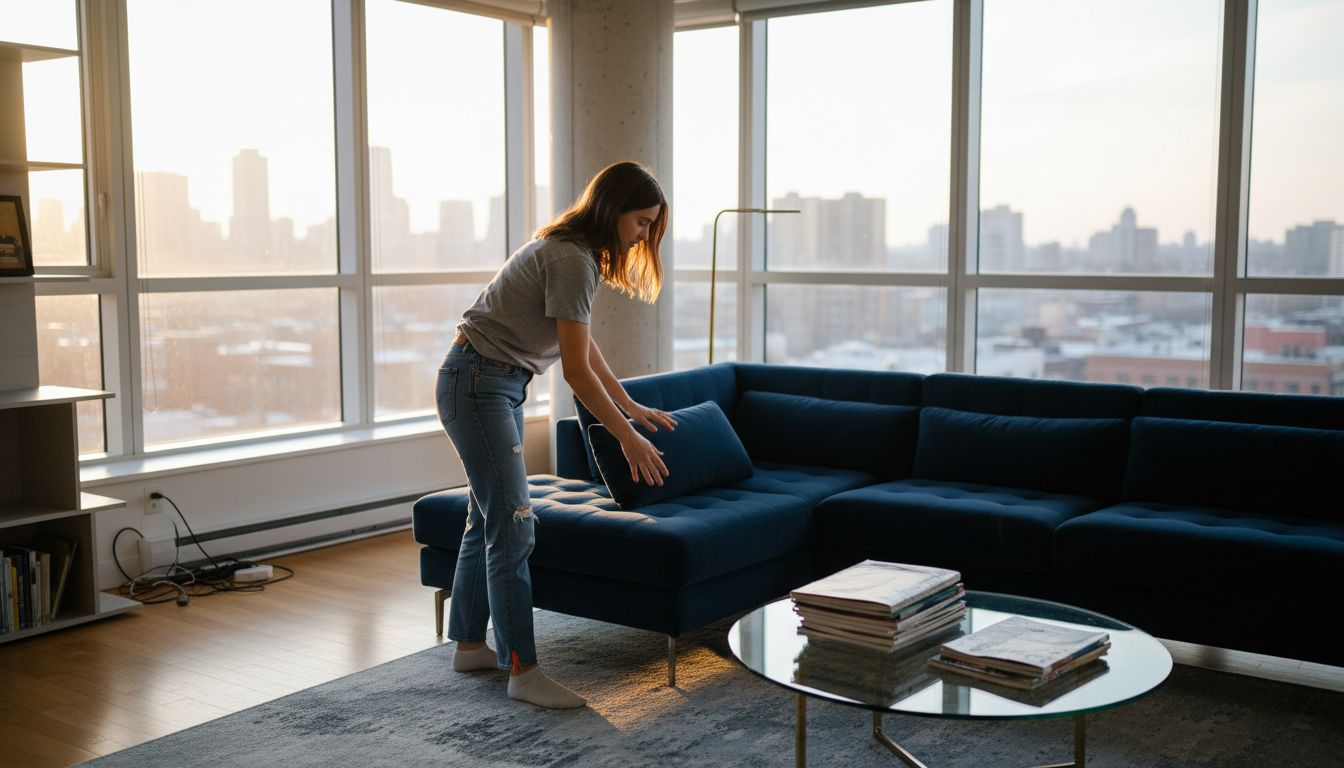
Most American homes are now embracing bold fabric choices, with nearly 40 percent of recent upholstery projects featuring luxurious materials like velvet. Velvet’s enduring charm challenges many common misconceptions, especially among home decor enthusiasts and small business designers looking to stay ahead of the latest American design trends. This overview separates fact from myth while revealing how the right velvet can redefine furniture, add depth, and stand up to real life in every American space.
| Point | Details |
|---|---|
| Versatility of Velvet | Velvet is more than just a luxurious fabric; it offers diverse applications in both residential and commercial design settings. |
| Modern Manufacturing | Advances in textile technology have enhanced the durability of velvet, making it a resilient choice for high-traffic areas. |
| Types and Benefits | Different types of velvet, including natural and synthetic options, cater to various aesthetic and practical needs. |
| Maintenance Strategies | Proper care involves gentle cleaning techniques and protecting the fabric from sunlight and moisture for longevity. |
Velvet is a distinctive woven fabric characterized by its luxurious pile and unique texture, offering far more versatility than most people realize. Historically associated with nobility and luxury, velvet has evolved from an exclusive textile to a practical material for modern interior design.
Traditionally manufactured through a complex weaving process involving two fabric layers simultaneously cut apart, velvet can now be produced from multiple fibers including silk, cotton, wool, and synthetic materials. The fabric’s signature soft, dense pile creates a remarkable visual depth and tactile experience that sets it apart from other upholstery options. Modern manufacturing techniques have transformed velvet from an aristocratic fabric into an accessible design choice, challenging long-standing myths about its fragility and maintenance requirements.
Common misconceptions about velvet often revolve around its perceived delicacy and high maintenance. Contrary to popular belief, contemporary velvet fabrics are remarkably resilient and engineered to withstand regular use. Advances in textile technology have produced velvets that resist crushing, staining, and wear, making them ideal for furniture that experiences daily interaction. Key characteristics include exceptional softness, rich color absorption, and a unique ability to reflect light differently based on pile direction, creating dynamic visual textures.
Pro Tip: When selecting velvet for upholstery, always request fabric samples and test their durability by rubbing the material against different surfaces to assess its resistance to wear and potential crushing.
Velvet fabrics for upholstery present designers with a fascinating range of options, each offering unique characteristics and performance attributes. Contemporary upholstery velvets span natural and synthetic materials, providing solutions for virtually every design challenge and lifestyle requirement.
Natural fiber velvets like cotton and silk represent the traditional approach to upholstery. Cotton velvet provides exceptional softness and breathability, though it tends to be less durable than synthetic alternatives. Silk velvet stands out with its extraordinary luminous sheen and incredibly smooth texture, but requires meticulous maintenance and works best in low-traffic areas or statement pieces. Types of velvet such as crushed and embossed offer additional visual and textural variations that can dramatically transform furniture design.
Synthetic velvet fabrics have revolutionized modern upholstery with their superior durability and performance characteristics. Polyester and nylon blends deliver remarkable stain resistance, easier cleaning, and enhanced wear tolerance. These materials maintain the luxurious appearance of traditional velvet while providing practical benefits for contemporary living spaces. Performance velvets often incorporate advanced treatments that repel liquids, resist fading, and withstand frequent use, making them ideal for family homes, commercial spaces, and high-traffic furniture.
Pro Tip: Always request fabric swatches and conduct a “rub test” by vigorously rubbing the velvet sample to assess its crush resistance and long-term durability before making a final upholstery selection.
Here’s a concise overview of common velvet types for upholstery and their key properties:
| Velvet Type | Main Fiber | Notable Benefit | Ideal Setting |
|---|---|---|---|
| Cotton Velvet | Cotton | Soft and breathable | Cozy, traditional interiors |
| Silk Velvet | Silk | Rich sheen, smooth feel | Low-traffic, luxury spaces |
| Polyester Velvet | Polyester | Excellent durability | Family rooms or commercial environments |
| Nylon Velvet | Nylon blends | Stain and fade resistance | High-traffic areas, easy maintenance |
| Performance Velvet | Synthetic blend | Advanced protection | Kids’ rooms, busy homes, hospitality use |
Velvet is far more than a simple fabric choice—it’s a transformative design element that brings unique sensory and visual characteristics to interior spaces. The fabric’s distinctive texture emerges from its specialized dense pile weave, creating an extraordinary surface that captures and reflects light in mesmerizing ways, generating depth and richness impossible with conventional textiles.
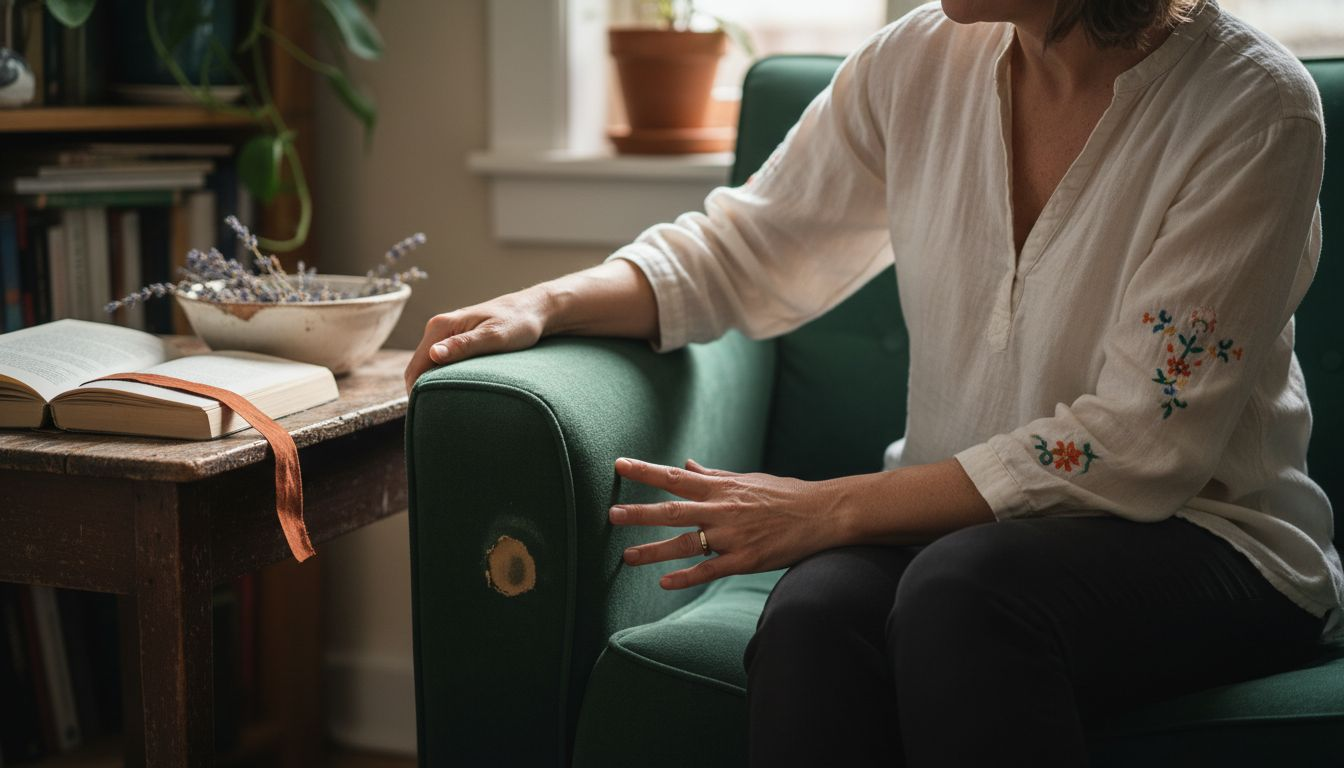
The extraordinary optical properties of velvet arise from its structured construction, where individual fibers are strategically positioned to create maximum visual complexity. When light touches a velvet surface, it interacts differently depending on the angle, producing a dynamic sheen that shifts between subtle luminescence and deep, saturated color. This light-reactive quality means a velvet chair or sofa can appear dramatically different throughout the day, responding to changing ambient lighting and creating visual intrigue that static fabrics simply cannot achieve.
Beyond its visual drama, velvet offers remarkable tactile qualities that elevate the sensory experience of furniture. The fabric’s dense, soft pile provides exceptional comfort and warmth, creating an inviting surface that beckons touch. Different fiber compositions—whether synthetic or natural—contribute unique characteristics, with synthetic blends offering enhanced durability and natural fibers providing unparalleled softness. Understanding velvet’s intricate composition helps designers select the perfect material for specific design requirements, balancing aesthetic appeal with practical performance.
Pro Tip: When evaluating velvet fabrics, always examine samples under multiple lighting conditions to truly appreciate how the material’s color and texture transform throughout the day.
Velvet transcends typical upholstery expectations, offering designers an incredibly versatile fabric that adapts to multiple interior styles and functional requirements. Velvet’s transformative potential spans residential and commercial design spaces, delivering both aesthetic sophistication and practical performance across diverse applications.
In living spaces, velvet emerges as a premier choice for statement furniture pieces that demand visual drama and tactile richness. Sofas, armchairs, and ottomans upholstered in velvet create instant focal points, whether in minimalist contemporary settings or more traditional environments. The fabric’s ability to absorb and reflect light differently allows designers to play with color and texture, transforming ordinary furniture into extraordinary design elements. Dining chairs and bar stools represent another strategic application, where velvet introduces unexpected luxury and comfort to everyday seating.
Beyond furniture, velvet finds remarkable versatility in soft furnishings and accent pieces. Designers strategically incorporate velvet through cushions, throws, curtains, and decorative elements to layer texture and depth within interior compositions. Bedroom spaces benefit particularly from velvet’s warmth, with upholstered headboards, bench seating, and decorative pillows creating inviting, luxurious environments. Advanced synthetic velvet technologies now enable its use in high-traffic areas like entryways and hallways, expanding its traditional design boundaries.
Pro Tip: Mix velvet textures strategically by combining different pile heights and complementary colors to create visual depth and prevent monotony in your interior design scheme.
Velvet stands apart from traditional upholstery materials, offering a unique combination of aesthetic appeal and functional performance that distinguishes it from alternatives like leather, linen, and cotton. The fabric’s distinctive characteristics create a nuanced comparison with other textile options, revealing both remarkable strengths and potential limitations.
When placed alongside leather, velvet demonstrates superior comfort and visual warmth. Leather tends to be cooler and less inviting, whereas velvet provides an immediate tactile softness that welcomes interaction. Synthetic velvet variants particularly excel in durability and maintenance, often outperforming traditional leather in stain resistance and wear tolerance. The fabric’s ability to absorb color and create visual depth gives designers more creative flexibility compared to the more uniform appearance of leather upholstery.
Compared to linen and cotton, velvet offers substantially more visual complexity and textural intrigue. Upholstery fabrics vary dramatically in their performance characteristics, and velvet emerges as a premium choice for those seeking both elegance and functionality. While linen provides excellent breathability, it tends to wear more quickly and lacks the luxurious depth that velvet effortlessly delivers. Cotton, though versatile, cannot match velvet’s sophisticated light-reflecting properties and rich color saturation. Modern synthetic velvet technologies have further enhanced the fabric’s durability, addressing historical concerns about maintenance and longevity.
Pro Tip: When comparing upholstery fabrics, always consider your specific environment, evaluating factors like sunlight exposure, frequency of use, and desired maintenance level before making a final selection.
Compare velvet to other popular upholstery fabrics on important attributes:
| Attribute | Velvet | Leather | Linen | Cotton |
|---|---|---|---|---|
| Visual Appeal | Deep color, dimensional sheen | Sleek, uniform appearance | Light texture, subtle colors | Versatile, matte finish |
| Comfort | Exceptionally soft, warm | Cool to touch, smooth | Cool, breathable | Soft, breathable |
| Durability (Modern) | High, especially synthetics | Very high, ages well | Moderate, wrinkles easily | Moderate, can wear quickly |
| Maintenance Level | Moderate to easy (synthetic) | Easy, wipe clean | High, prone to staining | Moderate, fairly easy |
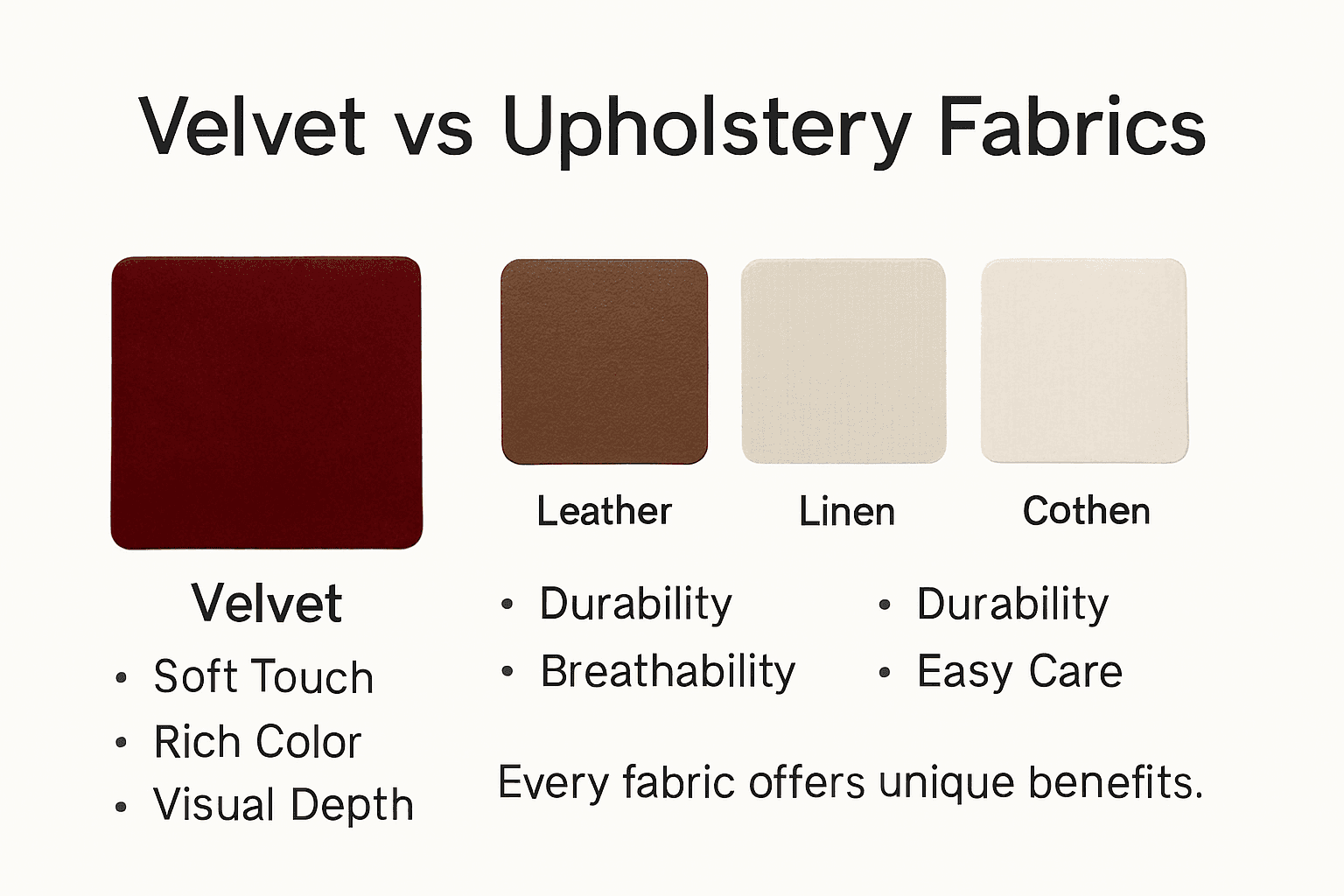
Velvet upholstery requires a strategic approach to maintenance that balances careful preservation with practical cleaning techniques. Durability fundamentally depends on understanding the specific characteristics of your velvet fabric, with different fiber compositions demanding unique care strategies.
Routine maintenance begins with consistent, gentle cleaning techniques that protect the fabric’s delicate pile. Use a soft brush vacuum attachment, always moving in the direction of the fabric’s nap to prevent crushing or distorting the fibers. Immediate attention to spills is critical: blot—never rub—any liquid using a clean, white cloth to prevent staining and potential permanent damage. Synthetic velvet variants offer more resilience, with polyester and nylon blends providing superior stain resistance compared to natural silk or cotton alternatives.
Environmental factors play a significant role in velvet’s long-term preservation. Protecting velvet from direct sunlight and excessive moisture represents a crucial aspect of fabric care, preventing premature fading and fiber degradation. Rotating cushions and strategically positioning furniture can help distribute wear evenly, extending the fabric’s aesthetic appeal. Professional cleaning every 12-18 months can restore velvet’s original luster and address deep-seated dirt that regular home maintenance cannot effectively remove.
Pro Tip: Keep a specialized velvet fabric brush on hand and gently brush the surface after vacuuming to restore the pile’s natural direction and maintain its luxurious appearance.
Choosing the perfect velvet fabric for modern upholstery can feel overwhelming with so many options and concerns about durability, maintenance, and visual appeal. This article highlights how contemporary velvet varieties deliver exceptional softness, rich color depth, and remarkable resilience — making them ideal for both elegant and high-traffic furniture. If you want to bring luxury and durability together effortlessly you need access to the right fabrics designed to meet those exact needs.

Explore our extensive selection of velvet fabrics at Fabric-Fabric where every product listing includes detailed descriptions and usage suggestions tailored for upholstery. Benefit now from premium options including cotton, silk, polyester, and performance velvets that resist crushing and stains. Don’t settle for less when upgrading your décor. Visit Velvet Fabrics for Upholstery and get started on transforming your furniture today with fabrics that combine timeless beauty and modern performance.
Velvet is a versatile fabric that combines luxurious texture with durability, making it ideal for both residential and commercial spaces. Its ability to absorb and reflect light adds visual complexity, creating stunning design elements that enhance any interior.
Contrary to common myths, contemporary velvet fabrics are often engineered for resilience and ease of maintenance, especially synthetic options. Regular gentle cleaning and prompt attention to spills can keep velvet looking its best.
Velvet types range from natural fibers like cotton and silk to synthetic options like polyester and nylon. Each type has unique benefits, with synthetic velvets offering greater durability and stain resistance, while natural fibers provide unmatched softness and luxury.
Compared to materials like leather, linen, and cotton, velvet offers superior comfort and visual appeal. It has a richer texture and depth, making it a premium choice for those looking for both elegance and functionality in their upholstery.