

 Canadian Dollars

What is Velvet? Understanding Its Rich Textures and Uses
Posted by BLG on 2025 Oct 2nd
Posted by BLG on 2025 Oct 2nd

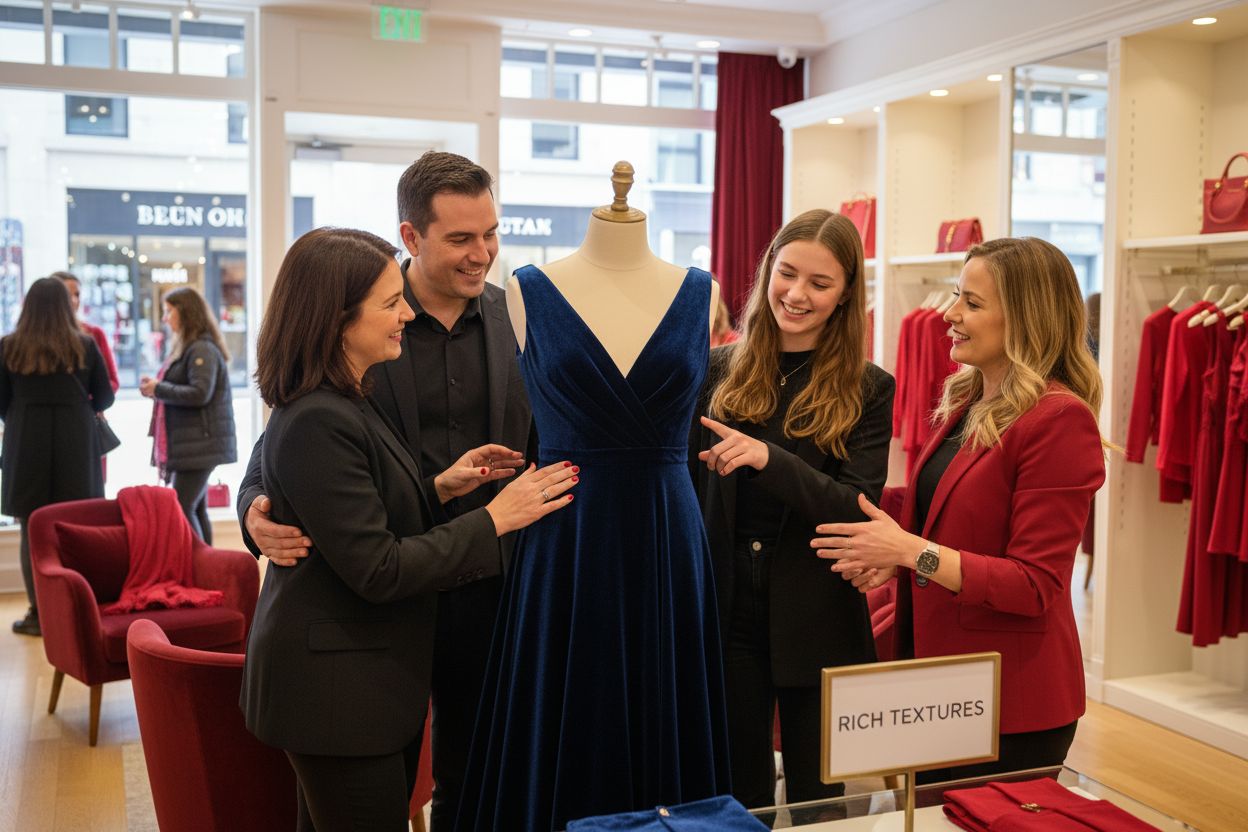
Velvet is famous for its soft touch and rich look, instantly calling to mind luxury and style. Surprisingly, velvet owes its signature shine to a complex weaving process instead of fancy materials. Even more fascinating, the oldest velvets were so prized that only royalty could afford them during the Renaissance. So what really separates velvet from every other fabric out there?
| Takeaway | Explanation |
|---|---|
| Velvet’s unique manufacturing creates its distinct texture | Velvet is made by weaving two fabric layers and cutting them, resulting in a plush, raised surface. |
| Silk velvet offers the highest quality and luxury | Among various velvet types, silk velvet is the most luxurious, valued for its softness and shine. |
| Velvet has versatile applications in design | It enhances fashion items and interior decor, providing depth and richness to multiple design styles. |
| Modern technology aids in velvet production | Computer-controlled looms and synthetic materials expand velvet’s accessibility and design possibilities. |
| Different velvet types cater to specific needs | Varieties like crushed and panne velvet provide unique textures and aesthetic qualities for diverse applications. |
Velvet represents a luxurious textile with a distinctive texture characterized by its unique manufacturing process and soft, dense pile surface. Unlike standard woven fabrics, velvet emerges from a specialized weaving technique that creates an exceptionally smooth and rich appearance. Textile experts describe velvet as a fabric produced by weaving two separate thicknesses of material simultaneously and then cutting them apart to form its signature raised surface.
The hallmark of velvet lies in its structural complexity. Traditional velvet involves weaving two layers of fabric on a specialized loom, with threads connected by additional warp or filling yarns. When these layers are separated, they create a distinctive short, dense pile that gives velvet its characteristic softness and sheen. This unique construction allows velvet to reflect light differently compared to other fabrics, creating a luminous and rich visual effect.
Key characteristics of velvet’s structural composition include:
Velvet can be crafted from numerous materials, each contributing unique qualities to the final textile. Silk velvet represents the most traditional and luxurious variant, offering an unparalleled soft and lustrous finish. Modern manufacturing techniques have expanded velvet production to include cotton, synthetic blends, and even experimental materials like recycled polyester.
The production process involves intricate weaving methods that distinguish velvet from other textiles. Specialized looms create two parallel fabric layers simultaneously, which are then carefully cut to produce the signature raised surface. This meticulous process allows for variations in pile height, density, and overall texture, enabling designers and manufacturers to create velvet with dramatically different characteristics.
Whether used in high fashion, interior design, or specialized industrial applications, velvet continues to captivate with its rich texture and versatile aesthetic potential.
Velvet transcends mere fabric status to become a symbol of sophistication, luxury, and artistic expression in both fashion and design industries. Historical fashion archives reveal that velvet has long been associated with nobility, representing an enduring textile that communicates elegance and refined taste across different cultural and design contexts.
Throughout history, velvet has played a pivotal role in signaling social status and artistic innovation. During the Renaissance, velvet was exclusively produced for royal courts and wealthy aristocrats, with its intricate manufacturing process making it an extraordinarily expensive material. The fabric’s unique ability to absorb and reflect light created dramatic visual effects that made it particularly prized in formal attire and interior design.
Key cultural implications of velvet include:
Modern designers continue to embrace velvet for its versatile aesthetic and sensory qualities. In fashion, velvet appears in haute couture collections, providing designers with a medium that can transform from structured blazers to fluid evening gowns. Interior designers utilize velvet for upholstery, drapery, and accent pieces, appreciating its capacity to add depth, texture, and visual drama to living spaces.
Contemporary velvet applications span multiple creative domains, from high-end fashion runways to minimalist home design. Its tactile qualities and light-reflecting properties allow designers to create pieces that are simultaneously classic and innovative. Whether used in a vintage-inspired evening jacket or a sleek modern chair, velvet remains a textile that communicates luxury, creativity, and sophisticated design sensibility.
The enduring appeal of velvet lies not just in its physical beauty, but in its ability to evoke emotion, tell stories, and transform ordinary objects into extraordinary artistic statements.
The creation of velvet represents an intricate textile manufacturing process that combines precision engineering with artistic craftsmanship.
VIDEO:video_content] [Textile manufacturing experts explain that velvet production involves specialized techniques that differentiate it from standard fabric creation, requiring unique looms and complex weaving methodologies.
Traditional velvet production begins with specialized looms designed to create two parallel fabric layers simultaneously. These layers are intricately woven with additional connecting threads that create the signature dense, raised surface. The critical stage involves carefully cutting the connected layers, which generates the distinctive soft pile that defines velvet’s luxurious texture.
Key components of traditional velvet weaving include:
Contemporary velvet production has expanded beyond traditional methods, incorporating advanced technological processes. Modern manufacturers now utilize computer-controlled looms that can create increasingly complex weave patterns and work with diverse material compositions. Synthetic fibers and blended materials have expanded velvet production, making the fabric more accessible and adaptable to various design requirements.
Innovative manufacturing techniques have introduced new possibilities for velvet creation, including:
The evolution of velvet manufacturing demonstrates how traditional craftsmanship continues to merge with cutting-edge technological innovation, ensuring this luxurious textile remains relevant in contemporary design and fashion landscapes.
Velvet represents a remarkably versatile textile with numerous variations that cater to different aesthetic and functional requirements. Textile experts highlight that velvet varieties differ significantly in texture, manufacturing techniques, and visual characteristics, offering designers and consumers an extensive range of options.
Traditional velvet categories encompass a wide spectrum of textures and appearances. Silk velvet remains the most luxurious variant, characterized by its extraordinary softness and exceptional light-reflecting properties. Cotton velvet provides a more affordable and durable alternative, while synthetic velvet offers enhanced performance characteristics such as wrinkle resistance and easier maintenance.
Key classic velvet types include:
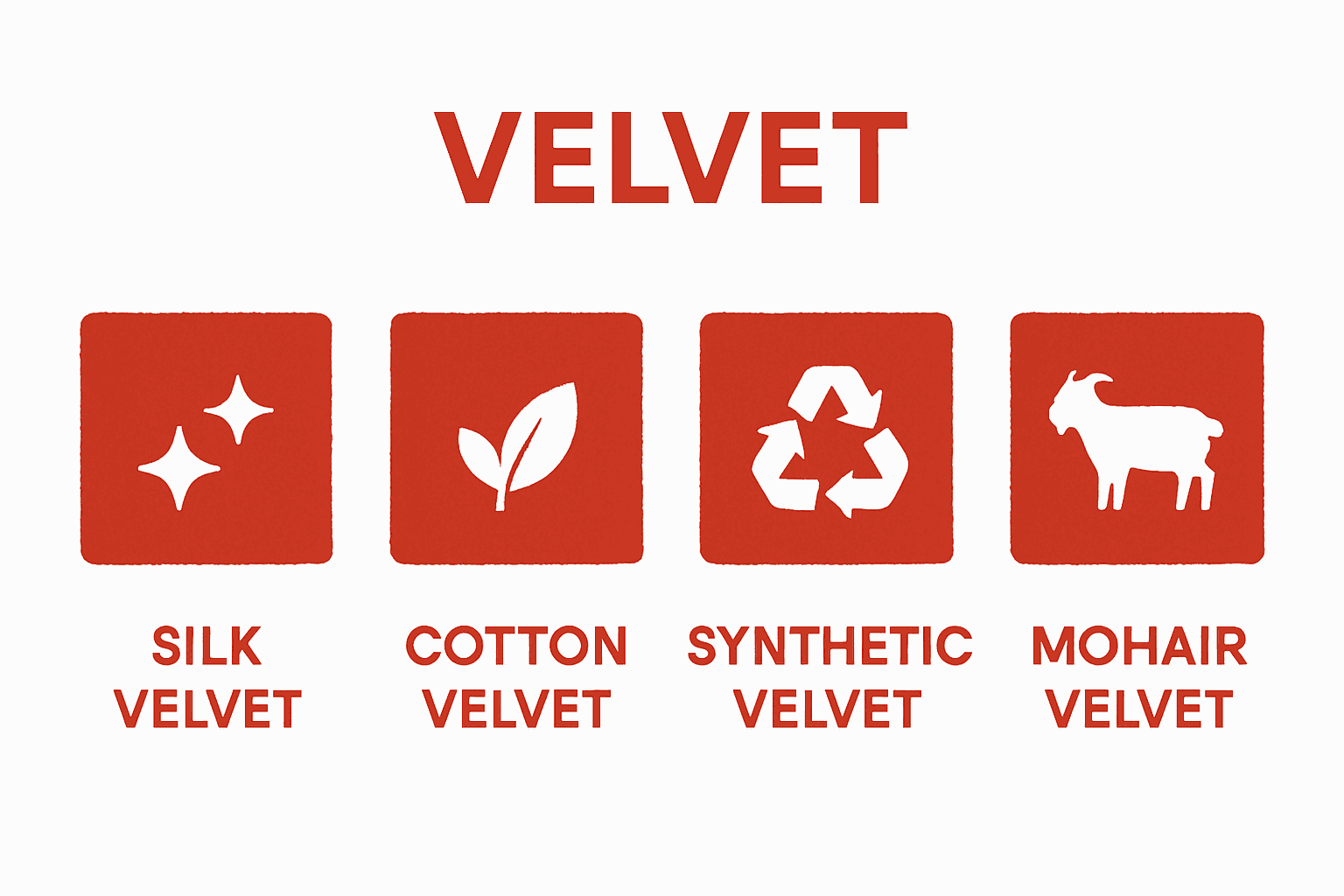
Beyond standard varieties, specialized velvet types offer unique aesthetic and functional properties. Crushed velvet features a deliberately irregular surface that creates visual depth and movement. Panne velvet undergoes compression to produce an intense, reflective sheen, while embossed velvet incorporates intricate patterns created through heat and pressure techniques.
Specialized velvet characteristics encompass:
These diverse velvet varieties demonstrate the textile’s remarkable adaptability, allowing designers and manufacturers to create products ranging from haute couture gowns to sophisticated home furnishings. Each variation offers unique visual and tactile experiences, ensuring velvet remains a dynamic and enduring fabric in multiple creative disciplines.
To help you quickly compare the main types of velvet described in the article, the table below summarizes their materials, key qualities, and typical uses.
| Type of Velvet | Material(s) | Key Qualities | Common Uses |
|---|---|---|---|
| Silk Velvet | Silk | Exceptionally soft, lustrous, highest luxury | High fashion, formal attire |
| Cotton Velvet | Cotton | Durable, versatile, affordable | Upholstery, everyday apparel |
| Synthetic Velvet | Polyester, blended fibers | Wrinkle-resistant, easy to care for | Home décor, costumes |
| Mohair Velvet | Mohair (goat hair) | Highly durable, pronounced sheen | Furniture, performance fabrics |
| Crushed Velvet | Varies | Irregular, textured surface | Fashion, decorative accessories |
| Panne Velvet | Varies | Highly compressed, intense shine | Costumes, craft projects |
| Embossed Velvet | Varies | Raised, patterned surface | Home décor, fashion accents |
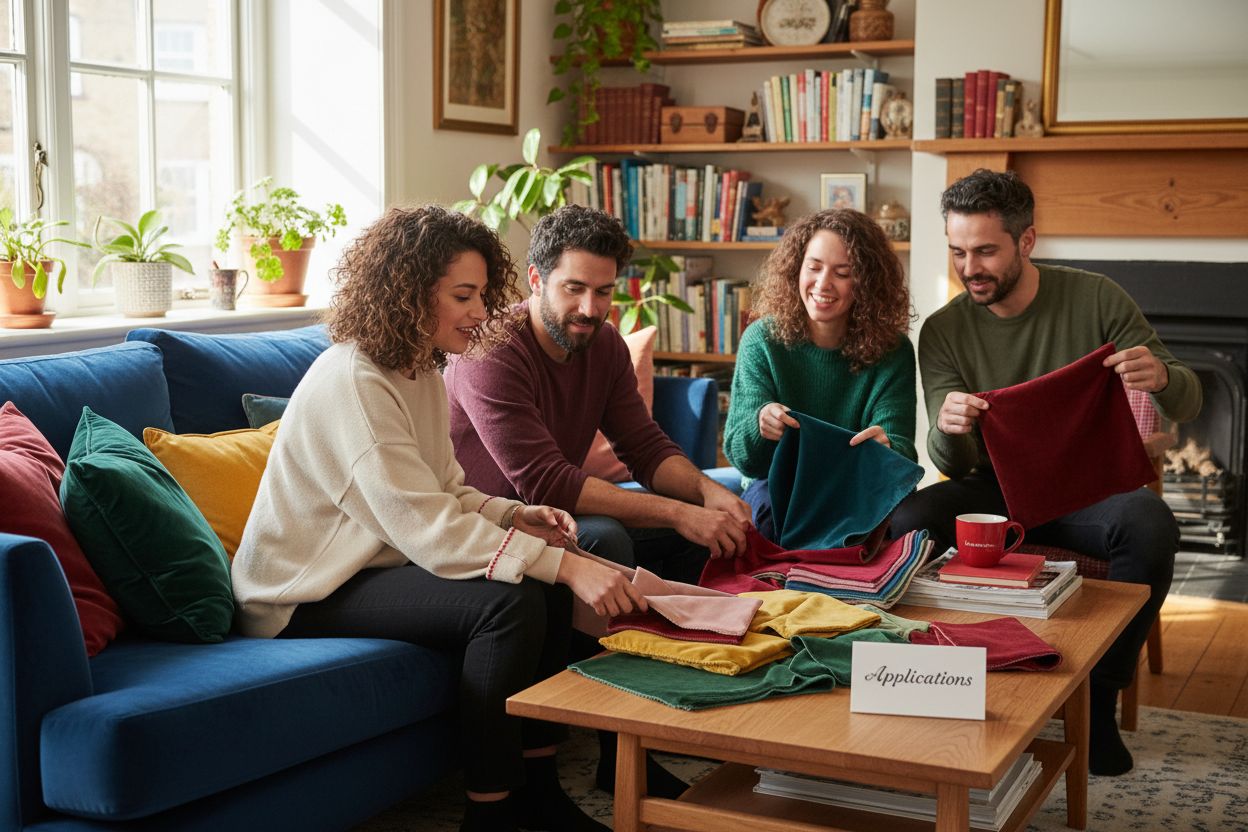
Velvet transcends mere aesthetic appeal to become a remarkably versatile material with wide-ranging applications across multiple creative and functional domains. Interior design professionals recognize velvet as a transformative textile capable of elevating projects from ordinary to extraordinary, offering unique textural and visual qualities.
In home design, velvet serves as a powerful design element that can dramatically transform living spaces. Upholstery made from velvet adds immediate sophistication to furniture, creating focal points in living rooms, bedrooms, and professional spaces. Decorative pillows, curtains, and throw blankets crafted from velvet introduce depth, warmth, and luxurious texture that conventional fabrics cannot replicate.
Key interior design applications include:
Fashion designers and crafters utilize velvet for its exceptional draping qualities and visual complexity. Clothing items such as blazers, evening gowns, and accessories benefit from velvet’s ability to capture and reflect light. Craft enthusiasts appreciate velvet for creating tactile, visually striking projects like handbags, costume design, and decorative accessories.
Personal project opportunities with velvet encompass:
Velvet’s remarkable versatility ensures it remains an essential material for designers, crafters, and creative professionals seeking to introduce elegance, texture, and visual intrigue into their work.
After exploring what makes velvet so alluring and unique, you might be wondering how to bring these rich textures and versatile uses into your own work. If you have ever struggled to find genuine, high-quality velvet that matches your creative vision—whether for elegant home décor, memorable fashion pieces, or standout craft projects—your solution is right at your fingertips. At fabric-fabric.com, you can discover an extensive selection of velvet fabrics, each carefully described to help you choose the perfect texture and style for your needs.
Elevate your next project with velvet’s unmistakable luxury and depth. Explore our velvet collection today and take advantage of detailed product listings, project-ready suggestions, and seasonal savings. Start transforming your ideas into inspiring realities with fabric-fabric.com right now.
Velvet can be made from a variety of materials including silk, cotton, synthetic fibers, and wool. Each base material contributes unique qualities to the final texture and appearance of the velvet.
Velvet is distinct from standard fabrics due to its unique weaving process, which involves creating two layers of fabric simultaneously, leading to its signature soft, dense pile surface and luxurious texture.
Velvet is widely used in high fashion for items like blazers and evening gowns, as well as in interior design for upholstery, drapery, and decorative accents, enhancing both aesthetic appeal and tactile experience.
Common types of velvet include silk velvet, cotton velvet, synthetic velvet, and specialized varieties like crushed velvet and panne velvet. Each type offers unique textures, appearances, and performance characteristics.