

 Canadian Dollars

7 Types of Upholstery Fabrics You Need to Know
Posted by BLG on 2025 Oct 3rd
Posted by BLG on 2025 Oct 3rd

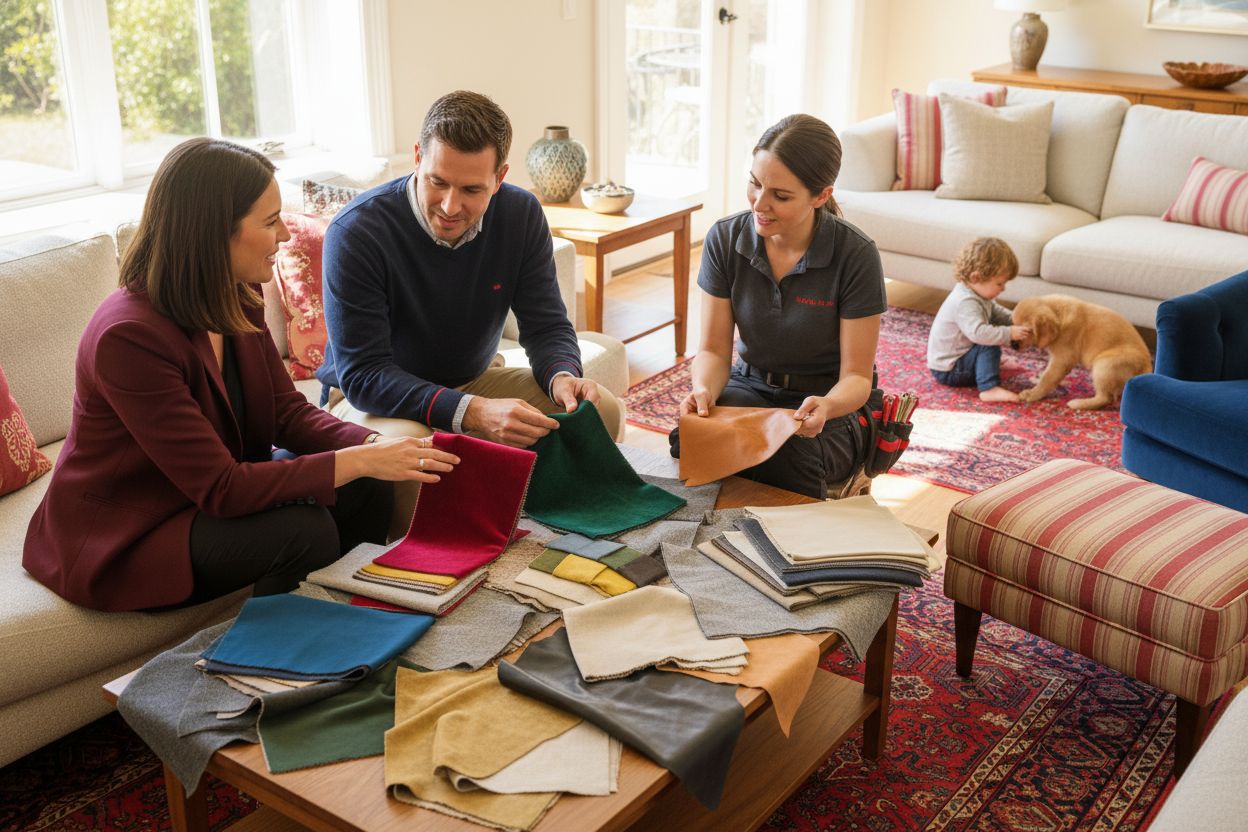
Upholstery fabric does more than just add color to a room. It is the key element that can make an old chair look brand new or turn a simple sofa into a statement piece. Most people pick a fabric because they like the way it looks but they often miss that fabric choice can seriously affect how long their furniture lasts. Here is something you might not expect: weave density and fiber composition can impact your furniture’s lifespan far more than price or brand name ever will.
| Takeaway | Explanation |
|---|---|
| Consider fabric durability first | For lasting furniture, prioritize how well the fabric withstands regular use and wear over time. |
| Assess maintenance needs | Evaluate how easy it is to clean and maintain the fabric’s appearance for your household’s lifestyle. |
| Understand aesthetic compatibility | Choose a fabric that seamlessly matches the color, texture, and design of your existing decor. |
| Explore natural vs synthetic options | Weigh the pros and cons of natural fibers like cotton and wool against synthetic choices for performance and cost. |
| Evaluate performance features | Focus on essential qualities like stain resistance and UV protection tailored to the specific use environment of your furniture. |
Upholstery fabrics represent the textile foundation that transforms furniture from basic functional pieces into stunning design statements. Understanding the nuanced world of these materials helps homeowners, interior designers, and furniture enthusiasts make informed choices about fabric selection, durability, and aesthetic appeal.
When exploring types of upholstery fabrics, several critical factors come into play. Textile Research Institute suggests that fabric selection involves more than just visual attraction. Professionals evaluate multiple characteristics to determine the most suitable material for specific furniture pieces and usage environments.
Key considerations for selecting upholstery fabrics include:
Fabric performance depends on multiple technical aspects. Weave density, fiber composition, and treatment processes significantly influence a fabric’s longevity and functional properties. Synthetic materials often provide enhanced durability compared to natural fibers, while natural fabrics offer unique texture and breathability.
American Society of Interior Designers recommends understanding fabric characteristics before making final selections. Consumers should consider factors like resistance to fading, staining, and potential allergen accumulation. Different environments demand specific fabric properties professional designers carefully evaluate.
The world of upholstery fabrics is rich with diversity. From luxurious silk to practical polyester blends, each material brings unique characteristics that can dramatically transform furniture and interior spaces. Selecting the right fabric requires balancing aesthetic preferences with practical performance requirements.
Natural fiber fabrics represent a cornerstone of upholstery textiles, offering unique characteristics that synthetic materials cannot replicate. Textile Exchange notes that natural fibers have been fundamental in furniture design for centuries, providing exceptional comfort and aesthetic appeal.
These fabrics originate from plant and animal sources, each bringing distinct properties to upholstery design. Cotton, wool, silk, and linen stand out as premier natural fiber options, each delivering specific performance attributes that make them valuable in different furniture applications.
Key characteristics of natural fiber fabrics include:
Cotton remains the most versatile natural fiber for upholstery. Lightweight and soft, it works beautifully in casual living spaces. Wool offers superior durability and natural flame resistance, making it ideal for high-traffic areas and commercial settings. International Wool Textile Organization emphasizes wool’s remarkable resilience and ability to maintain shape under repeated use.
Silk represents the luxury end of natural fibers. Delicate yet surprisingly strong, silk upholstery adds elegance to formal spaces. However, its sensitivity to sunlight and potential for staining requires careful maintenance. Linen provides a crisp, natural texture that works wonderfully in modern and minimalist design schemes.
Natural fiber selection involves understanding each material’s strengths and limitations. Factors like climate, intended use, and maintenance capabilities play crucial roles in determining the most suitable fabric. While these fabrics offer exceptional beauty, they often require more specialized care compared to synthetic alternatives.
Designers and homeowners seeking authentic, breathable, and environmentally conscious upholstery materials will find natural fibers an excellent choice. Their ability to age gracefully and develop unique character over time sets them apart from mass-produced synthetic textiles.
Synthetic fabrics revolutionized upholstery design by introducing materials with exceptional performance characteristics. American Textile Manufacturers Association highlights that these engineered textiles offer unprecedented durability and versatility in furniture manufacturing.
Polyester, nylon, acrylic, and microfiber represent the primary synthetic fabric options that have transformed modern upholstery expectations. These materials provide solutions for challenging environmental conditions and usage scenarios.
Key advantages of synthetic upholstery fabrics include:
Polyester stands out as the most prevalent synthetic fabric. Lightweight and resilient, it resists wrinkles and maintains its shape exceptionally well. Synthetic Textile Research Center confirms polyester’s superior performance in high-traffic areas, making it ideal for family homes and commercial spaces.
Nylon offers unparalleled strength and abrasion resistance. Its molecular structure allows it to withstand significant wear, making it perfect for furniture subjected to intense usage. Microfiber represents another breakthrough, featuring incredibly fine synthetic fibers that create a soft, suede-like texture while maintaining remarkable durability.
Acrylic fabrics provide excellent outdoor performance, resisting moisture, sunlight, and potential mildew growth. These materials maintain color vibrancy and structural integrity even in challenging environmental conditions. Unlike natural fibers, synthetic options can be engineered with specific performance characteristics tailored to precise requirements.
Synthetic upholstery fabrics represent more than just a technological advancement. They embody a strategic approach to furniture design, balancing aesthetic appeal with practical functionality. For consumers seeking low-maintenance, durable, and cost-effective textile solutions, synthetic fabrics offer an unmatched combination of performance and style.
Performance fabrics represent a sophisticated category of upholstery materials engineered to deliver exceptional functionality beyond traditional textile expectations. Textile Performance Institute defines these advanced materials as specialized textiles designed to withstand challenging environmental conditions and intense usage scenarios.
Durability, resistance, and adaptability form the core principles of performance fabric selection. These materials go far beyond aesthetic considerations, focusing on practical application and long-term resilience.
Critical factors to evaluate in performance fabrics include:
Performance fabrics utilize advanced technological treatments that enhance their fundamental properties. Nanotechnology enables fabric surfaces to become hydrophobic, creating protective barriers against spills and contamination. Advanced Materials Research Center highlights how chemical treatments can transform standard textiles into high-performance solutions.
Moisture-wicking technologies represent another breakthrough in performance fabric design. These innovative materials actively move liquid away from the fabric surface, preventing staining and maintaining a clean appearance. Specialized synthetic blends combine multiple fiber types to maximize performance characteristics.
Environmental adaptability distinguishes performance fabrics from traditional upholstery materials. Fabrics engineered for outdoor furniture must withstand extreme temperature fluctuations, intense UV exposure, and potential moisture intrusion. Indoor performance fabrics focus on maintaining appearance and structural integrity under heavy use conditions.
Consumers should recognize that performance fabrics represent an investment in long-term furniture preservation. While initial costs might exceed traditional materials, the extended lifespan and reduced maintenance requirements often justify the higher upfront expense. Selecting the right performance fabric requires careful evaluation of specific usage environments and anticipated wear patterns.
Velvet represents one of the most luxurious and complex upholstery fabrics, offering unparalleled texture and visual depth. Textile Heritage Foundation describes velvet as a uniquely constructed fabric characterized by its distinctive pile and exceptional tactile qualities.
Complexity and sophistication define velvet’s manufacturing process. Unlike standard woven textiles, velvet requires specialized weaving techniques that create its signature raised surface, resulting in a fabric that captures and reflects light in mesmerizing ways.
Key characteristics of velvet upholstery include:
Modern velvet fabrics emerge from diverse fiber sources, including cotton, silk, synthetic polyester, and innovative blends. International Textile Research Center notes that contemporary manufacturing techniques have expanded velvet’s performance capabilities beyond traditional limitations.
Synthetic velvet offers remarkable advantages for contemporary upholstery applications. Durability and stain resistance make these materials ideal for high-traffic areas and homes with children or pets. Polyester-based velvets maintain their luxurious appearance while providing practical performance characteristics.
Designers appreciate velvet’s ability to transform furniture into statement pieces. The fabric’s unique light-absorbing and reflecting properties create visual interest, making even simple furniture designs appear sophisticated. Color selection becomes critical, as velvet’s texture dramatically influences how colors appear under different lighting conditions.
Consumers should understand velvet’s maintenance requirements. While luxurious, these fabrics demand careful cleaning and occasional professional treatment to preserve their distinctive texture. Careful brushing and avoiding direct sunlight help maintain the fabric’s original appearance and prevent potential fiber degradation.
Leather represents a timeless upholstery material that combines natural beauty with exceptional durability. International Leather Association recognizes leather as a premium textile that offers unparalleled aesthetic and functional qualities for furniture design.
Authenticity and performance distinguish genuine leather from synthetic alternatives. The material’s unique characteristics emerge from complex processing techniques that transform raw animal hides into sophisticated upholstery solutions.
Key considerations for leather upholstery include:
Modern leather alternatives have emerged to address ethical and economic concerns. Synthetic leather, or pleather, provides comparable aesthetic qualities at a more accessible price point. Textile Innovation Center highlights technological advancements that create increasingly sophisticated leather substitutes.
Vegan leather options utilize innovative materials like recycled plastics, cork, and plant-based polymers. These alternatives offer environmental benefits while maintaining similar visual and tactile properties to traditional leather. Polyurethane-based materials provide excellent durability and versatility, making them attractive for contemporary furniture design.
Quality leather selection involves understanding different grades and treatments. Full-grain leather represents the highest quality, preserving the hide’s natural surface. Top-grain and corrected-grain leathers offer more uniform appearances with enhanced processing. Each grade presents unique characteristics that influence durability, appearance, and maintenance requirements.
Consumers must consider environmental conditions and intended usage when selecting leather or leather alternatives. While traditional leather offers exceptional longevity, synthetic options provide greater flexibility in color, texture, and maintenance. The choice ultimately depends on individual preferences, budget constraints, and specific functional requirements for the intended furniture piece.
Selecting the ideal upholstery fabric requires strategic evaluation of multiple factors beyond aesthetic appeal. Interior Design Research Institute emphasizes that fabric selection represents a complex decision involving technical performance and personal style preferences.
Functionality and visual harmony should guide fabric selection, ensuring the chosen material meets both practical and design requirements. Understanding your specific environment and usage patterns becomes crucial in making an informed decision.
Critical factors to consider when selecting upholstery fabric include:
Textile Performance Association recommends conducting thorough fabric assessments before making final selections. Professional designers utilize specialized techniques to evaluate fabric durability, including rub count testing and stain resistance measurements.
Color and pattern selection requires careful consideration of existing interior design elements. Neutral tones provide versatility, while bold patterns can create striking focal points. Fabric samples should be examined under different lighting conditions to understand their true appearance and potential color variations.
Budget plays a significant role in fabric selection. While premium materials offer superior performance, innovative synthetic blends provide cost-effective alternatives that deliver comparable functionality. Consumers should balance initial investment with expected longevity and maintenance requirements.
Additional practical considerations include fabric weight, texture, and potential color fading. Sunlight exposure, humidity levels, and potential contact with direct heat sources can dramatically impact fabric performance. Professional consultation can help navigate these complex selection criteria, ensuring optimal fabric choice for specific furniture pieces and lifestyle needs.
Below is a comprehensive table summarizing the main types, properties, and considerations for upholstery fabric selection covered throughout the article.
| Category | Key Features/Types | Primary Benefits | Considerations for Use |
|---|---|---|---|
| Natural Fiber Fabrics | Cotton, Wool, Silk, Linen | Breathability, comfort, eco-friendliness | Often require specialized care and are climate-sensitive |
| Synthetic Fabrics | Polyester, Nylon, Acrylic, Microfiber | Stain resistance, color retention, affordability | May lack the authentic texture of naturals |
| Performance Fabrics | Treated Synthetics, Specialized Blends | Enhanced stain resistance, UV protection, durability | Higher initial cost but longer lifespan |
| Specialty Fabrics (Velvet) | Cotton, Silk, Synthetic Velvet | Rich texture, visual depth, luxury feel | Needs careful maintenance, sensitive to sunlight |
| Leather & Alternatives | Genuine Leather, Pleather, Vegan Leather (PU, plant) | Exceptional durability, aesthetic appeal, patina | Cost, environmental/ethical factors, grade differences |
| Fabric Selection Considerations | Usage location, household needs, maintenance, budget | Optimized performance, visual harmony, cost balance | Evaluate rub count, sample testing, professional input |
| General Takeaways | Prioritize durability and maintenance; weigh options | Longevity, ease of care, improved design outcomes | Match fabric to lifestyle, climate, and decor style |
Struggling to balance beauty with performance when picking upholstery fabric? If you find yourself worrying about durability, maintenance, or matching the right fabric to your home or commercial space, you are not alone. After reading about natural and synthetic options, performance textiles, and specialty materials like velvet and leather in this guide, you probably want more than just information. You need easy access to a wide variety of choices backed by clear details so that you can choose the right fabric with confidence.
Looking for quality and inspiration all in one place? At fabric-fabric.com, you can browse a huge selection of fabrics including everything mentioned in the article—from tough synthetics and cottons to luxe velvets and specialty blends. Each product comes with real usage suggestions and pricing, making it simple to compare options for your next upholstery upgrade. Our site lets you find fabrics by intended use, which means less guesswork and more confidence in your purchase.

Ready to turn your design ideas into reality? Visit fabric-fabric.com right now to unlock detailed listings, current discounts, and fast delivery. Shop today and enjoy the satisfaction of finding exactly what your project needs—transforming information from this article into beautiful results.
When choosing upholstery fabric, consider durability, maintenance requirements, and aesthetic qualities. It’s essential to evaluate how the fabric will perform in your specific environment and usage patterns.
The primary types of natural fiber upholstery fabrics include cotton, wool, silk, and linen. Each of these materials offers unique properties such as breathability, comfort, and aesthetic appeal, making them suitable for various applications.
Synthetic upholstery fabrics, such as polyester and nylon, offer numerous advantages, including stain resistance, color retention, and cost-effectiveness. They are designed to withstand intense usage and challenging environmental conditions, making them ideal for high-traffic areas.
Performance fabrics are engineered to offer superior durability, stain resistance, UV protection, and antimicrobial properties compared to traditional upholstery materials. They are designed for challenging environments and intensive use, thus extending the lifespan of upholstered furniture.