

 Canadian Dollars

Complete Guide to the Role of Velvet in Interiors
Posted by BLG on 2025 Oct 14th
Posted by BLG on 2025 Oct 14th

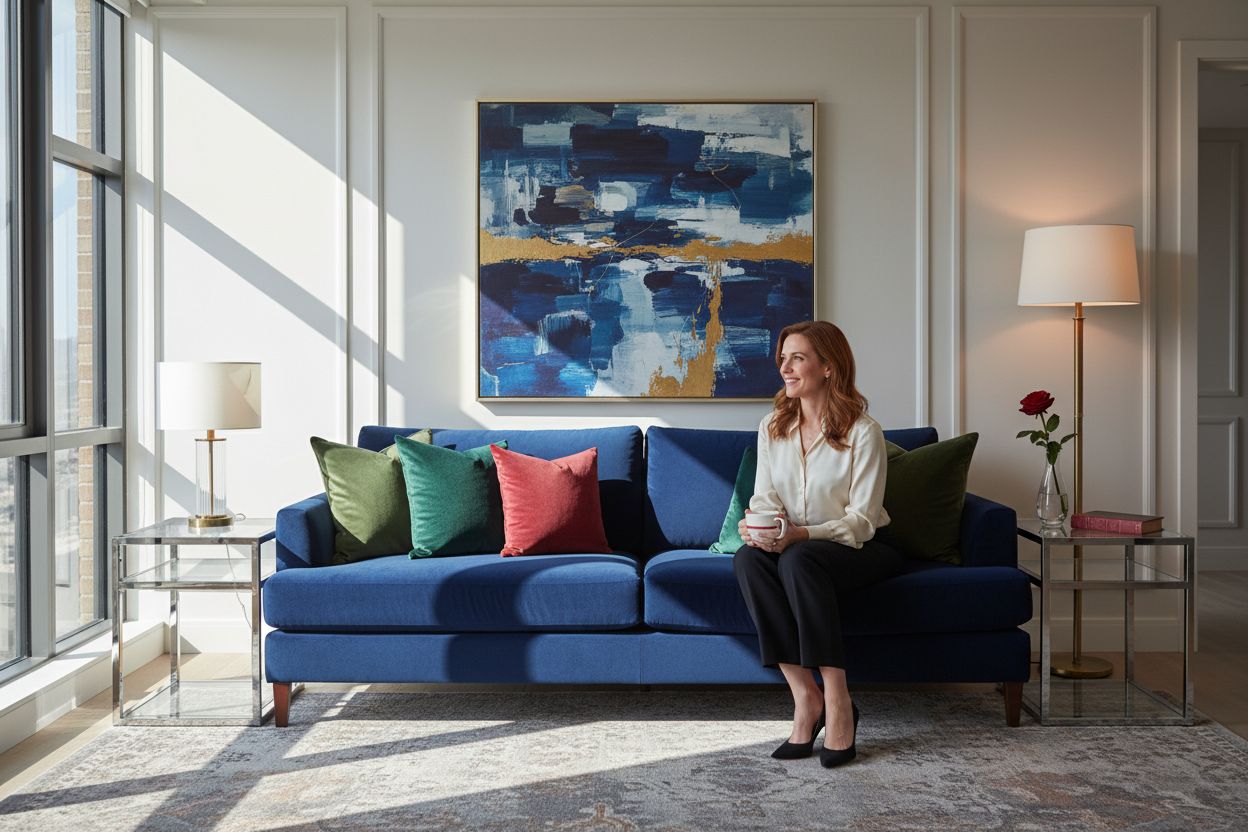
Did you know that velvet has been prized for centuries as a symbol of luxury and elegance? This fabric’s shimmering surface and plush texture make it a favorite among designers looking to create cozy yet impressive interiors. People are drawn to velvet because it catches light in remarkable ways, instantly adding depth and warmth to living spaces. Whether you want a small pop of glamour or a bold focal point, velvet offers endless options for crafting interiors that truly stand out.
| Point | Details |
|---|---|
| Luxurious Aesthetic | Velvet is a tactile, light-interactive fabric that transforms interiors by adding depth and sophistication. Its historical association with royalty elevates any design context. |
| Variety of Types | Different types of velvet, such as silk, cotton, and polyester, offer unique textures and durability options suitable for various design needs. |
| Maintenance Requirements | Velvet requires careful maintenance, including regular vacuuming and immediate spill response, to preserve its luxurious appearance. |
| Cost Considerations | While velvet is a premium material, alternatives like velveteen and microfiber provide similar aesthetics at lower costs and maintenance needs. |
Velvet isn’t just a fabric - it’s an experience. Velvet is a uniquely woven textile characterized by its dense, luxurious pile created by cutting warp yarns, which gives it an extraordinary ability to interact with light and texture. According to Wikipedia, this special weaving technique produces a fabric that captures and reflects light in mesmerizing ways, instantly elevating any interior space.
The magic of velvet lies in its sensory appeal. As research from UK Home Improvement suggests, velvet brings a distinctive tactile softness that transcends visual perception. Its opulent texture creates a cocooning atmosphere that transforms rooms from ordinary to extraordinary. When strategically used, velvet can:
Beyond its aesthetic qualities, velvet carries historical elegance. Its association with royal chambers and high-end design means incorporating this fabric signals refinement. Whether as throw pillows, upholstery, or accent pieces, velvet communicates a sense of intentional, curated style that speaks volumes about your design sensibilities. The fabric doesn’t just decorate a space - it transforms it.
Velvet is far from a one-size-fits-all fabric. According to research from Wikipedia, the world of velvet encompasses an impressive array of types, each bringing its unique character to interior design. From ciselé to crushed, embossed to devoré, these variations offer designers and homeowners an incredible palette of textures and visual effects.
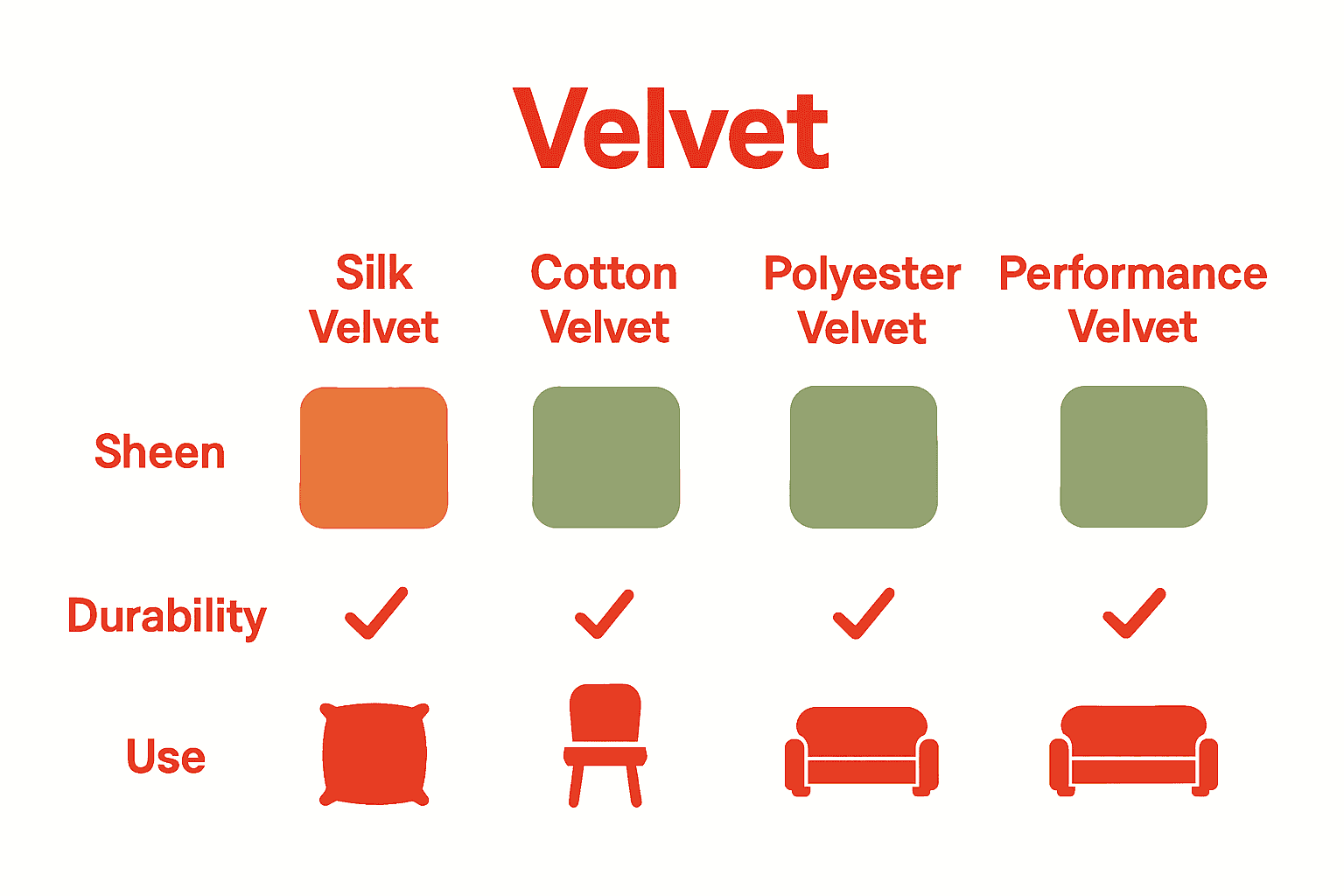
Here’s a comparison of popular velvet types used in interior design:
| Type | Material | Key Features | Best Use Cases |
|---|---|---|---|
| Silk Velvet | Silk | Ultra-luxurious High sheen |
Accent pieces Formal settings |
| Cotton Velvet | Cotton | Durable Matte finish |
Sofas High-traffic areas |
| Polyester Velvet | Polyester | Affordable Low maintenance |
Budget projects Kids’ rooms |
| Rayon Velvet | Rayon blend | Soft Silk-like texture |
Decorative accents |
| Performance Velvet | Polyester blend | Stain-resistant Durable |
Family rooms Pet-friendly homes |
The foundation of velvet’s diversity starts with its base material. China Sofa Fabric highlights several key varieties:
Beyond material, velvet gets truly interesting with its texture variations. Crushed velvet creates a dramatically wrinkled surface that catches light dramatically, while embossed velvet features intricate pressed patterns that add depth and visual interest. Utrecht velvet, with its unique weave, provides yet another distinctive option for those seeking something beyond the standard smooth finish.
Whether you’re looking to create a luxurious living room, a cozy bedroom accent, or an elegant home office, there’s a velvet type perfectly suited to your design vision.
 The key is understanding how each variation can transform a space through its unique light-reflecting and textural properties.
Velvet is more than just a pretty fabric - it’s a design powerhouse with remarkable functional and aesthetic qualities. According to research from China Sofa Fabric, its unique pile structure creates extraordinary visual and sensory experiences that transform interior spaces.
The most striking property of velvet is its incredible light interaction. Its dense pile catches and reflects light in ways no other fabric can, creating depth and visual richness that immediately elevates a room’s aesthetic. When light hits velvet, it produces a mesmerizing effect that makes surfaces appear to shift and change with movement.
Beyond its visual appeal, velvet offers surprising practical advantages:
As UK Home Improvement notes, velvet introduces an indulgent softness that feels simultaneously luxurious and welcoming. Even a small velvet accent - like a throw pillow or chair - can dramatically transform a space’s emotional atmosphere, making rooms feel more sophisticated and intentionally designed. Its ability to communicate elegance with just a touch makes velvet a designer’s secret weapon for creating memorable, inviting interiors.
Velvet isn’t just a fabric - it’s a versatile design element that can transform spaces from ordinary to extraordinary. According to Table Cloths Factory, this luxurious textile finds its way into numerous interior design applications, offering designers and homeowners endless creative possibilities.
Lakdi Design highlights that modern interiors are embracing velvet in statement furniture pieces. The most popular applications include:
Beyond major furniture pieces, velvet shines in smaller decorative applications. Think throw pillows in jewel tones, table runners, decorative garlands, and small ottomans that add visual drama without overwhelming a space. Crushed velvet, in particular, provides texture and movement that can instantly elevate a room’s sophistication.
For practical spaces, performance velvets have emerged as a game-changer. These modern fabric variations offer stain resistance and enhanced durability, making them perfect for homes with pets, children, or high-traffic areas. Whether you’re going for a bold statement or subtle elegance, velvet provides a versatile design solution that combines luxury with functionality.
Velvet requires thoughtful maintenance to preserve its luxurious appearance and texture. According to HGTV, maintaining velvet isn’t complicated - it just demands a bit of strategic care and attention.
Architectural Digest recommends a comprehensive approach to velvet care that focuses on prevention and gentle maintenance:
The key to velvet’s longevity is understanding its delicate nature. Always test cleaning products in an inconspicuous area first, and avoid saturating the fabric. For spot cleaning, use a specialized upholstery cleaner designed for delicate fabrics. White vinegar mixed with water can work for light stains, but always approach with caution.
Consider the velvet’s location and usage when planning maintenance. High-traffic areas might need more frequent gentle cleaning, while decorative pieces require minimal intervention. Performance velvets offer more durability, but even these benefit from consistent, careful maintenance. With the right approach, your velvet pieces can remain stunning for years, continuing to add luxury and sophistication to your interior spaces.
Velvet isn’t a one-size-fits-all solution for interior design. According to UK Home Improvement, the fabric’s luxurious nature comes with specific considerations that designers and homeowners must carefully evaluate.
Luxury comes at a price. Silk velvet represents the pinnacle of expense, with prices that can quickly escalate for high-quality pieces. Different velvet types present varied investment levels:
The risk with velvet is its potential to appear overwhelming or dated if not strategically implemented. As research suggests, velvet can look tacky when overused or poorly matched with other design elements. The key is balance - using velvet as an accent rather than a dominant fabric.
Wikipedia highlights compelling alternatives that mimic velvet’s luxurious feel:
These alternatives offer similar aesthetic appeal with potentially lower maintenance and cost, providing flexible options for design-conscious individuals seeking velvet’s luxurious essence without its complete commitment.
Are you inspired to bring the irresistible depth and luxury of velvet into your home after reading our comprehensive guide? Many readers face the challenge of not only finding the right type of velvet but also securing high-quality fabric that performs beautifully for specific projects. From maintaining that signature soft pile for upholstery to selecting durable, easy-to-clean options for active family rooms, choosing the perfect velvet is crucial for achieving both elegance and practicality.
Experience the difference with https://fabric-fabric.com and discover a curated selection of premium velvets in a variety of textures and colors. Whether you are searching for silk velvet to create a dramatic statement piece or performance velvet for everyday living, our detailed product descriptions and usage tips will guide your decisions. Shop now and transform your design vision into reality while current discounts and free shipping offers are live. Start browsing our exclusive velvet fabrics collection online today.
Velvet is a luxurious fabric known for its soft texture and rich visual appeal. Its unique weave captures light in dynamic ways, adding depth and sophistication to interior spaces, making it a popular choice for designers.
Common types of velvet include silk velvet, cotton velvet, polyester velvet, and performance velvet. Each type has distinctive characteristics, such as silk’s luxurious sheen or polyester’s durability, allowing for various applications in home decor.
Caring for velvet involves regular vacuuming with soft brush attachments, blotting spills immediately, and using a gentle fabric brush to restore the pile. Professional cleaning is recommended for deeper maintenance once a year.
Velvet can be expensive, especially silk varieties, and it may appear overwhelming if overused. It requires thoughtful application to avoid looking dated or mismatched in a design scheme.