

 Canadian Dollars

7 Essential Types of Velvet Fabrics for Designers and Crafters
Posted by BLG on 2025 Nov 4th
Posted by BLG on 2025 Nov 4th

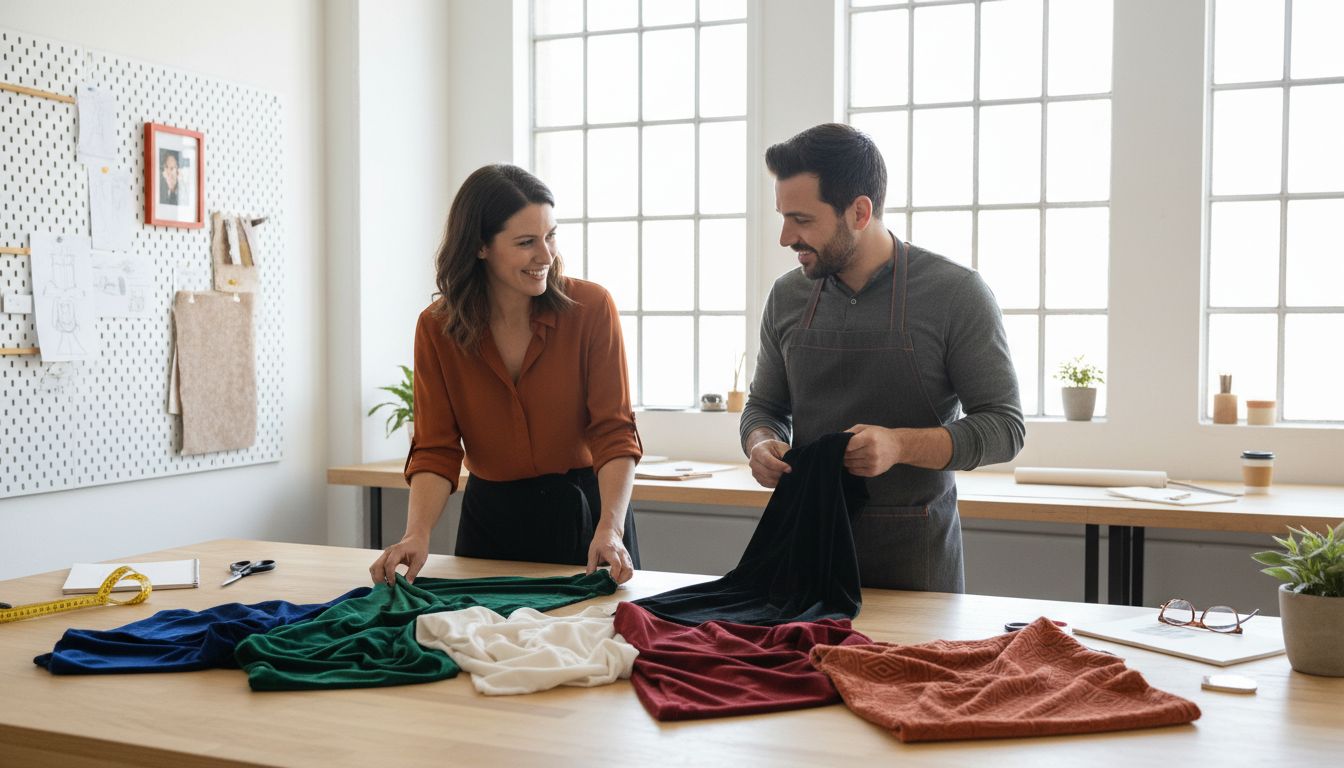
Velvet comes in more than just one rich texture, and each type gives you a fresh way to make a statement with fashion or home design. Over 60 percent of designers say unique velvet finishes influence the impact of their work. Whether you crave bold shimmer, want soft luxury under your fingertips, or need fabric that lasts through everyday life, the right velvet can transform your next project. This guide reveals how each celebrated velvet style brings its own personality and practical benefits.
| Takeaway | Explanation |
|---|---|
| 1. Crushed velvet creates bold visual statements. | The unique wrinkled texture catches light beautifully, making ordinary designs stand out dramatically. |
| 2. Silk velvet offers luxury and durability. | Its smooth feel and strength elevate high-end fashion and home decor, making it a sophisticated choice. |
| 3. Cotton velvet is ideal for everyday use. | This durable fabric withstands regular wear and washing while maintaining its plush softness and appeal. |
| 4. Stretch velvet adds comfort to fitted designs. | Its elasticity allows for greater flexibility in garments, providing both style and comfort without sacrificing texture. |
| 5. Velveteen offers a budget-friendly velvet alternative. | This cotton-based fabric mimics the look of velvet, making it suitable for various practical applications without high cost. |
Crushed velvet is the rebellious rock star of fabric textures. Unlike traditional smooth velvet, this material boasts an intentionally wrinkled surface that transforms ordinary designs into extraordinary statements.
According to the Vintage Fashion Guild, crushed velvet achieves its signature look by twisting the fabric while wet or pressing it in multiple directions. This technique creates an uneven, lustrous appearance that catches light dramatically and adds incredible visual depth.
The magic of crushed velvet lies in its ability to transform simple garments or home decor pieces into striking focal points. When light hits the fabric, its irregular surface produces a shimmering effect that looks simultaneously elegant and edgy. Fashion designers and interior decorators love this fabric because it adds instant drama and texture to any project.
Practical applications for crushed velvet are wonderfully versatile. You can use this fabric for:
As research from the CAMEO Fashion Archive confirms, crushed velvet can be crafted from various materials including silk, wool, cotton, and synthetic fibers. This flexibility means you can find a crushed velvet option that fits almost any budget or design requirement.
When working with crushed velvet, remember that its textured surface requires gentle handling. Always check fabric care instructions and consider professional cleaning to maintain its distinctive wrinkled appearance. Your bold fabric choice will reward you with a look that stands out in any setting.
Silk velvet is the epitome of textile sophistication. This extraordinary fabric represents an exquisite fusion of silk’s natural refinement and velvet’s sumptuous texture.
According to research from the Yale Teachers Institute, silk originates from Bombyx mori larvae and is renowned for its exceptional smooth feel and remarkable strength. When transformed into velvet, this material becomes something truly extraordinary. Silk velvet elevates textile projects from ordinary to extraordinary with its unparalleled combination of softness and durability.
The unique characteristics of silk velvet stem from its intricate production process. Unlike synthetic alternatives, genuine silk velvet possesses a natural sheen that catches light in mesmerizing ways. Its surface reflects illumination with a luminous quality that synthetic fabrics cannot replicate.
Practical applications for silk velvet are remarkably diverse. You can incorporate this luxurious fabric into:
Research from the American Textile History Museum confirms that silk velvet offers both aesthetic beauty and functional strength. When selecting silk velvet for your project, consider its weight and intended use. Lighter weights work beautifully for clothing while heavier variants excel in upholstery and home decor.
Pro tip for crafters: Always handle silk velvet with care. Use sharp scissors for cutting, press with a low heat setting, and consider professional cleaning to maintain its luxurious appearance. Your textile project will radiate elegance and sophistication with this remarkable fabric.
Cotton velvet, often referred to as velveteen, is the workhorse of velvet fabrics. This versatile textile combines the luxurious softness of velvet with the practical strength of cotton fibers.
According to the Vintage Fashion Guild, cotton velvet stands out for its remarkable durability and resilient pile surface. Everyday wearability is the hallmark of this fabric, making it an excellent choice for people who want style without fragility.
The unique composition of cotton velvet allows it to withstand regular use while maintaining its plush texture. Unlike more delicate velvet varieties, cotton velvet can handle frequent washing and wear without losing its characteristic softness. As research from CAMEO Fashion Archive confirms, cotton provides breathability and strength that synthetic fabrics cannot match.
Practical applications for cotton velvet are incredibly versatile. You can use this fabric for:
When selecting cotton velvet for your project, pay attention to the fabric weight. Lighter weights work great for clothing while heavier variants excel in upholstery and home furnishings. Always prewash the fabric to prevent shrinkage and test for colorfastness before your final project.
Pro tip for crafters: Cotton velvet looks best when cut with sharp scissors and sewn with a walking foot on your sewing machine. This approach ensures clean lines and prevents fabric slippage during construction. Your cotton velvet projects will not just look beautiful but will also stand up to years of regular use.
Stretch velvet is the chameleon of fabric world. This innovative textile combines the luxurious texture of traditional velvet with remarkable elasticity, creating a material that moves with your body.
According to research from the Yale Teachers Institute, stretch velvet integrates elastic fibers to provide unprecedented comfort and flexibility. Fitted garment design reaches new heights with this extraordinary fabric that adapts to movement while maintaining its plush appearance.
The magic of stretch velvet lies in its unique composition. By incorporating elastic materials into the velvet weave, manufacturers create a fabric that stretches and recovers its shape. This means your clothing can provide both style and comfort without sacrificing the rich visual texture that makes velvet so appealing.
Practical applications for stretch velvet are wonderfully diverse. You can use this fabric for:
Research from the American Textile History Museum highlights that stretch velvet offers exceptional moisture absorption and breathability. When working with this fabric, choose patterns specifically designed for knit or stretch materials to maximize its potential.
Pro tip for crafters: Use a ballpoint or stretch needle when sewing stretch velvet. This prevents fabric damage and ensures smooth, professional looking seams. Your stretch velvet projects will not just look stunning but will provide unparalleled comfort and movement.
Velour is the cozy cousin of velvet that brings luxurious comfort to home design. This fabric offers a plush texture that transforms ordinary spaces into inviting sanctuaries.
According to the Vintage Fashion Guild, velour features a unique construction with a plain or twill weave back and an extra set of warp yarns creating its signature pile. Textile engineering meets design elegance in this remarkably adaptable material.
The architectural brilliance of velour lies in its specialized weaving technique. Unlike traditional velvet, velour provides a softer, more matte surface that absorbs light rather than reflecting it. This quality makes it perfect for creating warm, welcoming interior environments that feel both sophisticated and comfortable.
Practical applications for velour are wonderfully expansive. You can incorporate this fabric into:
Research from CAMEO Fashion Archive confirms that velour can be crafted from multiple fibers, offering flexibility in texture and price point. When selecting velour for your home decor, consider the room’s lighting and existing color palette to maximize its visual impact.
Pro tip for designers: Velour works best in spaces where you want to create a sense of warmth and intimacy. Its soft surface absorbs sound and provides visual depth, making it ideal for creating cozy, inviting environments. Choose colors that complement your existing decor and watch your space transform.
Velveteen is the budget friendly hero of textured fabrics. This cotton based material delivers the luxurious look of velvet without the hefty price tag.
According to the Vintage Fashion Guild, velveteen features a short, dense pile that mimics traditional velvet’s rich appearance. Cost effective elegance becomes more than just a dream with this versatile fabric.
The scientific magic of velveteen lies in its unique construction. Unlike expensive silk or synthetic velvets, this fabric uses cotton fibers woven in a way that creates a soft, plush surface. The result is a material that looks sophisticated but remains incredibly practical for everyday use.
Practical applications for velveteen are impressively broad. You can use this fabric for:
Research from CAMEO Fashion Archive confirms that velveteen provides remarkable durability alongside its classic aesthetic. When selecting velveteen, pay attention to the pile direction to ensure a consistent, rich appearance across your project.
Pro tip for crafters: Velveteen works best when cut with sharp scissors and sewn using a walking foot. This approach prevents fabric slipping and ensures clean, professional looking results. Your budget friendly projects will look anything but cheap.
Embossed velvet transforms ordinary fabric into a canvas of textural artistry. This technique elevates velvet from simple material to a storytelling medium with intricate raised patterns and designs.
According to the Vintage Fashion Guild, embossing involves carefully treating velvet to create decorative patterns that add dimensional visual interest. The process uses heat and pressure to permanently reshape the fabric surface, creating stunning three dimensional textures.
The artistic magic of embossed velvet lies in its ability to play with light and shadow. When pressure is applied to the fabric, some areas are compressed while others remain raised, creating a mesmerizing topographical effect that changes appearance depending on viewing angle and illumination.
Practical applications for embossed velvet are wonderfully creative. You can use this fabric for:
Research from CAMEO Fashion Archive confirms that velvet can be transformed through various decorative techniques. When working with embossed velvet, consider the pattern scale and how it interacts with your specific project.
Pro tip for designers: Choose embossed velvet patterns that complement your overall design aesthetic. Geometric patterns create modern looks while floral designs offer a more traditional feel. Your creative vision can truly come alive with this remarkable fabric.
Below is a comprehensive table summarizing the different types of velvet fabrics discussed throughout the article, highlighting their unique characteristics, applications, and key considerations.
| Fabric Type | Characteristics | Applications | Key Considerations |
|---|---|---|---|
| Crushed Velvet | Intentionally wrinkled, lustrous appearance | Bold evening wear, home decor, accessories, theatrical costumes | Gentle handling, professional cleaning recommended |
| Silk Velvet | Natural sheen, softness, and durability | High end fashion, home decor, accessories, professional costumes | Handle with care, sharp scissors, low heat pressing |
| Cotton Velvet | Durable, breathable, resilient pile | Loungewear, upholstery, accessories, children’s clothing | Prewash, check fabric weight, use sharp scissors |
| Stretch Velvet | Elasticity, luxurious texture | Dance costumes, athletic wear, fitted evening wear | Use knit patterns, ballpoint needle |
| Velour | Plush texture, matte surface | Home decor, accent furniture, window treatments | Great for warm, intimate environments |
| Velveteen | Short, dense pile, cost effective | Winter clothing, budget decor, children’s clothing | Pile direction matters, budget friendly |
| Embossed Velvet | Intricate raised patterns through embossing | Home decor, statement clothing, upholstery | Choose patterns to match design aesthetic |
Choosing the right velvet fabric can feel overwhelming when aiming for the perfect blend of texture, durability, and elegance. Whether you are creating bold evening wear with crushed velvet, luxurious home decor using velour, or flexible fitted garments with stretch velvet, finding high-quality fabric that fits your design vision and budget is key.
At fabric-fabric.com, we understand these challenges and offer a carefully curated selection of velvet fabrics tailored for designers, crafters, and hobbyists. Our site provides detailed product descriptions and practical usage tips so you can confidently select from cotton velvet, silk velvet, embossed velvet, and more.
Explore our extensive velvet collection to elevate your creations with fabrics that perform beautifully and inspire creativity.

Ready to bring texture and luxury to your projects? Visit our online store now to browse quality velvet fabrics and take advantage of seasonal deals. Start transforming your ideas into stunning realities today.
Crushed velvet has a wrinkled texture that adds visual depth and drama, making it suitable for striking garments and decor. In contrast, silk velvet offers a smooth, luxurious feel with a natural sheen that elevates sophistication. Choose crushed velvet for bold designs and silk velvet for elegant, high-end projects.
To maintain cotton velvet’s durability, wash it gently in cold water and avoid high heat during drying. Prewash the fabric before starting your project to prevent future shrinkage and ensure colorfastness.
Stretch velvet is ideal for fitted garments like dance costumes, leggings, and elegant evening wear due to its elasticity and comfort. Choose patterns specifically designed for knit fabrics to maximize the benefits of stretch velvet in your designs.
When using embossed velvet, pay close attention to the pattern scale and its interaction with your overall design. Make sure to align the embossed patterns correctly to maintain a cohesive look in your finished project.
Yes, velveteen is a great choice for children’s clothing due to its durability and soft texture. Ensure that you check the pile direction when cutting to maintain a consistent appearance in your cost-effective designs.
Embossed velvet can be used creatively for home decor, including unique pillows, statement wall hangings, or artistic clothing pieces. Explore different patterns to enhance the visual intrigue in your projects.