

 Canadian Dollars

What Is Sateen? Properties, Uses, and Care Explained
Posted by BLG on 2026 Mar 31st
Posted by BLG on 2026 Mar 31st


Many people confuse sateen with satin, assuming they’re interchangeable luxury fabrics. In reality, sateen is a fabric made from cotton or cotton blends, woven in a satin weave pattern that creates a smooth, lustrous surface with subtle sheen. This distinction matters for hobbyists and professionals selecting materials for garments, home décor, or quilting projects. Understanding sateen’s unique properties, weave variations, and care requirements helps you make informed fabric choices that match your project needs. We’ll explore what sets sateen apart, how to use it effectively, and proven strategies to maintain its beauty.
| Point | Details |
|---|---|
| Sateen is cotton-based | Sateen fabric is typically made from cotton or blends woven in a satin pattern for a soft, lustrous surface. |
| Unique practical properties | Sateen offers softness, durability, moderate breathability, and wrinkle resistance, making it popular for clothing and home decor. |
| Care is essential | Use gentle washing, low-heat drying, and avoid bleach or sun to preserve sateen’s look and longevity. |
| Expert fabric selection | Prefer mercerized cotton sateen for enhanced sheen and durability, and consider weave direction and blends for your project. |
Now that we’ve introduced sateen, let’s clarify its exact qualities and what makes it different from other lustrous fabrics.
Sateen is woven in a satin weave pattern, commonly 4-over-1-under, delivering lustrous, smooth texture and subtle sheen. The weave floats weft yarns over multiple warp yarns, creating that characteristic surface. Unlike satin, which typically uses silk or synthetic fibers, sateen relies on cotton or cotton blends as its fiber base. This fundamental difference affects breathability, care requirements, and price points.
The confusion between sateen and satin stems from their similar weave structure, but the fiber content creates distinct fabrics. Satin delivers high shine and slippery texture, while sateen offers softer hand feel with matte luster. Many sewers mistakenly expect sateen to behave like satin, leading to disappointing results in drape-dependent projects.
Pro Tip: Before committing to sateen for a large project, order swatches to test how the fabric responds to your sewing machine and pressing techniques.
Here’s how sateen and satin compare across key characteristics:
| Feature | Sateen | Satin |
|---|---|---|
| Fiber base | Cotton or cotton blends | Silk or synthetic fibers |
| Sheen level | Subtle, matte luster | High shine, glossy |
| Breathability | Good airflow | Limited breathability |
| Texture | Soft, smooth | Slippery, cool |
| Price range | Moderate | Higher (silk) or lower (polyester) |
| Care difficulty | Machine washable | Often dry clean only |
Understanding these distinctions helps you select the right fabric for specific applications. Our fabric selection guide offers additional frameworks for matching textile properties to project requirements.
Understanding what sateen is, let’s explore the specific qualities that make it desirable or problematic for your projects.
Key properties include softness, smoothness, subtle sheen, good drape, breathability, durability, wrinkle resistance, medium weight, and risks like snagging and shrinkage. These characteristics work together to create a versatile fabric that performs well in multiple applications. The softness comes from cotton’s natural fiber structure, enhanced by the weave’s smooth surface. Sateen’s drape falls between crisp cotton and fluid silk, making it suitable for structured garments that need movement.
Breathability sets sateen apart from synthetic satin alternatives. Cotton fibers allow air circulation, reducing heat buildup in garments and bedding. This makes sateen practical for year-round use, though it’s not as airy as plain weave cotton. The medium weight provides enough substance for tailored projects without excessive bulk.
Durability varies based on fiber quality and weave tightness. High-quality sateen withstands regular washing and wear, though the float yarns create vulnerability to snagging. Sharp objects, rough surfaces, and jewelry can catch and pull threads, creating visible damage. This risk increases in high-wear areas like upholstery or children’s clothing.
Wrinkle resistance offers practical advantages for home décor and garments. Sateen smooths out minor creases naturally, though deep wrinkles require ironing. The fabric’s weight helps it hang straight, reducing wrinkle formation in curtains and dresses. However, improper washing or drying can set stubborn creases that resist removal.
Pro Tip: Test sateen samples by rubbing them against rough surfaces like Velcro or wood to assess snagging risk before using in high-wear locations.
Here’s a data summary of sateen’s performance characteristics:
| Property | Rating | Notes |
|---|---|---|
| Softness | Excellent | Smooth against skin |
| Sheen | Moderate | Subtle luster, not glossy |
| Drape | Good | Flows without excessive cling |
| Breathability | Good | Better than synthetics |
| Durability | Moderate | Vulnerable to snags |
| Wrinkle resistance | Good | Minor creases release naturally |
| Weight | Medium | 4-6 oz per square yard typical |
These properties interact with project requirements in complex ways. Our fabric durability guide explores how weave structure affects longevity, while performance textile durability examines advanced treatments. Understanding fabric finishes explained helps you recognize how surface treatments modify sateen’s natural characteristics.
Knowing sateen’s qualities, let’s dive deeper into the weave, surface effects, and upgrades fabric manufacturers use to deliver specialty sateens.
Weave direction impacts luster and drape; blends add stretch but reduce breathability, and mercerized cotton improves sheen and durability. Weft-faced sateen floats horizontal yarns across the surface, creating the most common configuration. Warp-faced versions reverse this structure, producing different visual effects and slightly altered drape. The float length determines sheen intensity, with longer floats creating more luster but increasing snag vulnerability.
Fiber blends modify sateen’s performance profile significantly. Cotton-polyester blends add wrinkle resistance and reduce shrinkage, but sacrifice some breathability and natural hand feel. Spandex blends introduce stretch for fitted garments, though they require different care protocols. Pure cotton sateen offers the best breathability and comfort, making it ideal for bedding and warm-weather garments.
Mercerization transforms cotton sateen through chemical treatment that swells fibers, increasing luster and dye absorption. This process strengthens yarns, improving durability and reducing pilling. Mercerized sateen costs more but delivers superior performance in high-use applications. The enhanced sheen approaches satin’s appearance while maintaining cotton’s breathability.
Common sateen variations and their recommended uses:
Pro Tip: Choose mercerized cotton sateen for projects where longevity and appearance retention matter most, accepting the higher initial cost for better long-term value.
Weave density affects both appearance and performance. Tighter weaves create smoother surfaces with better durability but reduced drape. Looser weaves enhance fluidity and breathability while increasing snag risk. Thread count in sateen typically ranges from 300 to 600, with higher counts delivering finer texture and increased cost.
Our mercerized cotton benefits guide explores this treatment in depth, while fabric finishes sustainable apparel examines environmental considerations for treated textiles.
Once you’re familiar with standard and specialty sateens, applying them to your craft or business needs is the next step.
Sateen’s drape and sheen suit flowing garments and curtains; prefer mercerized cotton for better sheen and durability in high-visibility applications. The fabric excels in projects where subtle elegance matters more than high-performance durability. Its medium weight provides structure without stiffness, making it versatile across multiple categories.
For garment construction, sateen works beautifully in dresses, blouses, and skirts that need graceful movement. The fabric’s body supports tailored details like pleats and gathers while allowing fluid drape. Linings benefit from sateen’s smooth surface, which reduces friction and eases dressing. Avoid using sateen for activewear, children’s play clothes, or items subject to rough handling.
Home décor applications showcase sateen’s aesthetic qualities effectively. Curtains made from sateen filter light beautifully while maintaining privacy, and the fabric’s weight helps panels hang straight without excessive wrinkling. Bed linens in sateen offer luxury feel at accessible prices, though they require more care than percale alternatives. Pillow covers, table runners, and decorative accents gain visual interest from sateen’s subtle sheen.
Pro Tip: Use sateen for items where sheen and drape are priorities, but choose more durable fabrics for high-wear areas like upholstery or frequently laundered items.
Project scenarios where sateen excels:
When sateen isn’t the best choice:
Our cotton drapery fabrics collection includes sateen options, and our guide to curtain fabric types helps you compare alternatives for window treatments.
To enjoy your sateen’s look and performance, proper care is essential. Here’s how to make it last.
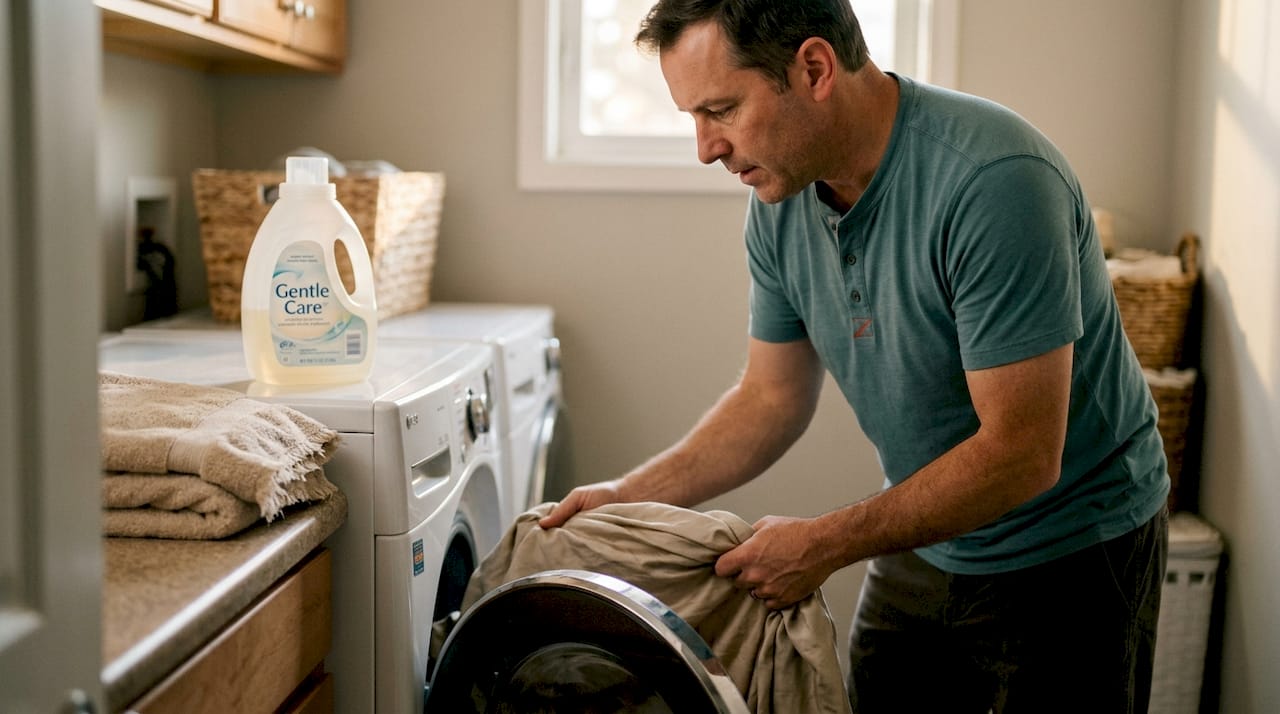
Machine wash cold on gentle cycle with mild detergent, use low-heat or air-dry, and iron reverse side on low heat; avoid bleach and direct sunlight for sheen and shrinkage prevention. Following these guidelines preserves sateen’s appearance and extends its usable life significantly.
Washing sateen correctly:
Drying requires attention to prevent damage. Air-drying preserves sheen best, though it takes longer and may result in stiffness. If using a dryer, select low heat and remove items while slightly damp to reduce wrinkles. High heat causes shrinkage and can weaken fibers over time. Never overdry sateen, as this sets wrinkles and creates brittleness.
Ironing sateen properly maintains its smooth appearance. Always iron on the reverse side to protect the lustrous surface from direct heat damage. Use low to medium heat settings, testing on an inconspicuous area first. Steam helps release stubborn wrinkles without excessive heat. For best results, iron while fabric is slightly damp.
Pro Tip: Iron sateen on the reverse side to prevent surface dullness and maintain the fabric’s characteristic sheen for years.
Care do’s and don’ts:
Stain treatment requires prompt attention. Blot spills immediately without rubbing, which can push stains deeper into fibers. Use cold water and mild soap for most stains, testing any commercial stain removers on hidden areas first. Avoid chlorine bleach, which damages cotton fibers and causes yellowing.
Our fabric care checklist provides comprehensive maintenance strategies, while our fabric care step guide offers detailed instructions for various textile types.
With your knowledge of sateen, sourcing the right material for your vision is easier than ever.
Whether you’re creating elegant curtains, luxurious bedding, or flowing garments, selecting quality sateen sets your project up for success. We curate sateen options across multiple categories, making it simple to find exactly what your vision requires. Our home decor fabric collection includes sateen suitable for curtains, pillow covers, and decorative accents that bring subtle elegance to any space.
For specialized applications, explore our backdrop fabrics featuring sateen options that photograph beautifully with controlled sheen. Quilters appreciate sateen’s smooth texture for backings and borders, available in our quilting fabric section. Each product listing includes detailed specifications, care instructions, and project suggestions to guide your selection. Start browsing today and transform your creative ideas into finished projects with confidence.
Yes, cotton sateen is more breathable than satin and works well in warmer climates, though it is not as airy as plain cotton. The weave structure allows better air circulation than synthetic alternatives.
Sateen is moderately wrinkle-resistant but can wrinkle or shrink if not cared for properly; follow gentle wash and drying guidelines. Minor creases typically release naturally as the fabric hangs.
Choose mercerized sateen for better durability and avoid using in high-wear areas; test fabric before large projects. Keep sateen away from rough surfaces and sharp objects.
Sateen uses cotton or blends in a satin weave, resulting in a softer, matte sheen; satin uses silk or synthetics with more shine and less breathability. The fiber content creates distinct performance characteristics.
Yes, use cold water on gentle cycle with mild detergent, and low-heat or air-drying for best results. Avoid high heat and harsh chemicals to maintain the fabric’s appearance and longevity.