

 US Dollar

What is mercerized cotton: benefits for crafters & designers
Posted by BLG on 2026 Mar 14th
Posted by BLG on 2026 Mar 14th

Many crafters and fashion designers believe all cotton fabrics deliver the same quality and performance in their projects. This misconception leads to disappointing results when standard cotton fails to hold vibrant dyes, maintain shape after washing, or provide the professional finish high-quality work demands. Mercerized cotton stands apart as a specially treated fiber that transforms ordinary cotton into a superior material with enhanced strength, luster, and dye affinity. Understanding what mercerized cotton is, how it’s produced, and why it matters will help you make smarter fabric choices that elevate your creative work.
| Point | Details |
|---|---|
| Enhanced fiber properties | Mercerization transforms cotton by improving strength, luster, and dye absorption through chemical treatment. |
| Sodium hydroxide process | Cotton fibers are treated with 20-30% caustic soda solution under tension to reshape their structure. |
| Superior project outcomes | Results include richer colors, reduced shrinkage, smoother texture, and increased durability for finished pieces. |
| Multiple treatment methods | Hot mercerization and ammonia mercerization offer different advantages depending on desired fiber characteristics. |
| Professional quality advantage | Crafters and designers prefer mercerized cotton for applications requiring exceptional appearance and longevity. |
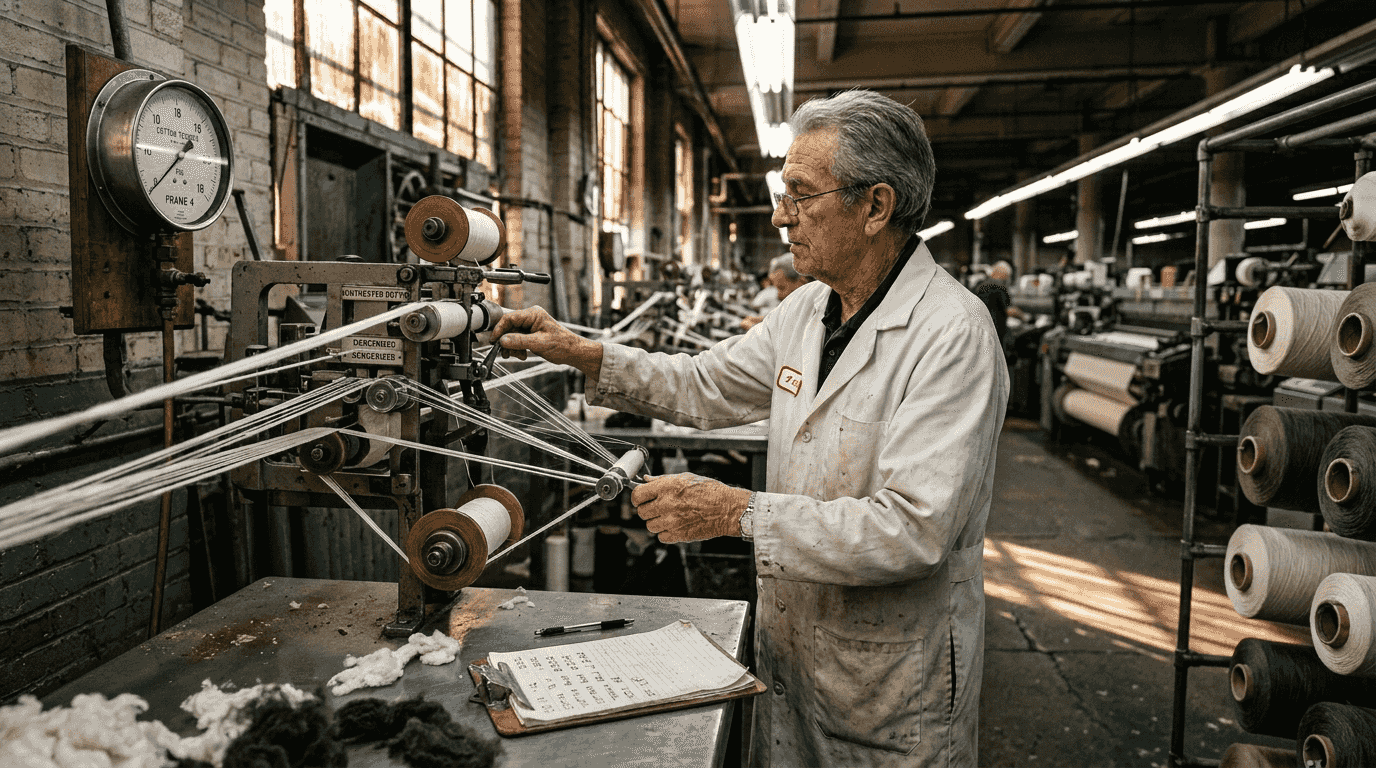
The mercerization process fundamentally alters cotton fiber structure through controlled chemical treatment. Mercerization increases cotton fiber’s luster, tensile strength, and dye affinity by applying a concentrated sodium hydroxide solution while holding the fabric under precise tension. This treatment creates permanent changes that distinguish mercerized cotton from standard cotton in ways you can see and feel.
The transformation begins when cotton is treated with a 20-30% sodium hydroxide solution under controlled tension. The caustic soda penetrates the fiber walls, causing them to swell dramatically. This swelling process is critical because it changes the fiber’s cross-sectional shape from an irregular kidney bean form to a smooth, circular profile. The circular shape reflects light more uniformly, creating the characteristic sheen that makes mercerized cotton instantly recognizable.
Tension control during treatment prevents the swollen fibers from shrinking back to their original dimensions. Without tension, cotton would contract significantly as the caustic solution causes molecular rearrangement. Maintaining proper tension ensures dimensional stability while allowing the chemical transformation to proceed. The result is a fiber that remains smooth, aligned, and resistant to future shrinkage during washing and wear.
Pro Tip: Understanding fabric finishes helps you recognize quality treatments like mercerization when shopping for materials.
The chemical process delivers measurable improvements in fiber performance:
Mercerization transforms cotton fibers by swelling them and altering their cross-sectional shape, leading to enhanced luster, strength, and dye affinity that persist throughout the fabric’s lifetime. These changes occur at the molecular level, permanently restructuring the cellulose chains within each fiber.
Uniform wetting is essential for consistent results across the entire fabric width. Special wetting agents help the caustic solution penetrate fibers within approximately 5 seconds, ensuring even treatment. Without proper penetration, some areas might receive inadequate mercerization, creating inconsistent appearance and performance across the finished textile.
“The transformation from standard cotton to mercerized cotton involves permanent molecular changes that enhance every aspect of fiber performance, from appearance to durability.”
The process typically follows these stages:
This systematic approach ensures consistent quality and maximizes the benefits that make mercerized cotton valuable for demanding applications.
Two primary mercerization methods deliver different advantages depending on desired outcomes and production requirements. Hot mercerization and ammonia mercerization both transform cotton fibers, but they use distinct chemical processes and temperature conditions that affect final fabric characteristics.
Hot mercerization uses elevated temperatures of 80-100°C with sodium hydroxide for more uniform effect and higher productivity. The elevated temperature accelerates chemical penetration, reducing treatment time to just 5-10 seconds while ensuring consistent results across large production runs. This method has become standard in commercial textile manufacturing because it balances quality enhancement with operational efficiency.
The hot caustic process delivers several specific improvements:
Hot mercerization works particularly well for fabrics destined for apparel and home textiles where appearance and easy maintenance matter most. The rapid treatment time also makes this method cost-effective for large-scale production without compromising quality.
Ammonia mercerization treats cotton with liquid ammonia, allowing better fiber penetration and forming Cellulose III, a crystalline structure that’s reversible under heat. This alternative approach uses anhydrous liquid ammonia instead of caustic soda, creating different structural changes within the cotton fibers. The ammonia molecules are smaller than sodium hydroxide, enabling more complete penetration throughout each fiber rather than concentrating effects near the surface.
The ammonia method offers unique advantages:
Pro Tip: When selecting mercerized cotton, ask suppliers which mercerization method was used if your project has specific performance requirements.
| Mercerization Type | Chemical Agent | Temperature | Treatment Time | Primary Benefits |
|---|---|---|---|---|
| Hot Mercerization | Sodium Hydroxide | 80-100°C | 5-10 seconds | High productivity, uniform luster, strong dye affinity |
| Ammonia Mercerization | Liquid Ammonia | Lower temps | Longer exposure | Complete penetration, reversible structure, gentle treatment |
Tension control remains critical in both methods to prevent fabric distortion and ensure quality. Insufficient tension allows fibers to contract unevenly, creating dimensional instability and inconsistent appearance. Excessive tension can damage fibers or create stress points that weaken the fabric. Manufacturers carefully calibrate tension levels based on fabric weight, weave structure, and desired final characteristics.
Choosing between mercerization types depends on your specific project needs. Hot mercerization generally delivers the classic benefits crafters and designers seek, such as brilliant luster and excellent dye results. Ammonia mercerization might be preferred for specialized applications where deeper structural modification or reversibility offers advantages.
Mercerized cotton delivers practical advantages that directly impact the quality, appearance, and longevity of your creative projects. These benefits extend beyond theoretical improvements to create tangible differences you and your customers will notice.
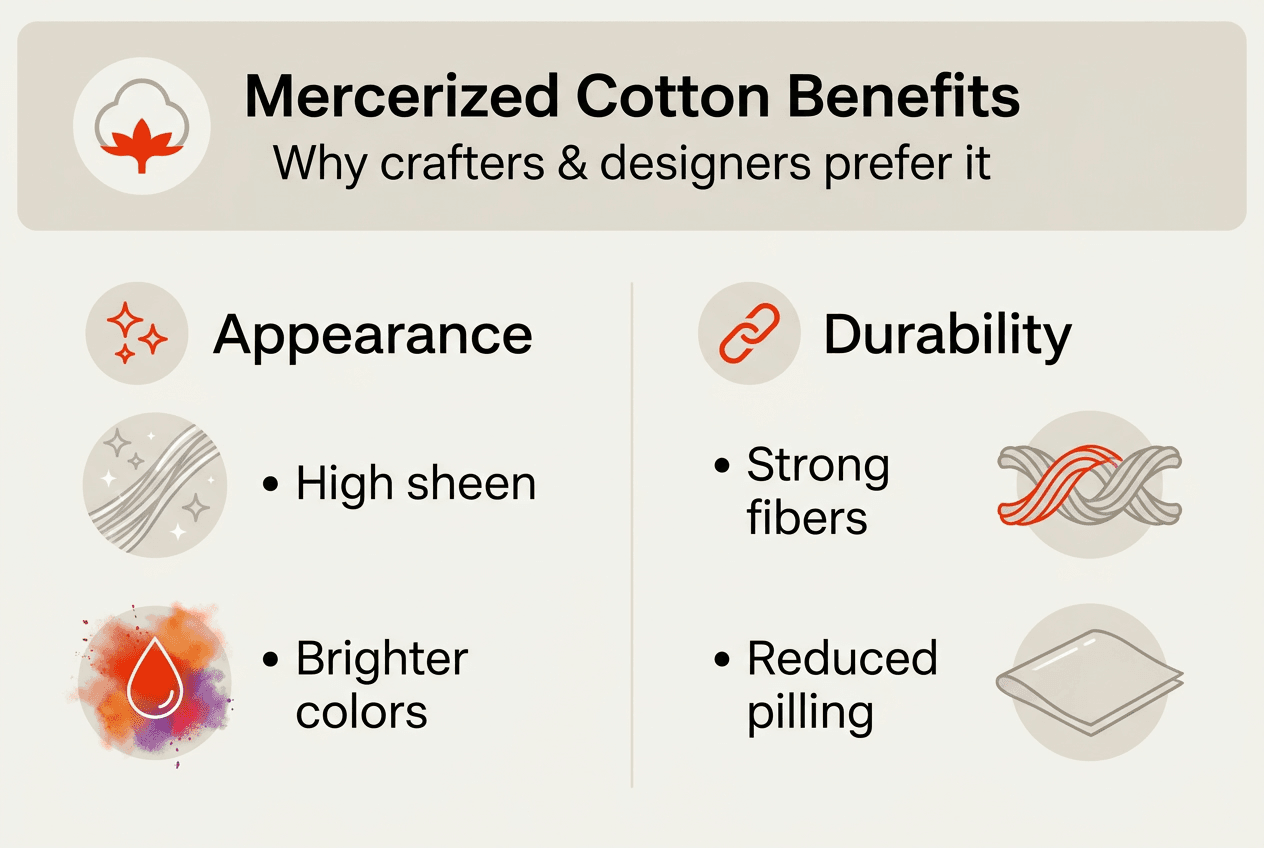
Improved dye absorption stands out as one of the most valuable characteristics for designers working with color. The altered fiber structure accepts dye molecules more readily and holds them more securely than untreated cotton. This enhanced affinity produces richer, more saturated colors with better uniformity across the fabric. When you’re creating garments or crafts where color vibrancy matters, mercerized cotton ensures your vision translates accurately from concept to finished piece.
Mercerized cotton offers enhanced dimensional stability and reduced shrinkage, improving durability and preserving the size and shape of your projects through repeated washing and wear. This stability eliminates the frustrating experience of carefully crafted garments that distort after the first laundering. Your fitted designs maintain their intended proportions, and decorative elements stay properly positioned.
The strength increase of 20-25% translates directly to longer-lasting creations. Garments withstand more wear cycles before showing signs of fatigue. Craft projects maintain structural integrity even with handling and use. This durability proves especially valuable for items you plan to sell, as customer satisfaction depends partly on products that perform well over time.
The smooth, lustrous fiber surface gives finished pieces a polished, professional appearance that elevates perceived quality:
Reduced fiber fuzz and pilling improve both appearance and longevity. Standard cotton tends to develop surface pills, those small balls of tangled fibers that make fabrics look worn and cheap. Mercerized cotton’s smooth fiber surface resists this problem, maintaining a clean appearance through extended use.
Mercerized cotton thread is popular among embroiderers and weavers for its high sheen and strength, making it ideal for decorative work where thread quality directly affects final results. The enhanced strength prevents breakage during machine embroidery or hand stitching, reducing frustration and wasted time. The luster makes decorative stitching stand out beautifully, adding dimension and visual appeal to embellished pieces.
Pro Tip: Test mercerized cotton alongside standard cotton for your next project to experience the quality difference firsthand.
For fashion designers, mercerized cotton offers specific advantages:
Crafters benefit from mercerized cotton’s workability and finished appearance. Whether you’re creating quilts, home decor items, or accessories, the enhanced fiber properties make your work easier and results more impressive. The fabric handles predictably during cutting and sewing, and finished projects showcase the quality you put into them.
Consider mercerized cotton drapery for home decor projects where appearance and durability both matter. The luster adds elegance to window treatments, while the strength ensures they withstand years of daily use and cleaning.
Selecting quality mercerized cotton requires attention to product information and an understanding of your project’s specific requirements. Not all fabrics labeled as mercerized receive the same level of treatment, and quality can vary significantly between suppliers.
Look for clear product descriptions that confirm true mercerization treatment rather than surface finishes that mimic some mercerized characteristics. Reputable suppliers provide details about their mercerization process and the resulting fiber properties. Certifications or technical specifications offer additional assurance that you’re getting genuinely mercerized material.
Consider these factors when evaluating mercerized cotton for your needs:
Balancing cost with performance advantages helps you make smart purchasing decisions. Mercerized cotton is more expensive due to specialized processing, so cost-benefit analysis is advised before committing to large quantities. For premium pieces where quality justifies higher material costs, mercerized cotton delivers value through superior results. For practice projects or applications where the enhanced properties aren’t necessary, standard cotton might be more economical.
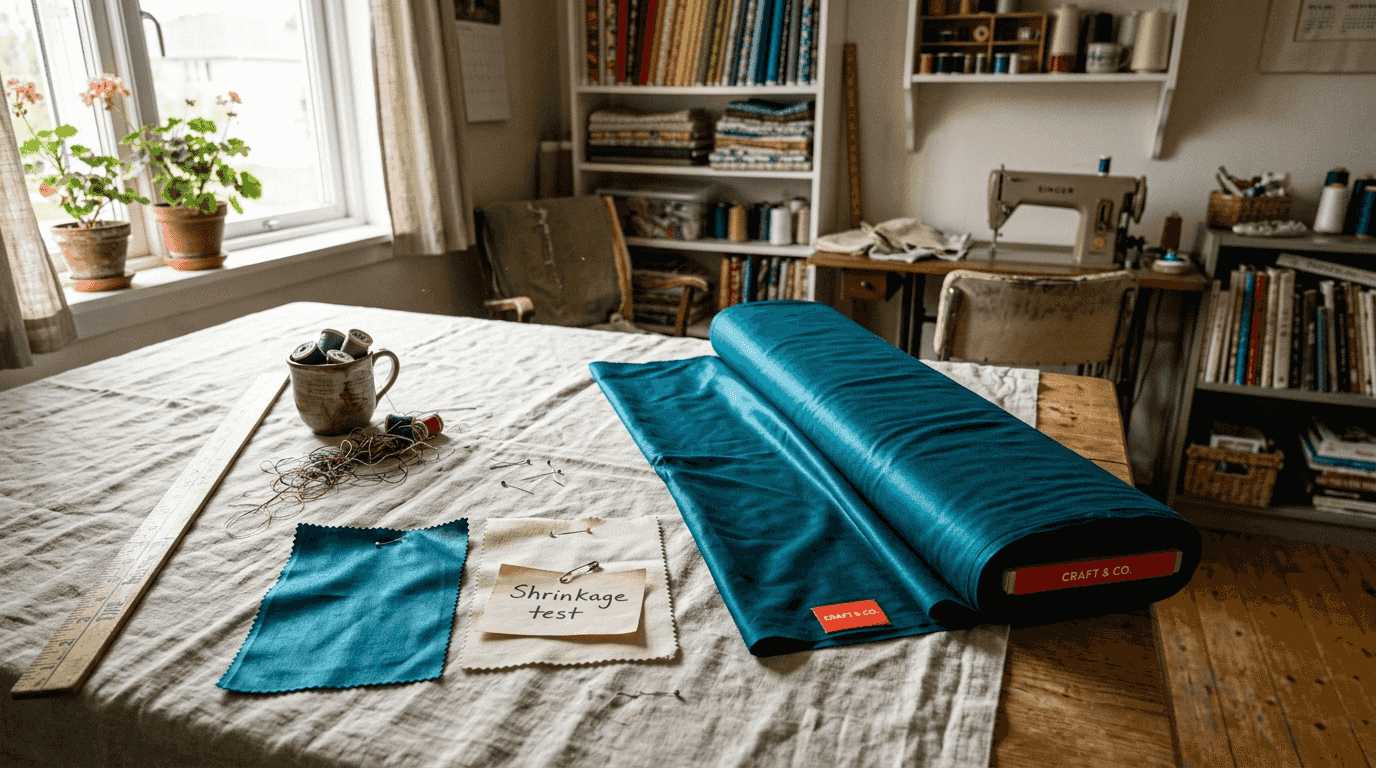
Pretest dyeing on mercerized cotton samples to achieve expected color results. The enhanced dye affinity means colors may appear more intense than on standard cotton using the same dye concentration. Testing prevents surprises and helps you adjust dye formulas to achieve your desired shades. Keep detailed notes about successful dye recipes for future reference.
Follow these steps when incorporating mercerized cotton into your workflow:
When sewing or crafting with mercerized cotton, use needles and tools suited for smooth fibers to avoid damage. The altered fiber structure responds differently than standard cotton to mechanical stress. Universal or sharp needles work better than ballpoint styles. Clean, burr-free needle eyes prevent snagging that could mar the smooth surface.
Proper washing preserves fiber integrity and maintains enhanced properties throughout the garment’s lifetime. Use mild detergents and avoid harsh chemicals that could degrade the fiber structure. Moderate water temperatures clean effectively without stressing the fabric. Line drying or low tumble heat prevents excessive mechanical stress that could diminish the mercerized finish over time.
Understanding fabric finishes helps you care for mercerized cotton appropriately and recognize when additional treatments might complement the mercerization.
For best results:
By selecting quality mercerized cotton and handling it appropriately, you maximize the benefits this superior textile offers for your creative work.
Ready to experience the difference mercerized cotton makes in your projects? Our curated selection features high-quality mercerized cotton fabrics perfect for fashion design, crafting, and home decor applications. Each fabric is chosen for superior color depth, smooth texture, and the enhanced durability that sets professional work apart.

Whether you’re designing garments that demand vibrant, long-lasting color or creating craft pieces that showcase your attention to quality, our mercerized cotton collection delivers the performance you need. Browse options ranging from lightweight apparel fabrics to substantial backdrop fabrics suitable for various creative applications. Our cotton drapery selection includes mercerized options that bring elegance and durability to window treatments and home textiles. Explore the collection today and elevate your next project with materials that reflect your commitment to excellence.
Mercerized cotton undergoes chemical treatment with sodium hydroxide under tension, permanently altering fiber structure to increase strength, luster, and dye absorption. Regular cotton lacks these enhanced properties and exhibits less sheen, lower tensile strength, and reduced color vibrancy.
For projects requiring superior appearance, durability, or color richness, mercerized cotton justifies the premium through better results and longer-lasting finished pieces. Consider your project’s purpose and whether the enhanced properties add value that standard cotton cannot deliver.
Yes, mercerized cotton accepts dyes exceptionally well, often producing more vibrant colors than standard cotton with the same dye concentration. Always test on samples first and adjust dye amounts as needed since the enhanced affinity may create more intense results than expected.
Mercerized cotton maintains its enhanced properties through normal washing with mild detergent and moderate temperatures. Avoid chlorine bleach and excessive heat, but otherwise care for it similarly to quality standard cotton fabrics.
Hot mercerization uses sodium hydroxide at elevated temperatures for rapid, uniform treatment ideal for commercial production. Ammonia mercerization employs liquid ammonia for deeper fiber penetration and creates reversible structural changes, offering different performance characteristics for specialized applications.
Sharp or universal needles in appropriate sizes for your fabric weight work best with mercerized cotton’s smooth fibers. Avoid ballpoint needles and ensure needle eyes are clean and burr-free to prevent snagging the enhanced surface finish.