

 US Dollar

What Is Matelassé? Timeless Texture for Fabric Projects
Posted by BLG on 2025 Dec 21st
Posted by BLG on 2025 Dec 21st

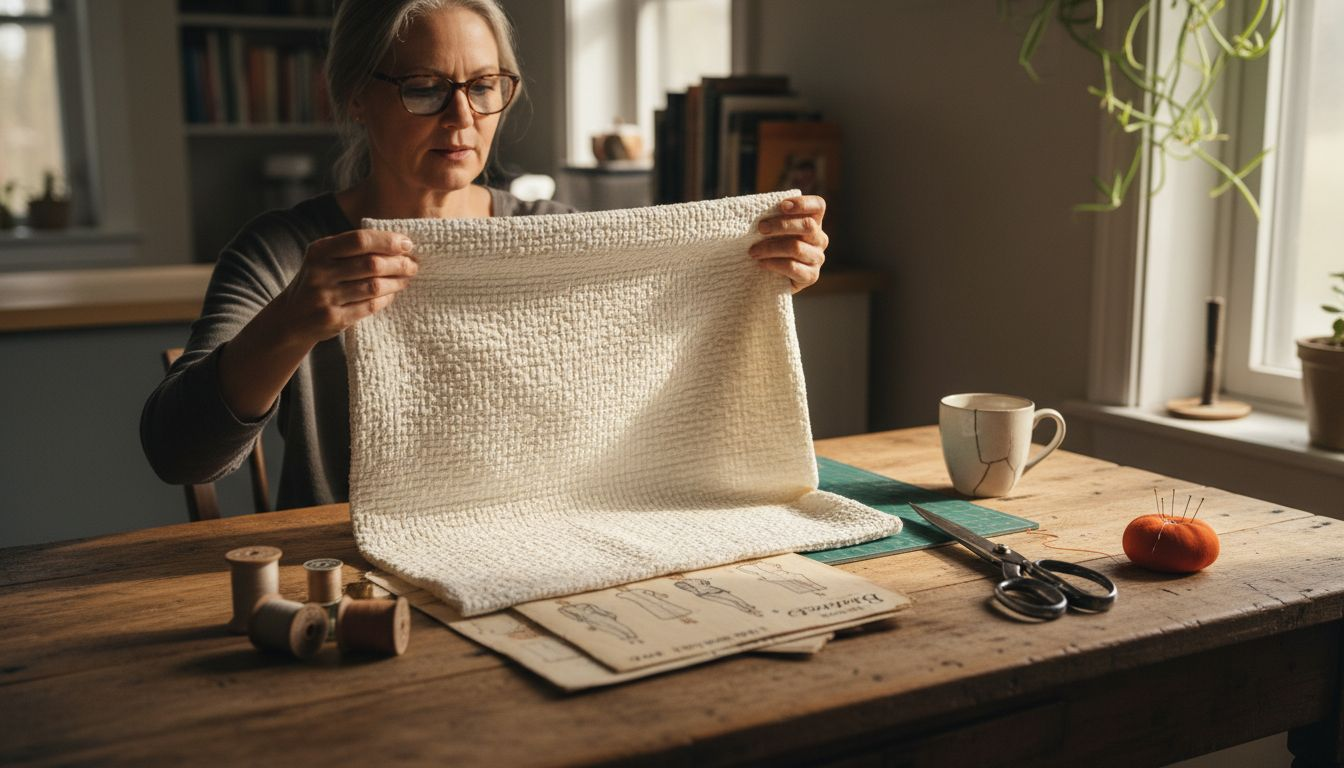
Most American fabric shoppers have heard of matelassé, but few realize that its signature quilted look comes from weaving alone rather than padding. This technique, which originated in France, creates raised patterns that fool the eye and add impressive depth to textiles. Understanding how matelassé works can help you avoid common myths and make smarter choices. Discover why this fabric’s three-dimensional surface makes it a favorite for both home decor and high fashion.
| Point | Details |
|---|---|
| Understanding Matelassé | Matelassé is a unique fabric known for its three-dimensional texture, created through intricate weaving techniques rather than padding. |
| Applications in Design | The fabric excels in both home decor and fashion, adding aesthetic appeal to items like upholstery and structured garments. |
| Sewing Challenges | Working with matelassé requires specialized techniques to maintain its raised patterns and prevent damage during construction. |
| Comparison with Other Fabrics | Unlike brocatelle and damask, matelassé offers a softer, quilted texture resulting from complex structural weaving. |
Matelassé represents a fascinating fabric technique that transforms ordinary textiles into extraordinary three-dimensional surfaces. Characterized by its distinctive raised patterns, this fabric creates visual depth through intricate weaving methods that produce a quilted appearance without actual padding.
Originally derived from French terminology meaning ‘padded’, matelassé is actually a weaving technique that generates texture through complex structural manipulation. Traditional matelassé involves using jacquard or dobby looms to create blistered, raised surface designs that can be crafted from diverse materials including cotton, silk, wool, and manufactured fibers. The fabric’s unique characteristic is its ability to create intricate patterns that appear quilted without requiring additional layers or traditional quilting techniques.
Common myths about matelassé often misunderstand its production process. Many people assume the raised texture requires actual padding, but skilled weavers actually achieve this effect purely through specialized weaving techniques. The fabric’s complexity comes from precise thread manipulation on advanced looms, creating optical illusions of depth and dimension that make matelassé truly remarkable.
Pro Tip for Fabric Enthusiasts: When working with matelassé, always pre-wash and carefully press the fabric to maintain its unique textural qualities, as the intricate weave can be sensitive to aggressive handling.
Matelassé’s distinctive weaving techniques transform ordinary fabric into extraordinary three-dimensional surfaces. The process involves intricate manipulation of threads on specialized looms, creating raised patterns that give fabric remarkable depth and visual interest. Unlike traditional quilting methods, matelassé achieves its unique texture through complex structural weaving rather than adding additional layers.
The weaving process typically utilizes jacquard or dobby looms, which allow for incredibly precise thread manipulation. These advanced weaving techniques originated in France, inspired by the hand-stitched Marseilles quilts, and have since evolved into a sophisticated textile art form. Skilled artisans carefully interlace threads to create optical illusions of depth, producing fabrics with intricate raised patterns that appear almost sculptural.
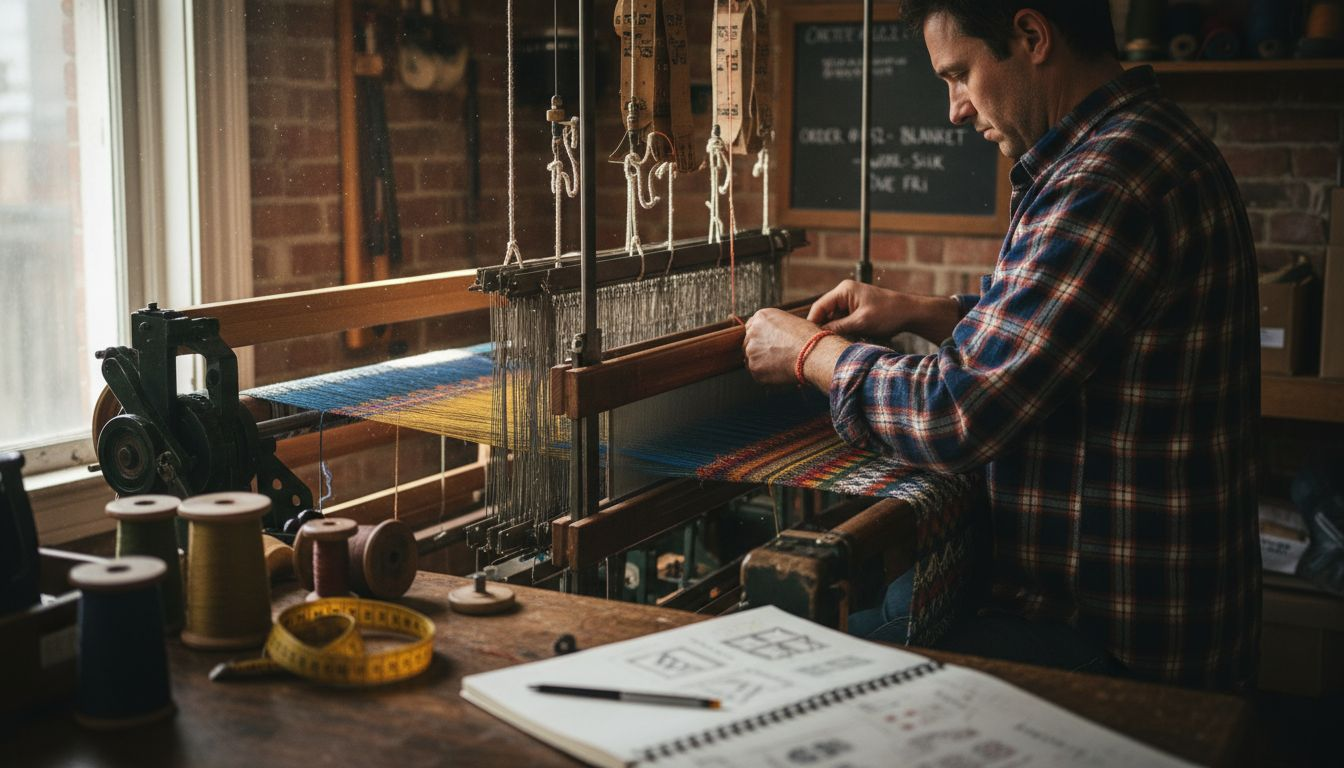
Each matelassé fabric tells a unique story through its texture, with patterns ranging from subtle geometric designs to elaborate floral motifs. The specialized weaving techniques allow for extraordinary detail, transforming flat textiles into dynamic, three-dimensional surfaces that catch light and create visual complexity. Weavers can manipulate thread tension, fiber type, and loom settings to produce an astonishing variety of textural effects.
Pro Tip for Textile Enthusiasts: When selecting matelassé fabrics, examine the fabric in both natural and artificial light to fully appreciate the depth and complexity of its woven texture, as lighting can dramatically enhance its dimensional qualities.
Matelassé fabric offers remarkable versatility across multiple design applications, bridging the gap between functional textiles and artistic expression. This distinctive fabric excels in both home decor and fashion contexts, providing designers and crafters with a textile that combines aesthetic appeal and structural complexity. From elegant upholstery to sophisticated clothing, matelassé adapts seamlessly to diverse creative requirements.
In home decor, matelassé shines as a premier fabric for creating luxurious interior environments. Designers frequently incorporate it into bed linens, decorative pillows, and upholstery, where its three-dimensional texture adds depth and visual intrigue. The fabric’s unique quilted appearance without actual padding makes it particularly adaptable for various household applications, from contemporary minimalist designs to traditional elegant spaces.
Fashion designers appreciate matelassé for its ability to elevate garment construction. The fabric is particularly stunning in eveningwear, jackets, and structured dresses, where its intricate surface creates natural visual interest. Unlike traditional quilted materials, matelassé provides texture and dimension without additional bulk, making it an ideal choice for creating sophisticated, sculptural silhouettes that move elegantly with the wearer.
Pro Tip for Textile Artists: When working with matelassé, select complementary thread colors that enhance its dimensional qualities, as subtle color variations can dramatically amplify the fabric’s intricate woven patterns.
Matelassé fabric presents unique opportunities and complexities for sewists seeking to elevate their creative projects. Its distinctive three-dimensional texture offers remarkable aesthetic appeal, while simultaneously demanding specialized handling techniques that challenge even experienced crafters. The fabric’s intricate surface requires thoughtful approach and precise technical skills to successfully integrate into garment and home decor designs.
The sewing challenges of matelassé stem from its complex woven structure, which can complicate standard cutting and stitching techniques. Sewists must adapt their typical approaches to preserve the fabric’s unique raised patterns and prevent distortion during construction. Specialized tools like sharp microtex needles, walking presser feet, and careful fabric stabilization become essential for maintaining the integrity of the textile’s delicate surface.
While matelassé offers a quilted appearance without additional padding, it requires strategic consideration in project selection. Its textural qualities make it ideal for structured garments like jackets and evening wear, but less suitable for projects demanding significant stretch or flexibility. Sewists must carefully evaluate the fabric’s weight, drape, and dimensional characteristics to ensure successful implementation in their chosen designs.
Below is a summary of key benefits and challenges when sewing with matelassé fabric:
| Aspect | Benefit | Challenge |
|---|---|---|
| Texture | Adds depth and visual interest | Difficult to maintain pattern when cutting |
| Structure | Supports sculptural garment designs | Sensitive to improper handling |
| Versatility | Works for fashion and home projects | Limited stretch and flexibility |
Pro Tip for Fabric Crafters: Always test your sewing machine settings and needle selection on a small matelassé fabric scrap before beginning your main project, as this will help you identify the optimal tension and stitch configuration for this unique textile.
Matelassé distinguishes itself from other textured fabrics through its unique three-dimensional weaving technique that creates intricate raised patterns without additional padding. Unlike many decorative textiles, matelassé achieves its distinctive texture through complex structural weaving rather than surface embellishments or additional layers. This fundamental difference sets it apart in the world of textile design, offering a sophisticated approach to creating visual and tactile depth.
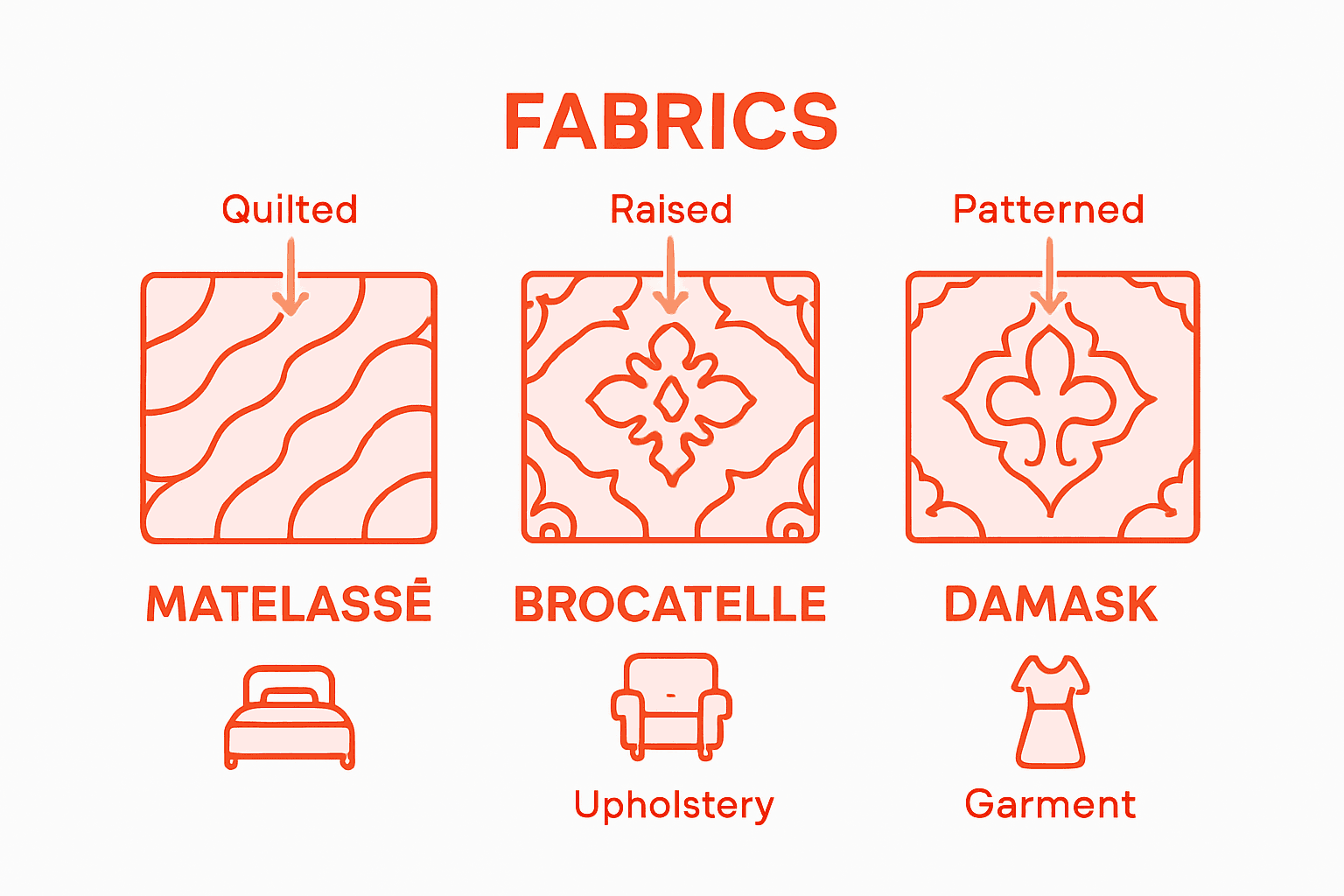
Brocatelle represents a different textural approach, featuring heavy brocade designs with satin effects standing out in relief. While both fabrics create dimensional surfaces, brocatelle tends to have more pronounced embossed patterns compared to matelassé’s softer, more subtle raised textures. The key distinction lies in their fundamental construction methods: brocatelle relies more on surface ornamentation, whereas matelassé generates its texture through intricate weaving techniques.
Damask offers another interesting comparison, featuring reversible patterned designs created by manipulating warp and weft threads. Unlike matelassé’s quilted appearance, damask produces flat yet intricate patterns that can be appreciated from both sides of the fabric. Matelassé, by contrast, creates a more pronounced three-dimensional effect that is distinctly one-sided, emphasizing depth and texture over reversibility.
Here’s a comparison of matelassé, brocatelle, and damask fabrics to clarify their key differences:
| Fabric Type | Texture Method | Appearance Characteristics | Common Uses |
|---|---|---|---|
| Matelassé | Complex woven structure | Subtle, raised quilted patterns | Bedding, apparel, décor |
| Brocatelle | Surface embellishments | Heavily embossed, bold patterns | Upholstery, drapery |
| Damask | Warp and weft manipulation | Flat, intricate reversible patterns | Table linens, wall coverings |
Pro Tip for Textile Enthusiasts: When comparing textured fabrics, examine them under different lighting conditions to truly appreciate the unique structural qualities that distinguish matelassé from other decorative textiles.
If you are fascinated by the timeless texture of matelassé and want to overcome the challenges of sourcing quality fabric with intricate raised patterns, your search ends here. Matelassé demands textiles that offer durability, depth, and flexibility for both fashion and home decor projects. At Fabric-Fabric, we understand how crucial it is to find fabrics that preserve the unique three-dimensional woven texture without sacrificing ease of sewing or aesthetic appeal.
Discover our curated collection designed to meet the needs described in the article, addressing your concerns about handling complex weaves and achieving professional results. Whether you plan on crafting structured garments or elegant upholstery, our fabrics help you bring the sculptural and subtle effects of matelassé to life. Start your journey now and explore the distinct qualities of matelassé alongside other luxurious textured fabrics, all available with detailed descriptions and expert tips at Fabric-Fabric. Don’t wait because upgrading your creative projects with matelassé fabric that truly performs is just a click away.
Matelassé is a unique fabric technique that creates a three-dimensional appearance through intricate weaving methods, resulting in raised patterns that provide visual depth without actual padding.
Unlike traditional quilted fabrics, matelassé achieves its distinct texture through complex woven structures rather than additional padding or quilts, allowing for intricate designs without added bulk.
Matelassé is versatile and commonly used in home decor for items like bed linens and upholstery, as well as in fashion for structured garments like jackets and eveningwear, where its textured surface adds sophistication.
Sewing with matelassé can be challenging due to its complex structure, which requires specialized handling techniques to maintain the integrity of the fabric’s raised patterns, necessitating the use of sharp needles and walking feet.