

 Canadian Dollars

Role of Fabrics in Garment Durability: What Designers Must Know
Posted by BLG on 2025 Dec 15th
Posted by BLG on 2025 Dec 15th

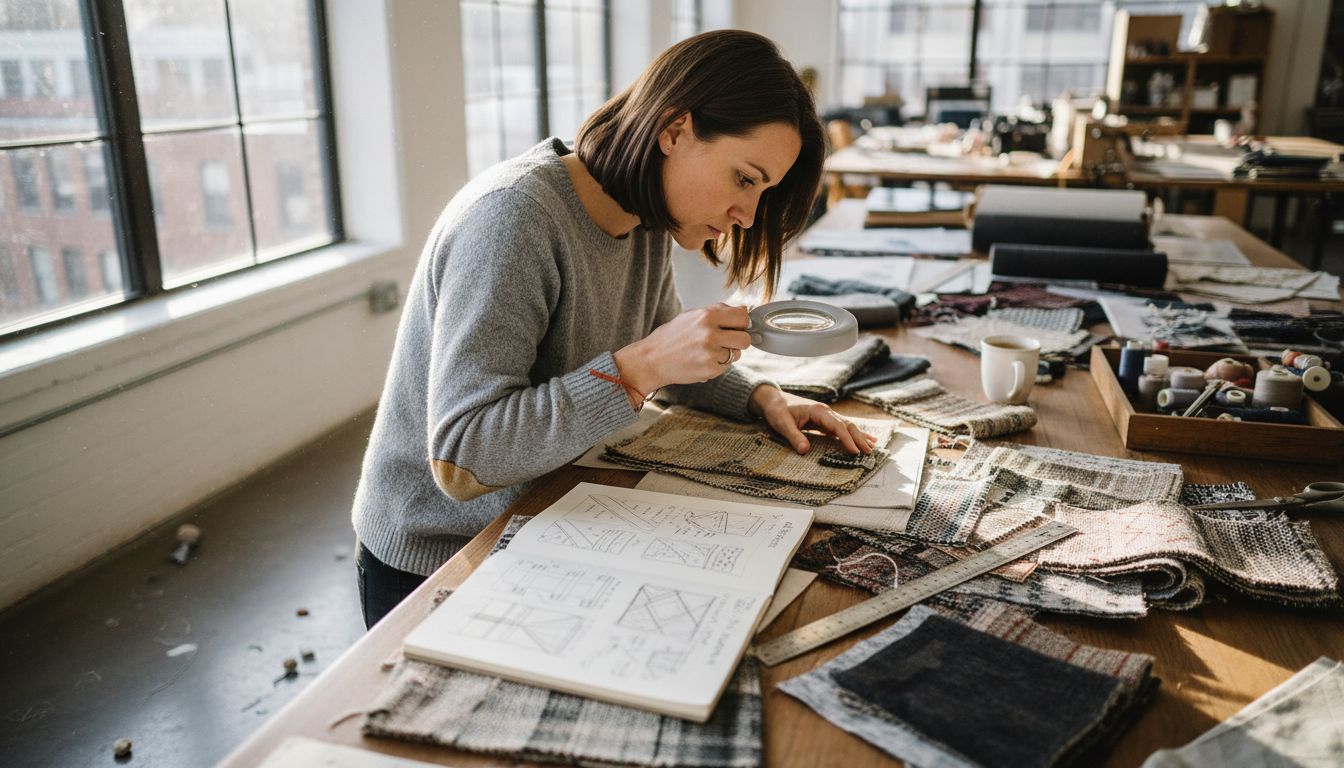
Most American shoppers are surprised to learn that over 60 percent of textile waste comes from garments that wore out too quickly. The durability of your clothing impacts not only your wardrobe spending but also environmental sustainability in the United States. Discover what really makes fabrics last, how fiber choices and treatments affect lifespan, and valuable tips professional designers use to ensure garments endure through repeated American wear and wash cycles.
| Point | Details |
|---|---|
| Understanding Fabric Durability | Fabric durability encompasses mechanical resistance, chemical stability, and structural resilience, impacting long-term garment performance. |
| Fiber Selection Matters | The choice between natural and synthetic fibers significantly affects fabric longevity and performance; blending them can enhance durability. |
| Weave Structures Impact Resilience | Different weaving techniques influence properties like abrasion resistance; selecting the right structure is essential for garment longevity. |
| Maintenance is Key | Customized care protocols based on fabric type are crucial to maximizing garment lifespan and maintaining performance characteristics. |
Fabric durability represents the ability of a textile to withstand stress, wear, and environmental challenges while maintaining its structural integrity and aesthetic qualities. Understanding this complex concept goes beyond simple material strength, encompassing multiple interconnected performance characteristics that designers must carefully evaluate.
At its core, durability involves several critical dimensions: mechanical resistance, chemical stability, and structural resilience. Textile aging studies reveal that factors like fiber crystallinity, molecular bonding, and surface treatments dramatically influence how fabrics perform under repeated use and stress conditions. Professional designers recognize that durability isn’t just about preventing immediate damage, but ensuring long-term performance across multiple wear cycles.
Measuring fabric durability requires sophisticated testing protocols that assess multiple performance metrics. Specialized coating tests evaluate key indicators such as abrasion resistance, tensile strength, and chemical degradation. These rigorous assessments help designers predict how different fabric compositions will respond to real-world wearing conditions, allowing them to select materials that offer optimal longevity and performance.
Pro Designer Tip: Always conduct comprehensive fabric durability testing before finalizing your design, simulating realistic wearing conditions to ensure your garments can withstand expected stress levels and maintain their original aesthetic qualities.
Fiber selection is a critical determinant of fabric performance, with each material type presenting unique characteristics that directly impact garment durability. Natural and synthetic fibers differ dramatically in their structural composition, mechanical properties, and resistance to environmental stressors, making the selection process crucial for designers seeking optimal longevity.
Natural fibers like cotton, wool, and silk demonstrate complex performance profiles. Cotton offers breathability but tends to have lower abrasion resistance, while wool provides exceptional resilience and natural moisture-wicking properties. Research investigating fabric structures reveals that fiber morphology significantly influences physical properties such as bursting strength and wear resistance, highlighting the intricate relationship between material selection and textile performance.
Synthetic fibers such as polyester, nylon, and spandex introduce engineered performance characteristics that dramatically enhance durability. These materials typically offer superior tensile strength, resistance to stretching, and improved shape retention compared to their natural counterparts. Polyester, for instance, demonstrates remarkable resistance to wrinkles and quick-drying capabilities, making it an excellent choice for performance-oriented garments that require consistent structural integrity across multiple wearing cycles.
Pro Designer Tip: Strategically blend fiber types to maximize durability, combining the breathability of natural fibers with the structural resilience of synthetic materials to create textiles that offer comprehensive performance benefits.
Here’s a comparison of key natural and synthetic fibers and their effect on fabric durability:
| Fiber Type | Durability Strengths | Typical Weaknesses |
|---|---|---|
| Cotton | Breathable, comfortable | Low abrasion resistance |
| Wool | Moisture-wicking, resilient | Susceptible to moths/shrinkage |
| Silk | Soft, lightweight | Delicate, weak to abrasion |
| Polyester | High tensile/shape retention | May trap odors, less breathable |
| Nylon | Excellent abrasion resistance | Prone to UV degradation |
| Spandex | Superior elasticity | Sensitive to heat, stretching |
Weave structures represent the fundamental architectural framework determining a fabric’s performance, durability, and mechanical resilience. The intricate interlacement of threads creates unique patterns that directly influence a textile’s ability to withstand stress, resist abrasion, and maintain structural integrity across multiple wearing cycles.
Basic weave structures like plain, twill, and satin each contribute distinctive characteristics to fabric performance. Research investigating fabric microstructures demonstrates how different weaving techniques significantly impact properties such as bursting strength and abrasion resistance. Plain weaves offer consistent stability but limited flexibility, while twill weaves provide enhanced diagonal strength and improved drape, making them ideal for garments requiring both durability and movement.
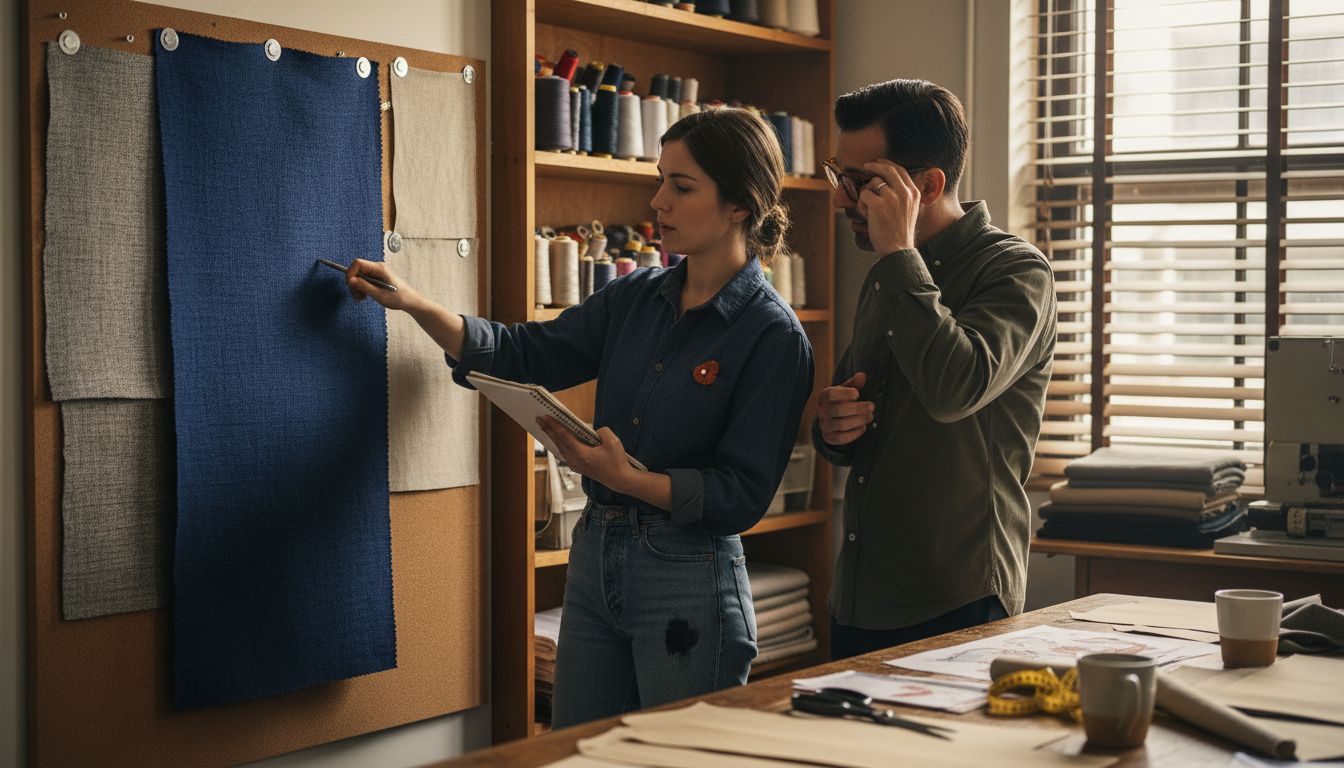
Advanced polyester fabric research reveals that complex weave structures can dramatically influence tensile strength and even reduce microplastic fiber emission during laundering. Complex weaves like satin and jacquard introduce additional thread layering that can increase fabric density, create surface texture variations, and enhance overall wear resistance. Professional designers carefully select weave structures not just for aesthetic appeal, but as a strategic approach to engineering long-lasting textile performance.
Pro Designer Tip: Prioritize weave complexity relative to fabric’s intended use, selecting denser, more intricate structures for high-stress garment areas to maximize durability and minimize potential wear points.
Fabric finishes represent a critical engineering approach that transforms raw textiles into high-performance materials with enhanced durability, functionality, and aesthetic qualities. These specialized treatments modify the surface characteristics and inherent properties of fabrics, enabling designers to strategically improve wear resistance, comfort, and long-term performance.
Chemical treatments applied to textiles introduce sophisticated modifications that extend far beyond simple aesthetic improvements. Specialized finishes can provide water repellency, stain resistance, flame retardancy, and antimicrobial properties, each engineered to address specific performance challenges. Some treatments focus on mechanical durability, creating protective layers that shield fabric fibers from environmental stress and premature degradation.
Comprehensive coating tests reveal the nuanced ways fabric treatments impact textile performance. Advanced finishing techniques like plasma treatment, nano-coating, and polymer infusion can dramatically enhance a fabric’s tensile strength, abrasion resistance, and overall longevity. Professional designers must carefully evaluate the trade-offs between performance enhancement and potential impacts on fabric breathability, flexibility, and environmental sustainability.
Pro Designer Tip: Always conduct thorough compatibility testing when applying fabric treatments, ensuring the finish maintains the textile’s fundamental performance characteristics while delivering the desired functional enhancements.
The following table summarizes common fabric finishes and their primary performance benefits:
| Finish/Treatment | Main Benefit | Potential Drawback |
|---|---|---|
| Water Repellent | Reduces moisture absorption | May lower breathability |
| Stain Resistant | Easier to clean, protects | Can affect fabric softness |
| Flame Retardant | Increases fire safety | Possible chemical sensitivities |
| Antimicrobial | Minimizes odor/bacteria | Limited effectiveness over time |
| Nano-Coating | Boosts abrasion resistance | Can reduce flexibility |
Garment maintenance represents a critical strategy for preserving textile performance and extending the functional life of clothing. Proper care practices go far beyond simple cleaning, encompassing a holistic approach that considers fabric composition, environmental interactions, and systematic preservation techniques.
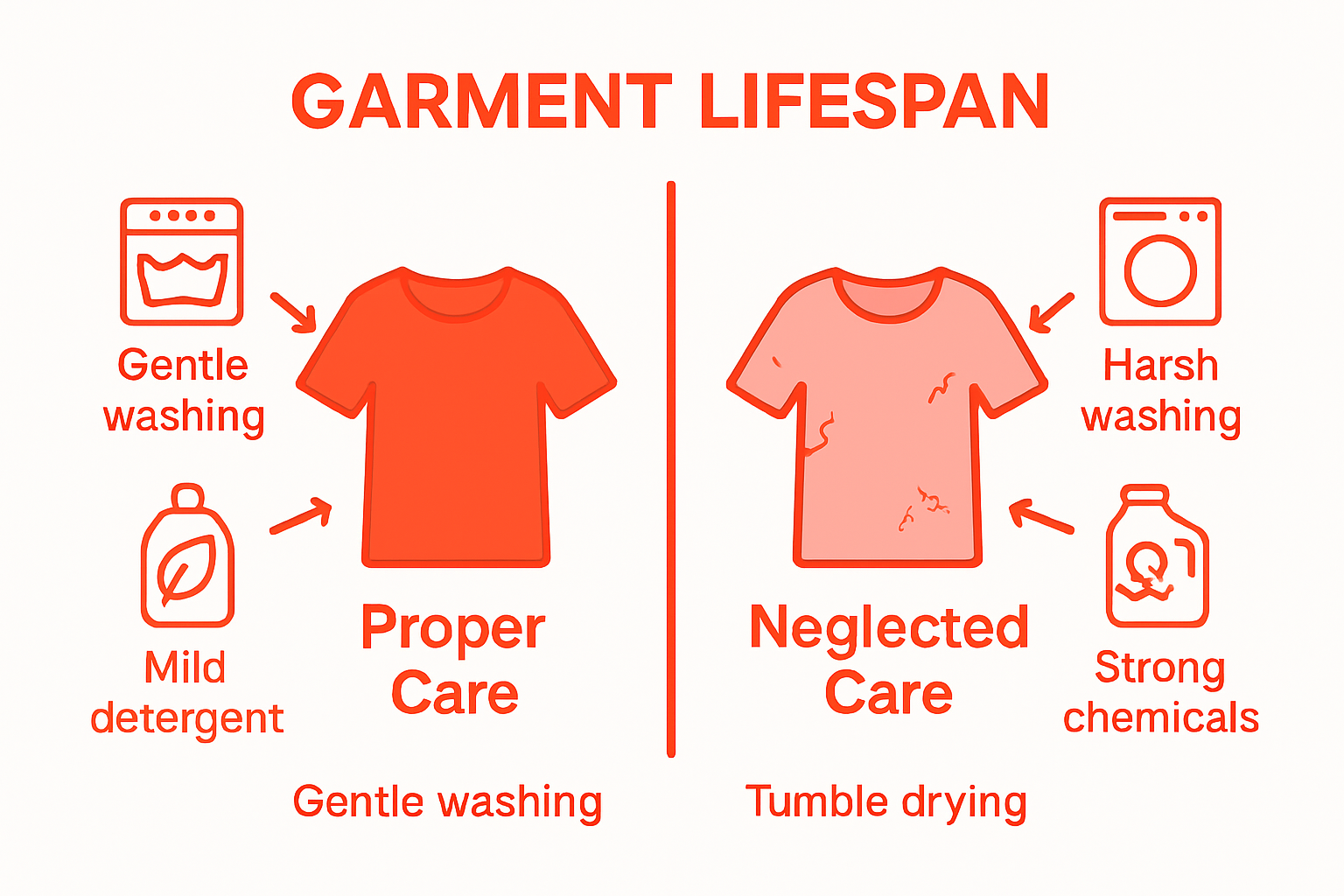
Research on sportswear materials reveals the profound impact of environmental exposure and laundering processes on fabric longevity. Different textile compositions require nuanced maintenance approaches, with some materials demonstrating higher sensitivity to washing temperatures, mechanical stress, and chemical interactions. Professional designers must understand that maintenance is not a one-size-fits-all process, but a carefully calibrated strategy tailored to specific fabric characteristics.
Advanced polyester fabric studies highlight the complex relationship between laundering techniques and fabric structural integrity. Factors like water temperature, detergent selection, and mechanical agitation can significantly influence fiber strength, potentially increasing microplastic emissions and accelerating fabric degradation. Intelligent maintenance practices involve minimizing mechanical stress, using gentle cleaning agents, and adopting washing protocols that preserve the textile’s original structural composition.
Pro Designer Tip: Develop a customized care protocol for each fabric type, considering its unique fiber composition, weave structure, and performance requirements to maximize garment longevity and maintain optimal performance characteristics.
Designers frequently encounter critical pitfalls that compromise fabric performance, with seemingly minor decisions potentially undermining entire garment durability strategies. Understanding these common errors is essential for creating textiles that maintain their structural integrity and aesthetic appeal over extended periods.
Design research examining textile composition reveals several fundamental mistakes that can dramatically reduce fabric longevity. One significant error involves indiscriminately mixing natural and synthetic fibers without considering their inherent compatibility, which can lead to uneven wear, unexpected shrinkage, and compromised structural performance. Professional designers must carefully evaluate fiber interactions, understanding that not all materials respond identically to stress, washing, and environmental conditions.
Textile coating studies highlight additional critical mistakes in fabric treatment and finishing. Improper application of protective coatings can actually reduce abrasion resistance, creating surfaces more susceptible to wear and degradation. Common errors include using inappropriate chemical treatments, applying finishes inconsistently, or selecting coating techniques that conflict with the fabric’s fundamental material properties.
Pro Designer Tip: Conduct comprehensive material compatibility testing before finalizing any design, systematically evaluating how different fibers, treatments, and finishing processes interact to ensure optimal performance and longevity.
Designing durable garments requires careful attention to fiber types, weave structures, and fabric finishes as highlighted in the article. Challenges like balancing abrasion resistance, tensile strength, and breathability can be solved by choosing high-quality textiles that meet these performance goals. At Fabric-Fabric.com, we specialize in providing an extensive selection of fabrics tailored for apparel durability, helping designers avoid common mistakes and extend the life of their creations.
Explore fabrics that combine natural comfort with synthetic strength or discover advanced finishes that enhance wear resistance. Act now to benefit from our seasonal sales and free shipping offers. Visit our website to find detailed product listings and expert descriptions that empower your fabric choices. Start building long-lasting, high-performance garments today by browsing our diverse collections on Fabric-Fabric.com and transform your design vision into reality.
Durability dictates how well a fabric can withstand stress, wear, and environmental factors over time. Fabrics with higher durability maintain their structural integrity and aesthetic qualities longer, resulting in garments that last through multiple wear cycles.
Designers need to consider the mechanical properties of the fibers, such as tensile strength and abrasion resistance. Additionally, the fiber’s resistance to environmental stressors and its compatibility with other materials can significantly influence overall fabric durability.
Weave structures play a critical role in fabric performance. Different weaving techniques, like plain or twill weaves, affect the fabric’s strength and flexibility. More complex weaves can enhance the durability and wear resistance of textiles, making them suitable for garments subjected to high-stress wear.
Proper maintenance, which includes carefully considering washing temperatures, detergent types, and mechanical agitation during laundering, is essential. Tailoring care protocols to the specific needs of each fabric type can significantly prolong the functional life of garments.