

 US Dollar

What Is Polyester? Complete Guide for Fabric Buyers
Posted by BLG on 2025 Dec 1st
Posted by BLG on 2025 Dec 1st


Polyester dominates the world of modern textiles, with nearly 60 percent of all american clothing made from this synthetic material. Its popularity is no accident. Polyester offers unmatched durability, easy care, and versatility that meet the demands of daily life and complex industry alike. Understanding how polyester works and why it stands out gives you a clear edge whether you are choosing fabrics for fashion, home, or high-performance american applications.
| Point | Details |
|---|---|
| Versatile Material | Polyester is a synthetic polymer that excels in durability, moisture management, and ease of care, making it suitable for various applications, from clothing to industrial use. |
| Diverse Types | Key variants of polyester, such as PET, PCDT, and PBT, provide specific characteristics tailored for different performance needs in textile design. |
| Complex Production | The manufacturing of polyester involves sophisticated processes, including step-growth polymerization, which allows customization of mechanical attributes. |
| Balance of Advantages and Limitations | When selecting polyester, it is crucial to consider its strengths, like wrinkle resistance, against drawbacks like potential breathability issues and environmental concerns. |
Polyester represents a versatile synthetic polymer with remarkable characteristics that have transformed textile manufacturing. At its core, polyester is a category of polymers containing ester functional groups, most commonly represented by polyethylene terephthalate (PET), a thermoplastic material widely used in fabric production.
Polymer Composition and Structure
The chemical structure of polyester enables its unique performance attributes. Produced through a process called step-growth polymerization, these synthetic polymers can be engineered to deliver specific mechanical and aesthetic properties. Most polyester fabrics derive from petroleum-based materials, which allows manufacturers to create textiles with consistent quality and predictable characteristics.
Key Polyester Properties
Polyester fabrics offer several standout features that make them popular across multiple industries:
Understanding these core characteristics helps fabric buyers make informed selections when choosing materials for their specific projects. Whether you are designing athletic wear, creating home decor, or developing technical textiles, polyester provides a reliable and adaptable solution.
Polyester encompasses several distinct types, each engineered for specific performance requirements across diverse industries. Thermoplastic polyesters represent the most common category, with three primary variants standing out: polyethylene terephthalate (PET), polycyclohexylenedimethylene terephthalate (PCDT), and polybutylene terephthalate (PBT).
Polyethylene Terephthalate (PET)
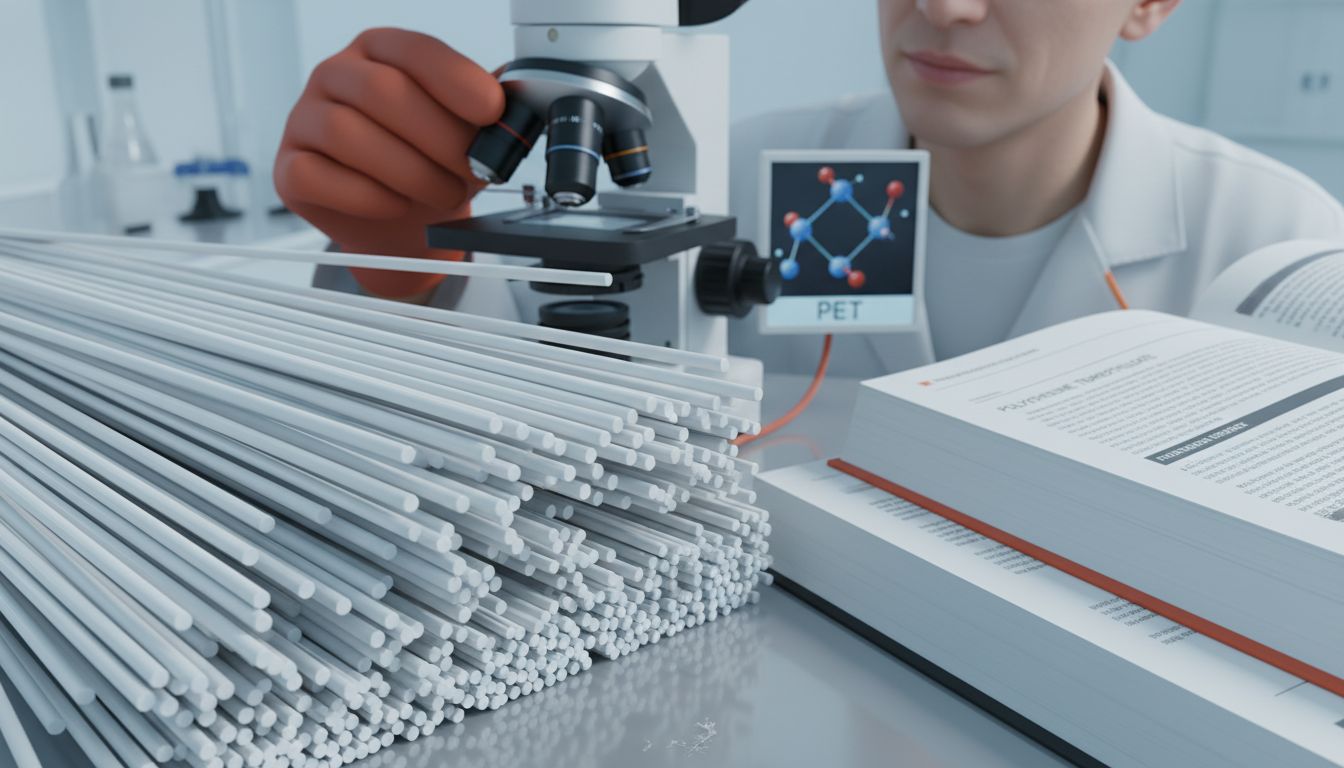
PET is the most widely recognized polyester type, dominating textile and packaging applications. Its molecular structure provides exceptional strength, transparency, and barrier properties. Manufacturers leverage PET in everything from clothing fibers to water bottles, making it the most versatile polyester variant in global production.
Specialized Polyester Variants
Beyond PET, other polyester types offer unique advantages:
Each polyester type brings specialized characteristics that enable innovative solutions in textile design, allowing manufacturers to create fabrics tailored to specific performance needs. From industrial applications to high-performance sportswear, these polymers demonstrate remarkable versatility in modern material engineering.
Polyester Manufacturing begins with a sophisticated chemical process that transforms raw materials into versatile synthetic fibers. Polymerization occurs through a precise reaction between ethylene glycol and terephthalic acid, creating the foundational polymer that will become polyester textiles, packaging, and industrial materials.
Chemical Transformation Process
The production involves multiple critical stages. Initially, manufacturers combine chemical compounds under controlled temperature and pressure conditions. During step-growth polymerization, molecular chains link together, forming long, intricate polymer structures with exceptional strength and durability. This process allows engineers to manipulate molecular characteristics, producing polyester with specific performance attributes like elasticity, transparency, and heat resistance.
Fiber Formation Techniques
After initial polymer creation, manufacturers employ several techniques to transform raw polyester into usable forms:
These sophisticated manufacturing methods enable sustainable textile innovations that meet diverse industrial and consumer needs. From clothing to technical applications, polyester’s versatile production process continues to revolutionize material engineering across multiple sectors.
Polyester demonstrates remarkable versatility, finding applications across numerous industries and consumer products. Extensive fabric uses range from clothing and home furnishings to industrial and technical applications, making it one of the most adaptable synthetic materials available today.
Apparel and Fashion Applications
In the clothing industry, polyester dominates due to its durability, wrinkle resistance, and ease of care. Manufacturers utilize polyester in shirts, pants, jackets, activewear, and performance clothing. Its ability to blend with natural fibers like cotton and its quick-drying properties make it ideal for sportswear, outdoor gear, and everyday clothing items that require resilience and comfort.
Home and Industrial Uses
Beyond fashion, polyester serves critical roles in diverse sectors:
These applications demonstrate polyester’s incredible adaptability, with specialized fabric technologies expanding its potential uses across manufacturing and design industries. From lightweight performance wear to heavy-duty industrial components, polyester continues to revolutionize material engineering.
Polyester represents a complex material with significant advantages and inherent limitations that fabric buyers must carefully evaluate. Fabric characteristics span from exceptional durability to potential performance challenges, requiring a nuanced understanding of its material properties.
Key Performance Advantages
The material excels in multiple critical areas. Polyester demonstrates remarkable resistance to wrinkles, stains, and environmental wear. Its synthetic nature enables consistent color retention, minimal shrinkage, and rapid drying times. Manufacturers appreciate polyester’s ability to maintain structural integrity under diverse conditions, making it ideal for performance clothing, outdoor gear, and industrial applications.
Potential Material Limitations
Despite its strengths, polyester presents several notable drawbacks:
These complex material characteristics highlight the importance of understanding fabric selection for specific design requirements. Successful fabric selection demands carefully weighing polyester’s unique combination of performance attributes against potential limitations.
Fabric selection requires understanding the nuanced differences between synthetic and natural materials. Polyester blends offer unique performance characteristics when compared to traditional textile options, presenting both advantages and trade-offs for discerning designers and manufacturers.
Comparative Performance Characteristics
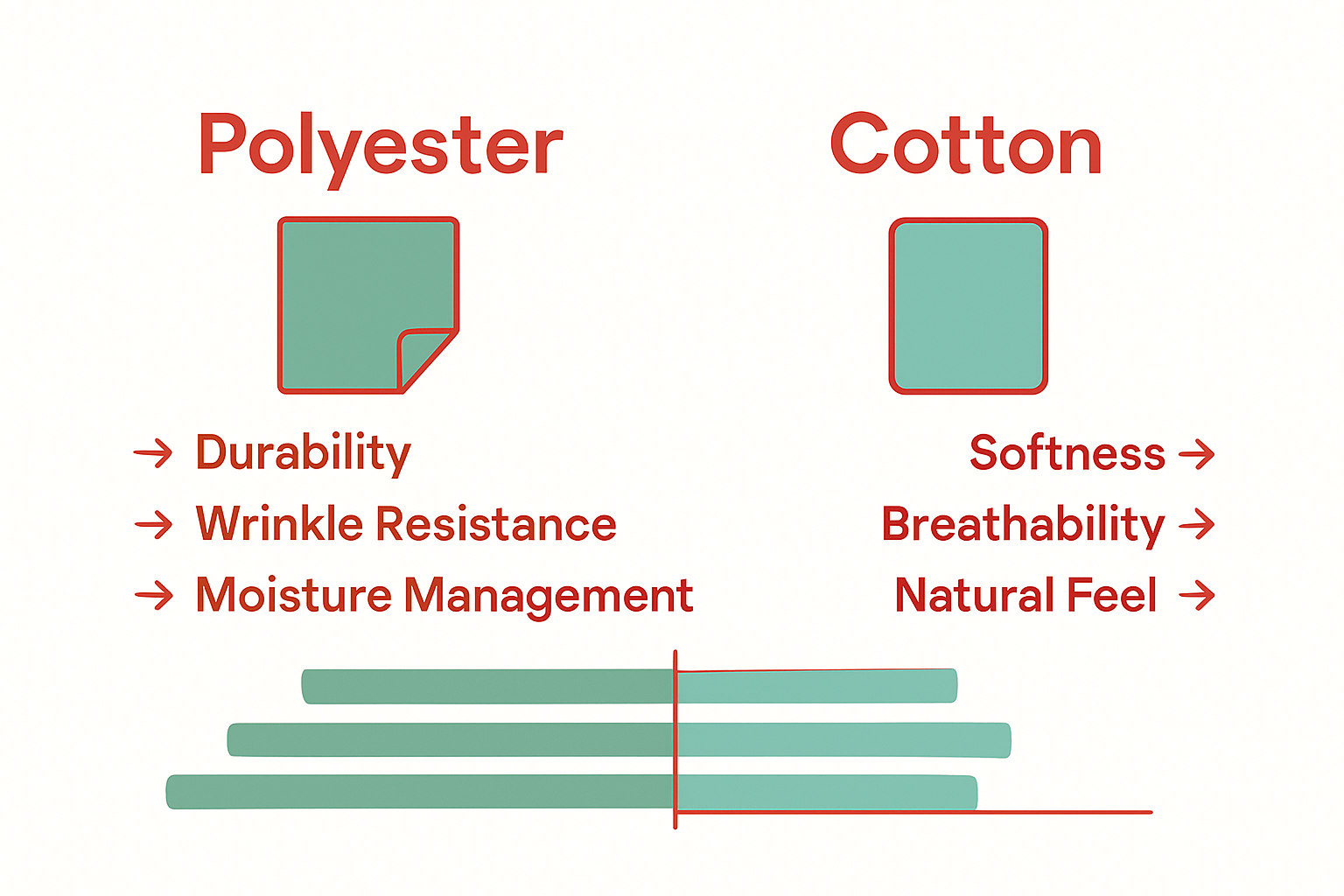
When evaluated against natural fibers like cotton and wool, polyester demonstrates distinct strengths and limitations. Cotton provides superior breathability and comfort, while polyester offers exceptional durability, wrinkle resistance, and color retention. Wool delivers superior temperature regulation, but polyester provides more consistent performance across varied environmental conditions.
Fabric Blend Considerations
Modern textile engineering increasingly focuses on hybrid solutions that maximize material benefits:
Cotton-Polyester Blends:
Wool-Polyester Blends:
These strategic combinations demonstrate how fabric selection can be optimized for specific design requirements, allowing creators to leverage the most advantageous material properties for their unique projects.
Choosing the right polyester fabric can feel overwhelming with so many types and performance qualities to consider such as durability, moisture management, and wrinkle resistance. If you struggle to find fabrics that balance comfort and long-lasting wear or want to understand options like PET versus PBT, you are not alone. Many fabric buyers seek trustworthy sources that offer detailed information and a wide selection of quality materials to make confident purchasing decisions.
At Fabric-Fabric, we understand the challenge of selecting polyester that fits your unique apparel or home decor needs. 
Explore our extensive collection of polyester fabrics crafted for versatility and performance. Whether you are designing activewear, upholstery, or crafts, we provide clear product descriptions, expert usage advice, and competitive pricing to help you achieve your vision. Don’t let uncertainty slow your creativity–visit Fabric-Fabric now to find the polyester fabric that perfectly matches your project requirements and take advantage of our seasonal savings and free shipping offers.
Polyester fabrics are known for their durability, moisture management, wrinkle resistance, easy care, and versatility, making them popular across various industries including apparel and home furnishings.
Polyester is produced through a chemical process called step-growth polymerization, combining ethylene glycol and terephthalic acid to form long molecular chains. The resulting polymer can be processed into fibers using techniques such as melt spinning and draw texturing.
The main types of polyester include polyethylene terephthalate (PET), polycyclohexylenedimethylene terephthalate (PCDT), and polybutylene terephthalate (PBT), each engineered for specific performance characteristics such as durability, elasticity, and flexibility.
Polyester offers benefits like exceptional durability, moisture-wicking properties, and resistance to wrinkles, but it may also have limitations such as reduced breathability, potential static electricity, and environmental concerns due to its petroleum-based origins.