

 US Dollar

Understanding Why Use Polyester Fabric for Your Projects
Posted by BLG on 2025 Sep 14th
Posted by BLG on 2025 Sep 14th


Polyester fabric shapes almost everything we touch, from our favorite sportswear to high-tech engineering projects. Here is something you might not expect. Most polyester is created from petroleum-based polymers using a complex chemical process that transforms crude oil into soft, wearable fabric. This synthetic journey unlocks properties natural fibers cannot match, and it is not just about cheap production. The real surprise lies in how polyester is engineered at the molecular level to adapt to just about any environment, making it a driving force behind innovation across both fashion and industry.
| Takeaway | Explanation |
|---|---|
| Polyester is a versatile synthetic fabric. | Engineered from petroleum, polyester fabric is valued for its durability and adaptability across various industries. |
| Durability is a key polyester feature. | Polyester resists wear, shrinking, and environmental degradation, maintaining its shape and appearance over time. |
| Polyester production is cost-effective. | Lower production costs and streamlined manufacturing processes make polyester a budget-friendly option for high-performance textiles. |
| Sustainable practices are advancing. | Innovations in recycling and bio-based alternatives highlight polyester’s evolving environmental impact and sustainability. |
| Wide applications in design and crafting. | From apparel to home decor, polyester’s unique properties enable diverse creative uses and functionality. |
Polyester fabric represents a remarkable synthetic textile material engineered through advanced chemical processes. Created from petroleum-based polymers, this versatile fabric has transformed multiple industries with its exceptional performance characteristics.
Polyester originates from a sophisticated chemical reaction involving petroleum derivatives. Encyclopaedia Britannica explains that polyester belongs to a polymer category containing ester functional groups in each molecular repeat unit. Specifically, polyethylene terephthalate (PET) represents the most common polyester type used in textile manufacturing.
The production process involves intricate steps where specific chemical compounds are combined:
These ingredients undergo polymerization, transforming from individual molecules into long, interconnected polymer chains that form the foundation of polyester fabric.
The manufacturing journey of polyester fabric is a complex transformation from raw petroleum resources to wearable textiles. Fibre2Fashion highlights that polyester begins with fundamental ingredients: coal, air, water, and petroleum.
Manufacturers convert these base materials through polymerization, where monomers combine to create polymers. These polymers are then spun into fine fibers and woven into fabric. This intricate process allows for extraordinary fabric characteristics such as durability, wrinkle resistance, and adaptability to various applications.
Polyester’s synthetic nature means it can be engineered with precise specifications, making it an incredibly versatile material for clothing, home textiles, industrial applications, and beyond. From lightweight athletic wear to robust industrial fabrics, polyester continues to revolutionize textile technology through its remarkable engineered properties.
Polyester fabric stands out in the textile world due to its extraordinary engineering and remarkable performance characteristics. These synthetic fibers offer a combination of properties that make them incredibly versatile and valuable across numerous applications.
Encyclopedia Britannica highlights polyester’s exceptional durability, describing it as a material that resists stretching, shrinking, and environmental wear. This inherent strength means polyester fabrics maintain their shape and appearance even under challenging conditions.
Key durability features include:
The molecular structure of polyester contributes directly to these robust characteristics. Its tightly bonded polymer chains create a fabric that can endure significant stress without compromising integrity.
Beyond durability, polyester demonstrates remarkable performance attributes that set it apart from natural fibers. Quick-drying capabilities and wrinkle resistance make it an ideal choice for various applications ranging from sportswear to industrial textiles.
Polyester’s adaptability allows manufacturers to engineer fabrics with specific characteristics. By modifying the polymer composition, they can create materials that are:
While synthetic, polyester offers several practical advantages. Its low maintenance requirements mean fewer resources spent on care and cleaning. The fabric resists mildew, retains color vibrancy, and can be recycled, presenting an increasingly sustainable textile option.
The following table organizes polyester’s standout properties, offering a quick overview of how each characteristic translates into real-world fabric performance.
| Property | Description |
|---|---|
| Durability | Withstands stretching, shrinking, abrasion, and wear |
| Shape Retention | Maintains form through repeated washing and use |
| Quick Drying | Dries faster than most natural fibers |
| Wrinkle Resistance | Resists creasing and maintains a smooth appearance |
| Color Fastness | Holds vibrant colors with minimal fading over time |
| Low Maintenance | Requires minimal care and rarely mildews |
| Versatility | Can be engineered for lightweight, breathable, or thermal |
The precision engineering of polyester allows for tailored performance across diverse sectors. From moisture-wicking athletic wear to durable industrial protective clothing, polyester continues to prove its versatility and technological sophistication in modern textile design.
Polyester fabric has become a cornerstone material across numerous industries due to its exceptional versatility, cost-effectiveness, and engineered performance characteristics. Understanding its wide-ranging benefits helps businesses and consumers make informed textile choices.
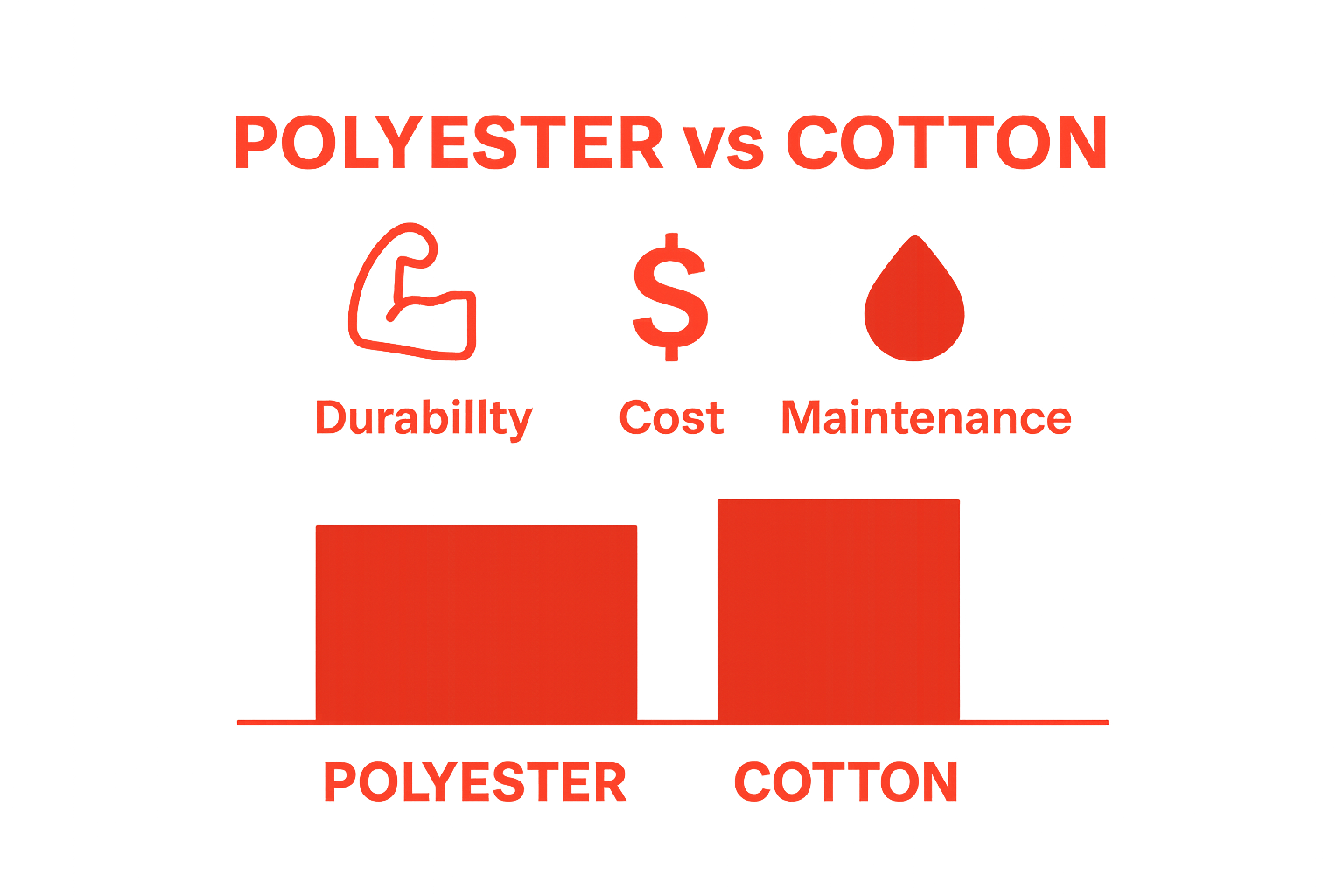
American Textile History Museum highlights polyester as a budget-friendly fabric option, typically costing between $5-$10 per yard. This affordability makes it an attractive choice for manufacturers seeking high-performance materials without significant financial investment.
Key economic advantages include:
The synthetic nature of polyester allows for streamlined manufacturing processes, enabling producers to create large quantities of fabric efficiently and economically.
Polyester excels in environments demanding precise material characteristics. Its engineered properties make it suitable for diverse applications ranging from athletic wear to industrial protective equipment.
Specialized performance features include:
Research demonstrates polyester’s ability to be enhanced through treatments that improve its inherent qualities. Chemical modifications can introduce additional functionalities like enhanced UV protection and antimicrobial properties.
Modern polyester production increasingly focuses on sustainable practices. Manufacturers are developing recycling techniques and exploring bio-based polyester alternatives that reduce environmental impact while maintaining superior performance.
The ongoing technological refinement of polyester ensures its continued relevance across industries. From lightweight performance clothing to robust industrial textiles, polyester represents a dynamic material that adapts to emerging technological and environmental challenges.
Polyester fabric represents a sophisticated engineering marvel that transforms raw chemical components into versatile textile materials through precise manufacturing processes. Understanding its production journey illuminates how these synthetic fibers achieve their remarkable performance characteristics.
Encyclopaedia Britannica explains the intricate chemical reaction underlying polyester production. The process begins with combining specific molecular compounds to create long-chain polymers that form the foundation of polyester fabric.
Key molecular transformation stages include:
This precise molecular engineering allows manufacturers to design fabrics with predetermined performance characteristics, creating materials tailored for specific applications.
Textile School details the complex transformation of polymers into functional fabrics. The spinning process involves extruding molten polymer through microscopic holes, creating continuous filaments that can be woven or knitted into diverse textile structures.
Important fabric formation techniques include:
These techniques enable manufacturers to create polyester fabrics with varying textures, weights, and performance capabilities.
The final stage of polyester fabric production involves finishing treatments that enhance its inherent properties. Manufacturers can modify the fabric’s surface to improve characteristics like moisture resistance, UV protection, and durability.
By carefully controlling the production process, polyester can be engineered for applications ranging from lightweight athletic wear to heavy-duty industrial textiles.
This table summarizes the key stages in polyester fabric production, highlighting the step-by-step process that turns raw chemicals into finished textile material.
| Production Stage | Key Actions and Outcomes |
|---|---|
| Chemical Reaction | Terephthalic acid and ethylene glycol are combined |
| Polymerization | Formation of long-chain polyester polymers |
| Fiber Spinning | Molten polymer is extruded into fine, uniform fibers |
| Fabric Formation | Fibers are woven or knitted into various textile formats |
| Finishing and Enhancement | Surface treatments add performance features (e.g., UV, moisture) |
| The material’s adaptability makes it a cornerstone of modern textile technology, bridging advanced chemical engineering with practical, everyday applications. |
Polyester fabric has emerged as a transformative material in design and crafting, offering unprecedented versatility and performance across multiple creative domains. Its unique properties enable designers and crafters to explore innovative techniques and produce exceptional projects with remarkable durability and functionality.
In fashion design, polyester provides designers extraordinary flexibility and performance. Lightweight and adaptable, the fabric allows for intricate garment construction with minimal fabric weight. Designers appreciate polyester’s ability to hold vibrant colors, resist wrinkling, and maintain shape consistency.
Key fashion applications include:
The fabric’s moisture-wicking and quick-drying properties make it particularly valuable in sportswear and technical clothing development.
TeachEngineering highlights polyester’s significance in textile crafting by demonstrating its adaptability across various project types. Home decor enthusiasts leverage polyester’s durability and ease of maintenance for creating long-lasting interior design elements.
Popular crafting and home decor applications feature:
The fabric’s resistance to fading and ability to withstand repeated washing makes it ideal for frequently used household textiles.

National Academies Press explores polyester’s role in advanced design and technical composites. Beyond traditional textile uses, polyester fabric contributes to innovative engineering and design solutions.
Innovative design applications demonstrate polyester’s technological potential:
Designers and engineers continue to push polyester’s boundaries, creating materials that combine aesthetic appeal with exceptional functional performance across diverse industries.
Choosing the right fabric can be stressful when your project demands durability, vibrant color, and reliable performance. If you’ve read about the resilience, cost-effectiveness, and adaptability of polyester, you already know how crucial it is to match these features to your goals. Whether you want to create standout apparel, add stylish accents to your home, or craft decor that lasts, you deserve fabric options that deliver on every promise made in this article.
Why wait to transform your ideas into reality? Visit Fabric-Fabric.com to discover a wide variety of polyester fabrics with detailed descriptions for every use. With user-friendly sorting for apparel, home decor, and craft needs, plus real-time promotions, shop with confidence today and make your next project smoother from start to finish. The best polyester solutions for your needs are only a click away—explore now and start creating with quality materials you can trust.
Polyester fabric offers numerous benefits, including durability, high resistance to stretching and shrinking, quick-drying capabilities, and low maintenance requirements. Its affordability and versatility make it suitable for various applications, from sportswear to home textiles.
Polyester fabric is designed to withstand challenging environments due to its exceptional strength and abrasion resistance. It maintains its shape and appearance well, making it ideal for both outdoor and industrial applications.
While polyester is a synthetic material, its production is increasingly focusing on sustainable practices. Many manufacturers are developing recycling techniques and bio-based polyester alternatives to reduce environmental impact while still providing high-performance textiles.
Yes, polyester is extensively used in advanced design and technical applications due to its engineered properties. It’s suitable for creating composite materials and can be found in products like automotive interiors and architectural membrane structures.