

 Canadian Dollars

Understanding the Role of Upholstery Fabrics in Design
Posted by BLG on 2025 Aug 25th
Posted by BLG on 2025 Aug 25th

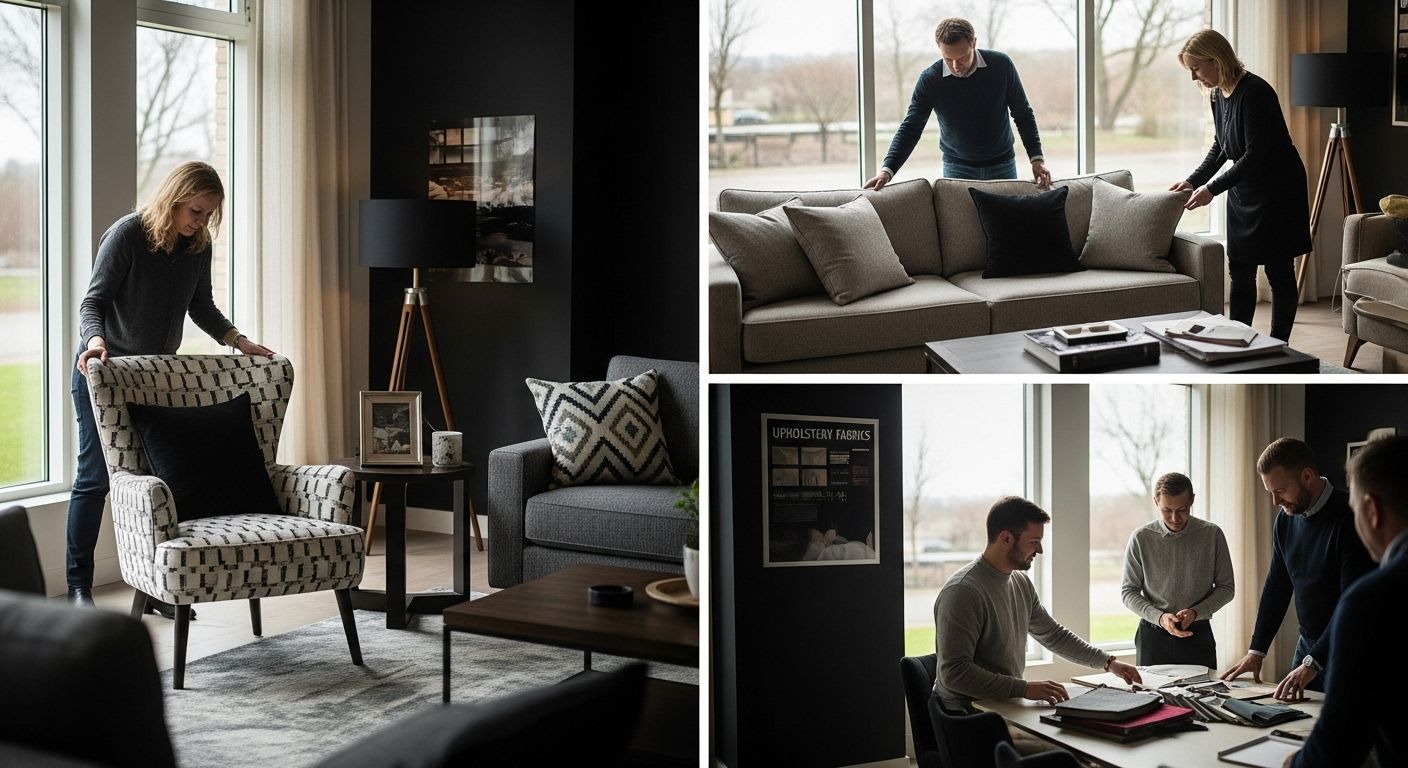
Upholstery fabrics are everywhere you look and they do a lot more than cover chairs or sofas. Most people think of them as just another design choice but some modern upholstery materials can resist flames, block bacteria, and even be made from recycled plastic bottles. Fabric is not just about looks anymore. It is a high-tech solution that protects people and the planet while shaping the entire mood of a space.
| Takeaway | Explanation |
|---|---|
| Upholstery fabrics serve dual roles: functional and aesthetic. | They protect furniture while enhancing interior design, highlighting the importance of both performance and visual appeal. |
| Consider fabric durability based on usage environment. | Different environments require different fabric characteristics, influencing the longevity and maintenance of the upholstery. |
| Sustainability is crucial in fabric selection. | Modern upholstery fabrics increasingly incorporate recycled materials and low-impact manufacturing processes to address environmental concerns. |
| Digital technology enhances upholstery design possibilities. | Innovations like virtual previews allow designers to customize fabrics digitally, breaking traditional design boundaries. |
| Select fabrics with advanced protective properties. | Features such as flame retardancy and antimicrobial resistance enhance safety and longevity, making upholstery more durable and user-friendly. |
Upholstery fabrics represent specialized textiles engineered specifically for covering furniture, seating, and decorative surfaces. These materials serve critical functional and aesthetic purposes in interior design, transforming ordinary furniture into sophisticated design elements.
Understanding upholstery fabrics requires examining their fundamental characteristics. According to New Mexico State University’s textile guide, these specialized textiles are evaluated through several key dimensions:
The role of upholstery fabrics extends beyond mere decoration. They must balance practical requirements with design aspirations, protecting furniture while simultaneously enhancing its visual appeal.
The table below summarizes the core properties of upholstery fabrics, offering a quick reference for understanding their technical and aesthetic roles in design:
| Property | Description |
|---|---|
| Durability | Resistance to wear, tear, and repeated use |
| Texture | Surface feel and the visual appearance of the fabric |
| Performance | Ability to withstand environmental or mechanical stress |
| Aesthetic Quality | Color, pattern, and design potential to enhance visual appeal |
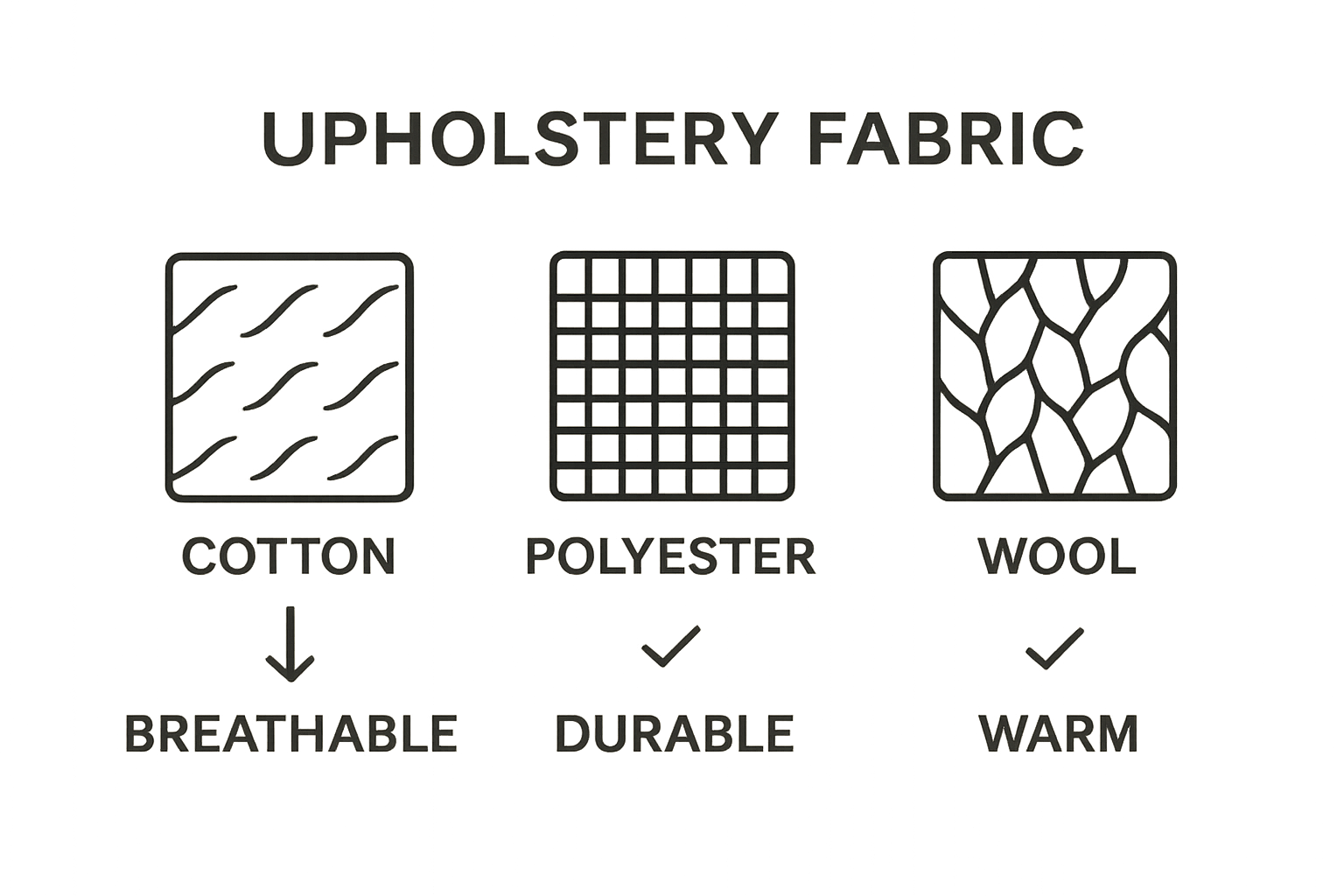
Upholstery fabrics can be broadly categorized into two primary classifications: natural and synthetic materials. Natural fabrics like cotton, wool, and silk offer exceptional breathability and traditional aesthetic qualities. Synthetic fabrics such as polyester and nylon provide enhanced durability and stain resistance.
Key considerations when selecting upholstery fabrics include:
Professional designers understand that fabric selection represents a nuanced decision balancing technical performance with visual harmony. Each fabric type brings unique characteristics that can dramatically transform furniture and interior spaces.
This comparison table highlights the differences between natural and synthetic upholstery fabrics, helping you quickly evaluate their unique features for various design needs:
| Fabric Type | Examples | Key Benefits |
|---|---|---|
| Natural | Cotton, Wool, Silk | Breathability, traditional look, comfort |
| Synthetic | Polyester, Nylon | Durability, stain resistance, easy care |
Whether selecting materials for residential furniture or commercial design projects, understanding the intricate role of upholstery fabrics enables more informed and sophisticated design choices.
Upholstery fabrics represent far more than simple coverings for furniture. They are dynamic design elements that profoundly shape interior spaces, communicating aesthetic narratives and functional requirements simultaneously.
According to Architecture Courses Design Guide, materials and textiles fundamentally transform interior environments. Upholstery fabrics serve multiple critical roles:
Psychological considerations play a significant role in fabric selection. Different textures and colors evoke specific emotional responses, allowing designers to craft intentional spatial experiences.
Beyond aesthetic qualities, upholstery fabrics deliver crucial functional performance. Professional designers evaluate fabrics through complex lenses of durability, maintenance, and environmental adaptability.
Key performance metrics include:
The strategic selection of upholstery fabrics enables designers to balance visual appeal with practical requirements, creating spaces that are both beautiful and resilient.
Understanding the nuanced role of upholstery fabrics transforms furniture from mere functional objects into sophisticated design statements. Each fabric selection represents a deliberate choice that influences spatial character, user experience, and overall design narrative.
Upholstery fabrics transcend decorative purposes, serving as sophisticated engineering solutions that deliver advanced functional performance across diverse environments. Their role extends far beyond visual appeal, addressing critical needs of safety, durability, and user comfort.
According to scientific research in textile engineering, modern upholstery fabrics incorporate sophisticated technological enhancements that dramatically improve their functional capabilities. Technical textiles are designed to provide specialized performance characteristics:
These engineered properties transform upholstery from passive coverings into active protective systems that enhance user safety and material longevity.
The following table organizes advanced functional properties found in modern upholstery fabrics, clarifying how these technical features enhance both safety and longevity:
| Advanced Property | Purpose/Benefit |
|---|---|
| Flame Retardancy | Reduces fire spread risks |
| Antimicrobial | Inhibits bacterial and fungal growth |
| Stain Protection | Prevents permanent damage from spills, stains |
| UV Resistance | Maintains color integrity, prevents fading |
Functional upholstery fabrics address complex environmental interactions. They must perform consistently under varying temperature, humidity, and usage conditions. Professional designers evaluate fabrics through multiple performance metrics:
The strategic selection of upholstery materials represents a sophisticated balance between scientific engineering and design aesthetics. Each fabric becomes a carefully calibrated solution addressing specific functional requirements while maintaining visual elegance.
By integrating advanced material science with design principles, upholstery fabrics emerge as intelligent solutions that protect, enhance, and transform interior spaces through their remarkable functional properties.
Sustainability has emerged as a transformative force in textile design, fundamentally reshaping how upholstery fabrics are conceptualized, produced, and evaluated. Modern innovations prioritize environmental responsibility without compromising performance or aesthetic quality.
According to the U.S. Green Building Council’s LEED v4 criteria, sustainable upholstery fabrics now represent sophisticated intersections of environmental consciousness and technological innovation. Ecological design principles drive fabric development through multiple strategic approaches:
These principles transform upholstery fabrics from passive materials into active contributors to environmental preservation.
This table outlines popular ecological design principles applied to sustainable upholstery fabrics, helping identify which strategies support environmental responsibility:
| Principle | Description |
|---|---|
| Recycled Material Integration | Uses post-consumer/post-industrial textile waste |
| Low-Impact Manufacturing | Reduces carbon footprint during production |
| Biodegradable Options | Materials that decompose naturally |
| Renewable Resource Sourcing | Fabrics from sustainable agricultural processes |
Innovative manufacturers are developing breakthrough materials that challenge traditional sustainability limitations. Advanced techniques now enable the creation of high-performance fabrics with minimal environmental consequences.
Key technological innovations include:
By integrating cutting-edge research with environmental stewardship, the upholstery fabric industry demonstrates that sustainable design can simultaneously deliver exceptional aesthetic and functional outcomes.
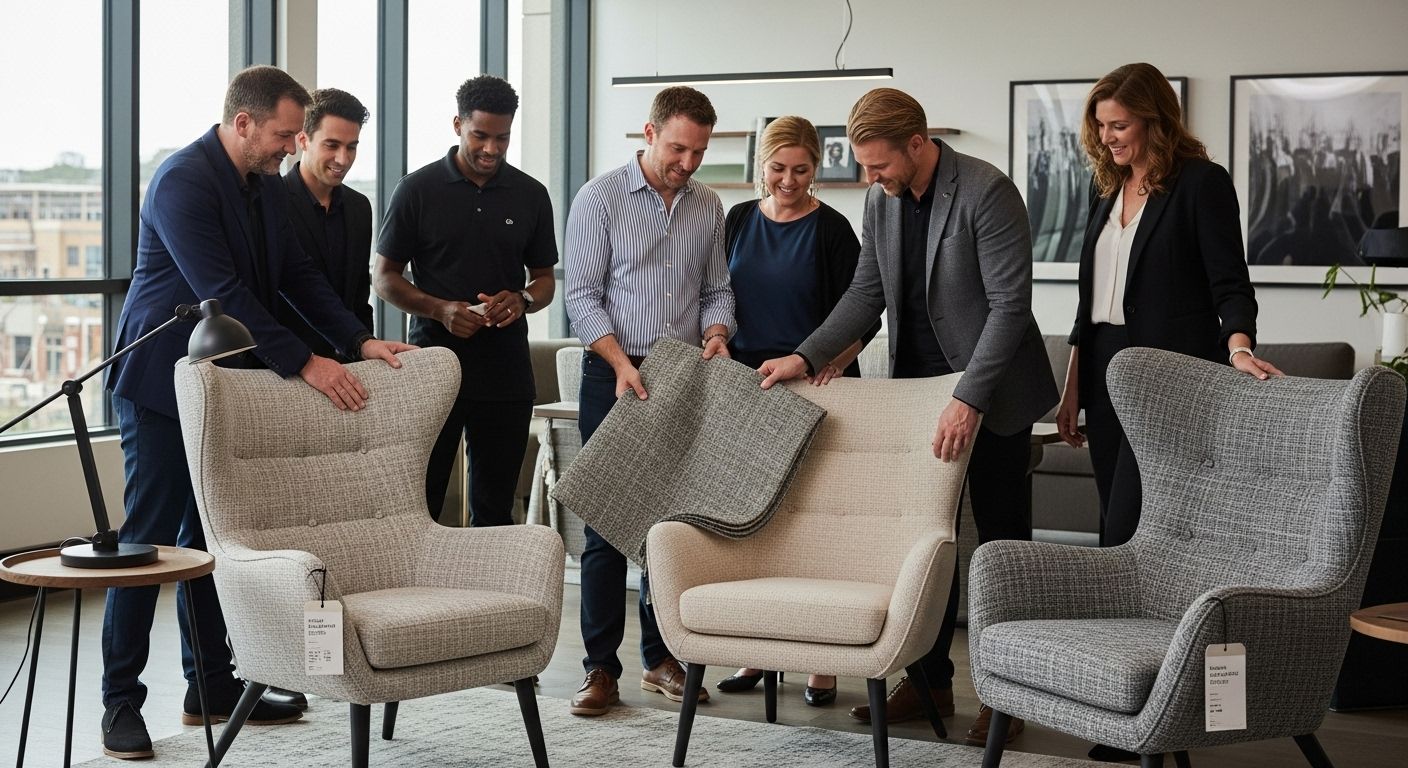
The evolution of upholstery fabrics represents a profound commitment to reimagining textile production as a collaborative dialogue between technological innovation, design excellence, and ecological responsibility.
The landscape of upholstery fabrics is undergoing a radical transformation, driven by technological innovation, sustainability demands, and evolving design philosophies. This dynamic intersection of fashion and interior design promises unprecedented opportunities for material development and creative expression.
According to research in virtual reality design, emerging digital technologies are revolutionizing how upholstery fabrics are conceptualized, designed, and experienced. Digital fabric representation introduces groundbreaking possibilities:
These technological advancements are breaking traditional boundaries between digital and physical textile design.
The future of upholstery fabrics is intrinsically linked to sustainability. Emerging research demonstrates a profound shift toward materials that harmonize ecological responsibility with high-performance characteristics.
Key emerging trends include:
Designers and manufacturers are reimagining fabric production as a holistic ecosystem that respects environmental constraints while pushing technological boundaries.
The convergence of digital innovation, sustainable practices, and advanced material science is transforming upholstery fabrics from passive coverings into intelligent, responsive design elements that reflect our evolving relationship with technology, environment, and aesthetic expression.
Struggling to find upholstery materials that balance beauty with performance? The article highlights a common problem faced by interior designers and DIY creators: the difficulty in selecting fabrics that deliver durability, sustainability, and the right aesthetic for your project. Whether you need something flame-retardant, antimicrobial, eco-friendly, or simply a fabric that completes your interior narrative, choosing the right textile can make all the difference in both professional and personal spaces.
Why settle for less when you can access a comprehensive marketplace? At fabric-fabric.com, you can browse a vast selection of upholstery and home decor materials, from classic cottons to luxurious velvets. Our detailed classifications and versatile product range mean you find exactly what your design requires, no matter the scale. Shop now to secure high-performing, visually impactful fabrics for your next project—explore all our fabrics and discover the difference expert materials can make. The right fabric is waiting for you. Visit us now to elevate your interiors with confidence.
When choosing upholstery fabrics, consider durability, texture, performance, and aesthetic quality. These characteristics determine how well the fabric will hold up under use, its feel and appearance, and its ability to withstand environmental stress.
Upholstery fabrics can be classified into natural materials, such as cotton, wool, and silk, and synthetic materials, like polyester and nylon. Each type offers distinct benefits in terms of breathability, durability, and aesthetic appeal.
Upholstery fabrics play a significant role in shaping the aesthetic and emotional atmosphere of a space. They can express personal style, create sensory experiences through texture and color, and unify different design elements within a room.
Modern upholstery fabrics provide advanced functional properties such as flame retardancy, antimicrobial resistance, stain protection, and UV resistance. These enhancements make upholstery fabrics not only visually appealing but also safer and more durable.