

 US Dollar

What is muslin fabric? A complete guide for crafters
Posted by BLG on 2026 Mar 31st
Posted by BLG on 2026 Mar 31st

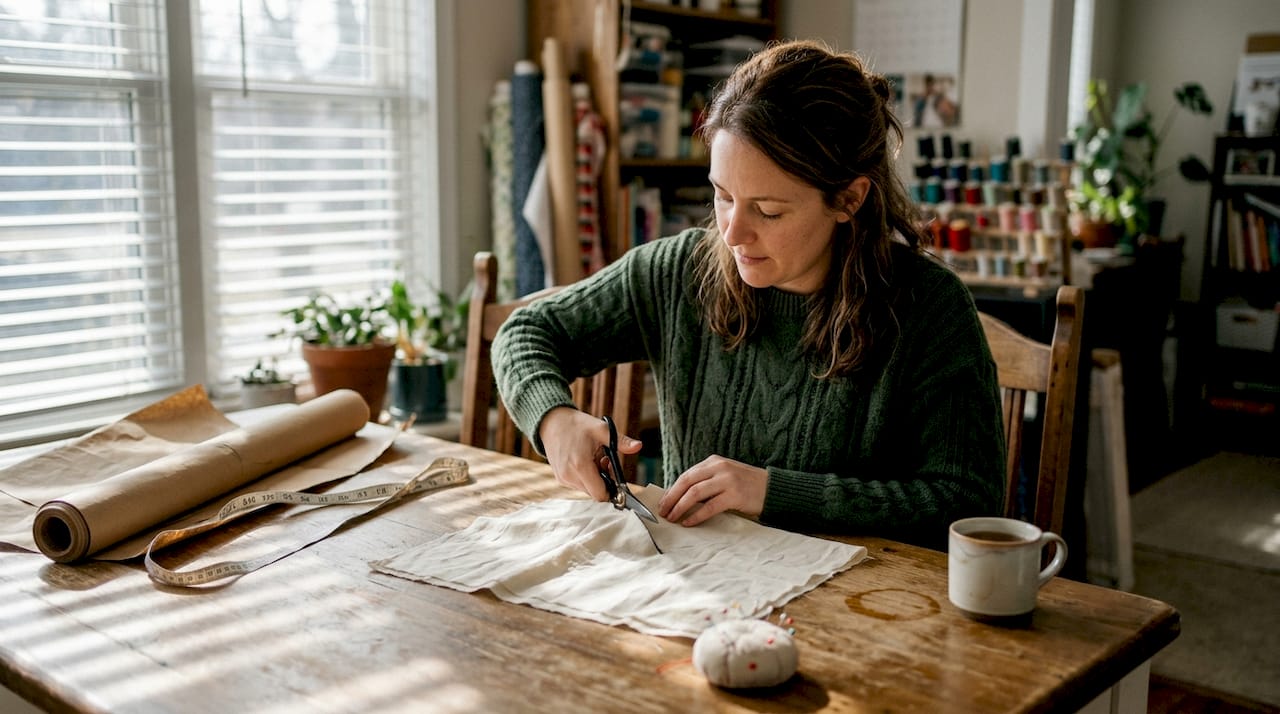
Muslin has one of the most misleading names in the textile world. Most crafters assume it comes from the Middle East because of its name’s origin in Mosul, Iraq, yet the finest muslin ever made came from Bengal and Dhaka, where weavers produced cloth so sheer it was called “woven air.” Today, muslin is everywhere in sewing rooms, theater studios, and even kitchens, yet many crafters still confuse it with cheesecloth, voile, or basic cotton quilting fabric. This guide covers exactly what muslin is, how its types differ, how it compares to similar fabrics, and how you can use it across a huge range of creative projects.
| Point | Details |
|---|---|
| Muslin’s roots | Muslin originated near Mosul but flourished in Bengal, with both handwoven and modern mass-produced types. |
| Distinct qualities | Muslin is lightweight, breathable, and comes in a range of grades suited for crafts and garments. |
| Popular projects | Crafters use muslin for pattern making, home décor, lining, embroidery, and culinary jobs. |
| Care essentials | Pre-wash muslin to avoid shrinkage, use gentle cycles, and iron for best sewing results. |
| Smart buying | Check weave quality, grade, and intended use before selecting muslin for your project. |
Muslin is a plain-weave textile, meaning its threads cross over and under each other in a simple one-over-one-under pattern. This structure gives muslin its characteristic flat, even surface and makes it easy to cut, sew, and print on. Muslin is usually cotton, though rare silk blends do exist for specialty applications.
Historically, muslin was handwoven by skilled artisans in Bengal and Dhaka using ultra-fine thread spun from a local cotton variety. The cloth they produced was almost transparent and incredibly soft. Modern muslin is a very different product. It is machine-made, widely available, and affordable, which is exactly why it became a go-to fabric for crafters worldwide.
Here are the core properties that define muslin:
One common myth is that muslin is just “cheap fabric” with no real purpose beyond practice runs. That undersells it completely. When you explore muslin fabric for crafting, you quickly realize it handles dye beautifully, holds embroidery stitches well, and drapes naturally for home decor projects. Its plain surface is a feature, not a flaw. It gives you a blank canvas to work with.
“Muslin’s simplicity is its strength. Its plain weave makes it one of the most adaptable fabrics a crafter can own.”
Not all muslin is the same, and picking the wrong grade for your project can lead to frustrating results. The historical contrast between the legendary “woven air” quality from Bengal and Dhaka and today’s mass-produced versions shows just how wide the muslin spectrum really is.
Here is a breakdown of the main grades:
| Grade | Thread count | Typical use | Feel |
|---|---|---|---|
| Book muslin | Very low | Theater backdrops, bookbinding | Stiff, open weave |
| Utility muslin | Low to medium | Craft projects, mock-ups | Slightly rough |
| Medium muslin | Medium | Dressmaking, quilting | Soft, balanced |
| Extra fine muslin | High | Apparel, baby items | Very soft, smooth |
Each grade serves a specific purpose. Book muslin is stiff enough to hold shape for stage sets and bookbinding. Utility muslin is the workhorse of the craft room, great for practice garments and rough projects. Medium muslin is the most popular choice for dressmakers who want a reliable, affordable fabric for fitting muslins (the practice garments sewn before cutting into expensive material). Extra fine muslin is soft enough for baby clothing and delicate apparel.
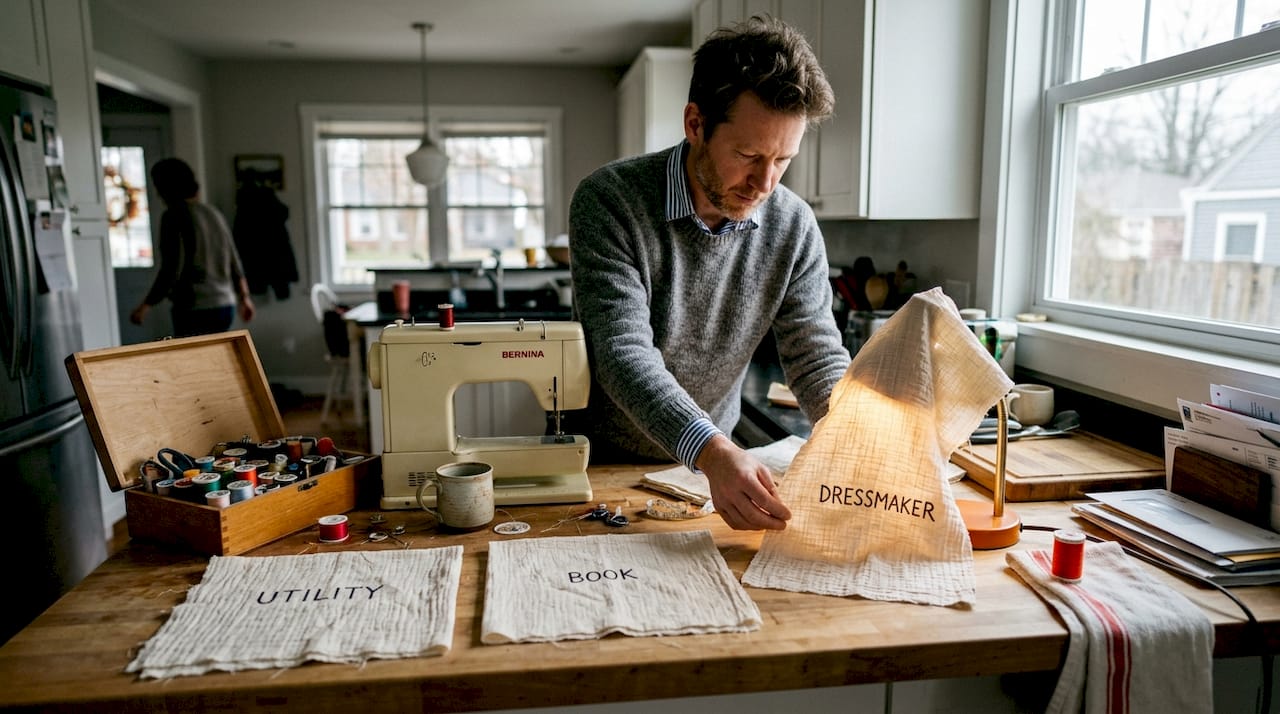
Pro Tip: Hold a piece of muslin up to a light source before buying. If you can see your hand clearly through it, it is a lighter, more open weave. If the light barely passes through, you have a denser, more durable grade. This quick check saves you from buying the wrong type for your project.
Understanding these grades also helps when reading patterns. Many sewing patterns call for “muslin” without specifying a grade, and knowing the differences between cotton fabric types helps you make the right call. You can also explore cotton cloth types to see how muslin fits into the broader cotton family.
Muslin is often grouped with other lightweight cottons, and the confusion is understandable. When you are shopping for fabric for quilts, linings, or summer apparel, lightweight cotton options can all look similar on the bolt.
Here is how muslin compares to its closest competitors:
| Fabric | Weave | Weight | Durability | Best for |
|---|---|---|---|---|
| Muslin | Plain | Light to medium | Good | Mock-ups, crafts, decor |
| Voile | Plain | Very light | Moderate | Blouses, curtains |
| Batiste | Plain | Very light | Moderate | Baby clothes, heirloom sewing |
| Lawn | Plain | Light | Good | Quilting, summer garments |
| Gauze | Very open plain | Ultra light | Low | Scarves, wrapping |
The key differences come down to thread count, finish, and intended use. Voile and batiste are finer and more polished than muslin, making them better for visible garments. Lawn has a slightly crisp finish that holds sharp seams well. Gauze is so open it is almost see-through and lacks the durability for most structural projects.
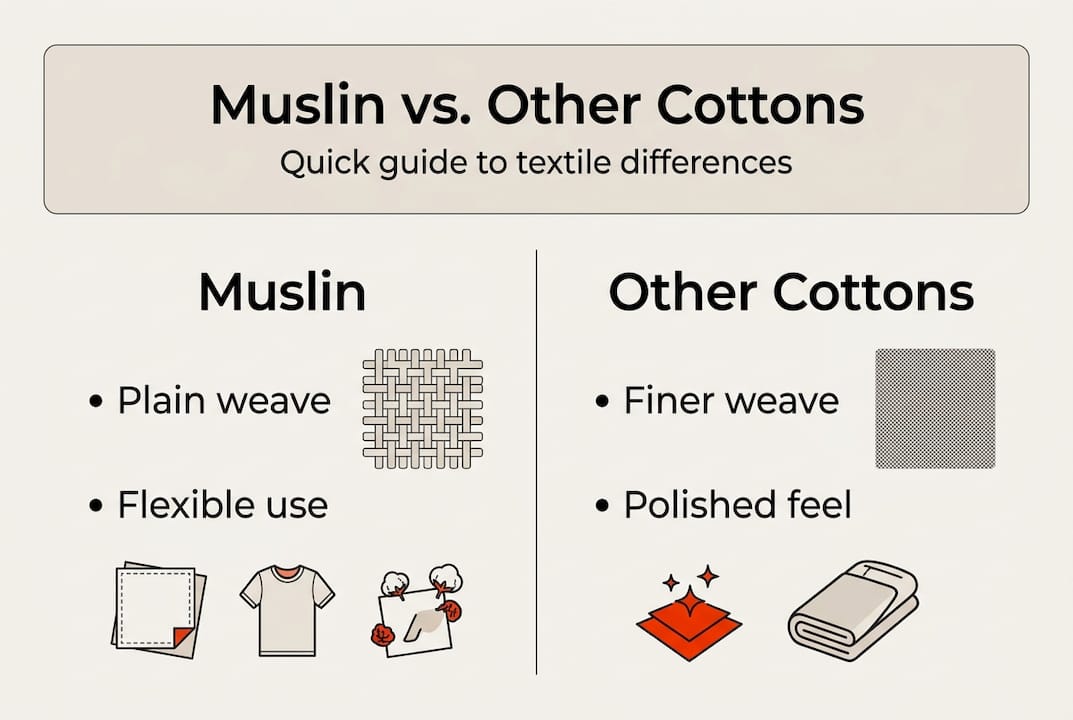
Muslin sits in a practical middle ground. It is not as refined as batiste, but it is far more durable than gauze. That balance makes it ideal for projects where function matters more than a luxurious drape. For ideas on how lightweight fabrics for summer stack up in real garment applications, it is worth seeing how each performs in warm-weather sewing.
Here is a simple process for choosing between them:
Pro Tip: Always pre-wash muslin before cutting your pattern pieces. Cotton muslin can shrink up to 5% in the first wash, which can throw off your measurements significantly if you skip this step.
Muslin’s affordability and versatility make it a staple across many creative disciplines. As one of the most versatile textiles for pattern drafting, decor, and crafts, it shows up in projects that most people would never expect.
Here are the most popular ways crafters use muslin:
“Muslin is the fabric equivalent of a blank sketchbook. It does not try to be anything on its own, which means it can become almost anything you need.”
For crafters interested in using muslin for lining in home decor projects, it pairs well with heavier decorative fabrics and adds structure without bulk. You can also look at essential home decor fabrics to see where muslin fits alongside other popular options.
Muslin is forgiving to care for, but a few key steps make a real difference in how your finished projects hold up over time.
Follow these steps for best results:
For painted or dyed muslin projects, heat-setting the color is essential. After the paint or dye dries completely, press the fabric with a hot iron (using a pressing cloth) for 30 seconds per section. This locks the color into the fibers and makes it washable.
Pro Tip: Add a cup of white vinegar to the rinse cycle when pre-washing muslin. It softens the fabric naturally and helps set any natural dyes you plan to apply later.
A solid fabric care checklist can help you build these habits into every project, not just muslin. Good care practices protect your time and investment across all fabric types.
Here is something worth saying plainly: muslin is underestimated, and that is mostly because it looks boring. New crafters often skip it in favor of fabrics that feel more exciting on the bolt. That is a mistake that costs them time, money, and frustration.
Seasoned sewists know that skipping a muslin mock-up when fitting a garment is one of the most expensive shortcuts you can take. Cutting directly into silk or wool without testing the fit first is a gamble that rarely pays off. Muslin is the insurance policy that makes ambitious projects possible.
Beyond garment making, experienced DIYers use muslin in ways that surprise people. Stretched over a frame and painted with gesso, it becomes a canvas. Soaked in starch and draped over a form, it hardens into sculptural shapes for display pieces. Compared to luxury textile experiences, muslin is the opposite of glamorous, but that is exactly what makes it so powerful in the right hands.
The crafters who get the most out of muslin are the ones who stop seeing it as a placeholder and start treating it as a material with its own strengths.
Whether you are planning a garment fitting, a home decor refresh, or a creative DIY project, having the right fabric makes all the difference. At fabric-fabric.com, you will find a curated selection of muslin and other quality textiles suited to every skill level and project type.
Browse backdrop fabrics for photography and theater projects, or explore the full range of home decor fabric options to find what works for your space. From utility-grade muslin to fine specialty cottons, shop muslin and more to find exactly what your next project calls for. Quality fabric is the foundation of every great finished piece.
Most muslin is 100% cotton, though rare silk blends also exist for specialty applications. Always check the product label to confirm fiber content before purchasing.
Yes, cotton muslin can shrink noticeably, which is why pre-washing before cutting is strongly recommended. Washing in cold water and drying on low heat reduces shrinkage significantly.
Muslin has a tighter, more durable weave than cheesecloth, making it suitable for sewing, crafts, and apparel. Cheesecloth is much looser and weaker, limiting it to straining and wrapping tasks.
Medium-weight muslin is the preferred choice for pattern making and garment fitting because it mimics the behavior of most apparel fabrics while remaining affordable and easy to sew.