

 Canadian Dollars

7 Lightweight Cotton Fabric Types Every Quilter Should Know
Posted by BLG on 2026 Jan 6th
Posted by BLG on 2026 Jan 6th

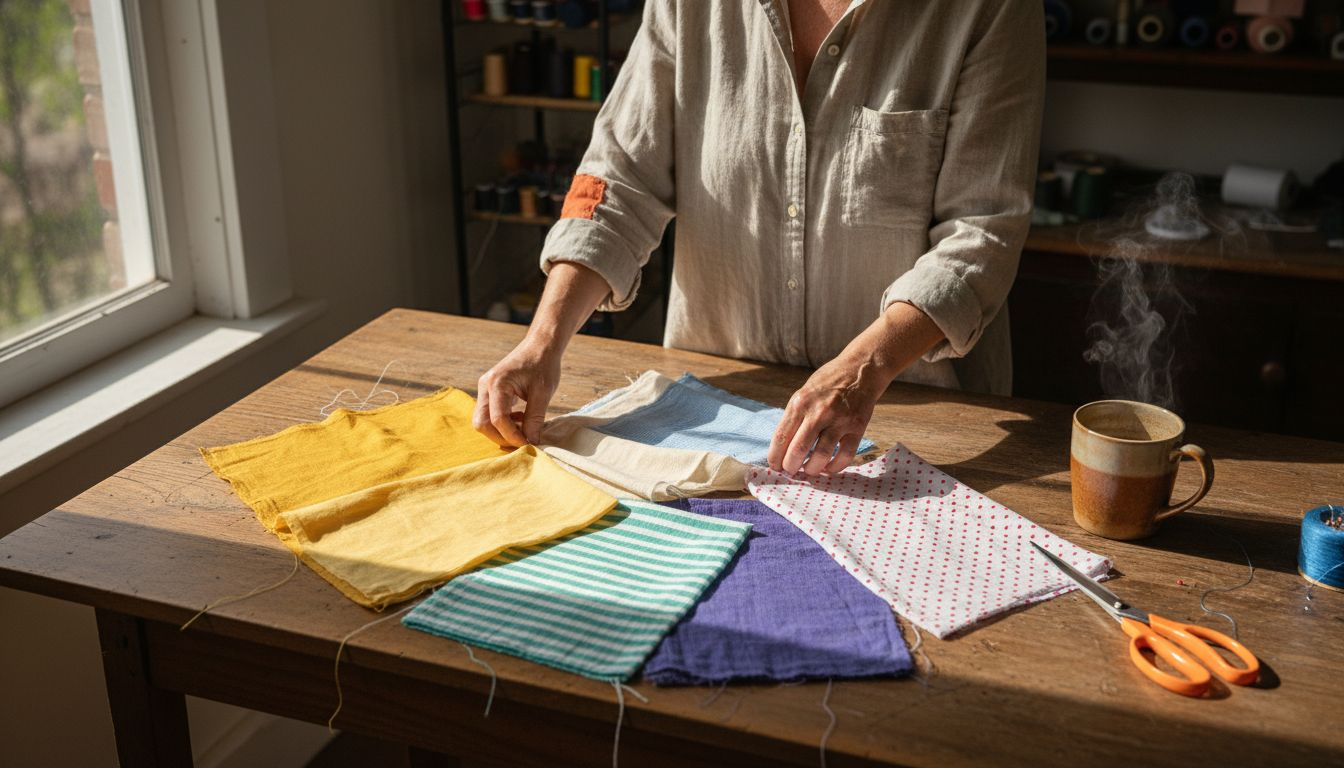
More than half of American quilters prioritize lightweight cotton fabrics for breathable, comfortable projects that match the season. Choosing the right material makes the difference between a quilt that feels light as a summer breeze and one that feels heavy or stuffy. Discover fresh options that combine quality, usability, and a gentle hand so you can create quilts that not only look beautiful but bring true comfort to your American home.
| Takeaway | Explanation |
|---|---|
| 1. Choose the Right Fabric | Select fabrics like voile, lawn cotton, and batiste for lightweight and elegant quilting projects, ensuring breathability and luxurious appeal. |
| 2. Use Proper Techniques | Employ fine needles, pre-washing, and careful handling with delicate fabrics to maintain integrity and prevent distortion during quilting. |
| 3. Enhance Visual Interest | Fabrics such as Swiss dot and seersucker add unique textures and layers, transforming simple designs into visually striking works of art. |
| 4. Stabilize Lightweight Fabrics | Use interfacing or tissue paper when quilting lightweight materials to provide support and prevent slippage, ensuring precise stitching. |
| 5. Pay Attention to Grain and Texture | Consider the fabric’s weave and direction to enhance design and texture in your quilts while ensuring accurate pattern placement. |
Classic voile represents a quilter’s dream fabric for creating lightweight, elegant designs that breathe and flow. This delicate cotton fabric brings an ethereal quality to quilting projects, offering soft texture and remarkable versatility that can transform ordinary patterns into extraordinary art.
Originating from France, voile is crafted using fine, tightly twisted cotton yarns that create a semi transparent fabric with incredible softness. Its unique weave produces a crisp yet gentle material perfect for summer quilts and artistic layering. Unlike heavier cotton fabrics, voile delivers beautiful draping with just enough structure to maintain intricate quilt designs.
Quilters appreciate voile for its exceptional breathability and delicate appearance. The fabric works beautifully in art quilts, lightweight summer throws, and decorative wall hangings where a touch of translucency can add visual depth and sophistication. When working with voile, careful preparation is key. Pre washing helps stabilize the fabric and prevents potential shrinkage in your finished project.
Handling voile requires a gentle touch. Its lightweight nature means you will want to use fine needles and precise stitching techniques to prevent fabric distortion. Stabilizing the fabric with lightweight interfacing can provide additional support during quilting without compromising its airy quality.
Pro tip: Use tissue paper underneath voile when machine quilting to help prevent fabric slippage and ensure clean, precise stitches.
Lawn cotton stands out as a quilter’s secret weapon for creating elegant and refined textile projects. This lightweight fabric offers a unique combination of softness and structure that can elevate your quilting designs from ordinary to extraordinary.
With its incredibly fine weave and silky smooth texture, lawn cotton provides exceptional precision for intricate quilting techniques. The fabric’s slight translucency and crisp finish make it perfect for creating delicate layers that drape beautifully without adding unnecessary bulk to your quilt. Its lightweight nature allows for neat and even stitches that highlight your craftsmanship.
When working with lawn cotton, preparation is key. The fabric requires careful handling to prevent stretching and potential distortion. Pre washing is crucial to minimize shrinkage and ensure your final quilt maintains its intended shape and design. Quilters appreciate lawn cotton for its versatility in both traditional and modern quilt patterns.
The smooth surface of lawn cotton makes it an excellent choice for intricate piecing and applique work. Its fine threads create a refined background that allows detailed quilting designs to shine. Whether you are creating a summer throw or an artistic wall hanging, lawn cotton offers the perfect balance of delicacy and durability.
Pro tip: Use a fine needle and adjust your machine tension when quilting with lawn cotton to prevent fabric puckering and maintain smooth, even stitches.
Seersucker cotton represents a quilter’s dream fabric for creating breathable and visually interesting summer projects. Its distinctive puckered texture sets it apart from traditional flat cotton fabrics, offering both aesthetic appeal and functional comfort.
The unique characteristic of seersucker comes from its specialized weaving technique, which creates alternating raised and flat stripes with built in thermal management. During manufacturing, different tension warp yarns produce a textured surface with natural air pockets that enhance breathability. This means your quilts will feel cooler and more comfortable in warm weather, making seersucker an ideal choice for lightweight summer bedding and decorative projects.
Quilters appreciate seersucker for its ability to add visual dimension to their work. The wavy texture creates natural shadows and highlights that can make simple quilt designs look more complex and interesting. Its inherent wrinkle resistant quality means your finished project will maintain a crisp, structured appearance without extensive ironing.
When working with seersucker, pay attention to its directional texture. The fabric’s unique weave means you will want to carefully consider pattern placement and grain line to maximize its distinctive aesthetic. Precut strips or blocks can help you take advantage of its natural stripe pattern when designing your quilt.
Pro tip: Use a walking foot when machine quilting seersucker to help manage its textured surface and prevent fabric shifting during stitching.
Batiste cotton represents a quilter’s secret weapon for creating exceptionally refined and lightweight textile projects. This exquisite fabric combines delicacy with surprising durability, offering a unique solution for quilters seeking elegant, soft creations.
The hallmark of batiste lies in its incredibly fine and smooth plain weave, which provides a semi transparent quality that adds sophistication to any quilting design. Its mercerized finish enhances both strength and visual appeal, creating fabrics that feel luxurious while maintaining remarkable structural integrity.
Quilters appreciate batiste for its exceptional draping properties and breathable nature. The fabric moves gracefully when used in summer quilts or lightweight wall hangings, creating pieces that appear almost ethereal. Its fine weave means you can achieve intricate details and subtle color variations that might get lost in heavier cotton fabrics.
Working with batiste requires a gentle touch and precise techniques. Because of its delicate nature, using sharp needles, fine thread, and careful handling will help you maximize the fabric’s potential. Pre washing is crucial to prevent shrinkage and ensure your final quilt maintains its refined appearance.
Pro tip: Use lightweight interfacing when working with batiste to provide additional stability without compromising the fabric’s elegant drape.
Gauze represents a quilter’s dream fabric for creating lightweight, breathable textile masterpieces. Its unique construction offers exceptional softness and versatility that can transform ordinary quilting projects into extraordinary creations.
At its core, gauze features two loosely woven layers of cotton that provide remarkable air circulation. This distinctive weave structure creates a fabric that is simultaneously delicate and strong, making it perfect for summer quilts, baby blankets, and decorative wall hangings. The multiple layer options single, double, or triple gauze allow quilters to choose precisely the right weight and texture for their specific project.
Quilters appreciate gauze for its incredible moisture absorption and temperature regulating properties. Its high air permeability means quilts made from this fabric feel cool and comfortable even in warm weather. The soft, slightly textured surface adds visual interest and depth to your quilting design, making even simple patterns look sophisticated and intentional.
Working with gauze requires a gentle approach. Because the fabric is prone to fraying and stretching, using sharp needles, fine thread, and careful handling will help you achieve professional results. Pre washing can help stabilize the fabric and prevent unexpected shrinkage in your finished quilt.
Pro tip: Use lightweight fusible interfacing when working with gauze to provide additional stability and prevent stretching during your quilting process.
Cambric represents the pinnacle of precision for quilters seeking a fabric that combines delicacy with extraordinary durability. Its tightly woven structure offers an unparalleled canvas for intricate needlework and refined textile design.
Historically crafted from linen and now predominantly made from cotton, cambric provides quilters with a remarkably smooth and crisp fabric surface that elevates even the most complex quilting techniques. The fabric’s exceptional weave allows for precise seams, sharp edges, and intricate embroidery work that would challenge lesser materials.
Quilters appreciate cambric for its ability to hold detailed stitching with remarkable clarity. Its lightweight nature combined with a tight weave means you can create complex patterns that showcase your most advanced technical skills. The fabric performs especially well in projects requiring fine detail such as applique work, delicate landscape quilts, or miniature quilt designs.
Working with cambric demands precision and careful handling. Its smooth surface requires sharp needles and consistent tension to prevent fabric distortion. Pre washing can help stabilize the fabric and prevent unexpected shrinkage while maintaining its beautiful finish.
Pro tip: Use fine microtex needles and reduce your machine’s stitch length when working with cambric to ensure clean, precise stitching without fabric distortion.
Swiss dot fabric represents a quilter’s creative secret weapon for adding subtle visual intrigue and tactile dimension to textile projects. Its distinctive spotted surface transforms ordinary quilts into extraordinary artistic statements.
Originating from cotton batiste, Swiss dot fabric offers a delightful textural landscape with precisely arranged small dots that create visual depth without overwhelming the design. The lightweight and semi sheer base allows for creative layering techniques that can dramatically enhance the complexity of your quilting work.
Quilters appreciate Swiss dot for its ability to introduce texture without adding significant bulk. The evenly spaced dots can range from tiny pinhead sized to more substantial circular patterns, providing endless design possibilities. This fabric works particularly well in projects that require visual interest such as baby quilts, wall hangings, and summer weight throws.
Working with Swiss dot requires a gentle touch and thoughtful approach. Its delicate nature means you will want to use fine needles, reduced machine tension, and careful handling to maintain the fabric’s unique dotted surface. Pre washing can help stabilize the fabric and prevent unexpected shrinkage while preserving its distinctive texture.
Pro tip: When cutting Swiss dot fabric, use sharp rotary blades and consider using a light interfacing to prevent stretching and maintain the fabric’s beautiful dot pattern.
Below is a comprehensive table summarizing the properties and uses of the fabrics discussed throughout the article.
Choosing the right lightweight cotton fabric is vital for quilters aiming to craft breathable, elegant, and durable projects. Whether you need the soft drape of batiste, the textured charm of seersucker, or the delicate translucency of classic voile, finding quality fabrics that meet your detailed requirements can be challenging. Avoiding fabric distortions, shrinkage, and stitch puckering starts with selecting premium materials and proper preparation.

Elevate your quilting experience today with premium fabrics from fabric-fabric.com. Explore our extensive collection tailored to fit every quilter’s needs including voile, seersucker, lawn cotton, and more. Benefit from expert descriptions, helpful usage tips, and current promotions that make it simple to choose the ideal fabric. Visit now to secure lightweight cotton fabric that will bring your creative visions to life with precision and beauty.
Classic Voile offers incredible softness and breathability, making it ideal for lightweight, elegant quilts. To enhance your quilting experience, pre-wash the fabric to prevent shrinkage and ensure the finished project maintains its intended look.
Preparation is key when working with Lawn Cotton, as it prevents stretching and distortion. Always pre-wash the fabric to minimize shrinkage and ensure your quilt stays true to its original design.
When working with Seersucker, use a walking foot to manage its textured surface and avoid fabric shifting. Additionally, carefully consider your pattern placement to maximize the unique aesthetic of the fabric.
Handle Batiste cotton gently and use sharp needles to achieve the best results. Always pre-wash the fabric to prevent shrinkage and preserve its refined appearance in your final quilt.
To prevent stretching when quilting with Gauze, use sharp needles and lightweight fusible interfacing for added stability. Pre-wash the fabric to help stabilize it and prevent unexpected shrinkage in your finished projects.
When cutting Swiss Dot fabric, use sharp rotary blades for clean cuts and consider lightweight interfacing to maintain the fabric’s unique dot pattern. This will help prevent stretching and ensure accuracy in your design.