

 US Dollar

What is sheer fabric? A complete 2026 guide for crafters
Posted by BLG on 2026 Mar 16th
Posted by BLG on 2026 Mar 16th

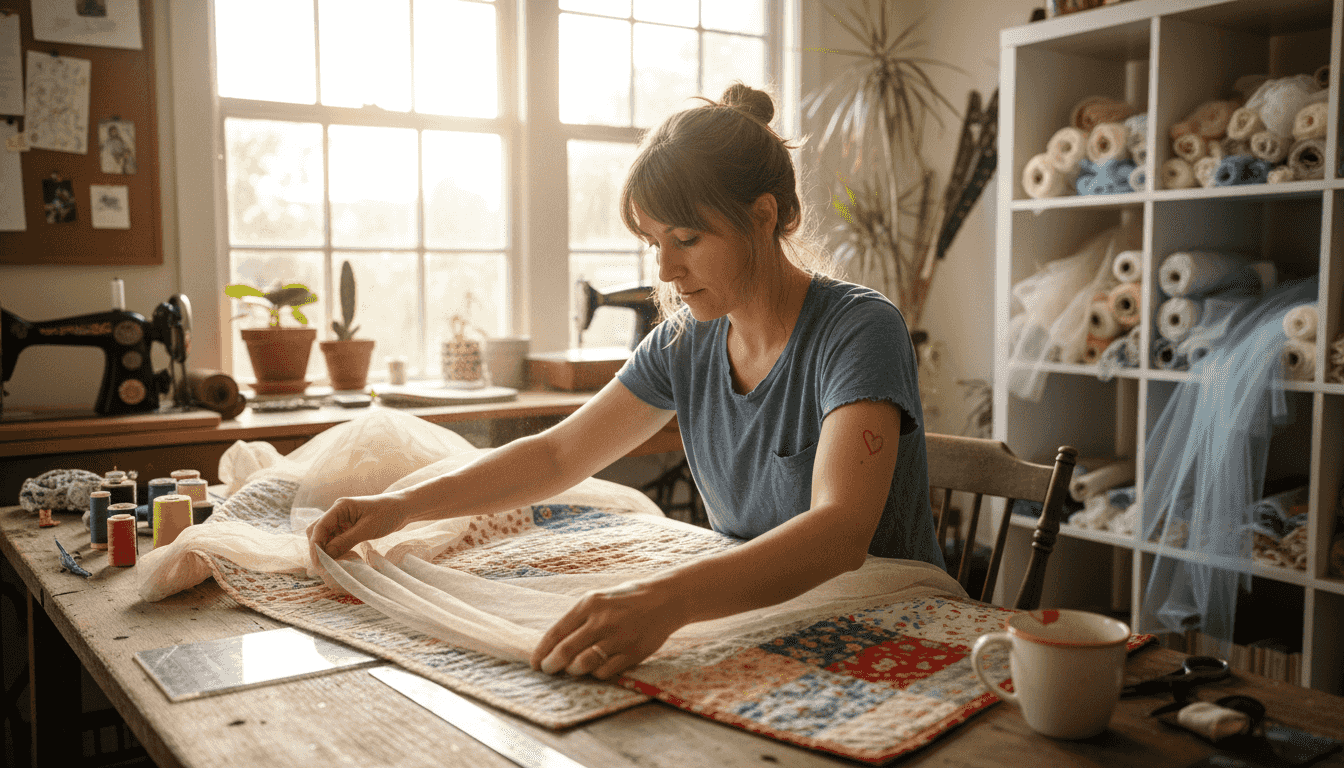
Many crafters assume sheer fabric is simply transparent cloth, but this versatile material offers far more complexity and creative potential than meets the eye. Understanding what makes fabric sheer, the various types available, and how to use them effectively can transform your apparel and home decor projects. This guide breaks down sheer fabric’s unique structure, explores popular varieties like tulle and netting, and shows you practical ways to incorporate these ethereal materials into your creative work. You’ll discover how yarn fineness, weave patterns, and material choices create different levels of transparency, plus learn essential care techniques to maintain your sheer fabric’s delicate beauty.
| Point | Details |
|---|---|
| Transparency source | Sheer fabric’s transparency is a result of its open structure and the use of fine yarns, allowing light to pass through. |
| Lightweight construction | Fine threads and open weaves create breathable, airy fabrics perfect for warm weather garments. |
| Material variety | Natural silk, semi-synthetic, and synthetic fibers each produce sheer fabrics with distinct characteristics. |
| Versatile applications | Sheer fabrics work beautifully in fashion, home decor, and craft projects from veils to curtains. |
| Market significance | Sheer fabrics account for approximately 15% of all fabric sales in the fashion industry. |
Sheer fabric stands apart from regular textiles through its distinctive combination of fine threads and open construction. The transparency you see results from how these fabrics are woven or knitted, creating spaces between yarns that allow light to pass through freely. Unlike dense fabrics that block light completely, sheer materials use delicate fibers arranged in patterns that balance coverage with visibility.
The level of sheerness varies significantly based on several technical factors. Yarn thickness plays a primary role, thinner threads naturally create more transparent results. Weave density determines how tightly fibers sit together, with looser weaves producing greater transparency. Fabric thickness affects overall opacity, even when using the same base material. Color choice matters too, darker shades typically appear less transparent than lighter ones because they absorb more light rather than letting it pass through.
Understanding the role of fabric structure helps you predict how different sheer materials will perform in your projects. The lightweight, breathable nature of these fabrics comes from their mesh-like or lace-inspired structures. These open patterns create natural ventilation channels, making sheer fabrics ideal for warm weather clothing and applications where air circulation matters.
Several key factors influence how sheer a fabric appears:
“The magic of sheer fabric lies in its ability to reveal and conceal simultaneously. Fine yarns woven with deliberate spacing create an interplay of light and shadow that transforms simple textiles into ethereal materials perfect for layering and creative expression.”
This structural approach to creating transparency gives you precise control over your project outcomes. When you understand these principles, selecting the right sheer fabric becomes a strategic decision rather than guesswork.
Sheer fabric can be made from various materials, including natural, semi-synthetic, and synthetic ones, offering versatility in fashion and decor. Natural fibers like silk create luxurious sheer fabrics with beautiful drape and subtle luster. Semi-synthetic options such as rayon blend natural cellulose with chemical processing for affordable elegance. Synthetic fibers including nylon and polyester deliver durability and easy care, making them practical choices for everyday projects.
Two particularly popular sheer fabrics dominate craft and fashion applications. Tulle, a type of sheer fabric, is a hexagonal mesh structure fabric, known for its lightweight and breathability. This distinctive netting features small, uniform holes arranged in a honeycomb pattern. Netting, another type of sheer fabric, has an open, grid-like structure, making it airy and transparent. While similar in concept, these fabrics serve different purposes based on their specific characteristics.
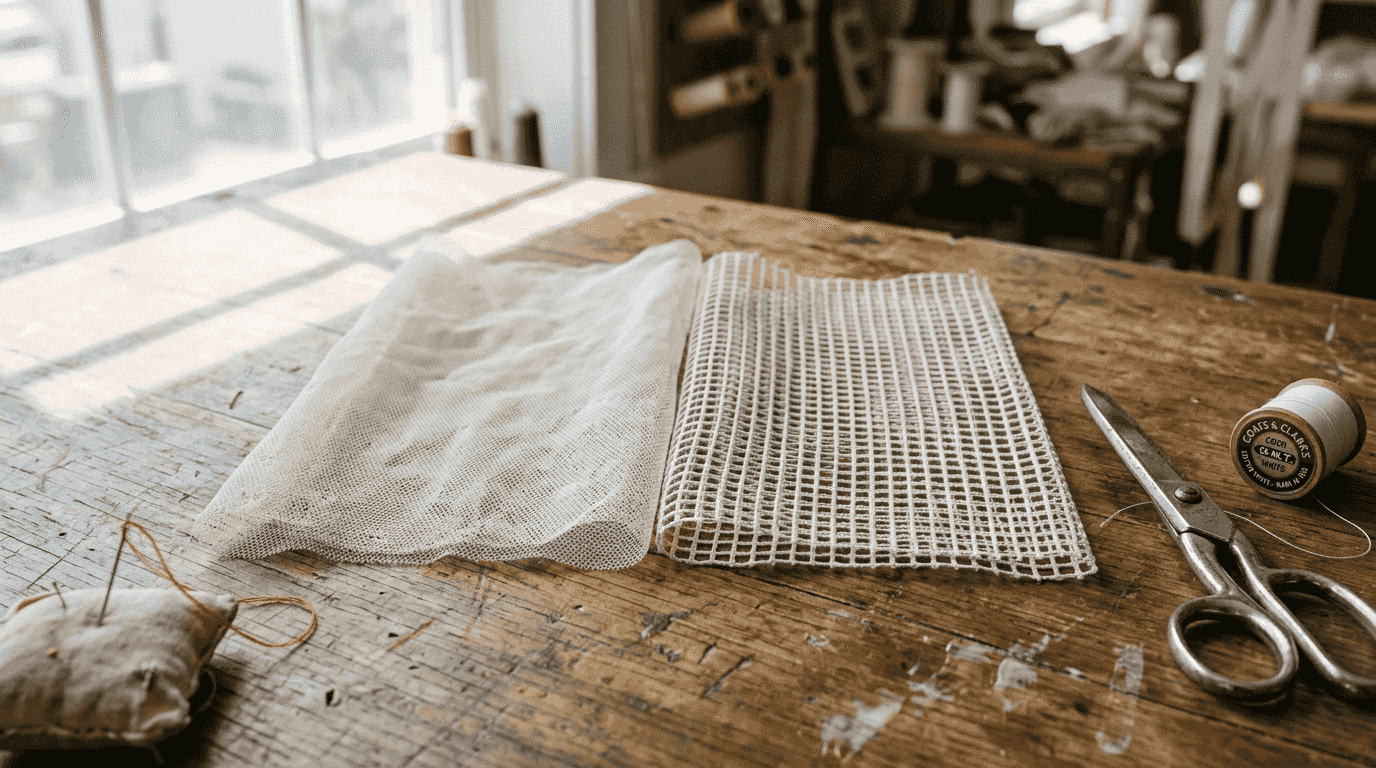
| Feature | Tulle | Netting |
|---|---|---|
| Structure | Hexagonal mesh with fine holes | Grid pattern with larger openings |
| Common materials | Silk, nylon, polyester | Primarily synthetic fibers |
| Weight | Ultra-lightweight, delicate | Light to medium, more substantial |
| Typical uses | Bridal veils, tutus, decorative overlays | Sports equipment, costume bases, structural support |
Exploring different tulle fabric types reveals how material choice affects project outcomes. Silk tulle offers unmatched softness and elegant drape but requires careful handling and comes at premium prices. Nylon tulle provides excellent shape retention and durability, making it perfect for tutus and structured garments. Polyester tulle balances affordability with decent performance, ideal for practice projects or high-volume decorating needs. Understanding what is tulle fabric helps you choose between these options confidently.
Beyond tulle and netting, crafters work with numerous other sheer fabric varieties:
Pro Tip: Match your sheer fabric choice to project requirements by prioritizing what matters most. Need durability for frequent handling? Choose synthetic netting or nylon tulle. Want luxurious drape for special occasion wear? Invest in silk chiffon or organza. Planning budget-friendly decor? Polyester voile delivers beautiful results without breaking the bank.
Even materials traditionally considered opaque, like felt fabric, demonstrate how fiber processing and construction techniques determine final fabric characteristics. This reinforces that sheerness results from deliberate design choices rather than inherent material properties alone.
Sheer fabrics are lightweight and breathable due to the use of fine yarns or open structures, providing space for air to permeate freely. This natural ventilation makes sheer materials exceptionally comfortable for warm weather clothing. The same properties that create transparency also allow heat to escape and cool air to circulate, preventing the sticky discomfort associated with dense fabrics in summer conditions.
Crafters and DIY enthusiasts incorporate sheer fabrics into countless creative applications:
The aesthetic value of sheer fabrics extends beyond their practical benefits. Layering sheer materials over solid fabrics creates depth and visual interest impossible to achieve with single-layer construction. Light diffusion through sheer curtains softens harsh sunlight, creating warm, inviting interior atmospheres. The subtle reveal of underlying colors or patterns through sheer overlays adds sophisticated complexity to simple designs.
Exploring home decor fabric ideas shows how sheer materials transform living spaces. Sheer panels hung as room dividers define areas without blocking light flow. Draped canopies over beds create romantic focal points. Table overlays in sheer organza elevate ordinary dining settings into elegant occasions. These applications demonstrate sheer fabric’s versatility beyond traditional garment construction.
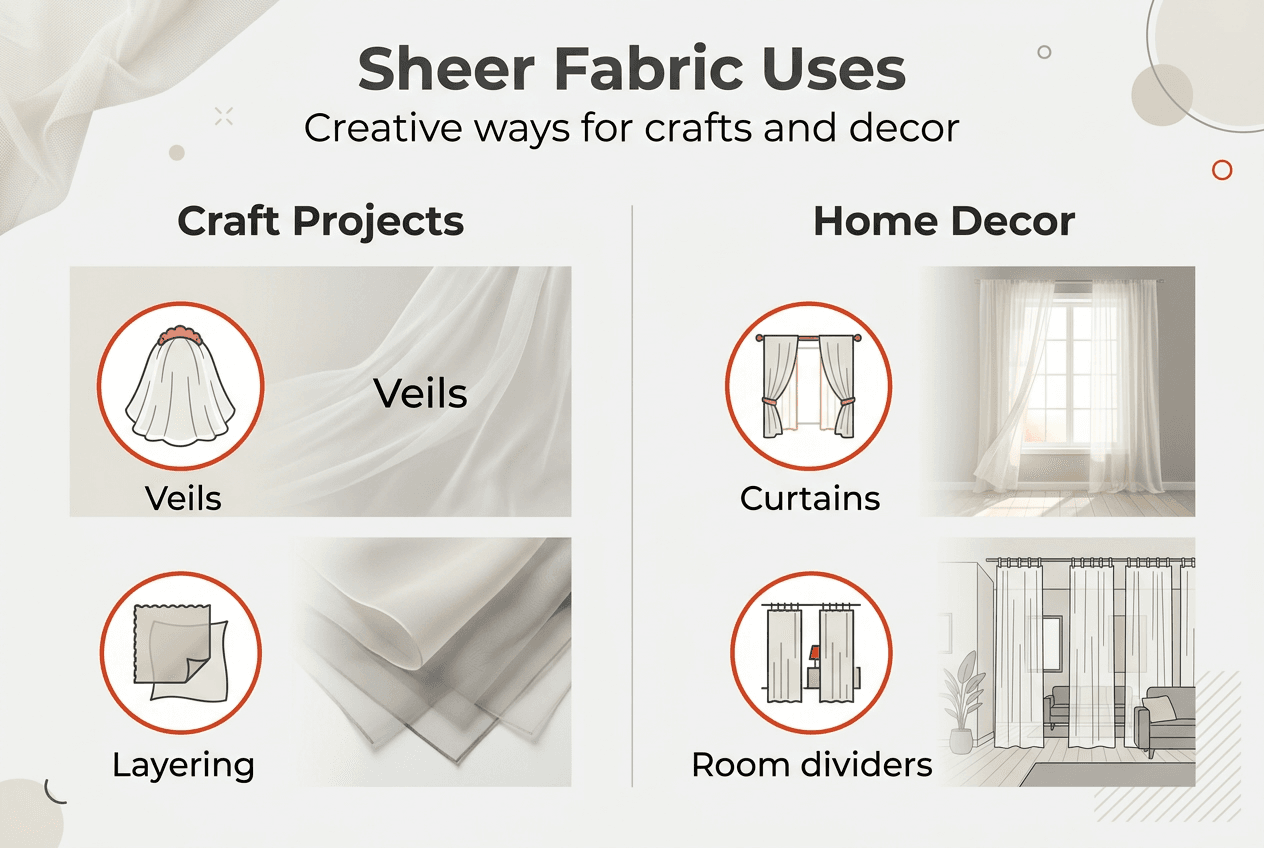
DIY projects benefit tremendously from sheer fabric’s forgiving nature and dramatic impact. Veils for special occasions require minimal sewing skills but deliver professional-looking results. Overlay panels added to existing garments refresh tired wardrobes without complete reconstruction. Accent pieces like bows, sashes, and decorative swags use small amounts of fabric for maximum visual effect. Soft furnishings including pillow covers and lampshade treatments gain sophistication through sheer fabric incorporation.
Pro Tip: Handle sheer fabrics gently during cutting and sewing to avoid snags, pulls, or distortion. Use sharp scissors or rotary cutters for clean edges, and consider tissue paper or stabilizer underneath delicate materials when machine sewing. These small precautions preserve transparency and prevent damage that ruins the ethereal quality you’re working to achieve.
The significance of sheer fabrics accounting for approximately 15% of all fabric sales in the fashion industry reflects their enduring popularity and creative potential. This substantial market share demonstrates that sheer materials aren’t niche specialty items but mainstream choices valued by professionals and hobbyists alike. Whether you’re creating backdrop fabrics for events or personal fashion statements, sheer fabrics offer proven versatility.
Selecting the right sheer fabric requires evaluating several key factors before making your purchase. Desired transparency level tops the list, you need to decide whether you want subtle sheerness or dramatic see-through effects. Fabric weight affects both drape and durability, lighter weights flow beautifully but tear more easily. Material type determines care requirements, cost, and performance characteristics. The sheerness of a fabric can vary based on its thickness, material, and color, even within the same fabric type.
Ask yourself these questions when choosing sheer fabric for your project:
Testing fabric before committing to a purchase saves disappointment and wasted materials. Follow these steps to evaluate sheer fabric properly:
Pro Tip: Store sheer fabrics rolled rather than folded to prevent permanent creases and stress points. Keep them in breathable fabric bags or acid-free tissue paper, away from direct sunlight that can cause fading or yellowing. Proper storage extends fabric life and maintains the pristine appearance essential for successful projects.
Care instructions for sheer fabrics typically require gentler treatment than regular textiles. Hand washing in cool water with mild detergent prevents damage to delicate fibers. If machine washing becomes necessary, use mesh laundry bags and select gentle cycles with minimal agitation. Air drying preserves fabric structure better than machine drying, which can cause shrinkage, distortion, or melting in synthetic materials. Avoid harsh chemicals including bleach and strong stain removers that weaken fibers or cause discoloration.
Understanding fabric finishes explained helps you anticipate how treatments affect sheer materials. Some finishes enhance stain resistance or reduce wrinkling, while others might slightly reduce transparency or change hand feel. Knowing what finishes exist on your fabric informs appropriate care methods and sets realistic expectations for long-term performance.
Ironing sheer fabrics demands extra caution. Use the lowest heat setting appropriate for the fiber content, and always place a pressing cloth between the iron and fabric. Test temperature on a hidden seam or scrap piece first. Many sheer synthetics melt or develop shine marks under excessive heat. For stubborn wrinkles, hanging the garment in a steamy bathroom often relaxes fibers without direct heat contact.
Now that you understand sheer fabric’s unique properties and creative possibilities, you’re ready to bring these ethereal materials into your own projects. Whether you’re designing flowing garments, creating romantic home decor, or crafting special occasion pieces, the right sheer fabric makes all the difference in achieving professional results.

Discover a curated collection of quality sheer and decorative fabrics perfect for crafters and DIY enthusiasts. Browse backdrop fabrics ideal for events and photography, or explore home decor fabric by the yard to find exactly what your next creative vision needs. Each fabric comes with detailed descriptions and specifications, helping you make informed choices that bring your creative ideas to life with confidence.
Sheer fabric uses finer yarns and more open weave or knit structures than regular fabrics, creating transparency by allowing light to pass through spaces between threads. This construction also makes sheer fabrics lighter and more breathable than dense, opaque textiles.
Absolutely, sheer fabrics excel in home decor applications including curtains that filter light, table runners for elegant dining, room dividers that maintain openness, and decorative accents like canopies or lampshade covers. Their light-diffusing properties create warm, inviting atmospheres while adding visual sophistication.
Hand wash sheer fabrics in cool water with mild detergent, or use mesh laundry bags on gentle machine cycles if necessary. Air dry rather than using machine dryers to prevent shrinkage and damage. Iron on low heat with a pressing cloth, and store rolled in breathable bags away from direct sunlight to maintain quality.
Tulle, organza, chiffon, voile, georgette, and netting rank as the most popular sheer fabrics. Tulle features hexagonal mesh perfect for veils and tutus, while chiffon offers beautiful drape for garments. Organza provides crisp structure, and voile works wonderfully for soft curtains and lightweight clothing.
Yes, color significantly impacts perceived transparency in sheer fabrics. Darker colors absorb more light and typically appear less transparent than lighter shades of the same fabric. White and pale colors show maximum sheerness, while deep hues like black or navy provide more coverage despite identical construction.
Use sharp cutting tools, handle fabric gently, and consider placing tissue paper underneath when sewing. Keep work surfaces smooth and free of rough edges. File your nails and remove jewelry that might catch delicate fibers. These precautions preserve the fabric’s delicate structure and maintain its ethereal appearance.