

 US Dollar

6 Top Lightweight Fabrics for Summer Collections Explained
Posted by BLG on 2026 Feb 26th
Posted by BLG on 2026 Feb 26th

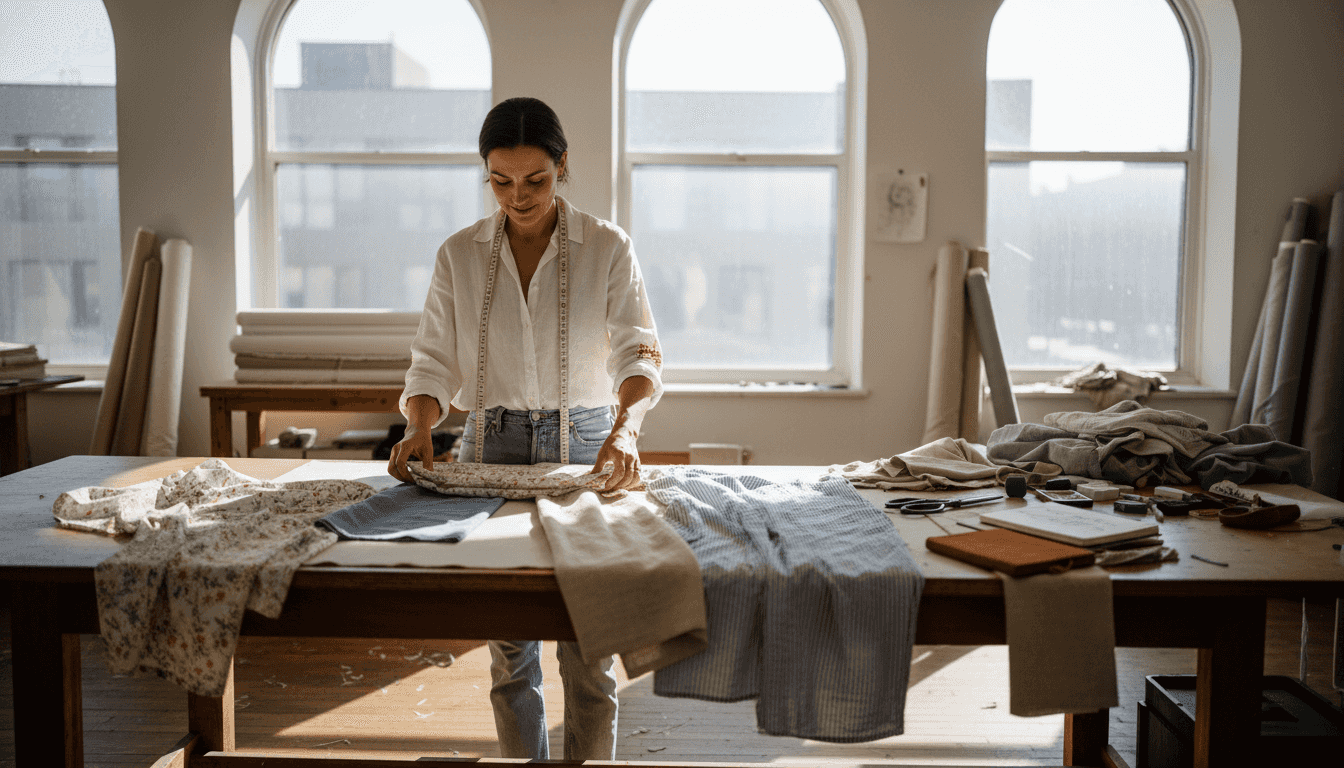
Picking the right fabrics for your summer collection can be tough when comfort and style are both on the line. The wrong material leaves your designs feeling heavy, sticky, or even unwearable during warm weather. If you want your pieces to stand out and truly satisfy your customers, you need to understand how breathability, moisture management, and fabric texture make a difference. This guide reveals the best materials, their unique features, and why they keep wearers cool, comfortable, and confident. Get ready to discover the clear advantages of each fabric so your summer collection delivers on performance and lasting appeal.
| Key Message | Explanation |
|---|---|
| 1. Breathable fabrics enhance comfort and hygiene | Choosing breathable materials improves moisture management, reducing odor and bacterial growth while providing all-day comfort for wearers. |
| 2. Cotton lawn offers elegance and durability | This lightweight fabric combines a refined appearance with strength, making it ideal for summer garments like dresses and blouses. |
| 3. Linen actively cools down the body | Its loose weave allows air circulation, minimizing heat buildup and providing comfort in hot weather, making it a smart design choice. |
| 4. Seersucker is a low-maintenance fabric | Its puckered texture prevents sticking and eliminates the need for ironing, offering style without the upkeep, perfect for summer wear. |
| 5. Chambray combines denim aesthetics with breathability | It provides a classic look while being lightweight and comfortable, making it suitable for various summer clothing options. |
Breathability might seem like a simple concept, but it’s what separates a comfortable summer collection from one your customers will toss aside. This property determines how effectively fabric absorbs moisture from skin and releases it back into the air.
Your design choices directly impact how your pieces perform in heat. When fabrics can’t breathe properly, moisture accumulates on skin, making wearers feel sticky and uncomfortable no matter the temperature outside.
Breathability refers to a fabric’s ability to allow air circulation and manage moisture simultaneously. It involves two critical processes working together:
Natural fibers excel at this. Wool can absorb up to 35% of its weight in moisture while releasing it effectively, which is why merino wool dominates performance wear markets despite being a natural fiber.
Why does this matter for your designs? Breathability directly affects comfort, hygiene, and how often customers need to wash garments. Breathable fabrics reduce odor buildup and bacterial growth, extending garment life between washes.
When selecting fabrics for summer collections, breathability determines customer satisfaction. Cotton offers softness but can retain sweat, while linen provides superior cooling by letting air circulate freely and drying quickly.
This distinction matters when positioning your designs. A cotton sundress feels luxurious against skin but may leave wearers feeling damp during outdoor events. A linen version maintains that soft aesthetic while offering genuine performance benefits.
Consider your target customer’s activities:
Breathable fabrics reduce the need for frequent washing, making your designs more sustainable and appealing to environmentally conscious customers.
You’re not just choosing fabric weight or drape. You’re making a functional promise to your customers that their summer garments will keep them comfortable when it matters most.
Pro tip: Test fabric breathability by holding a damp cloth against different samples in sunlight for 30 minutes, comparing how quickly each dries—this simple test reveals which fabrics will genuinely perform in your customer’s summer wardrobe.
Cotton lawn is the fabric that keeps showing up in successful summer collections for good reason. This lightweight, finely woven cotton delivers a crisp finish paired with a silky, smooth feel that customers love against their skin.
What makes cotton lawn special is its balance of delicate appearance and genuine durability. You get the sheer elegance of a fine fabric without sacrificing the strength needed for everyday wear.
Cotton lawn starts with fine combed cotton yarns woven tightly together to create that signature lightweight yet structured feel. The tight weave is what gives it crispness while maintaining breathability.
The fabric originates from heritage textile traditions in Laon, France, where craftspeople perfected the balance between fineness and functionality. This history matters because it shows cotton lawn’s proven track record in warm climates.
Cotton is the world’s most widely used natural fiber, valued for softness, breathability, and durability. Cotton lawn specifically leverages these qualities by using premium combed fibers that minimize surface irregularities.
Cotton lawn excels in applications where customers demand both comfort and refinement. The fabric drapes beautifully while maintaining structure, making it ideal for:
The crisp finish means your designs maintain their shape throughout the day. Unlike limp, droopy summer fabrics, cotton lawn holds form and structure while remaining breathable.
Cotton lawn offers the perfect intersection of aesthetic refinement and practical summer performance, making it an ideal choice for designers targeting quality-conscious customers.
Your customers will notice the difference immediately. Cotton lawn feels substantial without feeling heavy, luxurious without feeling fragile. It’s the fabric that makes people say “this is quality” when they first touch it.
Cotton lawn works beautifully with delicate prints, subtle textures, and minimalist designs. The fabric itself is elegant enough to let your design vision shine without competing for attention.
Washing and care are straightforward for your customers. Cotton lawn launders well and actually improves with washing as it softens over time, increasing customer loyalty.
Pro tip: Source cotton lawn from suppliers who use fine combed fibers and tight weaves; lower-quality lawn fabrics lose their crisp finish after washing, so fabric quality directly impacts how your finished designs perform in your customer’s wardrobe.
Linen is the fabric that transforms summer collections from comfortable to genuinely cool. Made from flax plant fibers, this natural textile has been keeping people comfortable in hot climates for thousands of years, and modern designers still reach for it first.
What sets linen apart is how it actively cools your customers’ skin rather than simply being lightweight. The fabric’s loose weave and fiber structure work together to create real performance benefits.
Linen’s loose weave enhances air flow, allowing heat to escape directly and moisture to evaporate quickly from the skin. This is different from fabrics that merely drape—linen actively moves air through its structure.
The fiber itself contributes to performance. Linen dries faster than cotton and excels at moisture-wicking, pulling sweat away from skin and releasing it into the air before it sits on the surface.
Texture matters too. Linen starts with a slightly crisp hand feel that many customers associate with quality and freshness. As it’s worn and washed, it softens naturally while maintaining its breathability.
Your customers notice linen immediately when they try it on. The cooling effect is tangible, especially compared to cotton or synthetic alternatives. Linen’s breathability and absorbency make it ideal for warm weather clothing where comfort drives purchasing decisions.
Linen excels in designs where you want visual texture and movement:
The fabric’s natural irregularities create visual interest that works beautifully in minimal designs. Those subtle texture variations tell customers they’re wearing something natural and authentic.
Linen’s ability to keep skin cool while maintaining structural integrity makes it an uncompromising choice for designers serious about summer performance.
Yes, linen wrinkles. That’s the trade-off, and your customers need to understand this upfront. Many view wrinkles as part of linen’s charm and relaxed aesthetic rather than a flaw.
Frame wrinkles as intentional design rather than a problem. Linen’s relaxed appearance actually aligns with contemporary casual style preferences.
Consider linen blends for garments where structure matters more. A linen-cotton blend maintains cooling benefits while reducing wrinkle tendency.
Pro tip: Position linen pieces as wardrobe investments that improve with time; customers who understand that linen softens, wrinkles less severely, and becomes more comfortable with age develop stronger loyalty and are willing to pay premium prices for quality linen designs.
Seersucker solves a problem that plagues many summer collections: the constant battle against wrinkles. This lightweight cotton fabric has a distinctive puckered texture that does double duty, keeping your customers cool while eliminating the need for ironing.
The puckering isn’t just aesthetic. It’s a functional design that transforms how the fabric performs in heat and humidity.
Seersucker gets its puckered texture through a specialized weaving process that creates alternating smooth and bunched threads. This puckering lifts the fabric away from the skin, enhancing air circulation directly where it matters most.
The raised texture prevents the fabric from clinging to your customer’s body, which is especially valuable in hot, humid climates. The puckered texture minimizes sticking to skin and aids ventilation during wear.
What makes seersucker remarkable is practicality paired with style. Seersucker requires little to no ironing, making it ideal for customers who want polished looks without high-maintenance care.
Seersucker transformed from workwear necessity to fashion statement. In the American South, seersucker became popular before widespread air conditioning due to its lightweight and breathable properties, and it’s now celebrated as a symbol of summer style.
Your customers get genuine benefits:
The fabric’s built-in texture adds sophistication without extra effort. A seersucker shirt looks intentionally designed and casually elegant simultaneously.
Seersucker’s wrinkle-resistant properties and inherent breathability make it an unbeatable choice for designers seeking low-maintenance summer pieces that look polished all day.
Seersucker works beautifully in structured pieces where you want movement with stability. Think tailored shorts, structured dresses, lightweight suiting, and casual blazers.
The puckered texture photographs well and photographs distinctly. Your customers appreciate seersucker’s unique appearance that stands out from basic cotton.
Consider color and pattern carefully. The texture can compete with bold prints, so stripes, checks, or solids work best to let the fabric’s character shine through.
Pro tip: Market seersucker pieces to busy professionals and active customers who prioritize ease of care; highlight that seersucker maintains its polished appearance without ironing, making it perfect for travel and warm weather situations where convenience matters as much as style.
Chambray gives you the aesthetic of denim without the weight that makes summer collections feel heavy and restrictive. This lightweight plain weave fabric delivers rugged style with genuine breathability, making it perfect for customers who want classic appeal without sacrificing comfort.
The magic lies in how chambray achieves its denim-like appearance through a simple but effective weaving technique.
Chambray is woven with colored warp yarns and white weft yarns, creating a soft, denim-like appearance. This combination produces a subtle texture and lighter weight compared to traditional denim.
Chambray features a denim-like look but is lighter and more breathable, making it ideal for warm weather clothing. The fabric breathes significantly better than denim while maintaining that structured, workwear aesthetic.
Originally made from linen but now typically cotton or blends, chambray offers versatility without compromise. You get the visual interest of colored fibers without the heaviness that restricts movement in heat.
Your customers recognize chambray instantly. It reads as quality and intentionality because the weave creates natural visual depth even in solid colors. The fabric looks more refined than basic cotton while feeling infinitely more comfortable than heavy denim.
Chambray excels in applications where structure matters:
Chambray is soft, comfortable, and versatile, used widely in casual summer apparel. Unlike heavy denim that requires extended break-in periods, chambray feels comfortable immediately.
Chambray delivers denim’s aesthetic appeal with summer’s breathability, offering customers the best of both design worlds without compromise.
Chambray works beautifully in both solid colors and patterns. The weave creates texture that prevents solids from looking flat, while stripes and checks add complexity without overwhelming the eye.
The fabric’s weight makes it ideal for tailored pieces. A chambray shirt maintains structure through the day, while a chambray dress moves gracefully without clinging in humidity.
Consider your customer’s lifestyle. Chambray appeals to professionals needing polished casual wear, active individuals requiring breathability, and style-conscious customers wanting distinctive fabrics.
Pro tip: Position chambray as the perfect transition fabric between seasons; it delivers denim’s visual credibility for customers who love workwear aesthetics while offering the genuine breathability and lightweight comfort that summer customers demand.
Voile is the fabric that transforms summer collections from practical to ethereal. This soft, sheer, lightweight plain weave creates garments with an airy elegance that feels almost weightless against the skin while maintaining surprising durability.
The magic of voile lies in how tightly twisted yarns create a fabric that’s simultaneously delicate and strong.
Voile is made from highly twisted yarns, typically cotton or cotton blends, woven in a plain weave. This twist gives voile a crisp and durable texture while maintaining breathability and drapability.
The tight yarn twist creates a fabric that’s semi-transparent without being fragile. Unlike thinner sheers that tear easily, voile maintains structural integrity through regular wear and washing.
Voile is known for its lightweight, smooth texture and airy drape, making it ideal for elegant summer garments. The combination of fine yarns and tight twist produces a fabric with exceptional visual and tactile qualities.
Your customers immediately recognize voile’s luxurious quality. The sheer transparency reads as intentional design rather than accidental thinness. The fabric drapes beautifully, creating graceful movement that heavier fabrics can’t achieve.
Voile excels in designs where ethereal elegance matters:
The fabric’s transparency opens design possibilities. Layer voile over coordinating colors or prints to create depth and visual interest. A voile overlay transforms a simple slip dress into something sophisticated.
Voile’s sheer quality offers soft, elegant appearance suited for warm climates and layering, making it perfect for designers seeking refined, romantic summer aesthetics.
Understanding voile fabric’s qualities helps you maximize its potential in your collections. Voile works beautifully in prints, solid colors, and even embroidered or textured finishes.
The fabric’s drape makes it forgiving to construct. Even simple silhouettes look refined when cut from voile. Avoid overly structured patterns that fight the fabric’s natural flow.
Care is straightforward. Voile washes well and actually improves with laundering as the fabric softens while maintaining its structure. Your customers appreciate garments that feel better over time.
Pro tip: Use voile strategically as overlays, sleeves, and panels to add sophistication without overwhelming your designs; the sheer quality works best when contrasted with opaque fabrics or used to create layering depth that adds visual interest.
Below is a table summarizing the properties, advantages, and considerations of various fabrics discussed in the article, analyzing their suitability for summer clothing collections.
| Fabric | Characteristics | Advantages for Design | Considerations |
|---|---|---|---|
| Cotton Lawn | Lightweight, finely woven cotton with crisp texture. | Offers a smooth, silky feel, retains structure in summer dresses and blouses. | Requires quality weaving techniques to maintain its fine finish post-washing. |
| Linen | Made from flax fibers, featuring a loose weave for enhanced airflow and rapid drying. | Excellent moisture-wicking, allows skin cooling, naturally improves with age through softening. | Prone to wrinkling; customers should view wrinkles as part of linen’s aesthetic. |
| Seersucker | Unique puckered texture from its weaving method enhances air circulation. | Wrinkle-free, maintains structure without ironing, suitable for hot, humid environments. | Works best with minimalist patterns to emphasize its texture adequately. |
| Chambray | Plain weave of colored warp and white weft yarns producing a lightweight, denim-like appearance. | Breathable and lightweight with denim’s classic look, softens with wear. | Works best for tailored or casual summer pieces due to its structured nature. |
| Voile | Sheer, airy fabric made from highly twisted cotton or blends, providing graceful drape. | Adds ethereal elegance to designs, suitable for layered look garments or overlay features. | Semi-transparent; requires layering or underlays in applications requiring full opacity. |
This table provides a seamless overview of essential fabric characteristics and their implications for summer design considerations.
Choosing the right fabric for summer apparel is more than a design decision it is a commitment to your customers comfort and style. This article explores the challenges designers face like breathability wrinkle management and durability while highlighting standout options such as cotton lawn linen seersucker chambray and voile. Each fabric delivers unique benefits addressing customer needs for moisture management cooling effects and effortless care.
Bring these insights to life by sourcing from Bulk Pricing - Fashion Fabrics - Page 1 - fabric fabric where quality meets affordability for your summer projects. Whether you need breathable cotton lawn for elegant dresses or wrinkle-resistant seersucker for polished all-day wear our vast selection empowers your vision. For sheer elegance and airy drape explore our Home Decor - Sheer Fabric - Page 1 - fabric fabric category to create light layering pieces that captivate.
Don’t wait for the heat to peak upgrade your summer line now with premium lightweight fabrics from fabric-fabric.com. Experience ease in shopping plentiful detailed descriptions and dedicated support all aimed at helping you craft apparel your customers will cherish throughout sunny seasons. Start building your best summer collection today and embrace fabrics that perform as beautifully as they look.
Breathable fabrics allow air circulation and efficiently manage moisture. To ensure your summer designs provide comfort, prioritize materials like linen and cotton that enhance airflow and wick away sweat.
You can test fabric breathability by holding a damp cloth against various samples in sunlight for about 30 minutes. Compare how quickly each fabric dries to determine which options will best perform in warm weather.
Cotton lawn is lightweight yet durable, offering a smooth, crisp texture. To create summer clothing that feels luxurious while remaining functional, consider using cotton lawn for dresses and blouses that require both structure and comfort.
Seersucker fabric features a unique puckered texture that enhances air circulation and requires minimal ironing. Incorporate seersucker into your summer line to provide customers with stylish, low-maintenance clothing options that stay cool in hot weather.
Linen actively cools the skin with its loose weave and superior moisture-wicking capabilities, while cotton may retain some moisture. Choose linen for garments that need to offer breathability and comfort in high temperatures, especially for active or casual styles.
Chambray works well for items like lightweight shirts and summer dresses due to its breathable and structured qualities. Use chambray to create polished, casual wear that maintains style without sacrificing comfort in warmer climates.