

 US Dollar

Complete Guide to Why Use Linen Fabrics
Posted by BLG on 2025 Nov 4th
Posted by BLG on 2025 Nov 4th

Did you know that linen has been used for over 10,000 years, making it one of humanity’s oldest textiles? This time-honored fabric travels from humble flax stems to luxurious cloth, carrying a legacy of skill and precision. As people embrace both sustainable living and timeless style, linen’s breathability and strength set it apart from other fabrics. Discover what makes linen so valued, how it’s made, and why it remains a cherished choice for everything from summer clothing to elegant table linens.
| Point | Details |
|---|---|
| Linen Production | Linen is derived from the flax plant and involves a multi-step process, making it labor-intensive and contributing to its higher cost. |
| Types of Linen | Various linen fabric types cater to different applications, including lightweight, absorbent, and decorative uses, enhancing creative possibilities for designers. |
| Unique Properties | Linen offers superior temperature regulation, moisture management, and durability, making it an excellent choice for eco-conscious consumers. |
| Care and Longevity | Proper care extends linen’s lifespan, and its durability makes it a worthwhile investment despite higher initial costs. |
Linen is a remarkable natural textile with ancient roots and an intricate production process. Derived from the fibers of the flax plant’s stem, linen represents one of humanity’s oldest fabric materials. According to ecolife, the fabric emerges through a fascinating multi-step journey from plant to finished textile.
The production of linen begins with careful flax plant cultivation. Farmers grow flax in cool, humid environments where the plants can develop strong, flexible fibers. Once harvested, the transformation process involves several critical stages:
As explained by athm, these processes require significant skill and precision. After fiber extraction, skilled artisans spin the fibers into yarn, which is then carefully woven into the breathable, durable fabric we recognize as linen. The result is a textile prized for its strength, natural luster, and exceptional temperature-regulating properties.
Linen’s production is more labor-intensive compared to other natural fabrics, which contributes to its higher cost and premium status. Each step demands meticulous attention, from plant selection to final weaving. The fabric’s unique characteristics emerge from this intricate process: lightweight, moisture-wicking, and remarkably resilient against wear and tear. Professional textile workers transform raw flax into a fabric that has clothed humans for thousands of years, connecting modern crafters to an ancient textile tradition.
Linen fabrics are incredibly versatile, with multiple variations designed for specific uses and aesthetic preferences. According to linenbeauty, these fabric types range from delicate and lightweight to dense and structured, each offering unique characteristics for different applications.
The most common linen fabric variations include:
Interestingly, some specialized linen types have historical significance. en notes that cambric, originally a fine linen cloth, was traditionally used for delicate items like handkerchiefs and shirts. Over time, cambric production expanded to include cotton variations, demonstrating the fabric’s adaptability.
Understanding these different linen types allows crafters and designers to select the perfect fabric for their specific project. Whether you need a lightweight summer dress, absorbent kitchen towels, or elegant table settings, there’s a linen fabric uniquely suited to your requirements. The nuanced differences in weave, density, and texture provide endless possibilities for creative expression.
Here’s a summary of primary linen fabric types and their main uses:
| Linen Type | Key Features | Typical Uses |
|---|---|---|
| Loose Woven Linen | Lightweight Highly absorbent |
Bath towels Summer clothing |
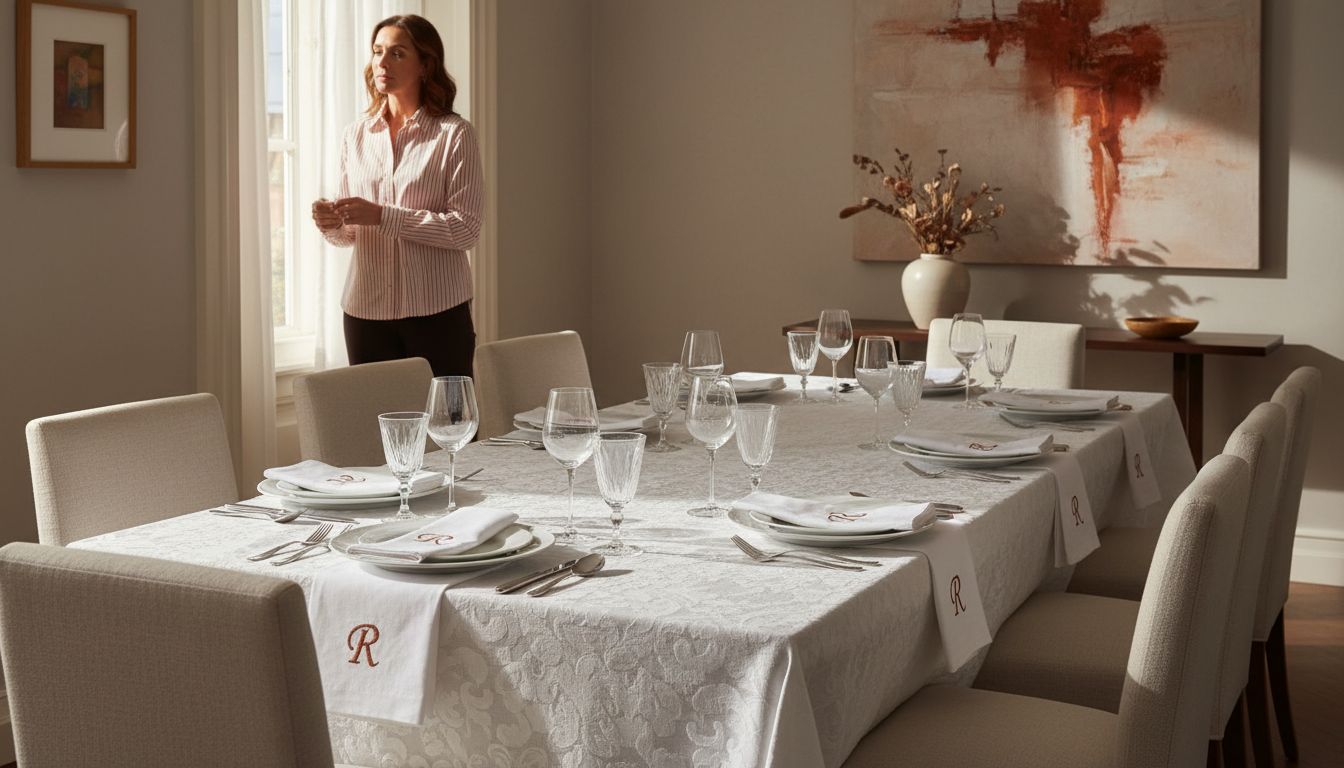
| Damask Linen | Luxurious Reversible finish |
Table linens Decorative textiles |
| Huckaback Linen | Textured Very absorbent |
Towels Cleaning materials |
| Plain Woven Linen | Smooth Soft surface |
Tea towels Everyday textiles |
| Cambric | Fine weave Delicate texture |
Handkerchiefs Shirts |
Linen stands out among natural fabrics for its extraordinary combination of performance and environmental advantages. According to ecolife, this remarkable textile offers a range of benefits that make it a superior choice for conscious consumers and discerning crafters.
Linen’s unique properties make it a standout fabric across multiple applications:
en confirms that linen textiles have been valued for centuries, with their remarkable durability making them a preferred material for clothing and home textiles. The fabric becomes softer and more comfortable with each wash, developing a beautiful patina over time.
From an environmental perspective, linen is a sustainable superstar. The flax plant requires significantly less water and fewer pesticides compared to other textile crops, making it an eco-friendly choice. Its biodegradable nature means that linen products can return to the earth without leaving harmful residues, appealing to environmentally conscious crafters and designers who want to minimize their ecological footprint.
Whether you’re creating summer clothing, home decor, or professional textiles, linen offers an unparalleled combination of performance, comfort, and sustainability. Its natural elegance and practical benefits make it a fabric that truly stands the test of time.
Linen transcends typical fabric boundaries, finding its way into an impressive array of applications across multiple domains. en highlights the fabric’s versatility, showcasing its remarkable ability to serve both functional and aesthetic purposes in apparel, home decor, and creative projects.
In the world of apparel, linen shines as a premier fabric choice for various clothing items:
Home textiles represent another significant realm where linen truly excels. According to en, the fabric has historical roots in household items, with a rich tradition dating back to the Middle Ages. Contemporary applications include:
Crafters and DIY enthusiasts appreciate linen for its versatility and natural aesthetic. The fabric’s strength and texture make it ideal for projects ranging from quilting and embroidery to bag making and home decor crafts. Its ability to absorb dyes and maintain crisp lines makes it a favorite among creative professionals seeking a material that combines durability with elegant simplicity.
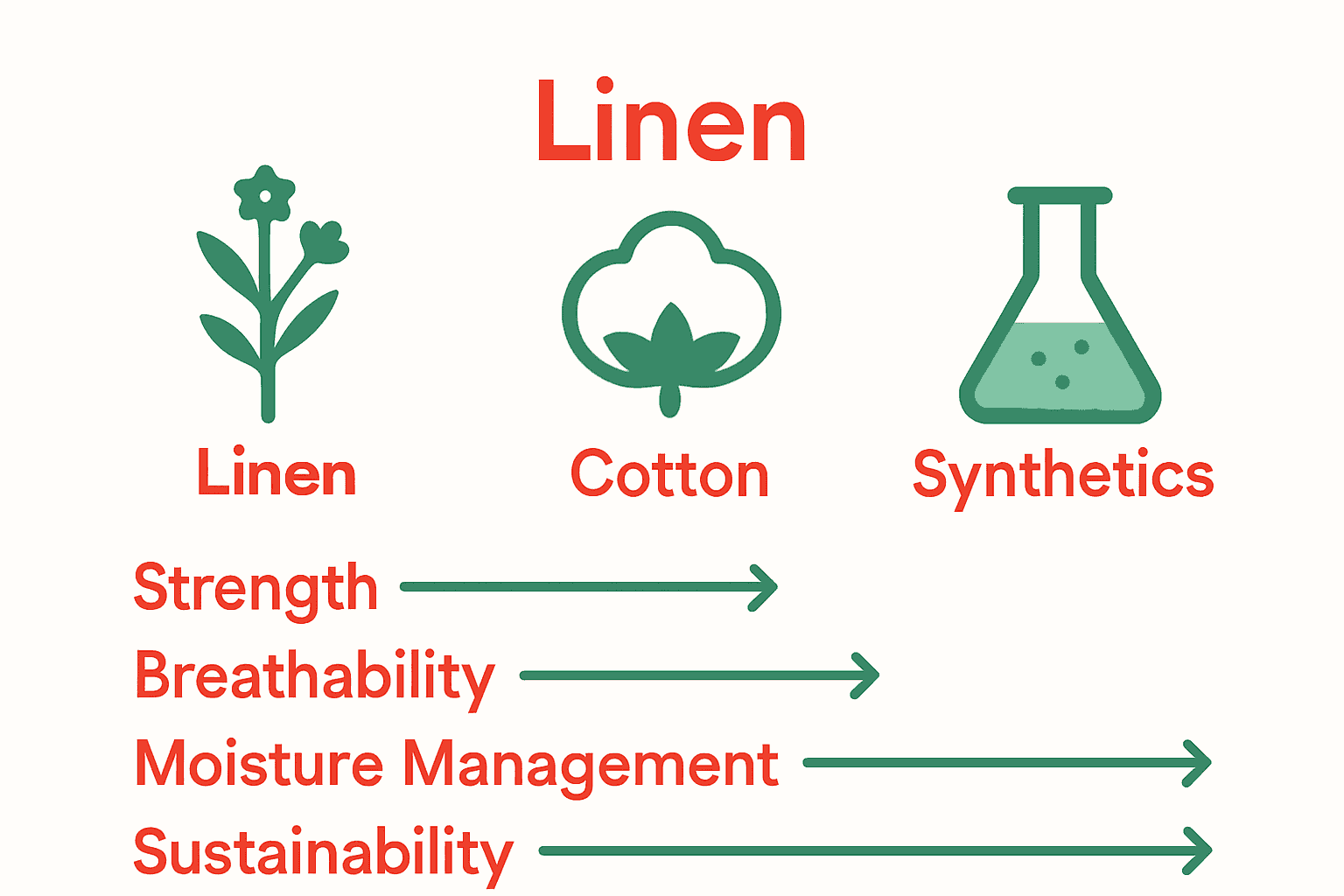
Textile comparisons reveal linen’s unique position in the fabric world, offering distinct advantages and some trade-offs compared to other popular materials. According to en, the fabric presents a compelling alternative to cotton and synthetic textiles with its remarkable performance characteristics.
Key differences between linen and other fabrics emerge across several critical dimensions:
When examining global textile production, ecolife highlights a striking contrast: approximately 400,000 tonnes of linen fiber are produced worldwide, compared to 24.4 million tonnes of cotton. This substantial difference underscores linen’s niche yet significant role in sustainable textile manufacturing.
While linen offers numerous advantages, it’s not without limitations. en notes that the fabric wrinkles more easily and exhibits less elasticity than cotton, which can make it more challenging to work with in certain applications. However, for crafters and designers seeking a natural, breathable, and environmentally conscious textile, these minor drawbacks are often outweighed by linen’s exceptional qualities and timeless aesthetic appeal.
Linen maintenance requires thoughtful care to preserve the fabric’s exceptional qualities and extend its remarkable lifespan. athm provides expert guidance on keeping this delicate yet durable textile in pristine condition, highlighting the nuanced approach needed for optimal fabric care.
Proper linen care involves several critical considerations:
According to linenbeauty, the fabric actually improves with each wash, becoming softer and more comfortable over time. This unique characteristic makes linen an investment piece that rewards careful maintenance.
While linen might initially seem more expensive than other fabrics, its durability and longevity offer exceptional long-term value. Crafters and designers appreciate that a well-maintained linen piece can last decades, gradually developing a beautiful, soft patina that synthetic materials cannot replicate. The slightly higher upfront cost translates to years of use, making linen a smart choice for those seeking quality and sustainability in their textile selections.
If you have been searching for a natural fabric that combines durability, comfort, and eco-friendly benefits, linen is the answer you have been looking for. The intricate production process, impressive moisture management, and timeless elegance of linen create unmatched value that can elevate your apparel, home decor, or craft projects. Whether you want lightweight summer clothing or absorbent kitchen towels, choosing the right type of linen fabric is key to achieving lasting quality and beauty.
Explore an extensive selection of premium fabrics at Fabric-Fabric, where you can find detailed descriptions and easy shopping options tailored for hobbyists and professionals alike. Don’t miss out on seasonal sales and promotions that make investing in sustainable textiles like linen more affordable. Start your creative journey today to enjoy fabrics that improve with every wash and deliver comfort without compromise. Visit Fabric-Fabric now and experience the extraordinary benefits of linen firsthand.
Linen fabric is made from the fibers of the flax plant’s stem, making it one of humanity’s oldest textiles. The production process involves stages including retting, scutching, and heckling to extract and refine the fibers.
Linen fabrics offer exceptional temperature regulation, moisture management, durability, and hypoallergenic properties. They are breathable, absorbent, and become softer with each wash.
Linen is stronger and more durable than cotton, dries faster, and is more moisture-wicking. Additionally, linen maintains better breathability compared to synthetic fabrics, making it a superior choice for warm weather.
Common types of linen fabrics include loose woven linen (ideal for summer clothing), damask linen (for luxurious table linens), huckaback linen (great for towels), and plain woven linen (commonly used for everyday textiles). Each type has unique features suitable for specific applications.