

 US Dollar

What is modal fabric? Properties, uses, and sewing tips
Posted by BLG on 2026 Mar 28th
Posted by BLG on 2026 Mar 28th

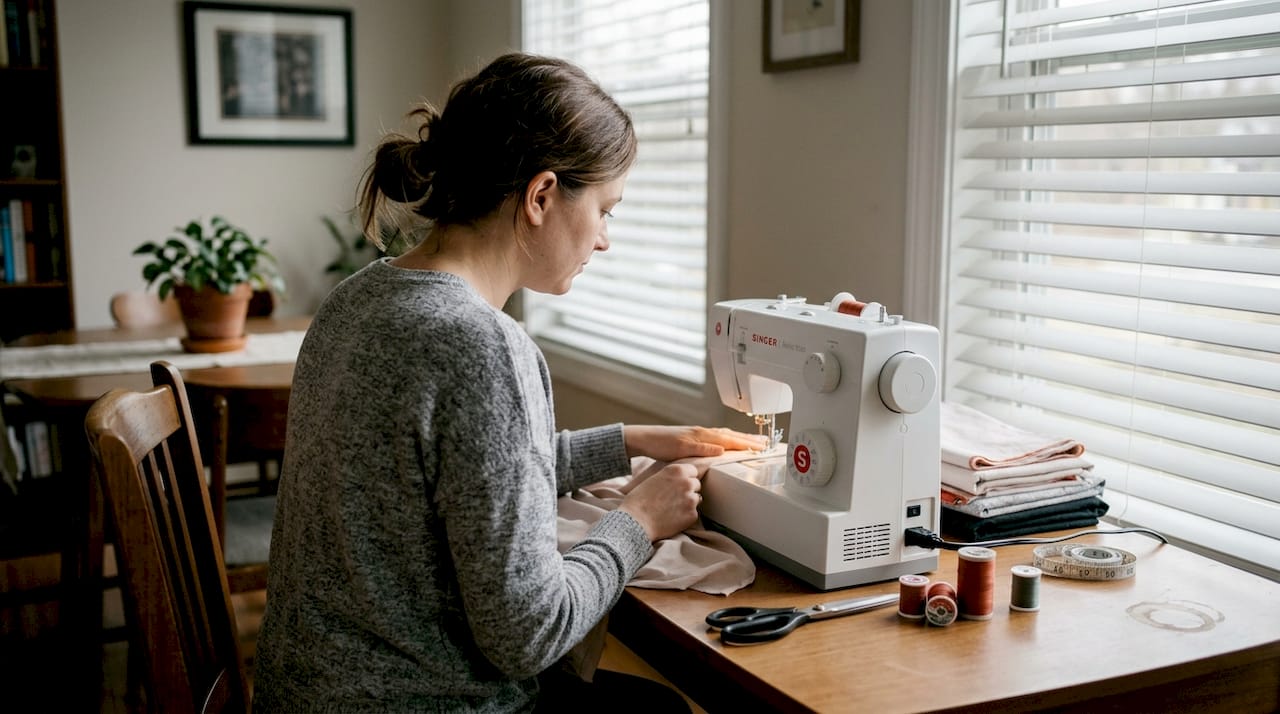
You pick up a soft, silky knit at the fabric store, assume it’s cotton, and bring it home. Then it behaves completely differently on your machine. Sound familiar? Modal fabric is one of the most misunderstood fibers in the sewing world, yet it shows up in high-end loungewear, activewear, and luxury bedding all the time. Once you understand what modal actually is and how it works, you’ll know exactly when to reach for it and how to handle it like a pro.
| Point | Details |
|---|---|
| Modal is semi-synthetic | It’s made from beech tree pulp for a soft, breathable, and eco-friendly fabric option. |
| Superior performance | Modal absorbs 50% more moisture than cotton and resists shrinking, wrinkling, and color fading. |
| Ideal for sewing projects | It’s perfect for soft garments, activewear, and blends—just use proper sewing techniques to avoid stretching or slipping. |
| Eco-friendly options | Choose certified modal for lower water use and responsible sourcing. |
Modal is not cotton, and it’s not quite rayon either. It sits in its own category: a semi-synthetic fiber made from beech tree pulp, classified as high wet modulus rayon. That last part matters because it means modal holds its strength even when wet, which standard rayon does not.
Modal was first developed in Japan in the 1950s, but it became widely known after Lenzing AG, an Austrian fiber company, refined and popularized it in the 1990s. Today, Lenzing’s TENCEL Modal is one of the most recognized branded versions on the market.
Here’s how modal goes from forest to fabric:
What sets top producers apart is their use of closed-loop systems. Leading manufacturers like Lenzing recycle 99% of water and solvents used in production, making modal one of the more responsible fiber choices available. If sustainability matters to your craft practice, check out our guide on fabric certification matters and our fabric blends guide for more context on how fibers are categorized.
| Property | Modal | Standard Rayon |
|---|---|---|
| Wet strength | High | Low |
| Shrinkage | 3-5% | Up to 10% |
| Sustainability | Closed-loop options | Varies |
| Softness | Very high | High |
Modal’s feel is the first thing most crafters notice. It’s softer and silkier than cotton, with a subtle sheen that makes it look elevated without being flashy. But the real story is in the performance numbers.
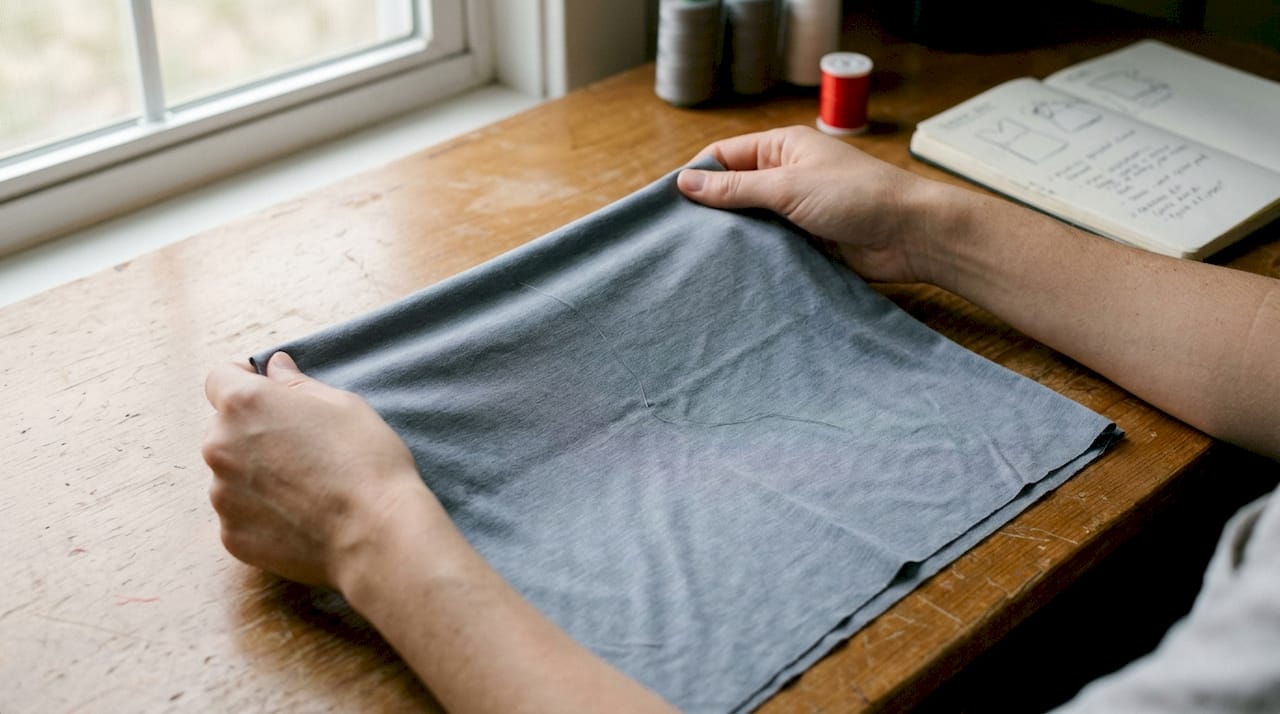
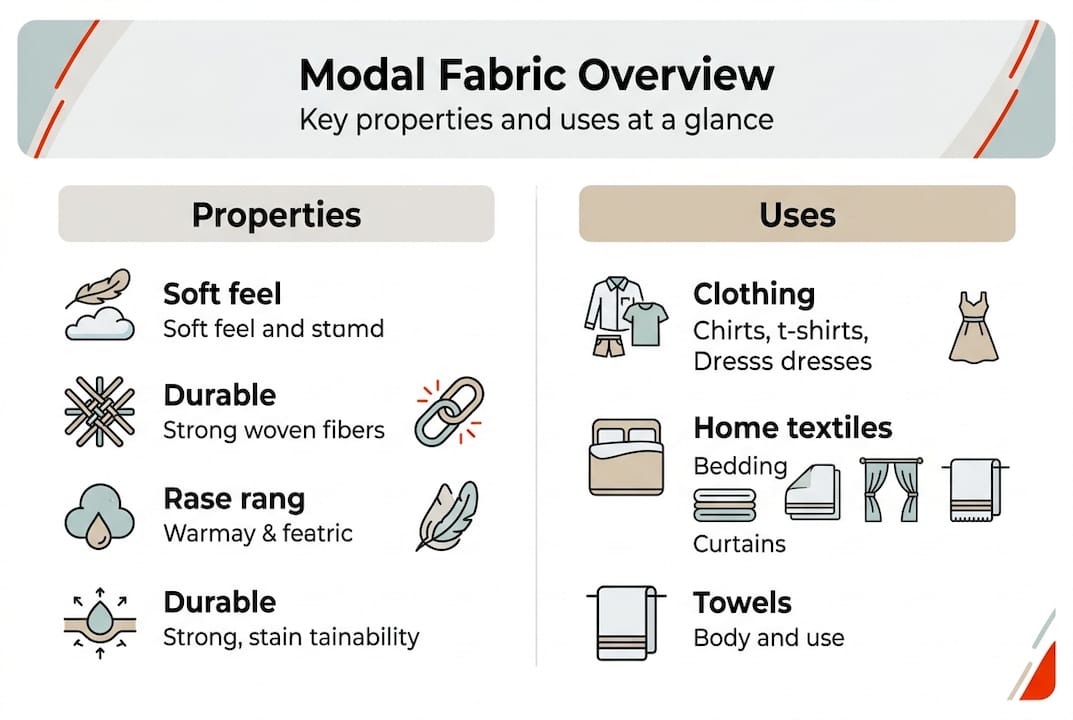
Modal is 50% more absorbent than cotton and is highly breathable, durable, and resists shrinking. That absorbency makes it a smart pick for activewear, pajamas, and anything worn close to the skin in warm weather.
Modal also retains color and shape, shrinking only 3-5% even with hot washing. Compare that to cotton, which can shrink 5-10%, and you’ll see why modal is popular for garments that need to hold their fit over time.
Here’s a quick breakdown of modal’s key properties:
Pro Tip: If you’re sewing for someone with sensitive skin or allergies, modal is one of the safest knit options you can choose. Its smooth fiber structure reduces friction against the skin, which is why it’s used so widely in underwear and baby clothing.
For a deeper look at how modal holds up over time compared to other knits, our article on performance fabric durability is worth a read.
Choosing the right fiber for a project means knowing what each one does well and where it falls short. Modal is superior to viscose/rayon in durability and moisture absorption, softer than cotton, more breathable than polyester, and similar to Tencel but slightly less eco-friendly in some production methods.
| Fabric | Softness | Breathability | Wet strength | Eco-friendliness | Price |
|---|---|---|---|---|---|
| Modal | Very high | High | High | Good (certified) | Moderate |
| Cotton | High | High | Moderate | Varies | Low-Moderate |
| Rayon/Viscose | High | Moderate | Low | Varies | Low |
| Polyester | Low | Low | High | Poor | Low |
| Tencel | Very high | High | High | Excellent | Moderate-High |
Here’s how each comparison plays out in practice:
For project planning, our types of apparel fabric guide and modal blends guide can help you match the right fiber to your specific sewing goals.
Modal’s drape and softness make it incredibly versatile. Common uses include underwear, loungewear, activewear, dresses, bedding, and blends for stretch and durability. For home sewers, that translates into a wide range of project possibilities.
Here are some of the best projects to try with modal:
Modal comes in several forms worth knowing about. Standard modal is the most common. Micromodal uses finer fibers for an even silkier hand. Tencel Modal blends the two brands’ technologies. Modal fleece is a heavier option for cozy winter projects.
Pro Tip: When buying modal, check the GSM (grams per square meter). For lightweight tops and dresses, aim for 130-180 GSM. For loungewear and pajamas, 180-220 GSM gives you more body and warmth without feeling heavy.
If you’re sourcing fabric in larger quantities, our article on wholesale fabric options covers what to look for when buying modal by the yard or bolt.
Modal is slippery and stretchy, which means it needs a little extra attention at the machine. The good news is that once you know the tricks, it’s genuinely enjoyable to sew. Modal requires a ballpoint or stretch needle, fine pins, a walking foot, and French seams to get clean, professional results.
Follow these steps for the best outcome:
Pro Tip: If your modal keeps sliding off the cutting table, try laying it on a cutting mat with a light mist of water. The slight dampness adds just enough grip to keep it in place while you cut.
For tips on buying the right amount of fabric before you start, our bulk fabric ordering guide walks you through calculating yardage for different project types.
Modal is a strong performer, but it’s not perfect for every situation. Here’s an honest look at both sides.
Pros:
Cons:
On the sustainability side, modal made with closed-loop systems can recycle up to 99% of water and solvents, making it far cleaner than many conventional textile processes. Certified modal uses 10-20x less water than cotton in production, which is a significant environmental advantage.
When shopping, look for these certifications to confirm you’re getting a responsibly made product:
Our guides on fabric sustainability certification and the role of fabric finishes can help you decode labels and make smarter purchasing decisions.
Now that you know what modal can do, the next step is getting your hands on it. At fabric-fabric.com, we carry a wide selection of specialty fabrics suited for the kinds of projects modal excels at, from soft knits and draping fabrics to blends designed for activewear and loungewear.
Whether you’re planning your first modal t-shirt or sourcing fabric for a larger craft run, our store makes it easy to find what you need. Browse our modal and backdrop fabrics section to explore current options, compare fabric weights, and find the right match for your next project. We’re here to support crafters at every skill level with quality textiles and clear product information.
Modal is a semi-synthetic fiber made from regenerated cellulose derived from beech tree pulp. It starts with a natural source but requires chemical processing to become a usable fiber.
Modal shrinks only 3-5% with hot washing, compared to cotton’s 5-10%. Pre-washing before you cut and sew will minimize any shrinkage in your finished garment.
Yes, particularly when sourced from certified producers. Closed-loop systems recycle up to 99% of water and solvents used in production, making certified modal significantly more eco-friendly than many conventional fabrics.
Use a ballpoint or stretch needle along with a walking foot, fine pins, and tissue paper stabilizers to prevent stretching, puckering, or skipped stitches when sewing modal.