

 Canadian Dollars

Apparel fabric types: Your complete selection guide
Posted by BLG on 2026 Mar 20th
Posted by BLG on 2026 Mar 20th

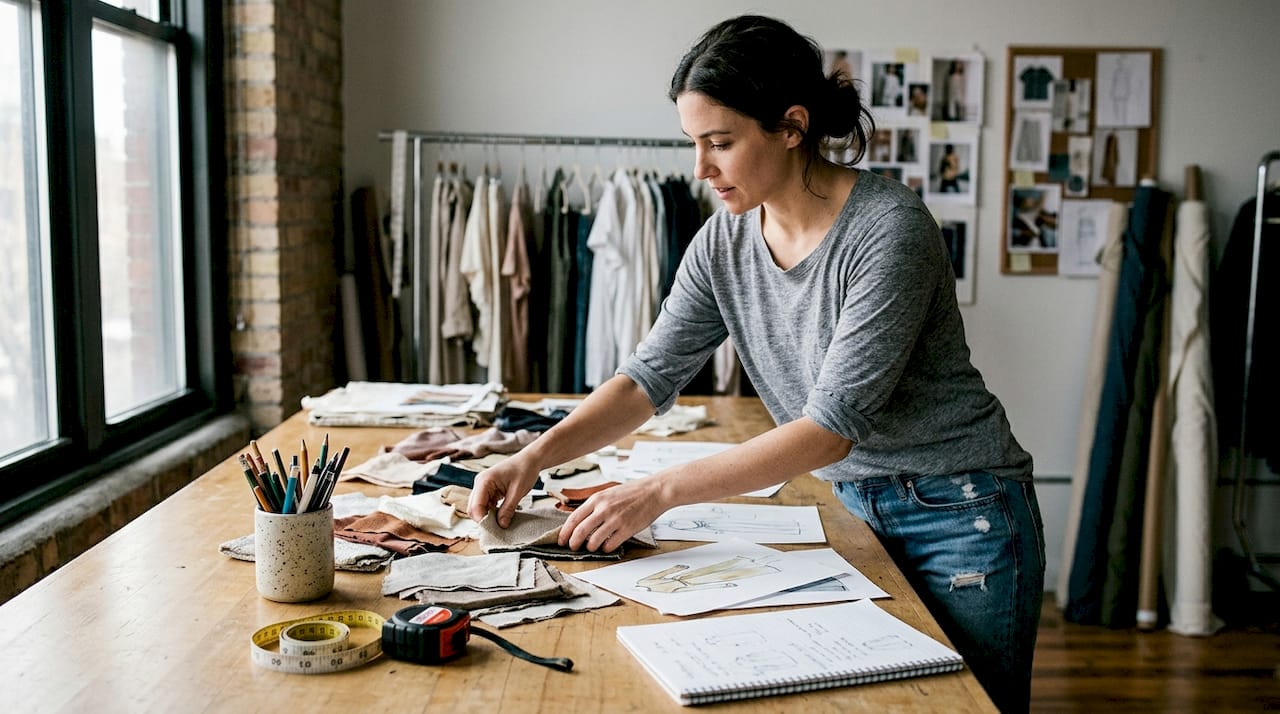
Choosing the right fabric can make or break your apparel project. With dozens of fabric types available, each offering different properties for comfort, durability, and performance, the selection process often feels overwhelming. Whether you’re designing casual wear, activewear, or structured garments, understanding fabric characteristics helps you match materials to your creative vision. This guide breaks down essential apparel fabric types, comparing natural, synthetic, and blended options so you can confidently select materials that deliver the results your projects deserve.
| Point | Details |
|---|---|
| Fabric selection criteria | Begin with a simple checklist of must have properties such as stretch durability and care to guide fabric choices. |
| Construction affects fit | Fabric construction directly influences how a garment moves and holds its shape so choose knits for stretch and wovens for structure. |
| Natural vs synthetic | Natural fibers offer breathability and comfort while synthetics excel at moisture management and durability. |
| Use a project checklist | Use a project specific checklist to prevent mismatches and save time shopping. |
Successful fabric selection starts with understanding five critical factors that determine how your finished garment will perform. Fiber content forms the foundation, whether natural plant fibers, animal fibers, or synthetic polymers. Each fiber type brings distinct characteristics that influence everything from drape to care requirements.
Fabric construction dramatically affects functionality. Knits stretch and recover, making them ideal for fitted t-shirts, leggings, and casual wear that moves with your body. Woven fabrics maintain their shape, providing the structure needed for blazers, dress shirts, and tailored pants. Understanding this fundamental difference helps you match construction to garment style immediately.
Durability matters for longevity and value. Testing standards like Martindale cycles measure fabric endurance, with ratings ranging from 100 cycles for delicate materials to over 500 for heavy-duty synthetics. Consider how often the garment will be worn and washed when evaluating durability needs.
Comfort factors include breathability, moisture management, softness against skin, and temperature regulation. Natural fibers typically excel at breathability, while synthetics often provide superior moisture wicking for active pursuits. Weight and hand feel also influence comfort, with lighter fabrics suited for summer garments and heavier weights for winter wear.
Intended use ties everything together. Activewear demands stretch and moisture management. Formal wear requires crisp structure and elegant drape. Everyday casual pieces benefit from easy care and durability. Matching these functional requirements to fabric properties ensures your projects succeed.
Pro Tip: Create a simple checklist for each project listing must-have properties like stretch, durability rating, and care requirements before shopping for fabric. This focused approach saves time and prevents costly mismatches.
Natural fabrics deliver unmatched comfort and breathability, making them perennial favorites for apparel projects. Cotton stands out as hypoallergenic and highly breathable, perfect for everyday t-shirts, underwear, and summer dresses. Its absorbency keeps you comfortable in warm weather, though it wrinkles easily and can shrink without proper care. Cotton’s versatility spans from lightweight voile to heavyweight denim, offering options for nearly every garment type.
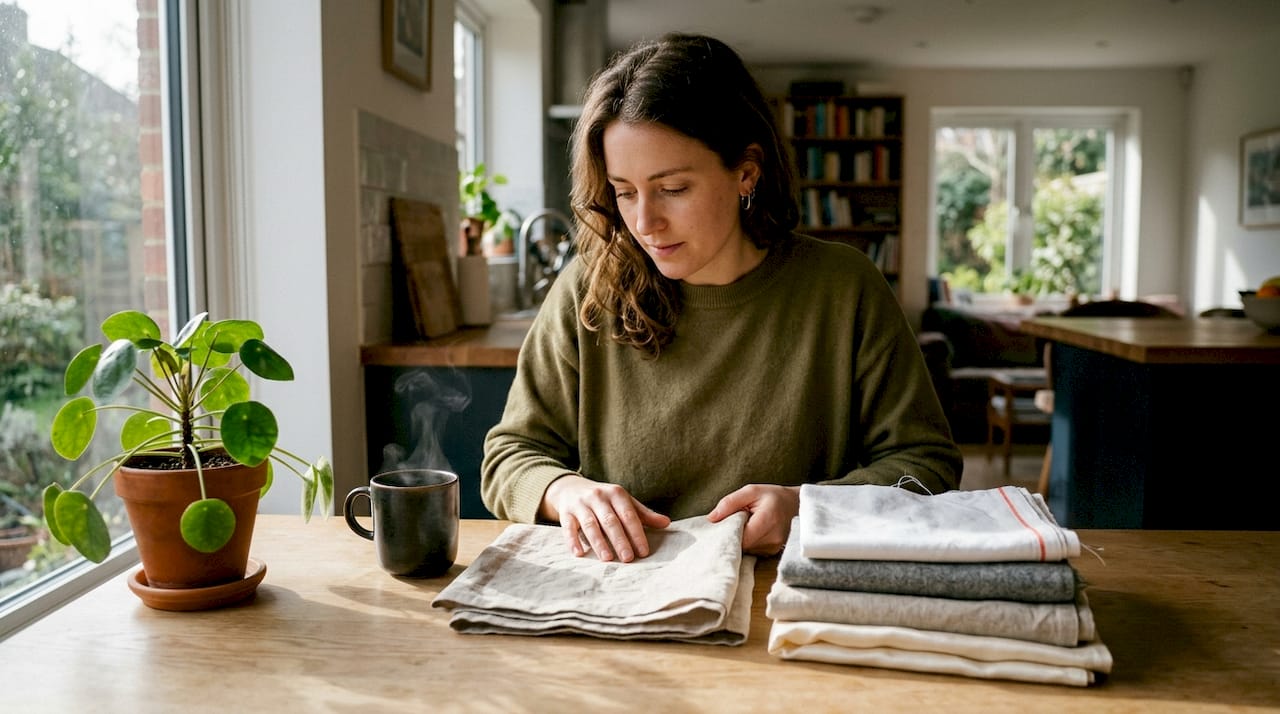
Wool provides exceptional warmth and natural moisture resistance, regulating body temperature across seasons. Merino wool feels soft against skin, while worsted wool creates smooth, professional suiting fabrics. Wool naturally resists odors and wrinkles less than cotton, but requires gentle washing to prevent felting and shrinkage. Its elasticity helps garments maintain shape over time.
Linen brings lightweight luxury with superior breathability that makes it ideal for hot climates. This flax-derived fabric grows softer with each wash and offers natural antimicrobial properties. However, linen wrinkles readily, which some consider part of its relaxed aesthetic. Its crisp hand and beautiful drape work beautifully for summer blazers, pants, and flowing dresses.
Silk delivers unparalleled softness and natural sheen for elegant apparel. Its protein fibers regulate temperature surprisingly well, keeping you cool in summer and warm in winter. Silk drapes beautifully for blouses, dresses, and linings, though it requires delicate handling and dry cleaning for longevity. Charmeuse, crepe de chine, and chiffon offer different weights and textures for varied design applications.
Hemp fabric gains popularity for its sustainability and durability. Stronger than cotton, hemp softens with washing while maintaining excellent breathability. It resists mold and UV damage naturally, making it practical for outdoor wear and everyday garments. Hemp blends well with other fibers to balance its initially crisp texture.
Natural fabrics excel in breathability and absorbency but generally wrinkle and shrink more than synthetic alternatives. Understanding these tradeoffs helps you choose wisely based on garment purpose and your willingness to invest in careful maintenance. For projects where comfort and breathability rank highest, natural fibers deliver unmatched performance.
Synthetic fabrics revolutionize apparel performance with engineered properties that natural fibers can’t match. Polyester withstands over 400 wash cycles while maintaining color and shape, making it the workhorse of modern wardrobes. It resists wrinkles, dries quickly, and holds dyes brilliantly for vibrant colors that last. Polyester’s versatility allows manufacturers to create everything from silky charmeuse to brushed fleece, each optimized for specific applications.
Nylon delivers exceptional strength and abrasion resistance, originally developed for parachutes and stockings. Its smooth texture and slight sheen work well for activewear, swimwear, and outerwear that faces tough conditions. Nylon dries faster than polyester and offers excellent elasticity, helping garments retain their shape through repeated wear and washing. Its durability makes it cost effective for high-use items.
Spandex, also called elastane or Lycra, provides high stretch for fitted garments that need to move with your body. Typically blended at 2-10% with other fibers, spandex adds recovery properties that prevent sagging and bagging. This makes it essential for yoga pants, swimwear, and any apparel requiring four-way stretch. Pure spandex appears rarely, as blending optimizes both stretch and other desired properties.
Acrylic mimics wool’s warmth and softness at lower cost and easier care. It resists moths, mildew, and chemicals while maintaining vibrant colors. Acrylic works well for sweaters, blankets, and cold-weather accessories, though it pills more readily than natural wool. Its hypoallergenic properties benefit those sensitive to animal fibers.
Rayon occupies a middle ground, derived from cellulose but manufactured through chemical processing. It drapes beautifully like silk, breathes reasonably well, and costs less than natural alternatives. Modal and viscose represent rayon variations with enhanced properties. However, rayon wrinkles easily and loses strength when wet, requiring careful handling during construction and care.
Synthetics demonstrate superior durability and wrinkle resistance but typically offer lower breathability than natural fibers. They can retain odors more readily and may feel less comfortable in hot weather. For activewear, outdoor gear, and garments requiring minimal maintenance, synthetics provide unmatched practical performance.
Pro Tip: Blend small amounts of natural fibers with synthetics to improve breathability while maintaining durability. A 60/40 polyester-cotton blend often delivers the best balance for everyday wear.
Blended fabrics unite natural and synthetic fibers to optimize performance across multiple dimensions. Cotton-polyester blends remain the most popular combination, typically mixed at ratios from 50/50 to 65/35. These blends balance durability with comfort, reducing wrinkles while maintaining breathability better than pure polyester. The cotton component provides softness and moisture absorption, while polyester adds strength and shape retention.
Wool-nylon blends enhance durability for suiting and outerwear without sacrificing wool’s natural benefits. Adding just 10-20% nylon dramatically increases abrasion resistance and longevity. Wool-polyester blends similarly improve wrinkle resistance and reduce cost while preserving much of wool’s temperature regulation and drape.
Rayon-spandex combinations create flowing fabrics with just enough stretch for comfortable fit. Jersey knits in this blend drape beautifully for dresses and tops while offering ease of movement. Linen-rayon blends reduce wrinkling while maintaining linen’s breathable, textured aesthetic.
Fabric construction method profoundly impacts how blends perform. Woven fabrics interlace yarns at right angles, creating stable materials with minimal stretch. Plain weave, twill, and satin represent the three basic weave structures, each offering different surface textures and drape characteristics. Woven fabrics suit structured garments like button-up shirts, pants, and jackets where shape retention matters.
Knitted fabrics loop yarns together, inherently building in stretch and recovery. Single knits offer moderate stretch in one direction, while double knits and interlock constructions provide more stability with stretch. Rib knits create distinct vertical texture with excellent stretch across the ribs. Knits work perfectly for t-shirts, leggings, and any garment requiring body-hugging comfort.
Understanding construction helps you predict garment behavior. A cotton-spandex knit jersey stretches and recovers for comfortable everyday wear. The same fiber blend in a woven construction creates stretch denim that maintains structure while allowing movement. Matching construction to garment style ensures your finished pieces perform as intended.
Comparing fabric types side by side reveals how properties align with specific project needs. This analysis helps you make informed decisions based on your priorities for durability, comfort, care requirements, and intended use.
| Fabric Type | Durability (Wash Cycles) | Comfort Level | Care Needs | Best Apparel Uses |
|---|---|---|---|---|
| Cotton | 100-150 | High breathability, soft | Machine wash, wrinkles | T-shirts, underwear, casual wear |
| Wool | 200-300 | Warm, moisture resistant | Gentle wash, air dry | Sweaters, suits, coats |
| Linen | 150-200 | Very breathable, crisp | Machine wash, wrinkles heavily | Summer dresses, shirts, pants |
| Silk | 100-150 | Luxurious, temperature regulating | Dry clean or hand wash | Blouses, dresses, linings |
| Polyester | 400-500+ | Durable, less breathable | Machine wash, quick dry | Activewear, outerwear, workwear |
| Nylon | 500+ | Strong, smooth | Machine wash, quick dry | Swimwear, activewear, outerwear |
| Cotton-Poly Blend | 300-400 | Balanced comfort and durability | Easy care, minimal wrinkles | Everyday shirts, uniforms |
| Rayon | 100-150 | Soft drape, moderate breathability | Gentle wash, weak when wet | Dresses, blouses, linings |
Durability benchmarks vary significantly, with synthetics exceeding 500 wash cycles while natural fibers typically range from 100-200 cycles. This difference matters enormously for garments facing frequent washing or heavy use. A polyester work shirt outlasts cotton versions by 3-4 times, justifying higher initial costs through extended lifespan.
Prioritizing comfort over durability makes sense for garments worn against skin in warm conditions. Natural fibers excel here, with cotton and linen providing superior breathability and moisture absorption. However, modern synthetic blends increasingly bridge this gap through engineered moisture-wicking properties and improved hand feel.
Climate considerations influence fabric selection significantly. Hot, humid environments favor lightweight natural fibers or moisture-wicking synthetic blends. Cold climates benefit from wool’s insulating properties or synthetic fleece for active pursuits. Layering strategies often combine fabric types, using breathable base layers with weather-resistant outer shells.
Garment style dictates construction needs. Structured blazers and dress shirts require stable woven fabrics that hold crisp lines. Casual t-shirts and leggings demand knit construction for stretch and comfort. Activewear benefits from four-way stretch knits with moisture management, while formal wear prioritizes elegant drape and refined appearance.
Care requirements affect long-term satisfaction with any fabric choice. Busy lifestyles favor easy-care synthetics and blends that machine wash and tumble dry without special handling. Those willing to invest time in garment care can enjoy natural fibers’ superior comfort and aesthetic qualities. Comparing cotton fabric types reveals how even within one fiber category, construction and finishing create vastly different performance profiles.
Pro Tip: Test fabric samples by washing them according to your typical routine before committing to large yardage purchases. This reveals real-world performance including shrinkage, color fastness, and texture changes that affect finished garment quality.
Now that you understand fabric types and selection criteria, finding quality materials becomes your next step. Whether you’re crafting casual wear, designing performance apparel, or creating structured garments, access to diverse fabric options accelerates your creative process.
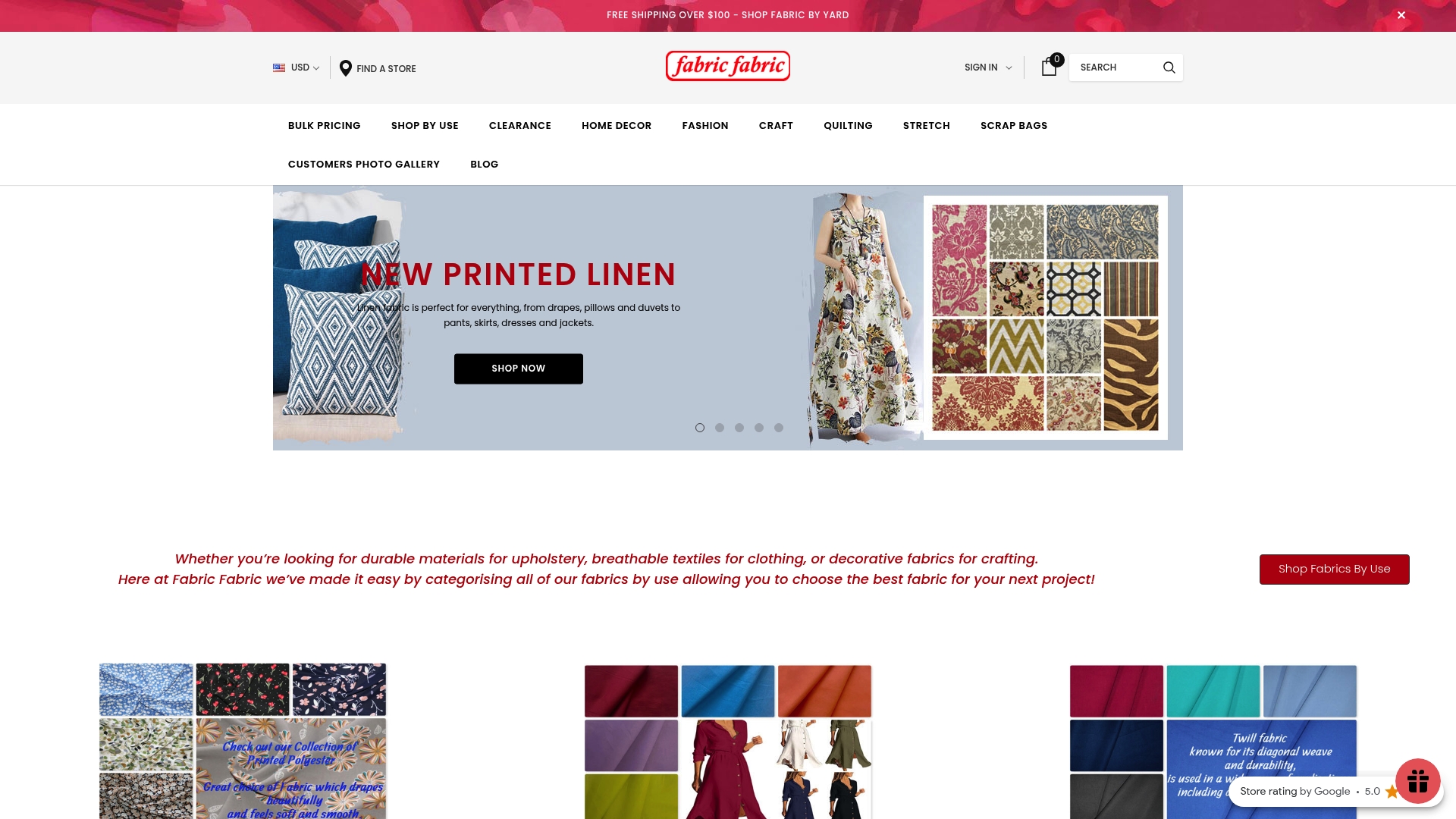
Browsing curated fabric collections helps you discover materials perfectly suited to your project requirements. From breathable natural fibers to durable synthetic blends, quality fabric retailers organize selections by intended use, making it simple to find exactly what your design demands. Expert guidance on fabric properties, care requirements, and suitability ensures you select materials that deliver the performance your projects deserve.
Explore specialized collections like backdrop fabrics for inspiration on how different materials create visual impact, or browse home decor fabric selections to discover heavier-weight options that translate beautifully into structured apparel pieces. Quality fabric sourcing transforms your creative vision into finished garments you’ll love wearing and sharing.
Polyester and nylon rank as the most durable choices for everyday garments, with polyester withstanding over 500 wash cycles while maintaining color and shape. Nylon offers even greater abrasion resistance, making both excellent for high-use items like work uniforms and activewear. Durability also depends on fabric construction and finishing treatments, so tightly woven or quality knit versions of these synthetics perform best.
Knit fabrics offer stretch and softness ideal for casual wear like t-shirts, leggings, and comfortable everyday pieces that move with your body. Woven fabrics provide stability and structure suited for tailored apparel such as button-up shirts, dress pants, and blazers where shape retention matters. Consider whether your garment needs to stretch and recover or maintain crisp lines, then match construction to function accordingly.
Blended fabrics optimize performance by combining synthetic durability with natural comfort, balancing wrinkle resistance, easy care, and wearability. They excel for everyday garments requiring minimal maintenance while remaining comfortable. Pure natural fabrics deliver superior breathability and luxurious feel but typically wrinkle and shrink more, requiring more careful handling. Choose based on whether you prioritize easy care and longevity or maximum breathability and natural fiber benefits.
Polyester-spandex blends dominate activewear for good reason, combining moisture-wicking properties with four-way stretch and quick drying. These synthetic blends maintain shape through repeated washing and intense activity while managing perspiration effectively. Nylon-spandex combinations offer similar benefits with slightly smoother hand feel. For less intense activities, cotton-spandex blends provide natural breathability with enough stretch for comfortable movement.
Fabric weight, measured in ounces per square yard or grams per square meter, dramatically influences drape, structure, and seasonal appropriateness. Lightweight fabrics under 4 oz suit summer garments, flowing dresses, and linings, while medium weights from 4-8 oz work for most everyday apparel. Heavy fabrics over 8 oz provide structure for coats, upholstery, and cold-weather garments. Matching weight to garment style ensures proper drape and function, preventing lightweight fabrics from appearing too flimsy or heavy materials from overwhelming delicate designs.