

 Canadian Dollars

Ultimate Bulk Fabric Ordering Guide for Creative Projects
Posted by BLG on 2025 Oct 9th
Posted by BLG on 2025 Oct 9th

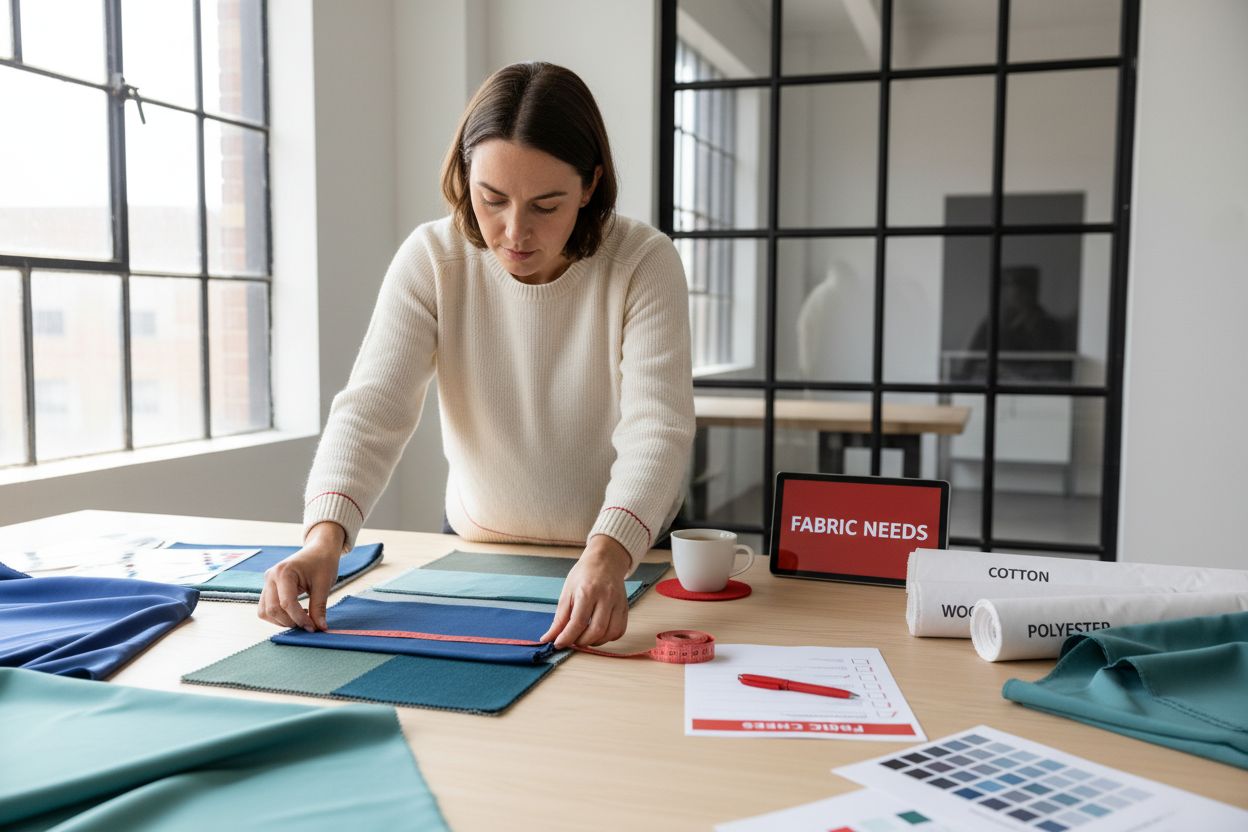
Ordering fabric in bulk sounds simple and cost effective. You pick a material, check the price, and think you are ready to buy. But almost no one realizes just how fast mistakes can turn profitable projects into stressful disasters. One wrong measurement or fabric mismatch and you could waste up to 15 percent extra budget just on unplanned fixes and replacements.
| Key Point | Explanation |
|---|---|
| 1. Define your fabric needs precisely | Assess the intended use of the fabric to ensure it meets specific project requirements for performance and aesthetics. |
| 2. Research suppliers thoroughly | Use industry platforms and read customer reviews to ensure suppliers are reputable and meet professional standards. |
| 3. Compare pricing intelligently | Analyze not just base prices but also shipping and minimum order quantities to get the best value. |
| 4. Verify order accuracy upon delivery | Inspect fabric immediately against order specifications to catch discrepancies early and avoid project delays. |
| 5. Conduct fabric performance testing | Test fabric against specific project criteria, including strength and wash performance, to ensure suitability for your needs. |
Successful bulk fabric ordering starts with crystal clear project planning and precise specification understanding. Before clicking purchase buttons or negotiating with suppliers, you need a comprehensive assessment of your exact fabric requirements.
Begin by thoroughly examining your specific project parameters. What is the intended use of the fabric? Will you be creating fashion apparel, home decor, quilting projects, or industrial applications? Each purpose demands unique fabric characteristics. A lightweight cotton suitable for summer dresses will perform differently than heavy upholstery material needed for commercial seating.
Key Specification Considerations
Material composition represents your first critical decision point. Natural fibers like cotton, wool, and silk offer different properties compared to synthetic materials such as polyester or nylon. Consider factors like durability, stretch, texture, and maintenance requirements. For instance, cotton breathes beautifully but wrinkles easily, while polyester maintains shape and resists wrinkling.
Weight and thickness matter significantly in bulk fabric selection. Fabric weight typically measures in grams per square meter (GSM) or ounces per square yard. Lighter fabrics around 100 GSM work perfectly for summer clothing, while heavier 300 GSM fabrics provide excellent durability for upholstery and outdoor applications.
Color and pattern selections should align precisely with your project vision. When ordering in bulk, request color swatches or sample yards to verify exact shade and print consistency. Digital representations can vary dramatically from actual fabric appearance, so physical inspection remains crucial.
Measurement accuracy prevents costly mistakes. Calculate your total required fabric meterage by adding 10% extra for potential cutting errors, pattern matching, or future repairs. Professional designers often recommend 15% additional fabric to accommodate unexpected needs.
Consider potential fabric treatments or special requirements. Some projects demand flame retardant materials, water resistant surfaces, or specific weave structures. Communicate these specialized needs clearly with your fabric supplier to ensure perfect product matching.
By meticulously documenting your fabric specifications before ordering, you transform potential guesswork into strategic purchasing.
The table below summarizes different key fabric specification considerations, comparing their importance and impact on creative bulk projects.
| Specification | Importance | Impact on Project |
|---|---|---|
| Material Composition | High | Affects durability, texture, and maintenance |
| Weight & Thickness | High | Influences usability for specific applications |
| Color & Pattern | Medium | Determines alignment with design vision |
| Measurement Accuracy | High | Prevents budget overages and reordering |
| Special Treatments | Variable | Ensures compliance with safety or performance needs |
| Sample Verification | High | Reduces risk of color or quality mismatch |
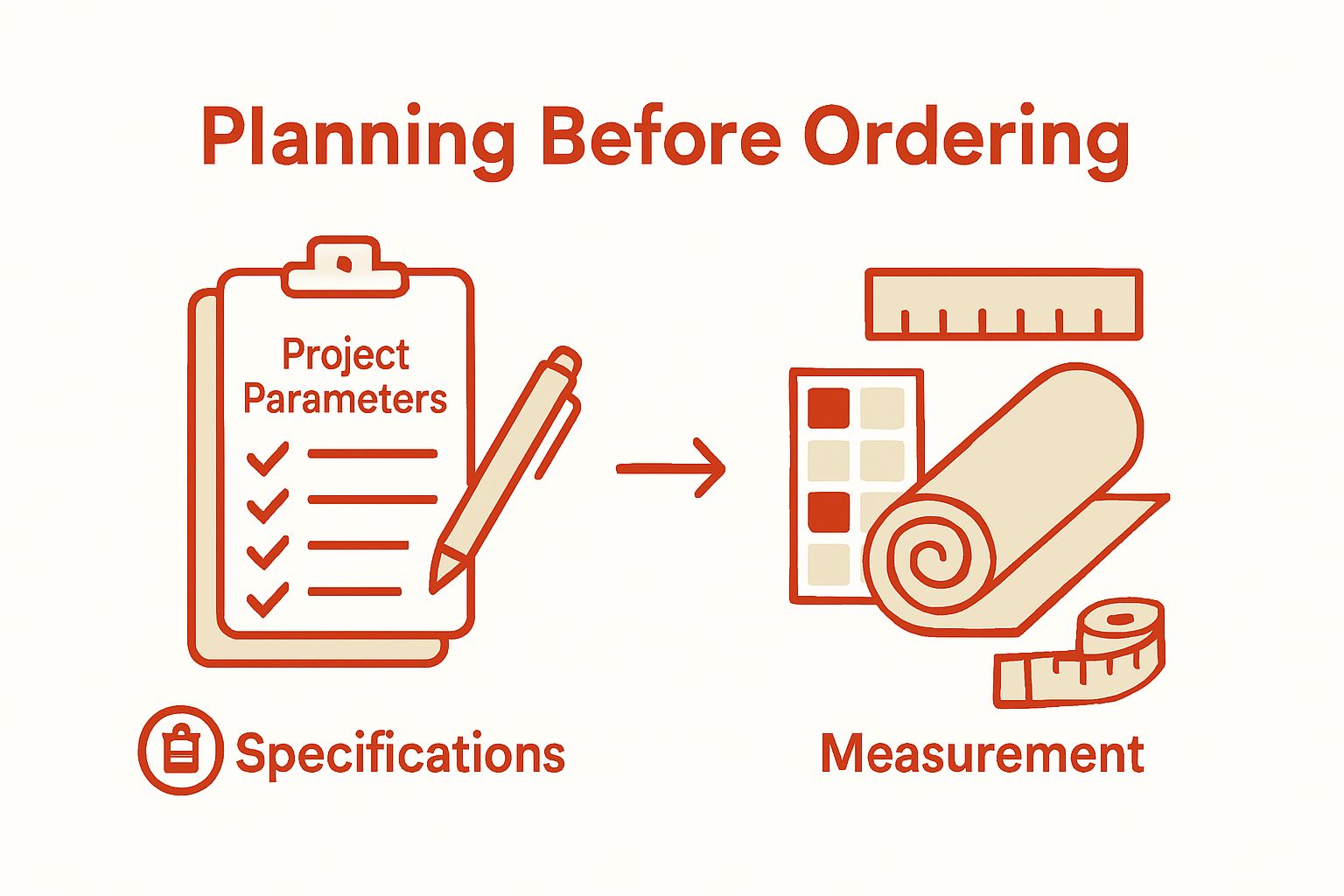 Your detailed preparation guarantees that bulk fabric arrives exactly matching your creative vision.
Transitioning from identifying your fabric needs to finding the right supplier requires strategic online research and careful evaluation. The digital landscape offers numerous options, but not all suppliers meet professional standards for bulk fabric ordering.
Start your research by leveraging specialized industry platforms and marketplace directories. Seek suppliers with comprehensive online portfolios demonstrating their fabric range, production capabilities, and quality standards. Reputation and transparency are your most critical screening criteria.
Professional websites should provide clear information about fabric composition, minimum order quantities, pricing structures, and shipping policies. Look for suppliers offering detailed product descriptions, high resolution fabric images, and transparent communication channels. A robust online presence signals professionalism and reliability.
Examine customer reviews and testimonials strategically. Professional platforms often feature verified buyer experiences that reveal supplier consistency, product quality, and customer service performance. Pay special attention to reviews from customers with similar project requirements to your own.
According to Made in America Movement, checking supplier accreditations can dramatically improve your selection process. Seek certifications like OEKO-TEX or Global Organic Textile Standard (GOTS), which validate fabric manufacturing ethics and quality benchmarks.
Utilize multiple research methods. Professional forums, industry-specific social media groups, and craft community recommendations provide invaluable insights. Engage with these communities, ask specific questions about supplier experiences, and collect first hand recommendations.
Create a comparative spreadsheet tracking potential suppliers. Document critical information like:
Remember that cheapest is not always best. Balance cost considerations with quality, reliability, and supplier reputation. Invest time in thorough research to avoid potential disappointments during bulk fabric ordering.
Successful supplier research transforms your project from concept to reality. Your meticulous approach ensures you partner with professionals who understand and support your creative vision.
Pricing comparison represents a critical phase in bulk fabric ordering, where strategic evaluation meets financial prudence. This step transforms your research into concrete purchasing decisions by methodically analyzing cost structures and fabric quality across multiple suppliers.
Price Comparison Strategies
Begin by creating a detailed spreadsheet comparing pricing from different suppliers. Don’t simply look at the base price per yard or meter. Consider comprehensive cost factors including bulk discounts, shipping expenses, minimum order quantities, and potential volume-based price reductions. Some suppliers offer significant price breaks at specific order thresholds, which could dramatically reduce your overall project expenses.
Request formal quotes from each potential supplier, ensuring they include all associated costs. Professional suppliers typically provide comprehensive pricing documentation detailing exact expenses. Communicate your specific project requirements clearly to receive the most accurate pricing information.
Sample procurement serves as your quality assurance mechanism.
Most reputable fabric suppliers offer sample yards or swatches, allowing you to physically inspect material before committing to large orders. Fabric samples reveal crucial details digital images cannot communicate: texture, exact color, weight, and true fabric behavior.
According to Textile Learning, professional sample requests should include specific evaluation criteria. Request samples that demonstrate fabric performance under conditions matching your project needs. For instance, if creating outdoor furniture covers, request samples demonstrating water resistance and UV durability.
Establish a systematic sample evaluation process. Create a scoring rubric examining key attributes:
Budget approximately 5% to 10% of your total fabric budget for sample procurement. While this might seem counterintuitive, sample investments prevent potentially expensive mistakes in bulk ordering. Professional designers and manufacturers consider sample costs an essential quality control investment.
Remember that lowest price does not guarantee best value. Balance cost considerations with material quality, supplier reliability, and precise project requirements. Your meticulous comparison process ensures you select fabric that meets both budgetary constraints and creative vision.
Confident bulk fabric ordering requires strategic preparation and meticulous attention to detail. This final purchasing step transforms your careful research into tangible creative potential, bridging planning and execution.
Order Preparation Essentials
Before submitting your order, perform a comprehensive final review of all specifications. Double check fabric measurements, color selections, and quantity requirements. Professional creators understand that precision prevents costly mistakes. Calculate your total yardage by adding a 10% buffer for potential cutting errors, pattern matching, or unexpected project needs.
Carefully review the supplier’s order confirmation document. Verify every detail including fabric type, color code, total meterage, pricing structure, and estimated delivery timeline. Documented specifications protect your investment and provide clear recourse if discrepancies emerge.
Payment methods and transaction security demand careful consideration. Select suppliers offering secure payment platforms with clear transaction protections. Credit cards often provide additional purchase safeguards compared to direct bank transfers. Request formal invoices and maintain digital copies of all transaction documentation.
According to International Trade Administration, professional buyers should establish clear communication channels with suppliers. Confirm expected delivery dates, potential customs requirements for international orders, and specific packaging preferences.
Establish explicit expectations regarding order modifications or potential returns. Professional suppliers typically outline specific policies covering:
Prepare your workspace for fabric arrival. Clean storage areas, ensure appropriate climate control, and plan immediate inventory management. Proper fabric storage prevents potential damage and maintains material quality.
Once your order is confirmed, request a detailed tracking number and estimated delivery window. Professional suppliers provide transparent shipping information allowing you to plan project timelines effectively.
Remember that successful bulk fabric ordering combines thorough preparation, clear communication, and strategic decision making. Your meticulous approach transforms potential challenges into smooth, confident purchasing experiences that set the foundation for creative excellence.
The final stage of bulk fabric ordering demands meticulous inspection and systematic verification. Your careful attention during delivery confirmation protects your investment and ensures project success.

Comprehensive Delivery Verification Process
Upon fabric delivery, create a dedicated inspection area with adequate lighting, clean surface space, and measuring tools. Unpack materials systematically, maintaining packaging for potential future reference. Professional creators understand that immediate verification prevents long term complications.
Begin by comparing the physical delivery against your original order documentation. Check each fabric roll or package against the original invoice, verifying quantity, color codes, and specific fabric specifications. Unexpected variations can derail entire creative projects, making thorough examination critical.
Measure fabric lengths precisely using a professional measuring tape. Do not rely solely on supplier measurements. Independently confirm total yardage, checking for potential discrepancies. Small variations can significantly impact project planning and material allocation.
According to the National Institute of Standards and Technology, professional receiving protocols involve comprehensive shipment documentation. Photograph each fabric roll, capturing labels, measurements, and potential manufacturing details. These visual records provide crucial evidence if discrepancies emerge later.
Establish a systematic evaluation checklist addressing key fabric characteristics:
Immediately document and photograph any discovered issues. Contact the supplier promptly with detailed information, including specific roll numbers, photographic evidence, and precise measurements. Professional suppliers typically have established return or replacement protocols for identified problems.
Store fabric properly after verification. Select cool, dry storage areas away from direct sunlight. Roll fabrics loosely to prevent permanent creasing, using acid free tissue paper between delicate materials. Proper storage maintains fabric quality and extends usable lifespan.
Below is a checklist table summarizing key verification steps to follow when your bulk fabric order arrives, ensuring accuracy and quality control.
| Verification Step | Purpose | What to Look For |
|---|---|---|
| Match delivery to invoice | Confirm order accuracy | Check quantity, color codes, and fabric type |
| Measure fabric length | Ensure correct yardage | Use measuring tape to verify total length |
| Inspect color consistency | Prevent mismatched materials | Compare color across all fabric rolls |
| Check weave and texture | Identify flaws early | Look for uniformity and defects |
| Photograph rolls and labels | Keep records for claims | Capture images for referencing issues |
| Examine packaging | Protect against damage | Ensure proper storage and shipment condition |
| Document and report problems | Facilitate exchanges | Notify supplier promptly if issues arise |
Remember that thorough delivery verification transforms potential disappointments into proactive quality control. Your meticulous approach ensures that each fabric purchase becomes a reliable foundation for creative excellence.
Quality testing transforms bulk fabric from raw material to project ready resource. This critical evaluation stage ensures your fabric meets precise performance requirements, preventing potential future disappointments or project failures.
Comprehensive Fabric Performance Evaluation
Design a systematic testing protocol tailored to your specific project requirements. Different applications demand unique fabric performance characteristics. A fabric suitable for outdoor furniture covers requires dramatically different testing compared to delicate fashion garment materials.
Begin with fundamental physical testing. Assess fabric strength by performing gentle tension tests, checking how materials respond to stretching and potential stress. Examine fabric weave integrity, looking for consistent thread density and potential weak points. Professional creators understand that material resilience determines long term project success.
Color and wash performance represent another crucial evaluation dimension. Conduct controlled washing tests simulating expected usage conditions. Use water temperatures matching your intended cleaning protocols, observing color retention, potential shrinkage, and fabric structural changes. Repeated testing prevents unexpected material degradation.
According to the American Association of Textile Chemists and Colorists, professional fabric quality assessment involves multiple performance metrics. Examine colorfastness, dimensional stability, and resistance to environmental factors specific to your project requirements.
Establish a comprehensive testing checklist addressing critical fabric characteristics:
Document all testing results meticulously. Create a detailed report recording specific performance observations, including photographic evidence of any changes or potential issues. These records provide valuable insights for current and future projects, serving as a reference for material selection.
Consider destructive and non destructive testing approaches. Small sample sacrificial testing can reveal critical material limitations that visual inspection might miss. Professional creators view testing as an investment in project quality, not an additional expense.
Remember that thorough fabric quality testing transforms potential risks into calculated creative opportunities. Your methodical approach ensures materials perfectly align with your project vision and performance expectations.
Worried about ending up with the wrong fabric for your next big project? Precise planning and in-depth research are vital, but that process can be exhausting and leave you uncertain about quality, color consistency, or matching your creative vision. The need for accurate specs, easy sample access, and transparent product details was a key challenge addressed in our Ultimate Bulk Fabric Ordering Guide. You deserve a source that eliminates doubt and helps you focus on creating, not on second-guessing your order.
Find everything you need to bring your project to life at Fabric-Fabric.com. Get instant access to clear fabric descriptions, real-time stock updates, and straightforward pricing. Discover fabrics for apparel, home decor, quilting, and crafts, each with guidance and usage tips, with our homepage as your shopping starting point. Ready to feel confident about your fabric choice? Visit us today and experience a better way to shop for bulk textiles—don’t wait until supplies run low or deals pass you by. Your creative project deserves the best from the start.
When selecting bulk fabric, consider the intended use, material composition, weight and thickness, color and pattern needs, measurement accuracy, and any special treatments required for your project.
To ensure quality, request fabric samples from suppliers to test texture, color accuracy, and durability. Establish a systematic evaluation process and document all testing results for future reference.
Checking supplier accreditations, such as OEKO-TEX or GOTS, helps ensure that the fabric is produced ethically and meets specific quality standards, thereby safeguarding your investment.
Create a detailed spreadsheet that includes base prices, shipping costs, minimum order quantities, and any available bulk discounts to compare values effectively. Request formal quotes from each supplier for clarity.