

 Canadian Dollars

7 Essential Dress Fabric Types Every Designer Should Know
Posted by BLG on 2026 Jan 19th
Posted by BLG on 2026 Jan 19th

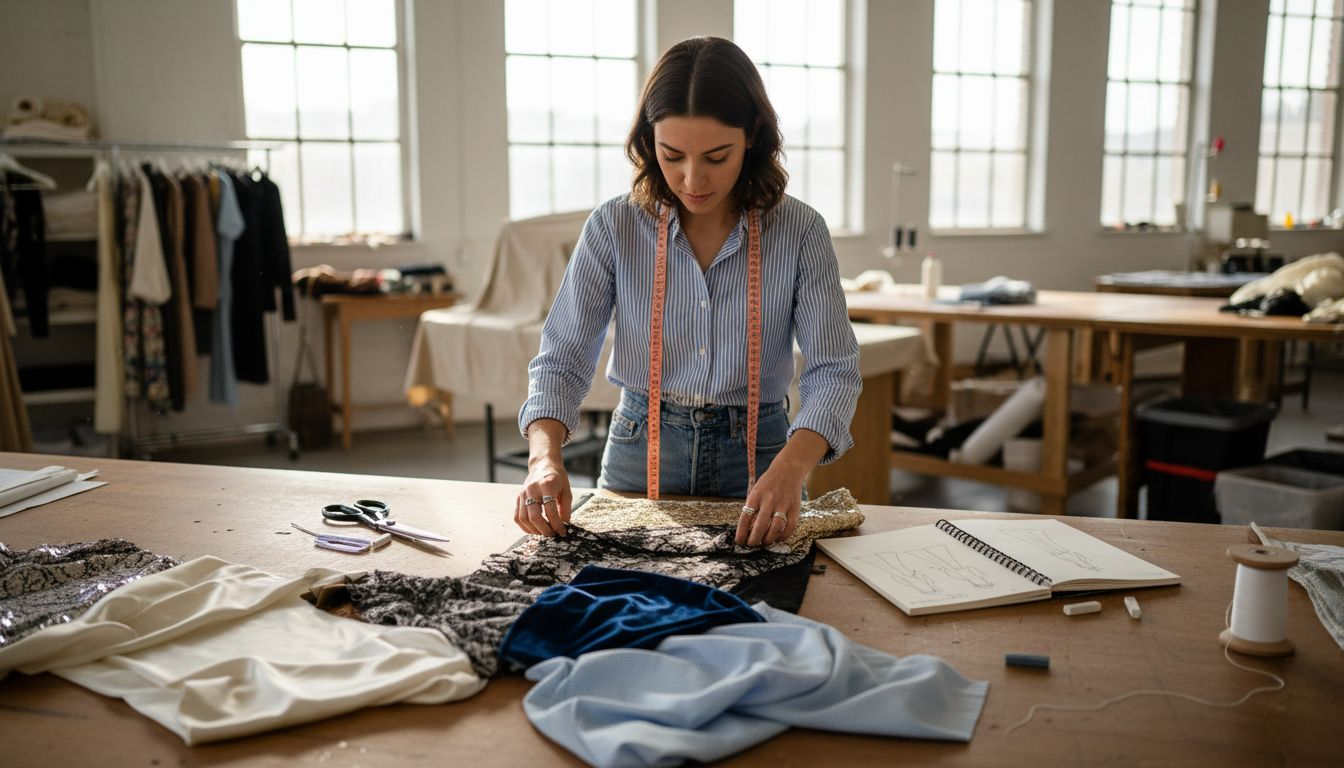
Choosing the right fabric can make or break your design project. If you select materials without understanding their unique qualities, your garments might miss out on comfort, performance, or that finishing touch that sets your work apart. Designers at every level face tough decisions when balancing appearance, durability, and versatility in their creations.
This list will show you exactly what sets each fabric type apart, drawing on real examples of how materials like cotton, satin, and lace deliver on comfort, sophistication, and style. You will learn how different textiles impact breathability, maintenance, and the overall feel of your designs.
Get ready to unlock the building blocks behind standout fashion. The following insights will reveal practical fabric choices that can change the way you approach your next collection.
| Key Insight | Explanation |
|---|---|
| 1. Cotton offers exceptional versatility | Cotton’s unique properties allow it to be used in a wide range of garments, from casual to high fashion, providing comfort and adaptability. |
| 2. Satin adds elegance to designs | Satin’s luxurious drape and glossy surface enhance visual appeal, making it perfect for evening wear and sophisticated garments. |
| 3. Lace adds intricate details | Lace’s delicate patterns bring texture and sophistication to clothing, ideal for bridal and evening wear as well as decorative accents. |
| 4. Velvet presents a luxurious texture | Velvet’s rich texture and luminous surface make it suitable for high-end fashion and interior designs, adding depth and luxury to any piece. |
| 5. Specialty blends enhance performance | Combining fibers in specialty blends results in durable, adaptable fabrics that offer improved moisture management and environmental benefits. |
Cotton fabric represents a fundamental textile that has revolutionized fashion design with its unparalleled comfort and adaptability. As designers seek materials that combine practicality with aesthetic appeal, cotton emerges as a quintessential fabric offering remarkable versatility across various garment styles.
Originally cultivated for thousands of years, cotton has maintained its prominence due to its exceptional properties. Cotton fabric’s unique characteristics make it a staple in clothing design from casual wear to high end fashion. Its natural fibers provide breathability, softness, and moisture absorption that synthetic materials struggle to replicate.
Designers appreciate cotton for its incredible range of textures and weights. Whether crafting lightweight summer dresses or structured winter coats, cotton can be woven into thin, delicate fabrics or dense, sturdy materials. The fabric accepts dyes beautifully, allowing for vibrant color palettes and intricate prints that maintain their richness wash after wash.
Beyond aesthetic versatility, cotton offers remarkable functional benefits. Its natural fibers allow air circulation, helping regulate body temperature and prevent moisture buildup. This makes cotton ideal for creating comfortable clothing that performs well across different climates and activity levels.
Fabric Performance Advantages:
Pro tip: When selecting cotton for design projects, consider the specific fabric weight and weave to match your intended garment style and performance requirements.
Satin represents a pinnacle of fabric elegance for designers seeking to create garments with unparalleled sophistication and visual appeal. This remarkable textile transforms ordinary clothing into extraordinary statements of refined style through its distinctive lustrous surface and fluid movement.
Fabric drape characteristics make satin particularly unique among textile options. Its signature weaving technique creates a surface that reflects light brilliantly while maintaining a soft, graceful flow that drapes beautifully around the body. Originally associated with royal and aristocratic fashion, satin has evolved from pure silk origins to include modern synthetic fibers like polyester and nylon.
Satin Fabric Characteristics:
Designers can leverage satin in numerous applications from evening gowns to lingerie. The fabric’s ability to conform to body contours while maintaining a luminous appearance makes it ideal for creating garments that demand visual drama and elegant movement.
Modern satin production allows for enhanced durability and easier maintenance. Manufacturers now incorporate advanced finishing techniques that improve the fabric’s performance while preserving its signature luxurious aesthetic.
Pro tip: When working with satin, choose a sharp needle and use fine pins to prevent fabric snagging or creating unwanted marks during garment construction.
Lace represents a pinnacle of textile artistry that transforms ordinary garments into extraordinary design statements. With its intricate openwork patterns and ethereal quality, lace offers designers an unparalleled opportunity to infuse romance and sophistication into their clothing collections.
Originating in 16th century Europe, textile design techniques have evolved lace from exclusive handcrafted fabric to a versatile material accessible to contemporary designers. Modern lace can be created using natural fibers like cotton and silk or synthetic alternatives, providing designers with remarkable flexibility in texture and application.
Lace Design Possibilities:
Designers can leverage lace’s unique properties to create multidimensional garments that play with transparency, texture, and visual depth. Its ability to add intricate details without significant weight makes lace an invaluable tool for creating elegant, refined clothing that transitions seamlessly between casual and formal contexts.
Modern manufacturing techniques have democratized lace production, allowing designers to experiment with complex patterns and innovative applications across various garment styles. From machine made synthetic laces to hand crafted traditional designs, the fabric offers endless creative potential.
Pro tip: When incorporating lace into designs, consider the underlying fabric and choose complementary colors and weights to achieve a harmonious and sophisticated final look.
Velvet represents the ultimate fabric for designers seeking to elevate their garment collections with unparalleled luxury and sensory sophistication. Its distinctive pile and luminous surface transform ordinary designs into extraordinary fashion statements that command attention and convey elegance.
Textile manufacturing techniques have evolved velvet from an exclusive royal fabric to a versatile material accessible to contemporary designers. Originally crafted from pure silk, modern velvet now incorporates cotton, synthetic fibers, and innovative blends that expand its creative potential.
Velvet Design Applications:
Designers can leverage velvet’s unique properties to create garments with extraordinary visual and tactile depth. Its dense pile creates a three dimensional surface that captures light differently depending on the angle, producing a dynamic visual effect that sets it apart from other fabrics.
The fabric’s composition allows for remarkable versatility across design contexts. From structured blazers to flowing evening gowns, velvet adapts to various silhouettes while maintaining its signature rich texture and sophisticated aesthetic.
Pro tip: When selecting velvet for designs, consider the fabric weight and direction of the pile to ensure consistent color and texture across your garment.
Seersucker fabric stands as a quintessential textile solution for designers seeking breathable, low maintenance clothing options that perform exceptionally in warm weather conditions. Its distinctive puckered texture and intelligent construction make it a strategic choice for summer apparel and versatile design applications.
Summer fabric design originated with seersucker’s unique weaving technique that creates alternating tight and loose yarns, producing a naturally crinkled surface that prevents fabric from clinging to the body. This ingenious construction generates microscopic air pockets that enhance ventilation and comfort.
Seersucker Design Advantages:
Designers can leverage seersucker across multiple garment styles from casual shorts to tailored suits. Its origins in British colonial India demonstrate a rich textile heritage that continues to influence contemporary fashion with practical yet stylish solutions.
The fabric’s ability to maintain structural integrity while providing maximum comfort makes it an intelligent choice for designers targeting warm weather markets. Its natural striped or checked patterns offer visual interest without requiring complex design interventions.
Pro tip: When selecting seersucker, pay attention to yarn weight and weave density to ensure optimal performance for your specific design requirements.
Sequin fabric represents the ultimate textile for designers seeking to create garments that capture attention and radiate glamour. Its distinctive reflective surface transforms ordinary clothing into extraordinary fashion statements that sparkle with dynamic visual energy.
Textile manufacturing techniques have revolutionized sequin production, moving from labor intensive handwork to sophisticated automated processes. Modern sequins are crafted from synthetic materials and precisely attached to base fabrics like mesh or satin, allowing designers unprecedented creative flexibility.
Sequin Fabric Design Possibilities:
Designers can leverage sequins across multiple garment styles from subtle embellishments to full coverage showstopping pieces. Contemporary stretch sequin technologies have expanded the fabric potential beyond traditional rigid applications, enabling more dynamic and comfortable design approaches.
The versatility of sequin fabrics allows for nuanced design strategies. Designers can select from different sequin sizes, colors, and attachment methods to create unique textural experiences that range from understated shimmer to bold statement making surfaces.
Pro tip: When incorporating sequin fabrics, consider the base material and sequin attachment method to ensure durability and desired movement in your final design.
Specialty fabric blends represent the cutting edge of textile design where innovation meets practical performance. These sophisticated materials combine multiple fibers to create textiles that transcend traditional fabric limitations.
Fabric design trends reveal a dramatic shift towards sustainable and multifunctional textile solutions. Contemporary designers increasingly seek blends that integrate organic materials like TENCEL™, recycled polyester, hemp, and wool to create garments with enhanced comfort and environmental consciousness.
Specialty Blend Design Advantages:
Modern fabric blends enable designers to craft garments that respond dynamically to varying environmental conditions. By strategically combining natural and synthetic fibers, designers can develop textiles with superior moisture management, temperature regulation, and structural integrity.
The emergence of artisanal and high performance fabric blends signals a broader design philosophy prioritizing both aesthetic innovation and functional excellence. Designers now have unprecedented opportunities to create garments that are simultaneously beautiful, comfortable, and environmentally responsible.
Pro tip: When exploring specialty blends, prioritize understanding each fiber component performance characteristics to maximize your design potential.
Below is a comprehensive table summarizing the different fabrics and their characteristics as highlighted in the article, aimed at informing design and fabric selection decisions effectively.
| Fabric | Key Characteristics | Best For |
|---|---|---|
| Cotton | Breathable, soft, moisture-absorbing, easy to dye and maintain | Versatile garments, casual to high-end wear |
| Satin | Smooth, glossy finish, fluid drape, reflects light beautifully | Evening wear, lingerie, and elegant designs |
| Lace | Intricate, lightweight, transparent, adds romantic details | Bridal wear, accents, and decorative elements |
| Velvet | Dense, rich texture, luminous pile, visually dynamic | Luxurious garments, home décor, and formal wear |
| Seersucker | Naturally crinkled, breathable, wrinkle-resistant | Warm-weather casual and tailored clothing |
| Sequins | Reflective, decorative, enhances visual energy | Glamorous attire, performance wear, holiday couture |
| Specialty Blends | Combines fibers for sustainable, functional, and innovative textiles | Climate-adaptive clothing and ethical designs |
Every designer knows that selecting the right fabric is more than a decision; it is a challenge to balance beauty, function, and comfort in every garment. This article highlights the essential dress fabric types like cotton, satin, lace, velvet, seersucker, sequins, and specialty blends, each offering unique textures and performance advantages that directly impact your design’s success.
Unlock your creative potential by choosing from premium fabrics that deliver breathability, luxurious drape, intricate details, or shimmering accents exactly when your project demands it. At Fabric-Fabric, we understand these vital needs and offer an extensive collection tailored to help you execute your vision flawlessly.
Discover the advantage of shopping fabrics designed for apparel, crafts, and more with detailed descriptions and expert advice. Don’t wait to create garments that stand out for their comfort and style. Explore our premium selections today at Fabric-Fabric, including specialized materials like seersucker and satin that marry function and elegance. Take the first step to transform your ideas into remarkable designs now.
Cotton fabric is known for its breathability, softness, and moisture absorption. When designing garments, choose cotton for its versatility across different styles and textures, ensuring your pieces are comfortable and stylish.
Satin stands out due to its smooth, glossy front surface and soft, flowing drape. To utilize satin effectively, select it for garments that require a dynamic, elegant look, such as evening gowns or sophisticated tops.
Lace is excellent for adding texture and sophisticated details to garments like bridal wear and delicate lingerie. When designing, consider layering lace over other fabrics to enhance visual depth without adding significant weight.
Velvet offers a rich texture and luxurious aesthetic that can elevate any garment. Incorporate velvet in your designs for evening wear or statement accessories to create visually stunning pieces that command attention.
Seersucker is known for its exceptional breathability and wrinkle-resistant texture, making it ideal for warm weather apparel. Use seersucker in designs for comfortable summer outfits that are easy to care for and maintain comfort in heat.
Specialty fabric blends combine multiple fibers to improve durability, comfort, and environmental sustainability. Explore different fiber combinations to create garments that not only look good but also perform well under varying conditions.