

 Canadian Dollars

Complete Guide to Fabric Blends for Designers
Posted by BLG on 2025 Dec 2nd
Posted by BLG on 2025 Dec 2nd


Every american designer faces decisions that shape the look and performance of their textiles. With over 60 percent of modern apparel now made from fabric blends, understanding these innovative combinations is more important than ever. The right blend of fibers such as cotton and polyester can improve durability, comfort, and versatility in clothing and home decor. By exploring the science behind fabric blends, you can make smarter choices whether crafting garments or choosing upholstery.
| Point | Details |
|---|---|
| Understanding Fabric Blends | Fabric blends combine different fibers to enhance performance characteristics beyond what single fibers can provide. Designers should leverage this to optimize textile functionality. |
| Major Blend Categories | Popular fabric blends, such as cotton-polyester and wool-nylon, are vital in fashion and home decor, providing a balance of comfort, durability, and aesthetics. |
| Performance Metrics | Key metrics like tensile strength and moisture management differentiate blended textiles from pure fabrics, allowing for superior garment performance across various conditions. |
| Care and Maintenance | Proper care instructions specific to fabric blends are essential to maintain quality and longevity; attention to washing and dyeing techniques can prevent common mistakes. |
Fabric blends represent a sophisticated textile approach where two or more different fibers are strategically combined to create materials with enhanced performance characteristics. When designers understand fabric blends, they unlock opportunities to engineer textiles with precisely targeted properties that individual fibers cannot achieve alone.
A fabric blend technically describes a textile product manufactured by merging multiple fiber types during production. The blending process can occur at various manufacturing stages, allowing textile professionals to deliberately mix fibers like cotton, polyester, wool, or silk to optimize the final fabric’s qualities. For instance, combining cotton’s breathability with polyester’s durability creates a fabric that maintains comfort while resisting wear.
Intimate blends represent an advanced technique where fibers are uniformly dispersed throughout the yarn, ensuring consistent performance across the entire textile. Designers choose blend ratios strategically based on desired outcomes: 50/50 cotton polyester might prioritize balanced comfort and strength, while 70/30 wool nylon could emphasize warmth and resilience. The goal is always creating a material that transcends the limitations of its individual component fibers, transforming separate materials into something more powerful and purposeful.
Key considerations for fabric blends include:
By understanding these fundamental principles, designers can approach fabric blends as a nuanced art form that balances scientific precision with creative vision.
Fabric blends represent a nuanced world of textile engineering, where different fiber combinations unlock unique performance characteristics. Popular fabric blends have emerged as industry standards, each designed to address specific functional and aesthetic requirements across various applications.
Cotton-polyester blends dominate the textile landscape, offering an optimal balance between natural fiber comfort and synthetic durability. Typically mixed in ratios like 60/40 or 50/50, these blends provide wrinkle resistance, improved moisture management, and enhanced longevity compared to pure cotton fabrics. Fashion designers frequently utilize these blends for everyday clothing that requires low maintenance and consistent performance.
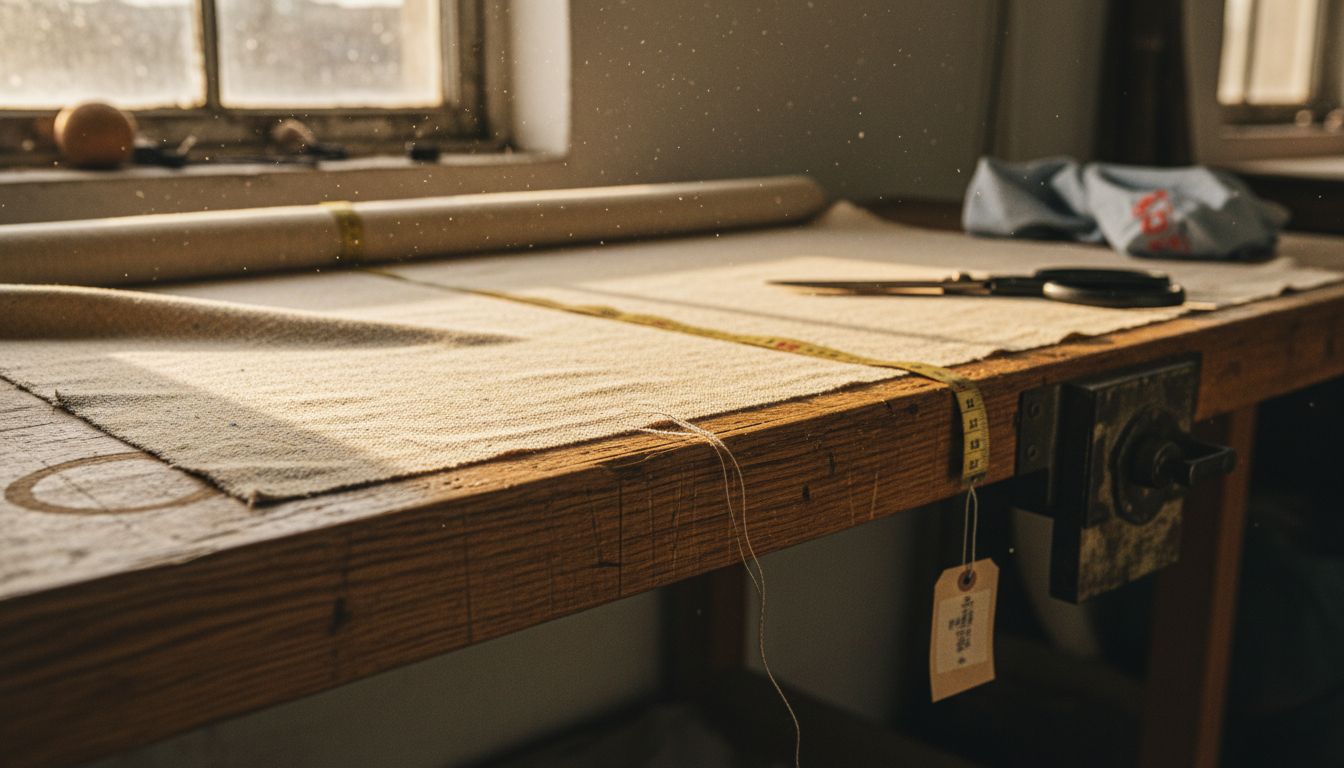
Wool-based blends represent another critical category, particularly in performance and outerwear applications. Wool-nylon combinations deliver exceptional warmth, moisture-wicking capabilities, and remarkable structural integrity. Outdoor apparel brands often leverage these blends to create garments that withstand extreme environmental conditions while maintaining lightweight characteristics.
Key fabric blend categories include:
Silk blends offer another fascinating textile option, combining luxurious natural fibers with synthetic enhancers to create materials that balance elegance with practical wearability. Understanding these nuanced combinations empowers designers to select precise fabric blends that meet specific project requirements.
Fabric blends are precision-engineered textiles designed to optimize critical performance characteristics. Fiber blending strategies focus on enhancing key properties like tensile strength, elongation, moisture management, and thermal conductivity to create materials that exceed the limitations of single-fiber fabrics.
Tensile strength represents a fundamental performance metric, with blends strategically combining fibers to improve structural integrity. Polyester-cotton blends, for instance, dramatically increase fabric durability compared to pure cotton textiles. These combinations allow designers to create clothing and textiles that withstand repeated wear, washing, and environmental stress while maintaining soft, comfortable characteristics.
Moisture management emerges as another critical performance factor in fabric blend engineering. Wool and cotton blends demonstrate remarkable ability to balance moisture absorption, thermal regulation, and comfort. These sophisticated textile combinations enable garments that keep wearers dry, regulate body temperature, and provide exceptional breathability across diverse environmental conditions.
Key performance factors in fabric blends include:
Understanding these nuanced performance characteristics empowers designers to select precise fabric blends that meet specific functional and aesthetic requirements, transforming textile design from an art into a strategic engineering discipline.
Fabric blends have revolutionized both fashion and home decor industries, offering versatile materials that combine aesthetic appeal with exceptional functionality. These innovative textile combinations provide designers with unprecedented flexibility in creating products that meet complex performance and style requirements.
In fashion, fabric blends dominate everyday clothing categories. Cotton-polyester blends are staples in dress shirts, offering wrinkle resistance and durability, while wool-nylon combinations create winter coats and sweaters that provide superior warmth and structural integrity. Designers leverage these blends to produce garments that maintain shape, resist wear, and deliver comfort across various environmental conditions.
Home decor applications showcase the remarkable adaptability of fabric blends. Upholstery fabrics frequently utilize cotton-polyester and linen-cotton blends to create furniture coverings that resist staining, maintain color vibrancy, and withstand frequent use. Curtains, bedding, and decorative textiles benefit from these engineered materials that balance aesthetic sophistication with practical performance.
Key application areas for fabric blends include:
The strategic selection of fabric blends empowers designers to create products that transcend traditional material limitations, delivering innovative solutions that meet the complex demands of modern consumers.
Fabric blends represent a sophisticated approach to textile engineering, strategically combining different fibers to overcome the inherent limitations of pure fabrics. By merging multiple fiber types, designers can create materials that dramatically enhance performance characteristics unachievable with single-fiber textiles.
Pure cotton fabrics, for instance, struggle with wrinkle retention and durability. When polyester is introduced, the resulting blend transforms these limitations. Cotton-polyester combinations provide superior wrinkle resistance, increased structural integrity, and extended wear life. Pure wool fabrics might feel heavy and require delicate maintenance, but blending with synthetic fibers like nylon creates lightweight, easy-care textiles that retain warmth while becoming more resilient.
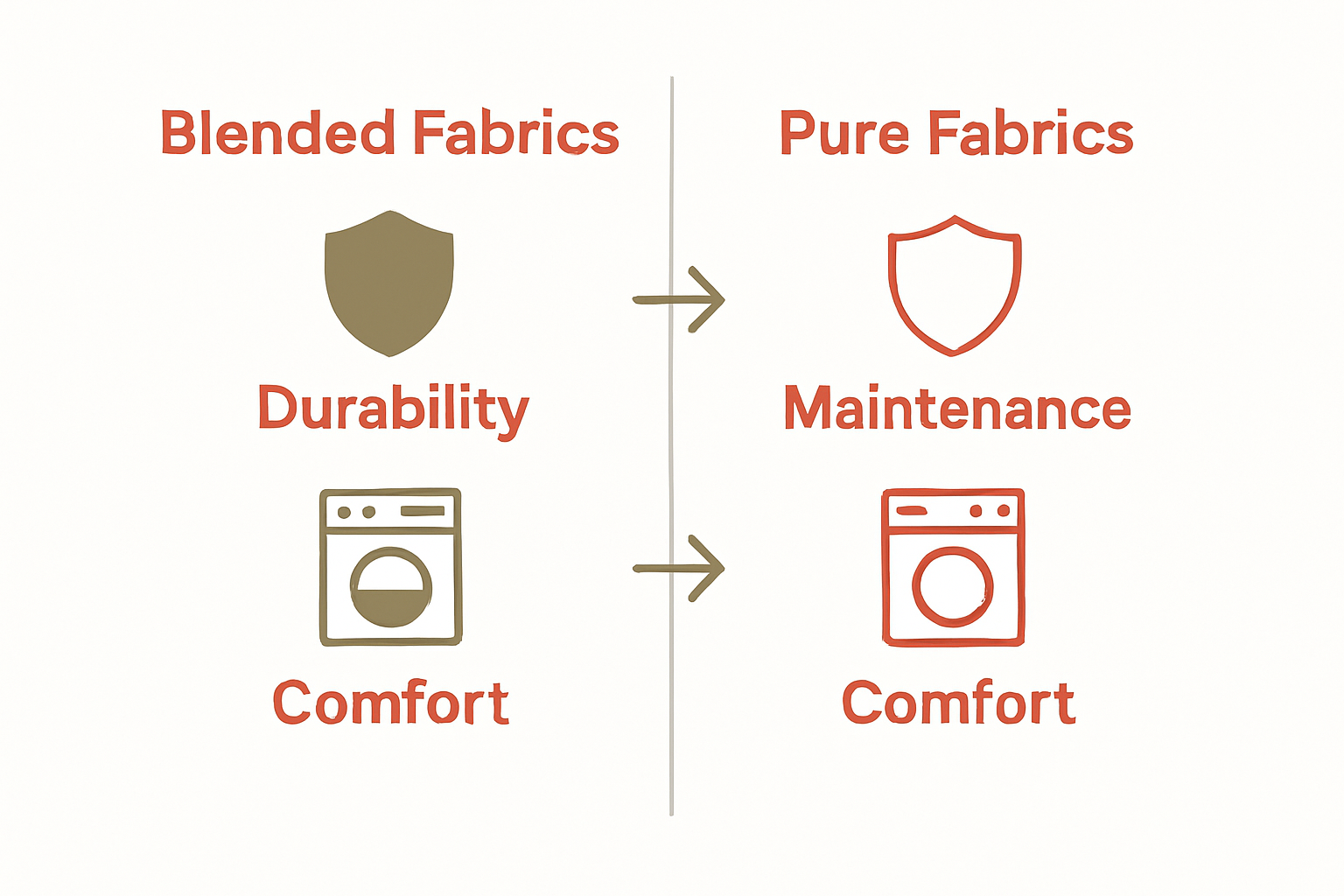
Performance differences between pure and blended fabrics become particularly pronounced in specialized applications. Athletic wear demands moisture-wicking, stretch, and durability—characteristics challenging to achieve with single-fiber materials. Blended fabrics can integrate the breathability of natural fibers with the performance of synthetics, creating garments that adapt to dynamic physical environments and user needs.
Key comparative advantages of fabric blends include:
Understanding these nuanced differences empowers designers to select textile solutions that precisely match project requirements, transforming fabric selection from a limitation to a strategic design opportunity.
Fabric blend maintenance requires a nuanced approach that considers the unique properties of each fiber component. Understanding the specific care requirements of different blend compositions is crucial for preserving textile quality and extending garment longevity.
Washing techniques vary dramatically across different fabric blends. Cotton-polyester combinations, for example, demand lower temperature settings and gentler cycles compared to pure cotton fabrics. Synthetic-dominant blends can withstand higher temperatures and more aggressive washing, while natural fiber-rich blends require more delicate handling. Designers and consumers must pay close attention to specific care labels, which provide critical guidance on washing, drying, and ironing protocols.
Dyeing processes represent another critical area where specialized knowledge prevents common mistakes. Different fibers within a blend absorb color at varying rates, potentially leading to uneven coloration if standard dyeing techniques are applied uniformly. Professional textile experts understand how to balance dye chemistry and application methods to achieve consistent, vibrant results across complex fabric blends.
Common maintenance mistakes to avoid include:
Mastering the intricacies of fabric blend care transforms textile maintenance from a potential challenge into a precise, manageable process that preserves the aesthetic and functional qualities of sophisticated textile designs.
Understanding fabric blends unlocks the potential to create textiles that offer unmatched durability, comfort, and style. Whether you are challenged by finding the right balance of fibers for moisture management, tensile strength, or versatility in your projects, mastering the art of blends can feel overwhelming. Key terms like cotton-polyester, wool-nylon, and spandex blends reveal the fine line between textile science and creative vision. These fabric combinations solve common design pain points such as wrinkle resistance, stretch, and easy maintenance.
Discover a curated selection designed for designers like you at https://fabric-fabric.com where quality meets choice.
Start exploring an extensive range of fabric blends tailored to fashion, home decor, and craft applications. Shop now and transform your textile challenges into seamless solutions with professional-grade fabrics. Visit https://fabric-fabric.com today and experience how the right blend makes all the difference.
Fabric blends refer to textiles made by combining two or more different fibers to enhance performance characteristics. They allow designers to create materials tailored to specific needs, such as improving durability, comfort, and moisture management.
Common fabric blends include cotton-polyester blends for low-maintenance clothing, wool-nylon combinations for warmth in outerwear, silk blends for elegance, and polyester-spandex blends for stretch in athletic wear.
Blended fabrics typically offer enhanced durability and require less maintenance than pure fabrics. For example, cotton-polyester blends resist wrinkles and wear more effectively than pure cotton, making them more suitable for everyday use.
To care for fabric blends, always follow specific care label instructions. Use appropriate washing temperatures and cycles, separate incompatible fabrics during laundering, and consider the unique dyeing processes of each fiber type to avoid uneven coloration.