

 Canadian Dollars

What is damask? Guide to uses, qualities, and buying tips
Posted by BLG on 2026 May 10th
Posted by BLG on 2026 May 10th

TL;DR:
- Authentic damask is a woven, reversible textile with a pattern built directly into its structure, unlike printed imitations. It is traditionally made on a jacquard loom, creating contrast between shiny and matte areas that shift with light, and can be crafted from silk, cotton, polyester, or blends. Recognizing true damask involves checking for a mirror image pattern on the back, tactile texture, light transmission, and weave structure, ensuring durability for long-lasting décor and apparel projects.
Even experienced decorators get fooled. A fabric covered in an ornate floral or geometric pattern catches your eye, and you assume it’s damask. But flip it over, and if you see a flat, identical print on both sides, you’re likely looking at a printed imitation, not the real thing. True damask is a woven textile with depth, structure, and a reversible pattern built directly into its construction. Understanding what separates genuine damask from printed lookalikes can mean the difference between a project that looks polished for years and one that fades, pills, or simply loses its character too soon.
| Point | Details |
|---|---|
| Woven, not printed | Authentic damask is a jacquard-woven fabric—not merely printed—with reversible designs. |
| High impact uses | Damask is chosen for home décor and apparel projects where elegance and durability are priorities. |
| Test for durability | For upholstery, always check the double rub rating to gauge how well damask handles daily wear. |
| Match fiber to use | Choose damask fiber type based on project needs—synthetics for cleaning ease, natural for luxury. |
Damask has a long history rooted in luxury. Named after the city of Damascus, where richly patterned textiles were traded across medieval trade routes, damask was once reserved for royalty and the very wealthy. Today, advances in textile production have made it far more accessible, and you’ll find it in everything from budget-friendly home décor fabric to high-end fashion.
What sets damask apart technically is how it’s made. True damask is woven on a jacquard loom, producing a reversible pattern with contrasting surfaces. A jacquard loom uses a system of punched cards (or, in modern manufacturing, digital programs) to individually control each thread in the weave. This gives weavers the ability to create incredibly detailed, large-scale patterns that are literally part of the fabric’s structure, not just applied to the surface afterward.
The visual effect that makes damask so distinctive comes from the contrast between two weave structures within a single fabric. Typically, the design itself is created in a satin weave (smooth and reflective) set against a ground woven in a matte, flatter structure called twill or sateen. The result is a subtle but striking pattern that shifts with the light. When you move damask under a lamp, the pattern seems to come alive.
“Damask is substantial, decorative, and used in home décor and apparel because of its unique weaving style.” — Fabric Atlas
The fiber used also plays a major role in how damask looks and feels. Traditional damask was made from silk, which enhanced the contrast between shiny and matte areas dramatically. Modern versions use cotton, linen, polyester, and blended fibers. Cotton damask has a softer finish with moderate sheen. Polyester damask tends to be more affordable and wrinkle-resistant, though the sheen can feel slightly artificial. Silk damask remains the most luxurious and light-responsive, but it’s also the most delicate and expensive.
Understanding the difference between knit versus woven fabrics is also useful here. Damask is strictly a woven fabric. Woven fabrics have structure, stability, and a defined weave pattern. Knit fabrics stretch and drape differently. Knowing this distinction matters when you’re selecting materials for structured home décor projects or tailored garments.
| Fiber type | Sheen level | Durability | Best for |
|---|---|---|---|
| Silk | Very high | Moderate | Formal apparel, decorative pillows |
| Cotton | Medium | High | Table linens, curtains |
| Polyester | Medium-high | Very high | Upholstery, everyday décor |
| Linen blend | Low-medium | High | Natural-look home décor |
| Rayon/viscose | High | Moderate | Apparel, accent pieces |
Now that you know how damask is made, let’s explore where this special fabric shines in real-world crafting and decorating.
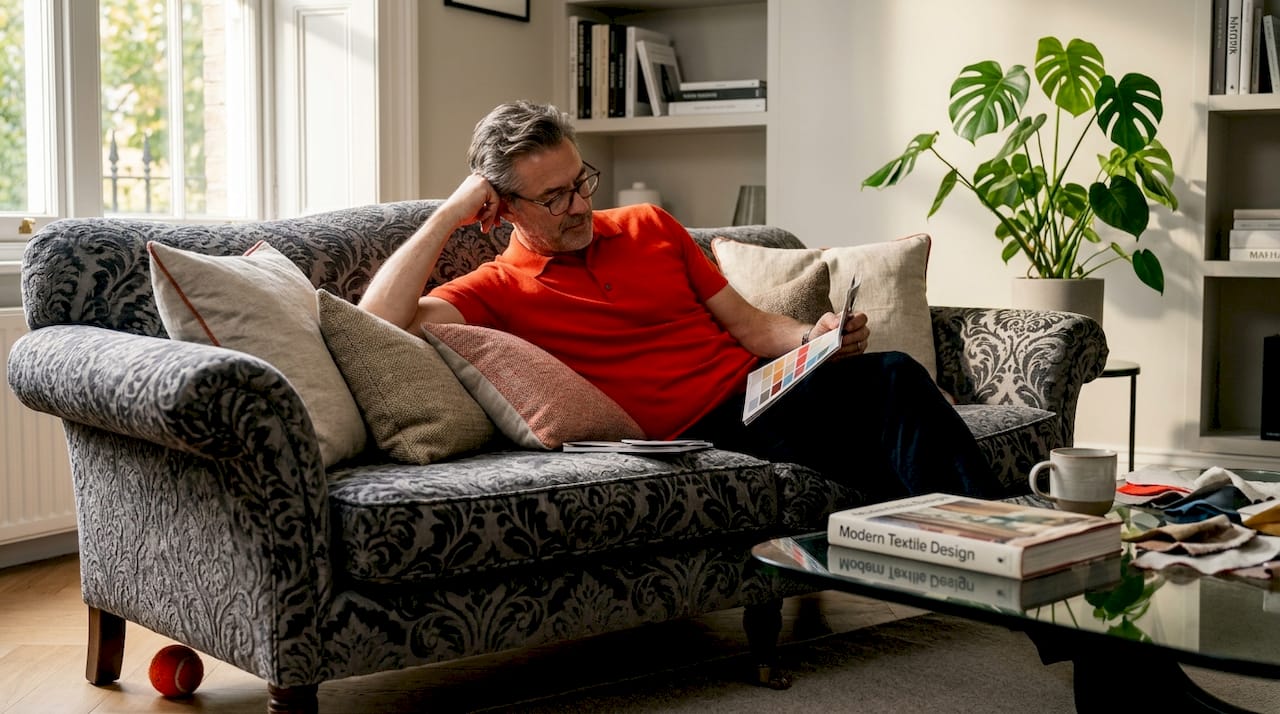
Damask’s weight and texture make it exceptionally versatile. It’s formal enough to elevate a dining room but structured enough to hold its shape as upholstery. The pattern adds visual interest without needing embellishments, which is why decorators often use it as a statement fabric in otherwise simple rooms.
In home décor, damask is popular for drapery, upholstery, table linens, bed linens, and formal apparel because of its durability and decorative effect. For curtains, the weight of damask means it hangs beautifully, creating those full, luxurious folds that lighter fabrics can’t achieve. If you want curtains with a dramatic visual presence, damask is one of the best materials to consider, and our guide to best fabrics for curtains walks through exactly when to choose it over alternatives.
Table settings are another standout use. A damask tablecloth instantly transforms a dinner table into something that looks thought out and intentional. The pattern reflects candlelight beautifully, which is why hotels and event venues have used damask linens for centuries.
For apparel, damask works well in structured garments where the fabric’s body supports the silhouette. Think structured blazers, formal skirts, evening wear, and elaborate corsetry. The fabric does not work well in pieces that need to stretch or drape loosely, since it holds its form.
Common damask project ideas:
Pro Tip: Pair damask with solid-colored coordinating fabrics for pillows, trims, or linings. The pattern in damask is already busy enough that adding other prints can overwhelm a room. Let the weave do the visual work.
| Fabric | Pattern source | Reversible | Weight | Best application |
|---|---|---|---|---|
| Damask | Woven | Yes | Medium-heavy | Curtains, upholstery, formal wear |
| Brocade | Woven (with extra threads) | No | Heavy | Formal garments, statement pillows |
| Jacquard | Woven | Varies | Medium-heavy | Wide range including activewear |
| Printed cotton | Screen/digital print | No | Light-medium | Quilting, casual home décor |
If you’re still narrowing down your material choices, the home decor fabric selection guide covers a broader range of options side by side.
Choosing damask for a project means being sure you’re working with the real thing, not just an imitation print. Here’s how to tell authentic damask apart.
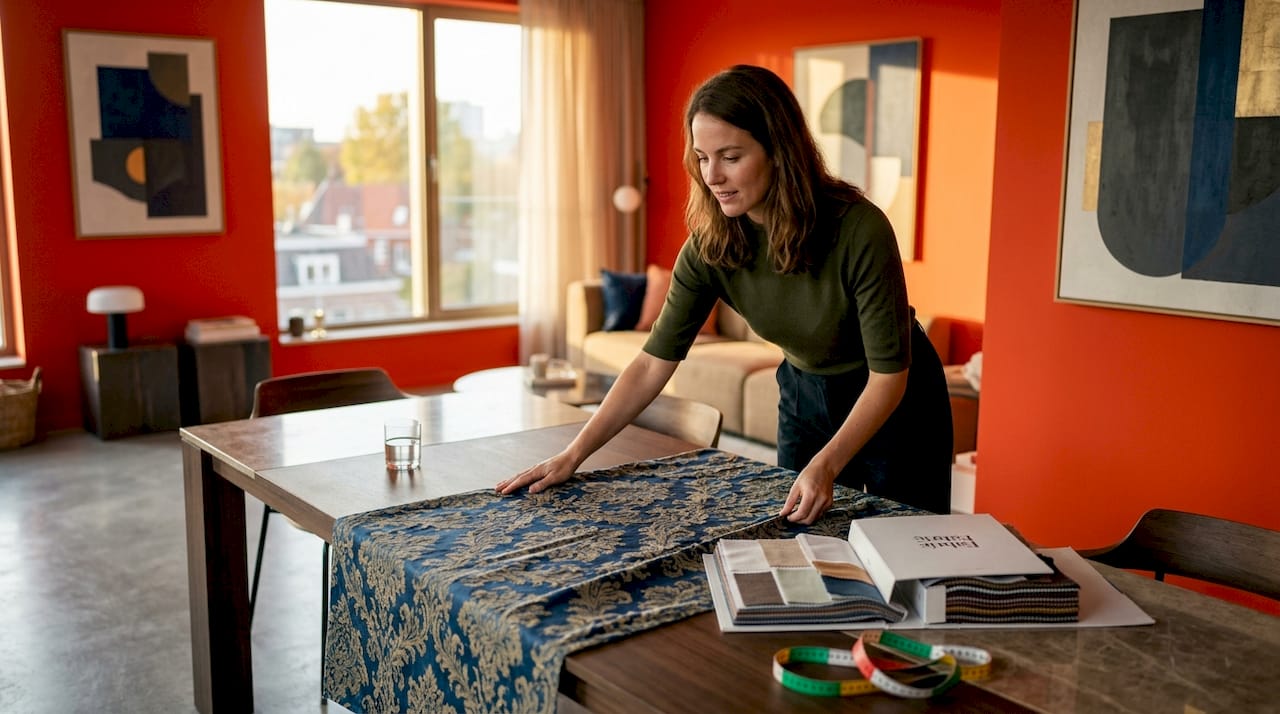
The single most reliable test is to flip the fabric over. Judging damask involves checking for a reversible, woven structure and noting if the pattern results from contrast between shiny (satin) and matte elements, not printing. If both sides show the same pattern but in reversed contrast (the shiny parts on one side are matte on the other), you’re holding genuine woven damask. If both sides look identical or one side has no pattern at all, it’s a print.
Here’s a step-by-step checklist you can use when shopping:
Pro Tip: When buying online, zoom into product photos and look for the woven texture visible across the fabric surface. If the listing photo looks like a flat graphic pattern with no depth or texture variation, it’s likely a print. Sellers of genuine damask usually highlight the woven structure in their photos because it’s a selling point.
Reviewing a solid fabric selection guide before any purchase can also help you build the habit of asking the right questions about weave, fiber, and finish before committing to yardage.
Recognizing damask’s durability is one thing, but choosing the right one for demanding upholstery projects requires a closer look at key performance metrics.
The most important number to understand is the double rub rating. A double rub is one back-and-forth motion of an abrasion machine simulating friction, like someone sitting down and shifting in a chair. For upholstery suitability, look for high double rub ratings, which measure a fabric’s abrasion resistance. The higher the rating, the longer the fabric will hold up to daily contact without pilling, thinning, or degrading.
| Use case | Recommended double rub rating |
|---|---|
| Decorative throw pillows (low use) | 6,000 to 9,000 |
| Bedroom headboards | 15,000 to 20,000 |
| Dining chairs (moderate daily use) | 25,000 to 30,000 |
| Living room sofas (heavy use) | 30,000 to 50,000+ |
| Commercial seating | 50,000+ |
For crafters who want damask that can handle real life, rather than just look beautiful, here’s what to prioritize when shopping:
For sofas, accent chairs, and dining seats, the fabric texture for upholstery breakdown can help you match not just durability but also the tactile experience your finished project should deliver.
After years of watching crafters and decorators shop for damask, one pattern stands out clearly. The biggest mistakes aren’t about budget or project size. They’re about underestimating how much structural quality and fiber choice actually matter to the final result.
Most people focus on the visual pattern. They see an elegant floral or geometric design and imagine how it will look in their room. That instinct is natural, but it puts the decision-making in the wrong place. The pattern is just the surface story. The real story is in the weave density, the fiber, and how the fabric interacts with light in your specific space.
We’ve seen beautiful, affordable polyester damask transform a budget dining room into something that looks genuinely designed. We’ve also seen expensive silk damask purchased for the wrong project end up puckered and disappointing because the buyer didn’t account for how a high-sheen fabric would read in a bright, casual kitchen. The fabric wasn’t wrong. The application was.
The decorators and crafters who get consistent, satisfying results from damask are the ones who match the fabric’s character to the room’s character. A matte cotton damask suits relaxed, warm spaces. A silk or high-sheen polyester damask belongs in rooms where drama and formality are the point. Neither is superior. They’re just different tools.
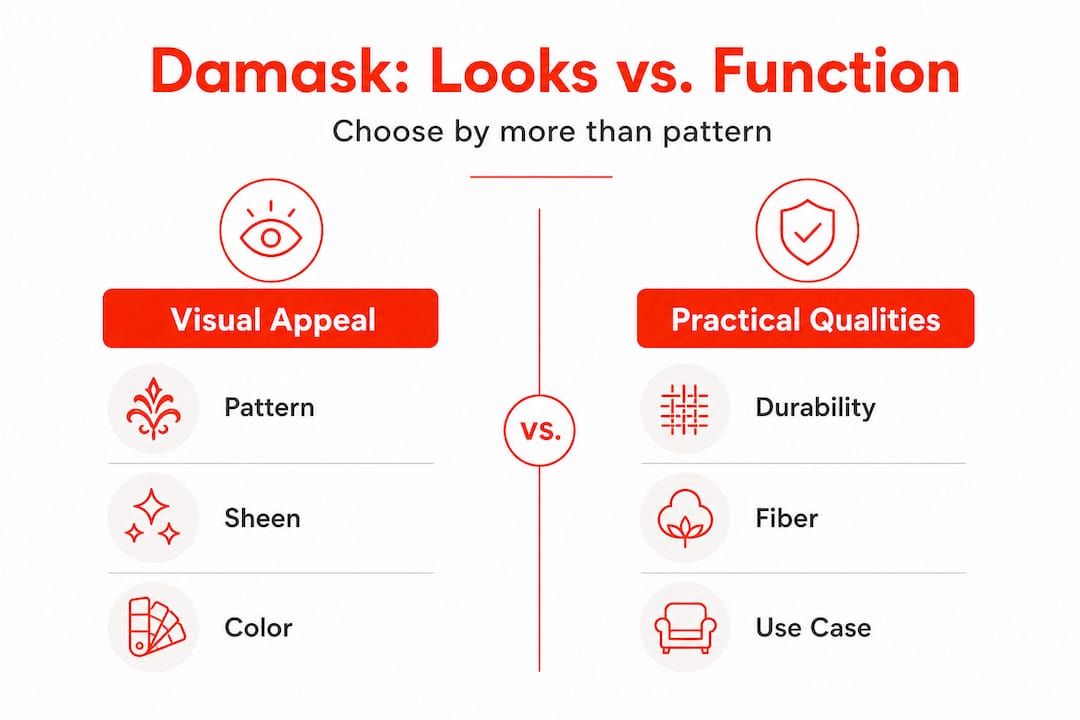
Long-term satisfaction also comes from thinking ahead. A damask-upholstered chair you’ll sit in every day needs a very different fabric than a decorative pillow you’ll rearrange and admire. Buying a beautiful but delicate damask for a high-use piece is a shortcut to frustration within a year or two.
The ultimate home decor fabric guide addresses this broader principle well: match the fabric to the function first, and let beauty follow from that decision. When you do, damask rewards you with spaces and pieces that feel considered, cohesive, and genuinely timeless.
Ready to put your knowledge to work in your next project? Finding the right damask starts with having a wide selection to compare.
At fabric-fabric.com, you’ll find an extensive range of home décor and apparel fabrics suited to every type of project, from formal drapery to statement upholstery. Whether you need something lightweight for a backdrop or a sturdy, heavy-weave fabric for furniture, the backdrop fabrics collection and the full home decor fabric by the yard selection make it easy to browse by use, fiber, and weight. You can shop with confidence knowing the product descriptions include usage suggestions and clear specs, and if you need guidance on which fabric fits your specific project, customer support is available to help you make the right call before you buy.
Damask’s price varies by fiber and quality, with natural fibers like silk and complex weave structures generally pushing costs higher than polyester or cotton alternatives.
Most synthetic and cotton damask fabrics can be machine washed on a gentle cycle, but silk or specialty blended damask may need dry cleaning to preserve sheen and structure.
A double rub rating measures abrasion resistance in upholstery fabrics, so a higher number means the fabric will hold up longer under daily friction from regular use.
Yes, because damask’s woven structure is created on a jacquard loom, it produces a reversible pattern with the satin and matte areas flipped on the opposite side.