

 Canadian Dollars

Master Home Decor Fabric Selection for Stunning Results
Posted by BLG on 2025 Oct 28th
Posted by BLG on 2025 Oct 28th

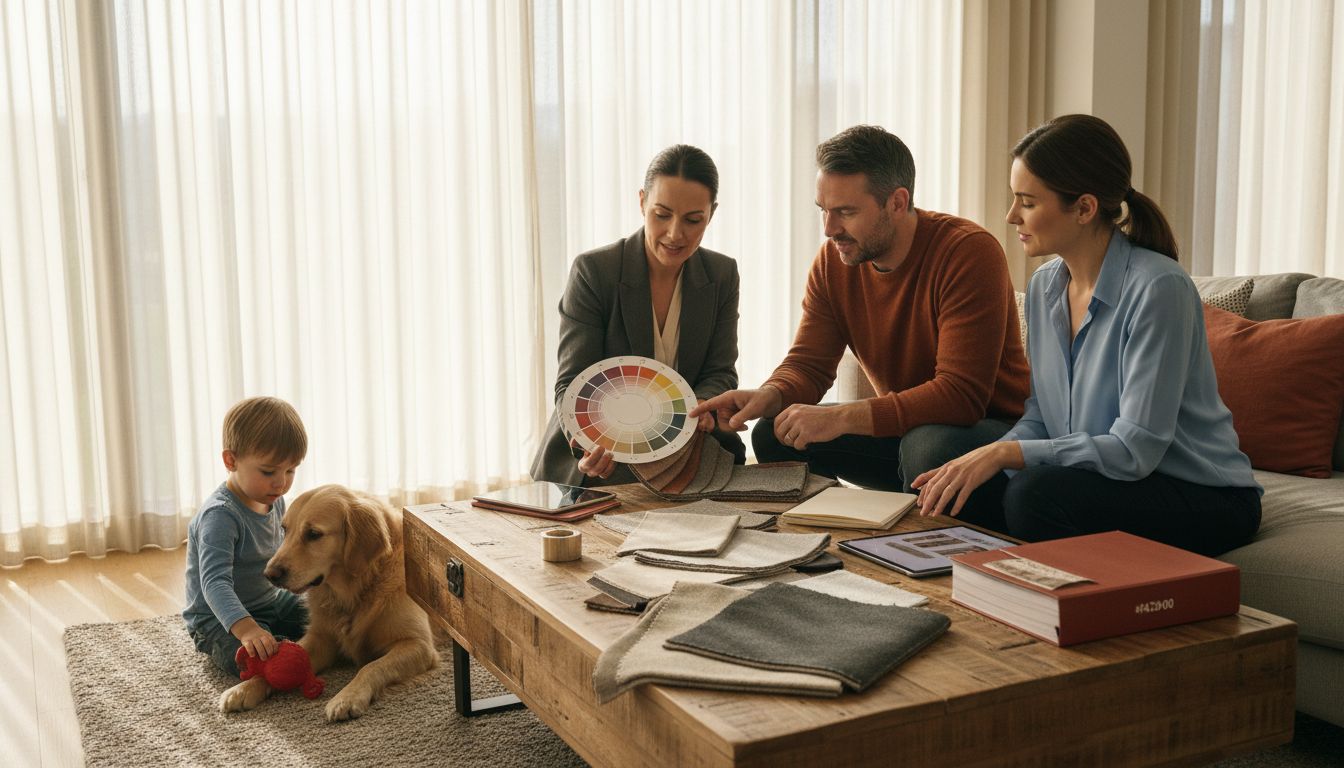
Did you know that Americans spend over $100 billion a year on home furnishings? Picking the right fabric shapes how your space looks, feels, and even how long your decor lasts. From standing up to pets and kids to matching the perfect color, each choice affects your daily comfort and style. This guide helps you make smarter fabric choices so every room truly feels like home.
| Key Point | Explanation |
|---|---|
| 1. Assess your decor needs first | Determine the purpose and environment for fabric selection to ensure it meets your specific needs and usage. |
| 2. Measure accurately for fabric quantity | Measure dimensions and consider adding 10-15% extra fabric to account for patterns and potential errors. |
| 3. Choose the right fabric type | Understand different fabric characteristics and select materials that enhance both function and aesthetics for your space. |
| 4. Use a color scheme strategically | Analyze existing colors and textures, then use a color wheel to create harmony while balancing dominant, secondary, and accent colors. |
| 5. Test fabric samples in your space | Order samples, observe them in various lighting, and evaluate their compatibility with your decor before making a purchase. |
Selecting the right fabrics for your home involves more than just picking something that looks pretty. It requires understanding your specific needs and environment. According to research from New Mexico State University, you need to answer several key questions before making your selection.
Start by considering the primary purpose of the fabric. What room or area will you be decorating? Are you looking for upholstery fabric for a living room sofa, curtains for a bedroom, or throw pillows for a home office? Each space has unique requirements. As research from PrettyIfy Interior suggests, high traffic areas like living rooms and hallways demand more durable fabrics that can withstand regular wear and tear.
Next, think about who will be using the space. Do you have pets or young children? Homes with active families need stain-resistant fabrics that can handle spills and frequent cleaning. Leather or synthetic materials often work best in these scenarios. Consider your lifestyle and choose fabrics that can keep up with your daily activities.
Color and texture play crucial roles too. What atmosphere do you want to create? Soft, neutral tones might create a calming environment, while bold patterns can add energy and personality. Consider the existing color scheme of your room and select fabrics that complement or intentionally contrast with your current decor.
Pro Tip: Always get fabric swatches and test them in the actual room lighting before making a final decision.
With these considerations in mind, you are now ready to move on to exploring specific fabric types that match your home decor needs.
Knowing exactly how much fabric you need is crucial to prevent costly mistakes and ensure your home decor project turns out perfectly. According to research from University publications, home furnishing fabrics typically come in specific widths and have unique design characteristics that impact your measurement strategy.
Start by measuring the dimensions of the item you are covering. For upholstery, measure the length, width, and height of your furniture piece. For curtains, measure from the rod to where you want the fabric to end. As House Fabric’s weight guide suggests, different fabric weights work better for different applications. Lightweight fabrics between 2 to 4 ounces work great for sheer curtains, while slightly heavier fabrics between 4 to 7 ounces are perfect for pillows and light upholstery.
Always add extra fabric for pattern matching and potential mistakes. A good rule of thumb is to add 10% to 15% more fabric than your initial measurements.
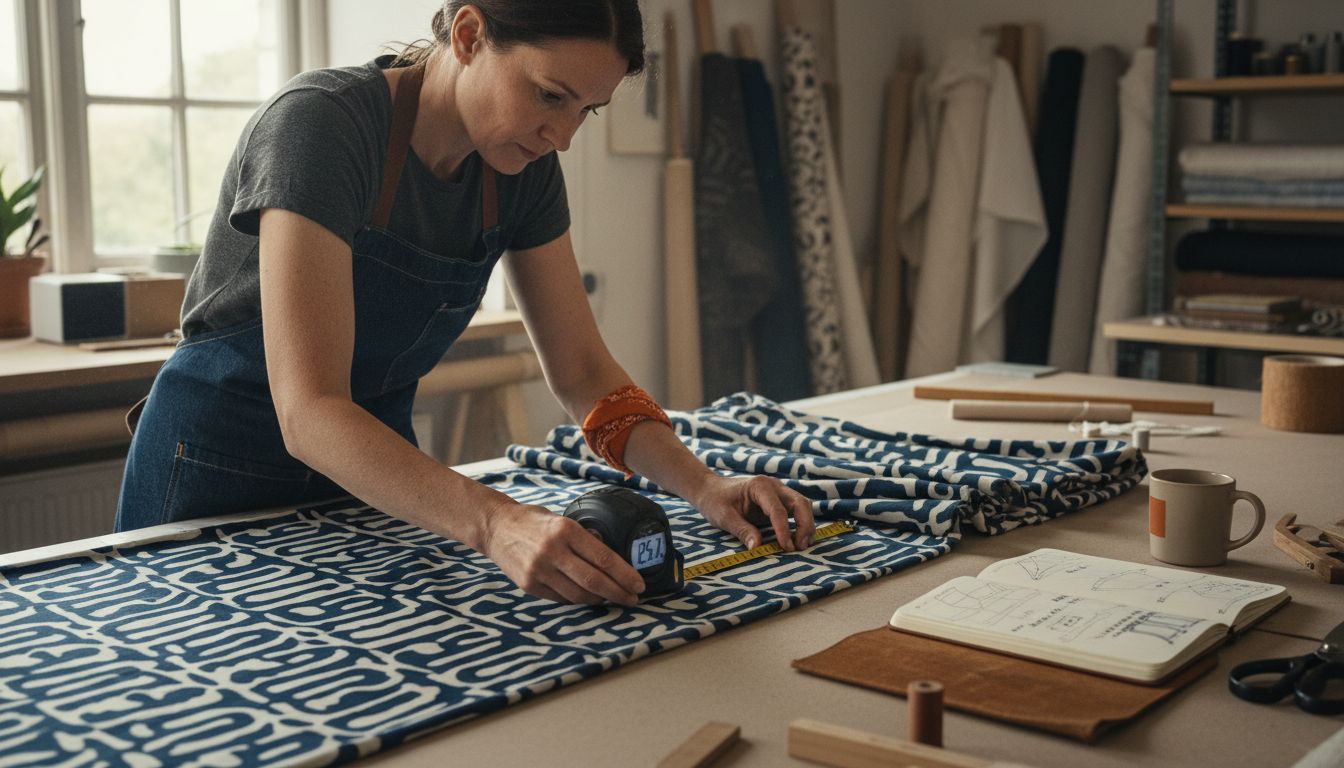 This buffer helps account for pattern repeats, which can significantly impact how much material you actually need. Research indicates home furnishing fabrics often have large designs with a specific directional nap, so accounting for this is essential.
Pay attention to fabric width too. Most home decor fabrics come 48 inches or wider, which helps when cutting large pattern pieces. Measure your project and compare it against the fabric width to determine how many yards you will require.
Pro Tip: Always buy a little extra fabric. It is easier to have surplus than to run short midway through your project.
With precise measurements in hand, you are now ready to select the perfect fabric for your home decor project.
Choosing the right fabric involves understanding the unique characteristics of different materials and how they contribute to your home decor. According to research from Fabric Fabric, each fabric type brings distinct qualities that can transform your living space.
Start by considering the primary materials. Cotton stands out as a versatile option that is natural, breathable, and hypoallergenic. It keeps colors well and works beautifully for curtains, upholstery, pillows, and bedding. Linen offers another natural alternative that is sustainable, moisture-wicking, and incredibly strong. These natural fabrics create a warm and inviting atmosphere.
Synthetic fabrics like polyester provide incredible durability and practical benefits. As research indicates, polyester is stain and wrinkle resistant, making it perfect for high-traffic areas and spaces that need low maintenance. According to PrettyIfy Interior, texture plays a crucial role in creating the right ambiance. Soft and plush textures like velvet or chenille can make a space feel cozy, while lightweight organic fabrics such as Belgian flax linen or bamboo create a more relaxed environment.
Consider the functional requirements of your space alongside aesthetic preferences. A home with children or pets might benefit from stain-resistant synthetic materials, while a formal living room could shine with luxurious natural fibers.
Pro Tip: Always touch and feel fabric samples in person. Texture can look very different from how it feels.
With a clear understanding of fabric types and textures, you are now prepared to make an informed selection for your home decor project.
Here’s a comparison of common fabric types for home decor projects:
| Fabric Type | Key Benefits | Best Uses |
|---|---|---|
| Cotton | Breathable Hypoallergenic Holds color well |
Curtains Upholstery Pillows Bedding |
| Linen | Sustainable Strong Moisture-wicking |
Drapes Tablecloths Decor accents |
| Polyester | Durable Stain resistant Wrinkle resistant |
Sofas High-traffic areas Easy-care items |
| Velvet | Plush texture Luxurious look |
Accent chairs Pillows Formal spaces |
| Leather | Tough Wipes clean Pet-friendly |
Sofas Chairs Family areas |
Fabric selection is an art form that can dramatically transform your living space. According to research from Illustr Arch, textiles play a pivotal role in interior design by setting the aesthetic tone and creating a welcoming atmosphere.
Start by analyzing your existing room palette. Look at your wall colors, furniture, and major decor elements. As PrettyIfy Interior suggests, contemporary homes often work best with clean lines and neutral colored fabrics, while more eclectic spaces can handle vibrant patterns and rich textures. Consider using a color wheel to identify complementary or analogous color relationships that will create visual harmony.
Think strategically about color placement. Bright colors and bold patterns can create dynamic focal points, while neutral tones provide a subtle backdrop that allows other design elements to shine. If your room feels somewhat monochromatic, consider introducing fabrics with interesting textures in similar color families to add depth without overwhelming the space.
Remember that lighting dramatically impacts how colors appear. A fabric that looks perfect in the store might look entirely different in your home. Try to view fabric samples in the actual room where they will be used, observing how natural and artificial light interact with the material.
Pro Tip: Use the 60-30-10 rule. Choose 60% dominant color, 30% secondary color, and 10% accent color for balanced visual appeal.
With your color strategy in place, you are ready to select specific fabrics that will bring your design vision to life.
Before committing to a full fabric purchase, ordering and thoroughly testing samples is a crucial step in ensuring your home decor project succeeds. Research from University publications highlights the importance of carefully examining fabric characteristics before making a final decision.
Request multiple fabric samples that match your color scheme and design vision. According to research from New Mexico State University, you need to check several key details during your evaluation. Pay special attention to the fabric’s grainline. The fabric should have lengthwise and crosswise grains that cross at right angles. For woven fabrics, this ensures proper alignment and will make future pattern matching much easier.
Test each sample in your actual living space. Observe how the fabric looks under different lighting conditions and how it interacts with your existing furniture and wall colors. Move the samples around the room at different times of day to see how natural and artificial light impacts their appearance. This step helps prevent costly mistakes that might not be apparent in a store or online setting.
As House Fabric recommends, always pretest a small hidden area for cleaning and durability. Some fabrics require specialized care, so understanding their maintenance requirements is essential. Check how the fabric responds to light, how it feels to the touch, and whether it meets your practical needs for the specific space.
Pro Tip: Take photographs of the samples in your space to compare them objectively and get input from family members or design professionals.
With carefully evaluated samples, you are now ready to make an informed fabric selection for your home decor project.
Choosing the right fabric is more than just finding something that looks good. It requires a careful evaluation of quality, durability, and long-term performance. According to research from University publications, there are critical factors to consider before making your final selection.
Carefully inspect the fabric’s weave and construction. As research from New Mexico State University suggests, you want a tightly woven fabric that will stand up to daily use. Avoid fabrics with excessive sizing or unusual coatings on the wrong side, as these can compromise durability. Loosely knitted or satin weave fabrics tend to show wear quickly and may not be ideal for high-traffic areas.
Consider your lifestyle and specific needs. According to PrettyIfy Interior, homes with pets or children require fabrics that are stain resistant and easy to clean. Synthetic materials or leather often work best in these scenarios. For living rooms and hallways that see constant use, prioritize fabrics that can withstand significant wear and tear.
Look beyond aesthetics and evaluate practical performance. Check the fabric’s ability to resist fading, handle cleaning, and maintain its appearance over time. Run your hands over the sample, stretch it slightly, and observe how it responds. A quality fabric should feel consistent, with no obvious weak points or irregularities.
Pro Tip: When in doubt, choose a fabric with a higher thread count and tighter weave for maximum durability.
With a thorough quality check complete, you are now ready to confidently purchase your selected fabric and bring your home decor vision to life.
Choosing the right fabric for your home can feel overwhelming with so many options related to durability, texture, and color. The article highlights common challenges like matching fabrics to your lifestyle needs and color schemes while ensuring quality and practicality. If you are seeking stain-resistant, durable materials or aiming for that luxurious velvet look that makes your space feel inviting and elegant, you are not alone in these goals.
Finding the perfect fabric that balances style, comfort, and longevity requires access to a wide selection of quality textiles. At Fabric Fabric, we understand these specific needs and offer an extensive range of fabrics suited for every home decor project. Whether you need soft cotton for your curtains, durable polyester for high-traffic upholstery, or unique textured fabrics for accent pillows, our platform is designed to support your choices with detailed descriptions and easy browsing.
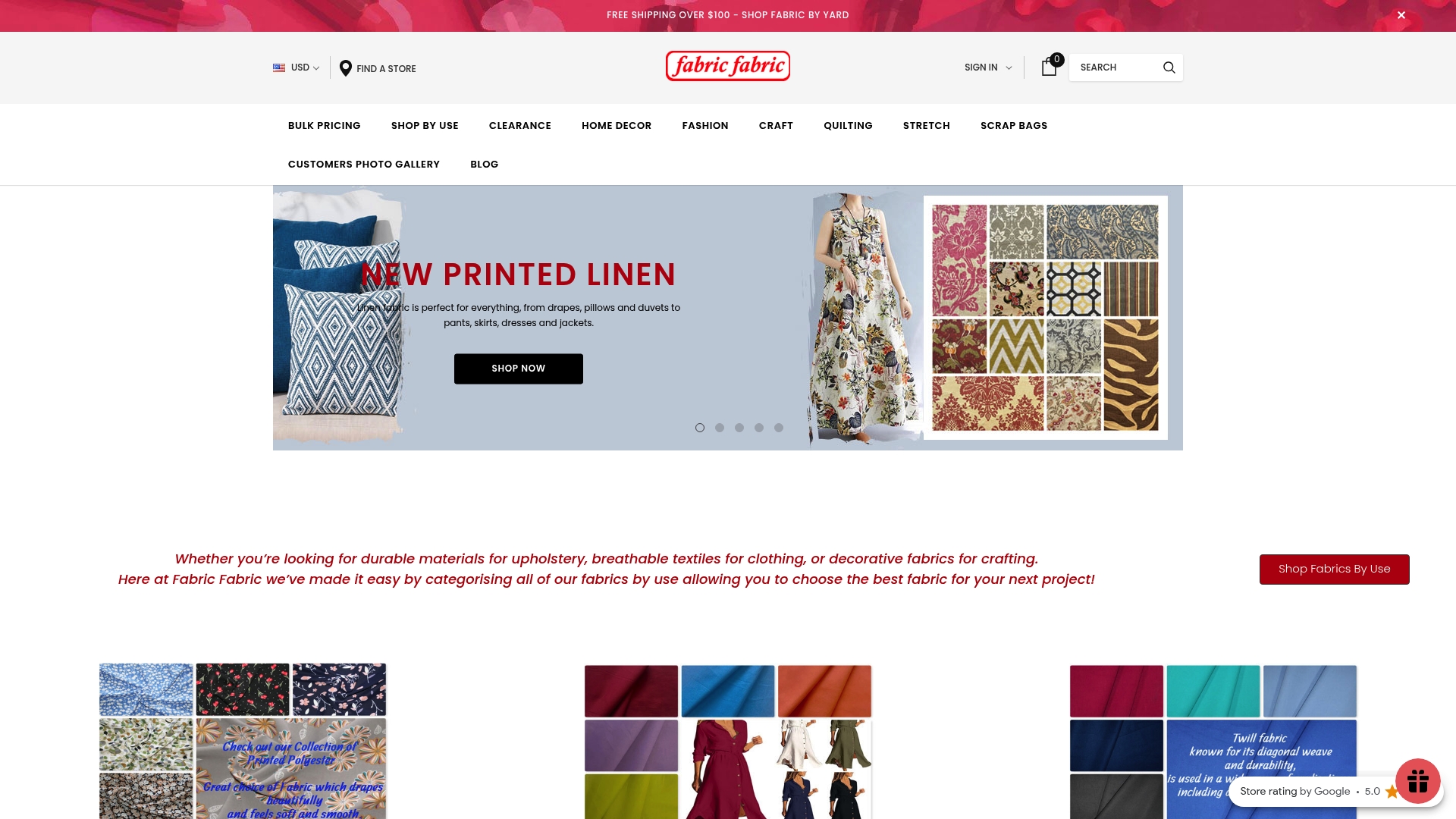
Start your fabric journey by exploring our versatile options on Fabric Fabric today. Take advantage of our user-friendly interface, sample ordering, and seasonal promotions to confidently select the right fabric that fits your vision and lifestyle. Don’t wait to bring your home decor ideas to life—visit Fabric Fabric now and discover how simple and rewarding fabric shopping can be.
To assess your home decor fabric needs, start by identifying the primary purpose of the fabric and the specific spaces it will be used in. Consider factors like durability for high-traffic areas and the presence of pets or children. Make a list of requirements for each space to guide your selection process.
Begin by measuring the dimensions of the items you will be covering, including length, width, and height for upholstery, or length and drop for curtains. Always add an extra 10-15% to your fabric calculations for pattern matching and potential mistakes. This ensures you have enough material for your project.
When selecting fabric types, compare characteristics like breathability, durability, and ease of maintenance. Consider how the fabric’s texture contributes to the overall aesthetic of your space, choosing softer materials for coziness or more durable options for high-traffic areas. Make a list of key benefits for each fabric type to simplify your decision.
To match fabric colors with your existing decor, analyze your current color palette, including walls and furniture elements. Use a color wheel to find complementary colors and make sure to test fabric samples in different lighting to see how they interact with your space. Keep in mind the 60-30-10 rule to maintain color balance throughout your design.
When testing fabric samples, check the grainline, weave quality, and texture to ensure they align with your needs. Evaluate how the fabric looks under various lighting conditions and how it complements your existing decor. Take notes on each sample’s characteristics to help you make a well-informed selection.
Before finalizing your fabric choice, closely inspect its weave, construction, and overall durability. Ensure that it fits your lifestyle needs, especially if you have pets or children who may affect the fabric’s longevity. Conduct a thorough touch test for consistency to confirm the fabric is well-constructed and suitable for your intended use.