

 Canadian Dollars

Difference Between Knit and Woven: Choosing the Right Fabric
Posted by BLG on 2026 Jan 12th
Posted by BLG on 2026 Jan 12th

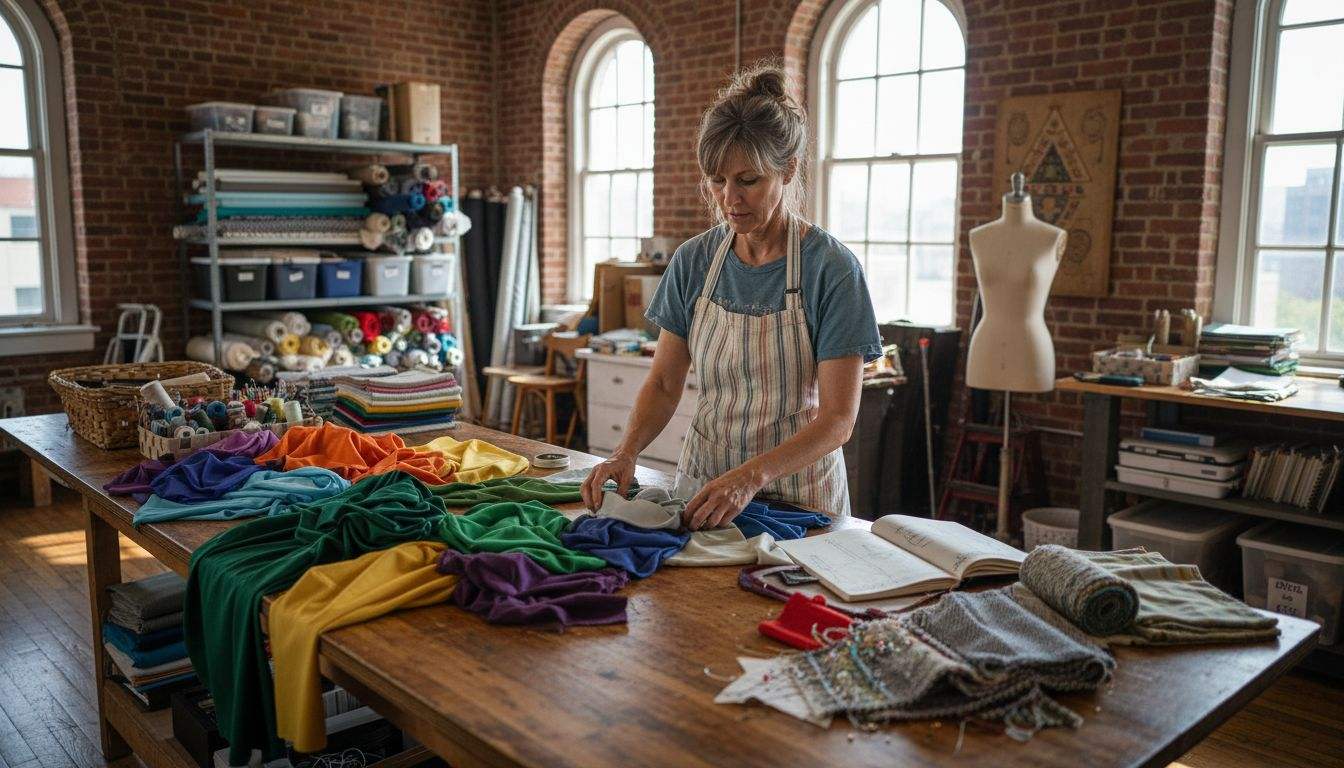
Most American home sewists discover that over 80 percent of garment-making success relies on choosing the right fabric type. Making sense of knit versus woven fabrics can feel confusing, yet this decision affects how your clothes hang, stretch, and last with every wash. By understanding the construction and characteristics of each, you can confidently select the perfect material for your next project and enjoy better results from your sewing machine.
| Point | Details |
|---|---|
| Understanding Fabric Types | Knit fabrics are stretchy and flexible, while woven fabrics are stable and structured, influencing garment fit and comfort. |
| Sewing Techniques | Use specialized needles and stitches for knits, while traditional methods work well for wovens to ensure durability and finish. |
| Fabric Selection Importance | Choose fabric based on project purpose, as knits suit casual wear, whereas wovens are better for tailored garments. |
| Performance Factors | Assess requirements such as durability, breathability, and drape to select the ideal fabric for your specific needs. |
Knit and woven fabrics represent two fundamental textile construction techniques that significantly impact a garment’s performance, comfort, and aesthetic. Fabric construction methods determine how yarns are interconnected, creating distinct characteristics that influence everything from clothing drape to stretch potential.
Knit Fabrics are created by interlocking continuous yarn loops, producing a flexible and elastic material. This unique construction method allows the fabric to stretch and recover, making knits ideal for comfortable, form-fitting clothing like t-shirts, activewear, and sweaters. The looped structure provides inherent give, allowing the fabric to move with the body and adapt to different shapes and movements.
Woven Fabrics, in contrast, are produced by interlacing two distinct yarn sets at right angles, creating a more stable and structured textile. This perpendicular weaving technique results in a less stretchy material with excellent durability and crisp appearance. Woven fabrics are typically used in tailored garments like suits, dress shirts, and structured pants, where maintaining a precise shape is crucial.
Pro tip: When selecting fabric for a sewing project, perform a simple stretch test by gently pulling the material to understand its knit or woven characteristics and predict how it will behave in your final garment.
Textile manufacturing reveals two distinctive approaches to fabric creation: knitted and woven construction methods that fundamentally transform yarn into functional materials. Textile construction techniques illustrate how different interlacement strategies produce dramatically different fabric characteristics.
Knit Construction involves creating continuous yarn loops that interconnect horizontally and vertically, generating a flexible lattice-like structure. These interlocked loops allow the fabric to stretch and recover, creating a dynamic material that can expand and contract. Picture each yarn as a series of connected arches, forming an elastic network that provides exceptional mobility and comfort for garments like athletic wear, t-shirts, and form-fitting clothing.
Woven Construction, by contrast, uses a more rigid perpendicular interlacement method where horizontal (weft) and vertical (warp) yarns cross at precise right angles. This systematic weaving creates a stable, structured fabric with minimal stretch. The perpendicular yarn intersection produces a dense, uniform surface that maintains its shape, making woven fabrics ideal for tailored suits, structured dresses, and professional attire that requires crisp, consistent lines.
Pro tip: When examining fabric construction, hold the material at a 45-degree angle and observe how it naturally drapes or resists movement to quickly distinguish between knit and woven techniques.
Fabric selection hinges on understanding the critical performance attributes that differentiate knit and woven textiles. Fabric performance characteristics reveal how construction methods dramatically influence a material’s functional properties.
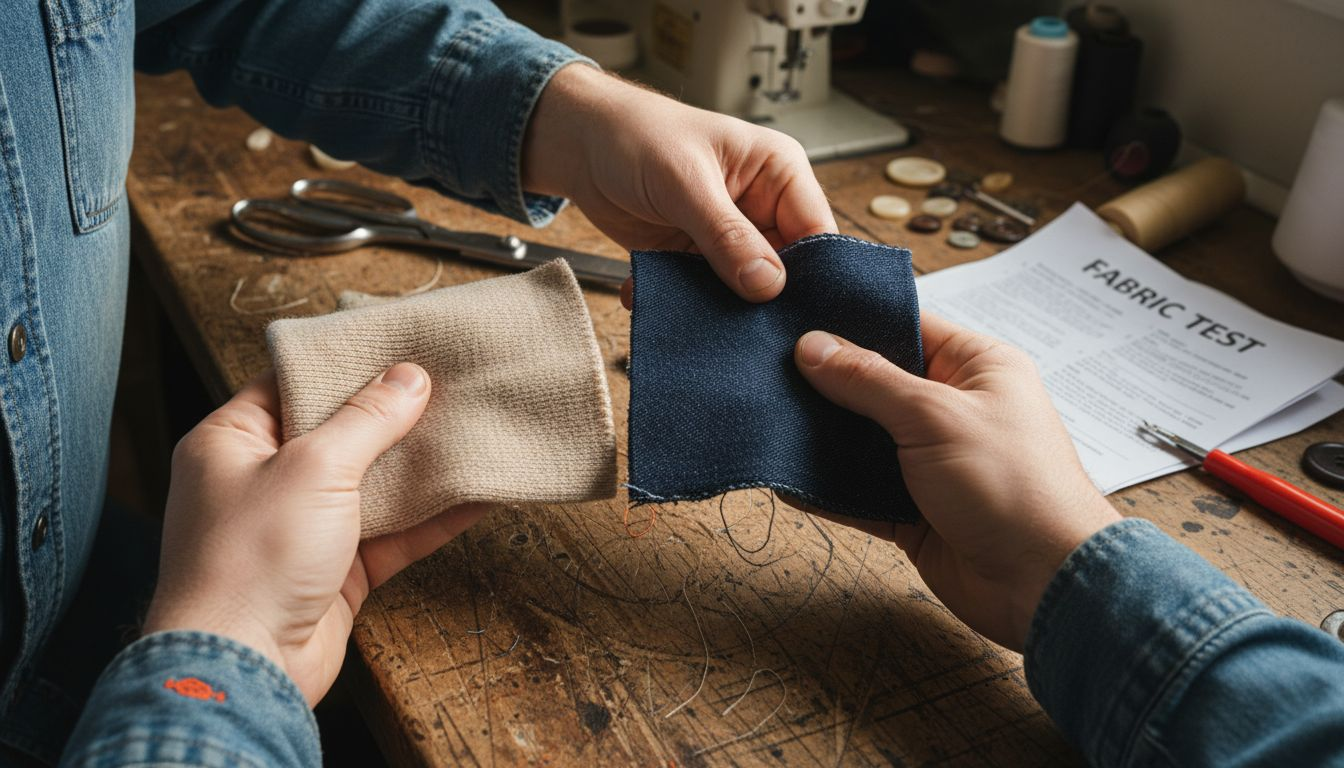
Stretch is perhaps the most immediate distinguishing characteristic between knit and woven fabrics. Knit fabrics offer exceptional elasticity, capable of stretching in multiple directions and quickly recovering their original shape. This inherent flexibility makes them ideal for activewear, athletic clothing, and form-fitting garments that require body-hugging comfort. Woven fabrics, by contrast, provide minimal stretch, maintaining a more structured silhouette that holds its shape with precision.
The concept of drape further illustrates the unique qualities of each fabric type. Knit fabrics typically exhibit a soft, fluid drape that gracefully follows body contours, creating gentle, flowing lines. Woven fabrics demonstrate a more rigid drape, holding a more defined and architectural shape that works exceptionally well for tailored suits, structured dresses, and professional attire that demands crisp, clean lines.
Durability presents another crucial differentiator between these fabric types. Woven fabrics generally offer superior wear resistance due to their tight, perpendicular yarn interlacement, which creates a more compact and stable structure. Knit fabrics, while wonderfully comfortable, can be more susceptible to snagging and wear, particularly those with more intricate loop configurations.
Pro tip: When assessing fabric durability, perform a gentle stretch test and examine the fabric’s recovery rate to predict its long-term performance in your specific project.
Here’s a quick comparison of common uses and maintenance tips for knit and woven fabrics:
| Aspect | Knit Fabrics | Woven Fabrics |
|---|---|---|
| Common Uses | T-shirts, leggings, activewear | Suits, dress shirts, trousers |
| Best Washing Method | Cold water, gentle cycle | Warm or cool water, standard cycle |
| Ironing Needs | Low heat, steam preferred | High heat, press firmly |
| Shrinkage Risk | Higher, due to stretch | Lower, but may wrinkle |
| Pilling Tendency | More prone, especially blends | Less prone, tighter weave |
Successful garment construction depends on understanding the unique sewing requirements for knit and woven fabric techniques. Each fabric type demands specialized approaches to ensure professional and durable results.
Knit Fabric Sewing Techniques require specific considerations to accommodate their inherent stretch and delicate loop structure. Sewists must use stretch stitches like zigzag or specialized serger stitches that allow fabric movement without breaking seams. Ballpoint or jersey needles are essential, as their rounded tips slip between fabric loops without damaging the material. Recommended techniques include using a walking foot, reducing presser foot tension, and selecting lightweight, flexible threads that move with the fabric’s natural elasticity.
Woven Fabric Sewing Techniques follow more traditional methods, offering greater stability during construction. Standard straight stitches work perfectly with woven materials, and universal needles can easily penetrate the tightly interlaced yarns. Sewists can use traditional seam finishing techniques like French seams, flat-felled seams, or standard serging to prevent fraying. The fabric’s rigid structure allows for precise cutting, accurate seam allowances, and crisp edges that hold their shape.
Pro tip: Always test your stitch and needle combination on a fabric scrap before starting your final project to ensure optimal performance and prevent potential sewing mishaps.
The table below summarizes key sewing considerations for both fabric types:
| Sewing Factor | Knit Fabrics | Woven Fabrics |
|---|---|---|
| Recommended Needle | Ballpoint or jersey | Universal or sharp |
| Stitch Type | Stretch, zigzag, serger | Straight, zigzag, French seams |
| Seam Finishing | Overlock, serge edges | Pinked, French, or flat-felled |
| Handling Difficulty | Easily stretches, watch for puckering | Holds shape, frays on cut edges |
Fabric selection is an art that requires careful consideration of project requirements and material characteristics. Fabric selection strategies can dramatically impact the success and functionality of your final garment.
Project Purpose plays a critical role in determining whether knit or woven fabrics are most appropriate. Athletic and casual wear demand high flexibility and comfort, making knit fabrics the ideal choice. These materials provide excellent stretch, allowing unrestricted movement and adapting seamlessly to body contours. Structured garments like business suits, formal dresses, and tailored pants require the crisp lines and shape retention of woven fabrics, which maintain their silhouette and provide a more polished appearance.
Garment Construction further influences fabric selection. Knit fabrics are forgiving for beginners, with their stretch allowing minor fitting imperfections to go unnoticed. They require specialized sewing techniques like stretch stitches and ballpoint needles. Woven fabrics demand more precise cutting and construction techniques, offering a professional finish for those with advanced sewing skills. The fabric’s stability allows for intricate tailoring, precise seam work, and complex design elements.
Performance Requirements should guide your final decision. Consider factors like breathability, weight, drape, and intended use. Performance activewear needs moisture-wicking knit fabrics with high stretch and recovery. Outdoor workwear might require durable woven materials with wind or water resistance. Understanding these nuanced differences ensures your chosen fabric meets both aesthetic and functional needs.
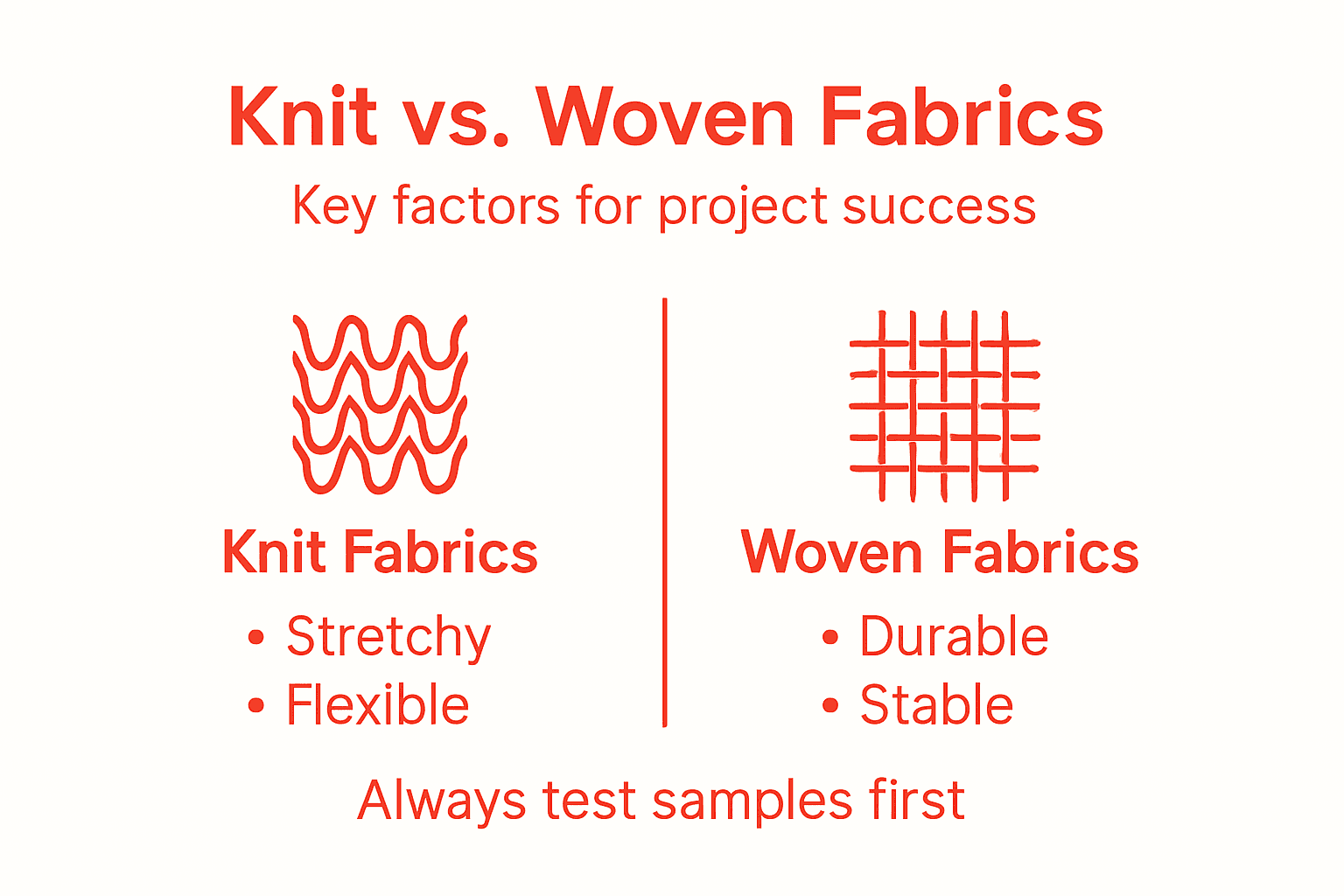
Pro tip: Always purchase a small fabric sample and perform a wear test to evaluate comfort, stretch, and performance before committing to a large project.
Choosing between knit and woven fabrics can feel overwhelming with all the stretch, drape, and durability differences to consider. Whether you want the stretchy comfort of knit for athletic wear or the structured elegance of woven for tailored garments, the right fabric makes all the difference for fit and function. Understanding concepts like fabric construction and sewing techniques empowers you to pick fabric that truly fits your creative vision and lifestyle needs.

Explore a handpicked selection of high-quality knit and woven fabrics at https://fabric-fabric.com. With detailed descriptions and expert insights, you can confidently shop for materials suited to apparel, crafts, or home décor. Don’t wait to transform your ideas into beautiful finished pieces—visit fabric-fabric.com now and take advantage of seasonal discounts and free shipping offers to start creating today!
Knit fabrics are created by interlocking yarn loops, allowing for stretch and flexibility, suitable for comfortable clothing. Woven fabrics are made by interlacing yarns at right angles, resulting in a more structured and durable textile with minimal stretch.
Use knit fabrics for projects requiring high flexibility and comfort, such as t-shirts, leggings, or activewear. Knit materials are ideal for garments that need to hug the body and allow for movement.
Knit fabrics should be washed in cold water on a gentle cycle to prevent wear and shrinkage. Woven fabrics can usually be washed in warm or cool water on a standard cycle, but they may wrinkle and benefit from ironing at a higher heat.
For knit fabrics, use stretch stitches like zigzag and ballpoint needles. For woven fabrics, standard straight stitches and universal needles are suitable, along with traditional seam finishing methods like French seams or serging.