

 Canadian Dollars

What is brocade: guide to luxurious fabric for crafters
Posted by BLG on 2026 Mar 5th
Posted by BLG on 2026 Mar 5th

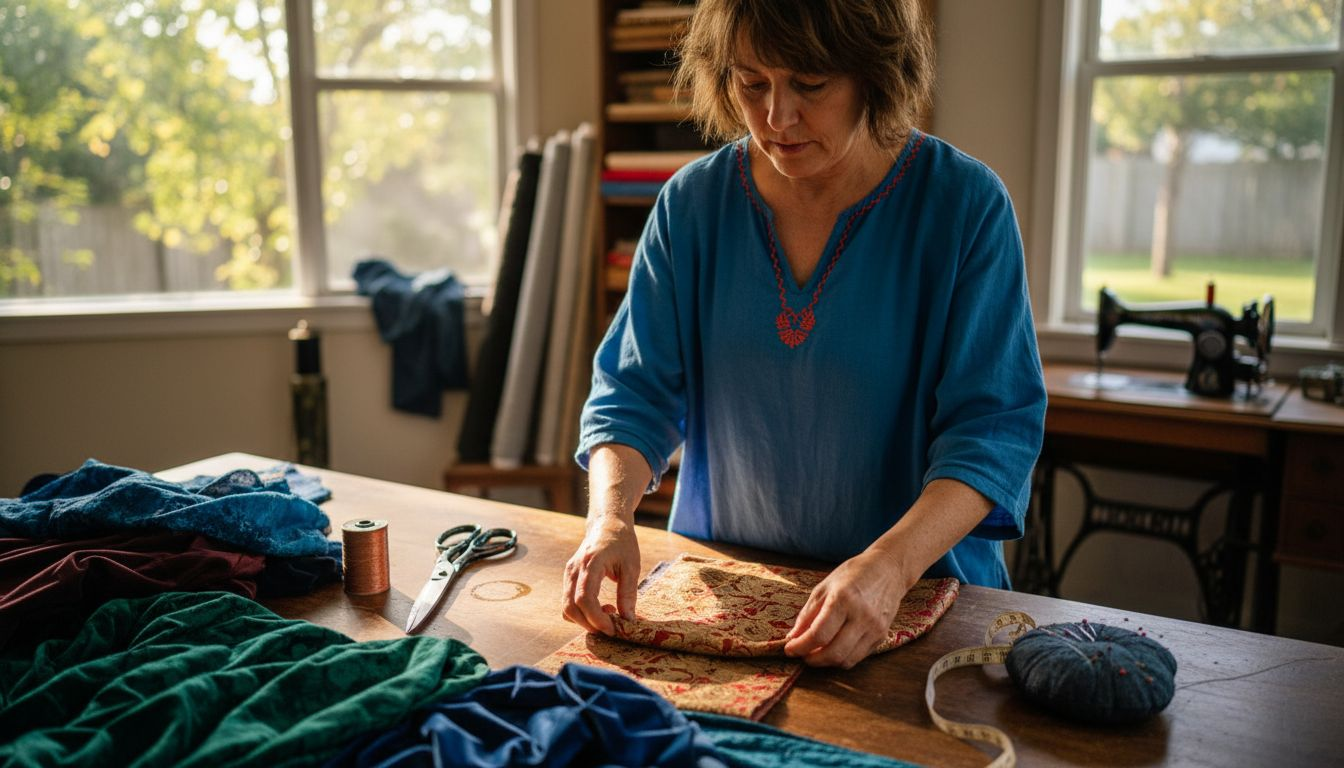
Many crafters mistakenly believe brocade is embroidered or printed fabric. The truth is that brocade’s stunning raised patterns come from a specialized weaving technique using supplementary weft threads integrated directly into the fabric structure. This guide clarifies what brocade truly is, how it differs from similar fabrics, and how you can confidently select and use it for upholstery, garments, and craft projects.
| Point | Details |
|---|---|
| Brocade is woven, not embroidered | Raised patterns are created during weaving using supplementary weft threads, not applied afterward. |
| Traditional and modern fibers | Historically made from silk and metallic threads, modern versions include cotton, rayon, and polyester blends. |
| Jacquard loom technology | Complex patterns are woven using jacquard looms that control individual warp threads. |
| Distinct from jacquard and damask | Jacquard refers to the loom, while brocade has raised patterns and damask features reversible flat designs. |
| Versatile applications | Ideal for upholstery, formal garments, and decorative crafts requiring durable, textured fabric. |
Brocade stands apart from ordinary decorative fabrics because its ornate designs are not printed or embroidered on top. Brocade is a richly decorative woven fabric known for its intricate, raised patterns created during weaving rather than printing or embroidery, often featuring floral, geometric, or historical motifs woven with supplementary weft threads. When you run your fingers across brocade, you feel the texture of the patterns rising from the fabric surface.
The raised effect comes from additional weft threads woven only where patterns appear. These supplementary threads create dimension and visual depth. You might see elaborate florals, geometric medallions, or historical motifs inspired by Byzantine or Asian design traditions.
Unlike embroidered fabric where thread is stitched onto a base material, brocade patterns are integral to the fabric structure itself. This makes brocade exceptionally durable for high-use applications. The heavyweight nature and luxurious appearance make it a favorite for projects demanding both beauty and strength.
Key characteristics include:
Explore our brocade fabric options to see these characteristics in person. For more technical background, this detailed brocade fabric guide explains the weaving process comprehensively.
Traditional brocade earns its luxury reputation through expensive materials. Historically, brocade was woven from silk and metallic threads such as gold and silver. These materials created the lustrous, shimmering finish associated with royal garments and palace furnishings. Silk provided smoothness and drape, while metallic threads added brilliant highlights that caught light.
Today’s brocade market offers more accessible options. Modern brocade incorporates synthetic fibers such as polyester and rayon, reducing cost and increasing durability. Cotton brocade provides breathability for garments. Polyester blends resist wrinkles and hold up well in upholstery applications.
Fiber composition directly affects how you use and care for brocade:
Fabric weight ranges between 200 and 600 grams per square meter. Heavier weights suit upholstery and structured garments. Lighter weights work for draped clothing or decorative accents. Understanding fabric blends helps you match fiber content to your project needs.
Pro Tip: Check fiber content labels before purchasing. Synthetic blends cost less and clean easier than pure silk, making them practical for craft projects and everyday upholstery.
When selecting brocade, consider your project’s functional requirements alongside aesthetic preferences. Learn how to identify brocade quality by examining fiber content and weave structure. More details on brocade fiber composition clarify how different materials affect performance.
Brocade’s signature raised patterns emerge from a specific weaving technique that sets it apart from printed or embroidered fabrics. The key weaving process for brocade involves jacquard looms enabling complex, supplementary weft threads to form raised ornamental patterns integrated into the fabric. These looms control each warp thread individually, allowing weavers to create intricate designs impossible on simpler looms.
The process works through precise steps:
This integration makes brocade patterns permanent and durable. Unlike embroidery that can snag or pull away, woven patterns withstand repeated use and washing. The supplementary weft technique also allows metallic threads to appear only in design elements, reducing material cost while maximizing visual impact.
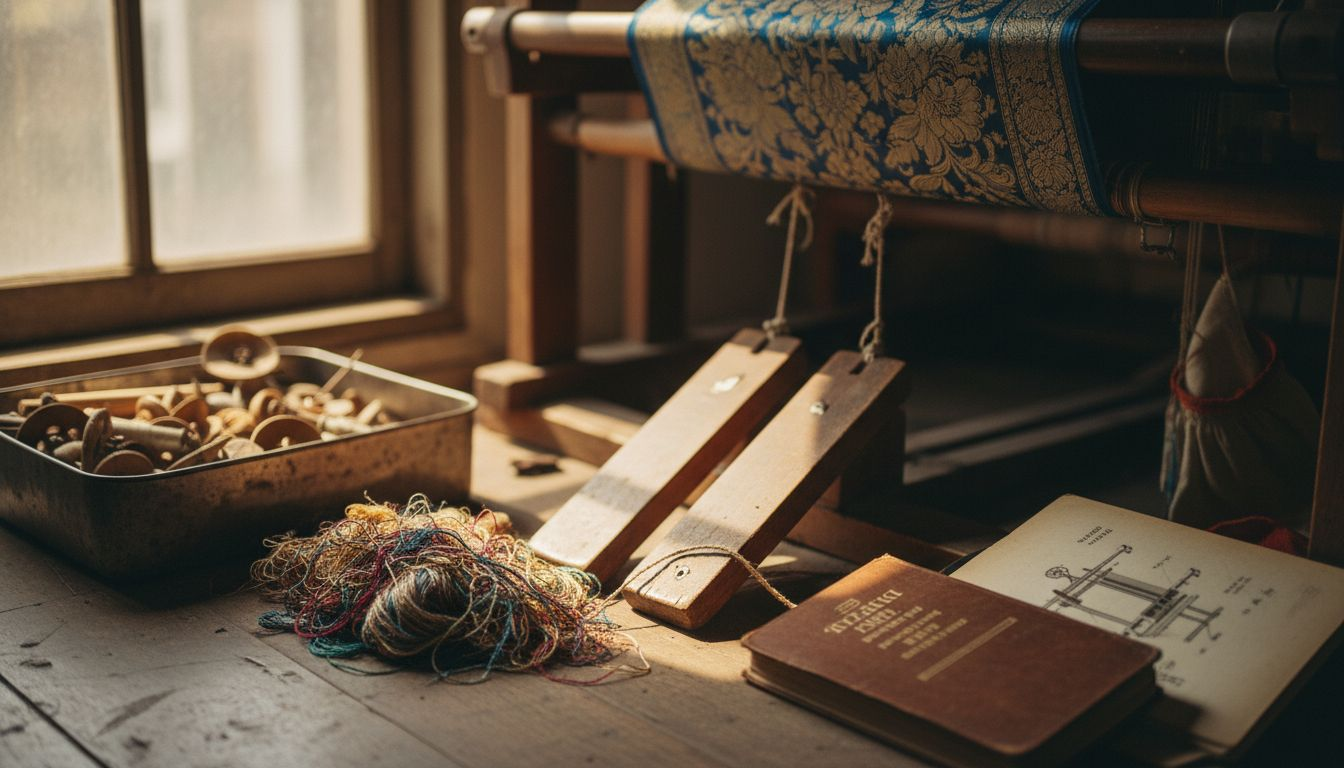
Understanding the jacquard weaving process helps you appreciate why brocade costs more than printed fabric. Each pattern requires careful programming of the loom mechanism. For deeper insight into how jacquard fabric explained differs from other weaving methods, explore the technical distinctions. Additional technical details on the brocade weaving process reveal the complexity behind this luxurious textile.
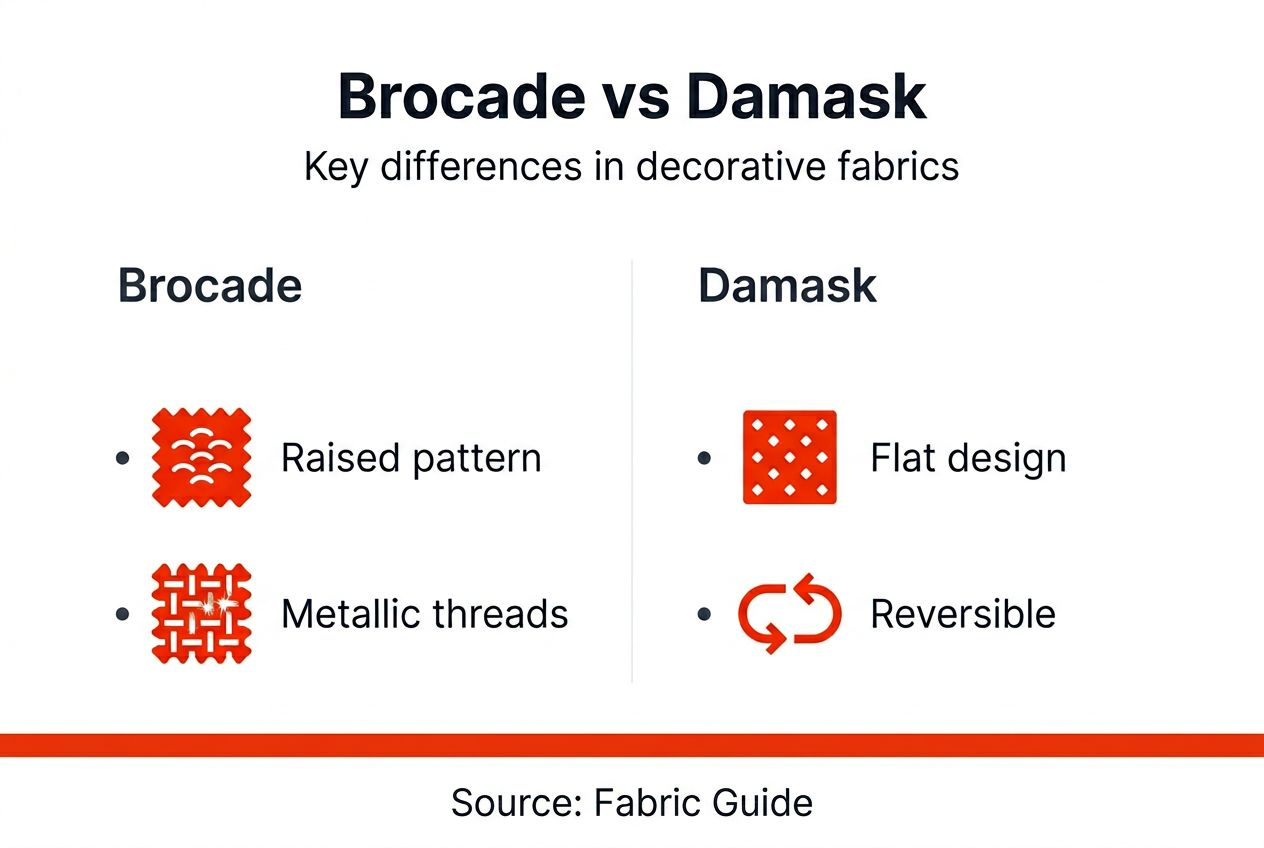
Crafters often confuse brocade with related fabrics because they share visual richness and complex patterns. Understanding the differences prevents costly purchasing mistakes. Brocade is a type of jacquard fabric with raised supplementary weft patterns, while jacquard refers to the loom technology; damask patterns are reversible and usually flat.
Jacquard is the computerized loom that makes intricate weaving possible, not a fabric type itself. Many fabrics are woven on jacquard looms, including brocade, damask, and tapestry. Brocade specifically uses supplementary weft threads to create raised, textured patterns that often incorporate metallic elements.
Damask also uses jacquard weaving but produces flat, reversible patterns. Both sides of damask fabric show the design, just in inverted colors. Brocade patterns appear primarily on the face side with loose threads visible on the back. Damask feels smoother and flatter than brocade’s textured surface.
| Feature | Brocade | Jacquard | Damask |
|---|---|---|---|
| Definition | Fabric type with raised patterns | Loom technology | Fabric type with flat patterns |
| Pattern texture | Raised and textured | Varies by fabric type | Flat and smooth |
| Reversibility | One decorative side | Varies by fabric type | Both sides show pattern |
| Supplementary threads | Yes, creates raised effect | Depends on fabric | No, uses single weft |
| Typical weight | Heavy to very heavy | Varies widely | Medium to heavy |
| Common uses | Upholstery, formal wear | Various fabric types | Table linens, drapery |
Recognizing these distinctions helps you select appropriate fabric for your project. Brocade fabric explained in detail shows practical applications. For technical comparisons, see brocade vs jacquard specifications.
Brocade’s unique combination of beauty and durability opens diverse project possibilities. Brocade’s heaviness and durability suit upholstery use; it is popular for formal wear and decorative crafts requiring structured fabric and special sewing tools. The weight that makes brocade challenging for casual garments becomes an asset for furniture and home decor.
Upholstery applications take full advantage of brocade’s strength. Sofas, armchairs, ottomans, and cushions benefit from fabric that resists wear while adding visual interest. The raised patterns create texture that enhances traditional and eclectic interior styles. Drapery and curtains gain body and elegant draping from brocade’s substantial weight.
Formal garment making showcases brocade’s luxurious appearance. Evening gowns, jackets, vests, and ceremonial costumes gain structure and presence from this fabric. The material holds shape without extensive interfacing. Historical costumers favor brocade for period accuracy in Renaissance, Victorian, and Asian-inspired designs.
Craft projects benefit from brocade’s ornate look:
Pro Tip: Use size 90/14 or 100/16 universal needles when sewing brocade. Sharp or microtex needles penetrate thick fabric cleanly. Test stitch length and tension on scraps before starting your project.
Discover brocade applications for inspiration. Find suitable materials for crafting with brocade projects. Detailed brocade sewing tips help you handle this beautiful but challenging fabric successfully.
Proper care preserves brocade’s raised patterns and lustrous finish for years. Gentle washing or professional dry cleaning is recommended for brocade, especially with silk or metallic fibers; avoid harsh chemicals and store properly to maintain raised patterns. Your care approach depends on fiber content and metallic thread presence.
Dry cleaning works best for silk brocade and fabrics with metallic threads. Professional cleaners use solvents that clean without water damage or tarnishing. If your brocade contains only cotton or synthetic fibers without metallic elements, gentle hand washing becomes possible.
Washing guidelines for washable brocade:
Storage requires attention to preserve texture. Fold brocade loosely or roll around a padded tube to prevent permanent creases in raised patterns. Avoid plastic bags that trap moisture and encourage mildew. Store in breathable fabric bags or acid free tissue paper in cool, dry locations.
Bleach and harsh stain removers damage both fibers and metallic threads. Spot clean stains immediately with gentle dabbing rather than rubbing. For valuable or antique brocade, always consult professional textile conservators. Understanding brocade fabric care prevents damage. Review comprehensive brocade care instructions for specific scenarios.
Several persistent myths confuse crafters shopping for brocade. Brocade patterns are woven, not embroidered or printed; brocade and jacquard are not synonymous; brocade is typically heavyweight and structured. Clearing these misunderstandings helps you make informed fabric choices.
The most common error is assuming brocade is embroidered. People see raised patterns and conclude threads were stitched on afterward. In reality, brocade patterns form during the weaving process itself. Supplementary weft threads integrate into the fabric structure, making patterns permanent and durable.
Another confusion involves jacquard terminology. Jacquard refers to the loom technology, not the fabric. Saying “I bought jacquard fabric” is vague because many different fabrics use jacquard looms. Brocade, damask, matelassé, and tapestry all qualify as jacquard-woven fabrics but have distinct characteristics.
Common misconceptions include:
Modern synthetic brocades offer excellent value for craft projects and everyday upholstery. They lack the prestige of silk but provide durability and easier care. Weight varies by construction, but most brocade remains substantially heavier than quilting cotton or jersey knit.
Correct these brocade misconceptions before purchasing. Addressing common brocade misconceptions ensures you select appropriate fabric for your specific project needs.
Ready to work with genuine brocade fabric? We offer carefully curated selections perfect for upholstery, garments, and decorative crafts. Explore our brocade fabric selection featuring traditional and contemporary patterns in various fiber blends. Each listing includes detailed specifications to help you choose confidently.
Our home decor fabric options include heavyweight brocades ideal for furniture and drapery projects. Find complementary materials and coordinating solids to complete your vision. Whether you’re creating formal garments, refreshing vintage furniture, or crafting unique decorative items, quality brocade elevates your work. Browse all fabrics to discover the perfect match for your next project.
Look for raised woven patterns created by supplementary weft threads integrated during weaving. Run your fingers across the fabric surface to feel textured patterns rising above the base. Check the reverse side for loose thread ends or floats where supplementary wefts appear only on the face. Learn to identify authentic brocade through these tactile and visual clues.
Brocade works best for special occasion garments like evening wear, jackets, and vests rather than casual everyday clothing. The heavyweight nature provides excellent structure but can feel stiff and warm for daily wear. If you want to use brocade for garments, choose lighter weights and plan for full linings to improve comfort.
Prefer dry cleaning for delicate silk or metallic brocade blends to prevent fiber damage and thread tarnish. If washing cotton or synthetic brocade, use cold water with gentle detergent and avoid wringing. Store brocade folded loosely or rolled with padding to prevent crushing raised patterns. Review brocade fabric care tips for specific cleaning methods based on fiber content.
Brocade features raised, textured patterns created by supplementary weft threads, often with metallic accents. Damask produces flat, reversible patterns using a single weft thread system where both fabric sides show the design in inverted colors. Brocade feels heavier and more textured, while damask remains smoother and more uniform. Both use jacquard loom technology but create distinctly different fabric characteristics.
Yes, brocade’s heavyweight construction and durability make it excellent for upholstery applications. The fabric resists wear on sofas, chairs, ottomans, and cushions while adding visual elegance. Choose brocade with synthetic fiber blends for improved stain resistance and easier maintenance in high-use furniture. The raised patterns add texture and depth that enhance traditional and eclectic interior design styles.