

 US Dollar

Understanding What is Brocade Fabric and Its Uses
Posted by BLG on 2025 Oct 12th
Posted by BLG on 2025 Oct 12th

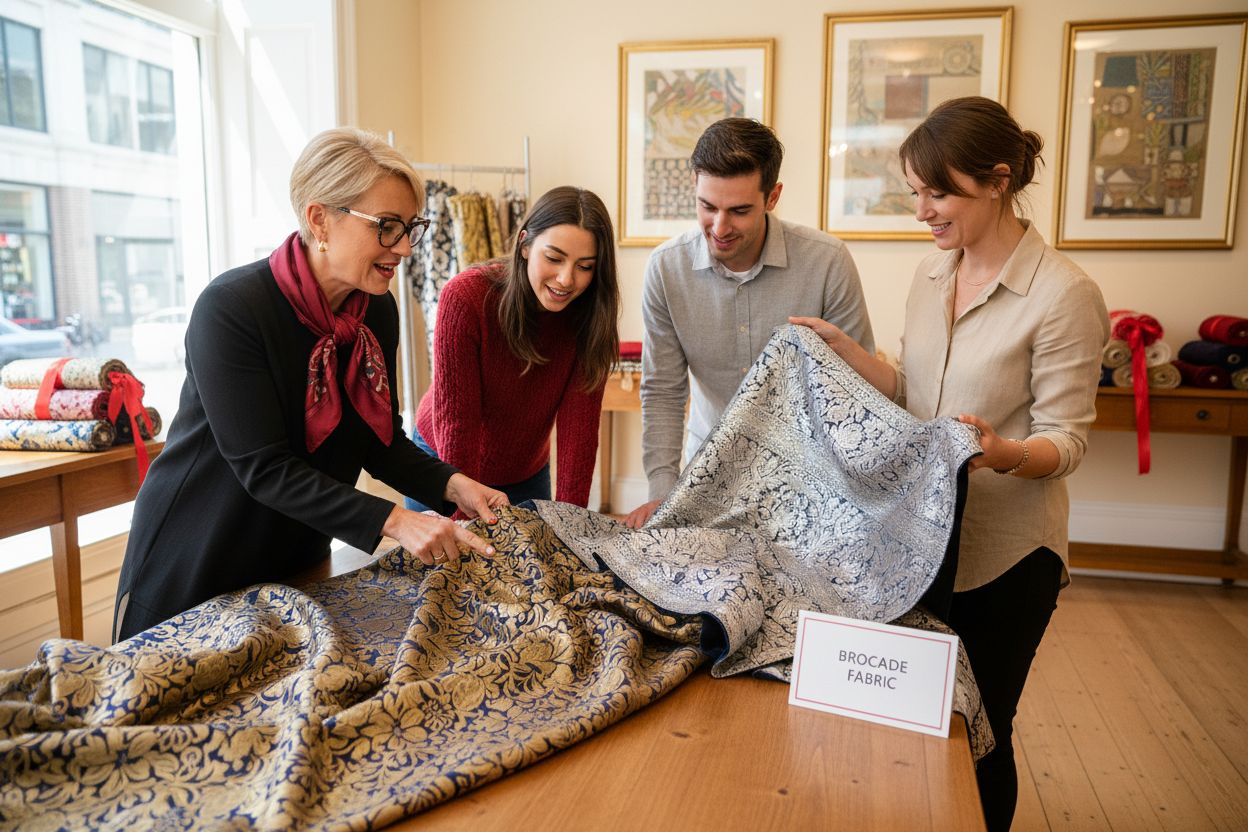
Brocade fabric has dazzled for centuries with its raised patterns and luxurious feel that once marked the status of royals and nobles. Yet most people never realize just how complex this textile is. Some brocade designs can contain over a dozen different thread colors woven together in a single pattern. Surprisingly, what makes brocade truly special is not just its rich look or history but its modern ability to reinvent itself in everything from runway fashion to dramatic interior design.
| Takeaway | Explanation |
|---|---|
| Brocade features unique raised patterns | The fabric’s intricate designs create a three-dimensional surface that enhances visual appeal. |
| Traditionally made from luxurious silk | While modern fibers are used, silk brocade remains the most prestigious for its elegance and sheen. |
| Versatile for fashion and interior design | Brocade’s textural complexity makes it suitable for high-end garments and sophisticated home decor elements. |
| Historically symbolizes wealth and status | Brocade fabrics were used by nobility to signify social hierarchy and political authority in ancient cultures. |
| Evolving with contemporary design trends | Modern designers incorporate brocade in innovative ways, bridging tradition with cutting-edge aesthetics. |
Brocade fabric represents a sophisticated textile with a rich history of intricate weaving techniques that transform ordinary cloth into extraordinary visual masterpieces. At its core, brocade is a decorative fabric characterized by raised, interwoven patterns that create a textured, almost three dimensional surface. Unlike standard flat textiles, brocade features elaborate designs that seem to emerge from the fabric itself, making it a prized material for special occasions and high end garments.
The creation of brocade involves a complex weaving method where additional threads are skillfully integrated into the base fabric during production. Weavers use specialized looms that allow supplementary weft or warp threads to be added, creating raised, ornamental patterns that stand out from the foundational textile. This intricate technique allows for multiple thread colors and textures to be seamlessly incorporated, resulting in stunning visual designs that can range from subtle geometric patterns to elaborate floral and architectural motifs.
Traditionally, brocade was woven using silk, which provided a luxurious sheen and delicate texture. According to textile research from the Metropolitan Museum of Art, historical brocade fabrics often represented significant cultural and social status, with complex patterns indicating wealth and social standing.
Brocade fabric transcends mere aesthetic appeal, serving as a textile that bridges historical craftsmanship with modern design sensibilities. Its versatility allows it to be used in various contexts from haute couture fashion to interior design elements. Contemporary designers appreciate brocade for its ability to add dramatic texture and visual complexity to garments and home decor.
Key characteristics that make brocade unique include:
While traditional brocade was exclusively handwoven, modern manufacturing techniques now allow for more accessible production, enabling wider use across fashion and design industries. The fabric continues to evolve, with designers experimenting with innovative materials and weaving techniques that honor its rich textile heritage while pushing creative boundaries.
Brocade fabric represents more than a mere textile material it embodies a profound narrative of human cultural expression, trade, and artistic innovation across multiple civilizations. From ancient royal courts to intricate trade routes, brocade has been a powerful symbol of wealth, status, and artistic achievement throughout global history.
The origins of brocade can be traced back to the complex trading networks of the Silk Road, where sophisticated textile techniques emerged as a hallmark of advanced civilizations. According to historical research from the Textile Museum, early brocade production was concentrated in regions like China, Persia, and India, where skilled artisans developed intricate weaving methods that transformed simple threads into elaborate narrative textiles.
Early brocade fabrics were not merely decorative but served as powerful cultural artifacts. Emperors and nobility used these textiles to communicate social hierarchy, with specific patterns and colors signaling rank, lineage, and political authority. The complexity of a brocade design often indicated the weaver’s skill and the wearer’s social standing.
As trade routes expanded, brocade became a critical medium of cultural exchange. European merchants and diplomats encountered these extraordinary textiles and became fascinated by their intricate designs and superior craftsmanship. The fabric’s journey across continents transformed it from a regional craft to a globally recognized symbol of luxury and artistic achievement.
Key historical significance of brocade includes:
The transmission of brocade techniques represented more than textile production it was a form of soft diplomacy, where cultural knowledge and artistic traditions were shared and celebrated. Royal courts and wealthy merchants became passionate collectors and commissioners of these extraordinary fabrics, recognizing their value far beyond mere clothing or decoration.
Brocade fabric distinguishes itself through a unique combination of intricate design, specialized manufacturing techniques, and diverse material composition. Its complexity goes far beyond standard textile production, representing a sophisticated approach to creating visually stunning and structurally remarkable fabrics.
According to textile research from the Textile School, brocade fabrics can be crafted from multiple fiber types, including traditional silk, contemporary polyester, rayon, and sophisticated blended materials. The fiber selection significantly influences the fabric’s texture, durability, and overall aesthetic appeal. Silk remains the most prestigious material, offering a luxurious sheen and delicate drape that synthetic fibers struggle to replicate.
Modern brocade production has expanded fiber options, allowing designers greater flexibility in creating fabrics with specific performance characteristics.
To help compare the traditional and modern materials used for brocade fabric, the following table summarizes the key characteristics, advantages, and notable uses of each material as discussed in the article.
| Material Type | Key Characteristics | Advantages | Notable Uses |
|---|---|---|---|
| Silk | Luxurious sheen, soft drape, traditional | Prestigious, elegant, delicate texture | High-end garments, ceremonial wear, luxury decor |
| Polyester | Durable, easy maintenance | Cost-effective, strong, versatile | Contemporary fashion, accessible home furnishings |
| Rayon | Soft texture, good drape | Affordable, natural feel | Drapery, accent pieces, mid-range fashion |
| Blended Materials | Combines fibers for performance and style | Customizable balance of traits | Innovative fashion, modern upholstery |
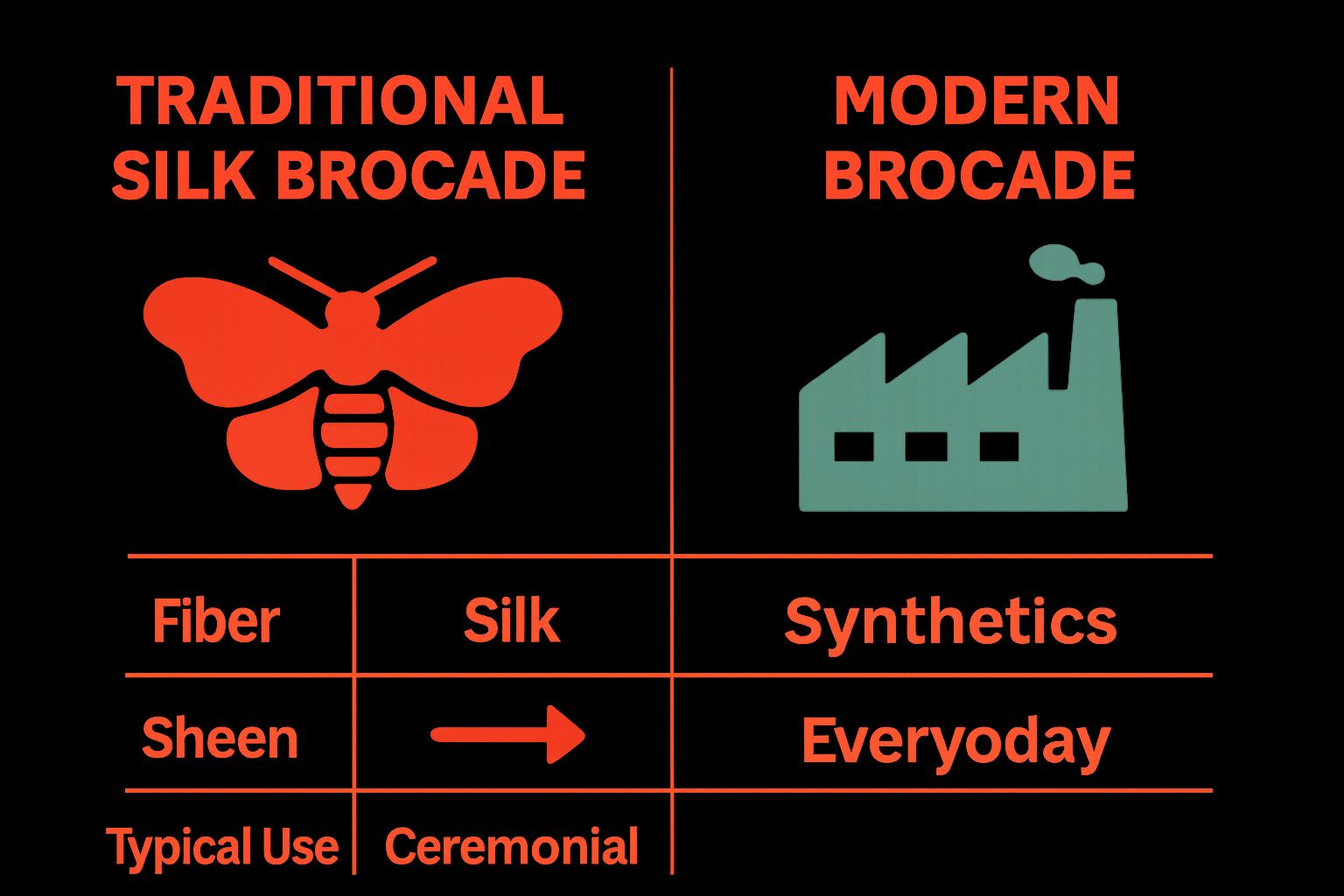 Synthetic fibers like polyester provide enhanced durability and easier maintenance, while natural fibers offer unparalleled elegance and traditional authenticity.
The defining feature of brocade fabric is its raised, embossed pattern created through specialized weaving techniques. Unlike flat textiles, brocade features supplementary threads that are meticulously woven into the base fabric, creating three dimensional designs that appear to emerge from the surface. This intricate process allows for extraordinarily complex visual patterns ranging from geometric configurations to elaborate representational imagery.
Key characteristics of brocade fabric include:
The structural complexity of brocade fabric requires exceptional weaving skill, traditionally performed on specialized jacquard looms. These sophisticated machines enable weavers to create patterns that would be impossible through standard textile manufacturing processes.
The following table highlights the main design and structural features that distinguish brocade fabric, assisting in quickly identifying what sets this textile apart from others.
| Feature/Characteristic | Description |
|---|---|
| Raised Pattern | Three-dimensional surface created by supplementary threads |
| Multi-Color Capabilities | Multiple thread colors integrated into complex patterns |
| Potential for Metallic Threads | Addition of gold, silver, or other metallic fibers |
| Multi-Layered Construction | Base fabric with extra decorative thread layers |
| Requires Specialized Looms | Often produced on jacquard or advanced looms |
| Intricate Pattern Detail | Capable of very fine, detailed, and elaborate motifs |
| Varied Fiber Composition | Can use silk, polyester, rayon, or blended fibers |
| Contemporary production techniques have expanded these possibilities, allowing for even more innovative and complex fabric designs that honor traditional craftsmanship while embracing modern technological capabilities. |
Brocade fabric transcends traditional textile boundaries, offering designers and creators a versatile medium that combines aesthetic sophistication with remarkable functional potential. Its unique structural characteristics make it an exceptional choice across multiple design disciplines, from haute couture fashion to intricate interior design elements.
According to fashion design research from Parsons School of Design, brocade fabric has long been a cornerstone of ceremonial and high end fashion. Designers leverage its textural complexity to create garments that communicate luxury, historical depth, and artistic vision. Evening gowns, ceremonial jackets, and formal wear frequently incorporate brocade to generate visual drama and convey a sense of timeless elegance.
Contemporary fashion designers appreciate brocade for its ability to transform simple silhouettes into extraordinary statements. The fabric’s raised patterns and potential for metallic thread integration allow for sculptural garment designs that blur the lines between textile and art.
Beyond fashion, brocade plays a critical role in interior design environments. Upholstery, drapery, and decorative accent pieces benefit from the fabric’s rich texture and visual depth. Designers strategically use brocade to create focal points within spaces, adding layers of visual complexity to rooms that demand sophisticated aesthetic treatment.
Key design applications of brocade include:
The versatility of brocade allows designers to bridge historical craft traditions with contemporary design sensibilities. Its capacity to communicate both cultural heritage and modern aesthetic preferences makes it an invaluable tool for creative professionals seeking to infuse depth and narrative into their design projects. Whether used sparingly as an accent or embraced as a dominant design element, brocade continues to inspire innovative design approaches across multiple creative disciplines.
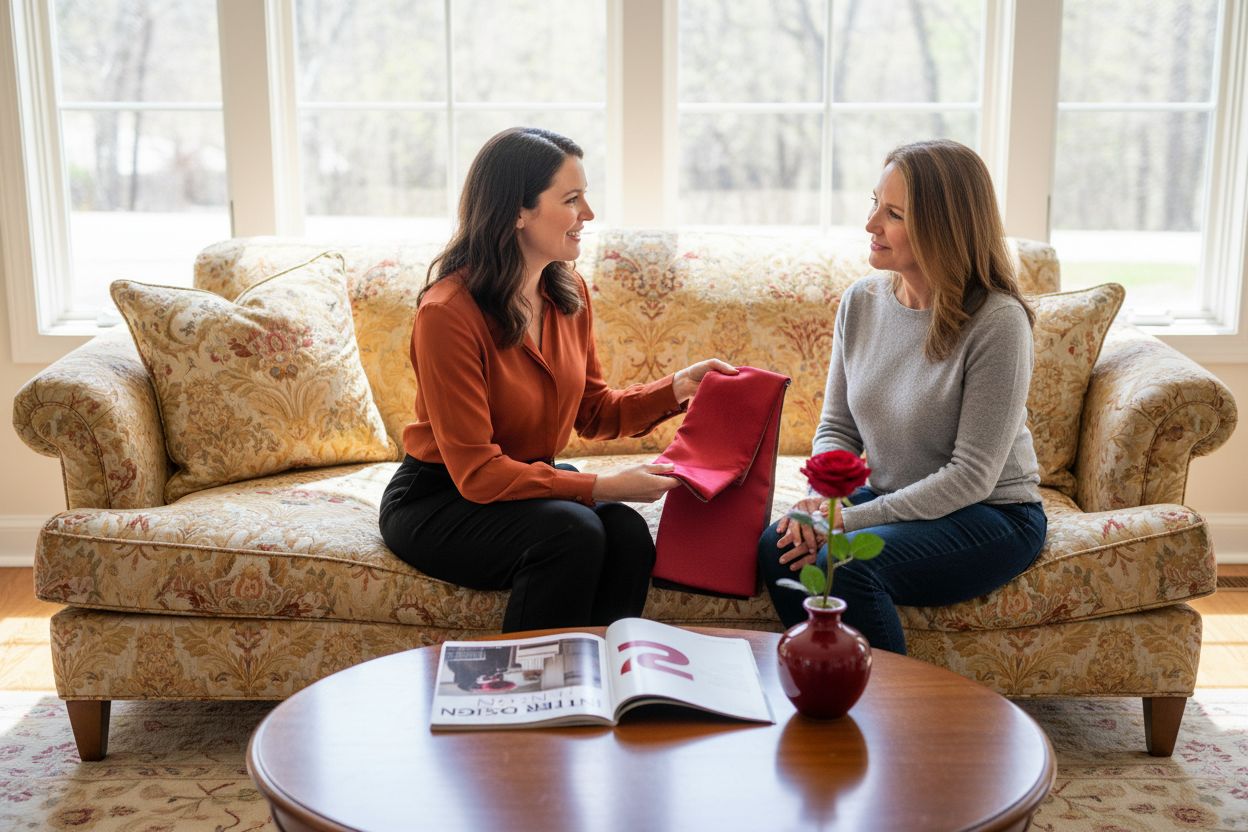
Modern designers have reimagined brocade fabric, transforming its traditional aesthetic into a contemporary canvas for creative expression. By blending historical craftsmanship with cutting edge design principles, brocade has evolved from a purely ceremonial textile to a dynamic medium that speaks to current design sensibilities.
According to design trends reported by Vogue Magazine, contemporary fashion designers are strategically incorporating brocade to create dramatic visual statements. The fabric’s intricate patterns and textural complexity allow designers to craft garments that challenge traditional silhouettes, merging historical textile techniques with modern architectural design approaches.
Innovative fashion brands are experimenting with brocade by deconstructing traditional patterns, using unexpected color combinations, and applying the fabric in unconventional contexts. This approach transforms brocade from a formal, restrictive textile to a versatile design element that can communicate both elegance and avant garde creativity.
In interior design, brocade has transcended its traditional role of ornate upholstery. Designers now use brocade as a dynamic design element, creating spaces that blend texture, color, and historical narrative. Modern interior applications range from minimalist accent pieces to bold, immersive environmental designs that use brocade’s complex patterns to generate visual depth and emotional resonance.
Key contemporary applications of brocade include:
The ongoing evolution of brocade demonstrates its remarkable adaptability. By respecting its rich historical legacy while embracing technological innovation and contemporary design philosophies, brocade continues to prove itself as a textile that can simultaneously honor tradition and push creative boundaries. Designers across multiple disciplines recognize brocade as more than a fabric it is a storytelling medium capable of communicating complex visual narratives.
Are you inspired by the raised patterns and luxury of brocade fabric, but unsure where to find authentic material for your next design? Many creators and professionals struggle to source the right fabric that truly brings out the texture, complexity, and elegance described in our article. Whether you are searching for the perfect look for apparel, home decor, or craft applications, settling for basic textiles can leave your project looking flat and uninspired.
Transform your ideas into stunning reality today. Visit Fabric-Fabric.com and browse our wide selection of specialty textiles, including dazzling brocades and other rich materials like satin and lace. Each product listing features detailed descriptions and suggestions so you can pick the perfect fabric with confidence. Experience the tactile difference that only true quality textiles offer. Shop now and take advantage of our exclusive promotions and fast shipping before our top picks are gone.
Brocade fabric is a decorative textile characterized by raised, interwoven patterns that create a textured surface. To explore its unique features, consider examining samples to appreciate its intricate designs and luxurious feel.
Brocade is produced through a complex weaving technique that integrates additional threads into the base fabric, resulting in embossed patterns. To understand the process better, watch online tutorials that illustrate the weaving techniques used in brocade production.
Brocade fabric is commonly used in high-end fashion, upholstery, drapery, and home decor. If you’re planning a design project, consider using brocade for evening gowns or decorative accent pieces to achieve a sophisticated look.
Using brocade in fashion design offers a luxurious texture and the ability to create dramatic visual statements. To maximize its impact, incorporate brocade into key garments like formal wear, ensuring that the fabric’s intricate patterns are showcased.
Brocade fabric can enhance interior design by adding rich texture and visual complexity to various elements such as upholstery and curtains. To effectively use brocade in your space, choose bold patterns for focal pieces that draw attention and create ambiance.
Brocade fabric can be made from various materials like silk, polyester, and rayon, each offering different textures and durability. To find the best option for your project, compare the qualities of each fiber type before making a decision.