

 US Dollar

Step-by-step fabric ordering guide for sewing projects
Posted by BLG on 2026 Mar 22nd
Posted by BLG on 2026 Mar 22nd


Ordering fabric online can feel overwhelming when you’re unsure about fabric types, quantities, or quality. Many sewers and crafters hesitate, worried about receiving materials that don’t match their vision or project needs. This guide walks you through a clear, actionable process to confidently order the right fabric every time. You’ll learn how to prepare thoroughly, execute your order accurately, and verify that what arrives meets your expectations. By following these structured steps, you’ll transform online fabric shopping from a frustrating guessing game into a reliable, repeatable system that delivers exactly what your projects demand.
| Point | Details |
|---|---|
| Fabric selection and quantity | Identify your project type and fabric properties to accurately estimate yardage before ordering. |
| Step by step ordering | Follow a structured sequence from measurement through checkout to minimize errors and delays. |
| Verify on arrival | Confirm the delivered fabric matches the ordered specifications and project needs. |
| Swatches and supplier research | Order swatches and research suppliers to avoid unsuitable materials and costly mistakes. |
Successful fabric ordering starts long before you click the checkout button. You need to understand your project requirements deeply and match them to appropriate fabric characteristics. Start by identifying your project type: are you quilting, making apparel, creating home decor, or upholstering furniture? Each application demands different fabric properties.
Research fabric types that suit your specific needs. Cotton works beautifully for quilting but may lack the drape needed for flowing garments. Velvet adds luxury to upholstery but requires special handling. Linen breathes well for summer clothing but wrinkles easily. Understanding fiber content, weight, texture, and weave helps you narrow choices before browsing supplier catalogs.
Gather your measurement tools: a quality measuring tape, calculator, and possibly fabric calculator apps. Create a detailed checklist covering color requirements, pattern preferences, durability needs, and care instructions. Will this fabric need frequent washing? Does it need to withstand heavy use? Knowing your project requirements and fabric characteristics before ordering greatly improves satisfaction with the final product.
Familiarize yourself with supplier terminology. Yardage refers to length, while width varies by fabric type. Pattern repeat indicates how often a design repeats, crucial for matching prints. Bolt width typically ranges from 44 to 60 inches for apparel fabrics, but home decor fabrics often come wider.
| Fabric Type | Best Uses | Pros | Cons |
|---|---|---|---|
| Cotton | Quilting, casual wear, crafts | Easy to work with, washable, breathable | Wrinkles easily, may shrink |
| Linen | Summer clothing, table linens | Breathable, durable, natural texture | Wrinkles significantly, expensive |
| Velvet | Upholstery, formal wear, curtains | Luxurious feel, rich appearance | Difficult to sew, shows marks |
| Satin | Evening wear, linings, decor | Smooth, lustrous, drapes well | Slippery, frays easily, delicate |
| Canvas | Bags, outdoor items, upholstery | Very durable, holds shape | Stiff, heavy, limited drape |
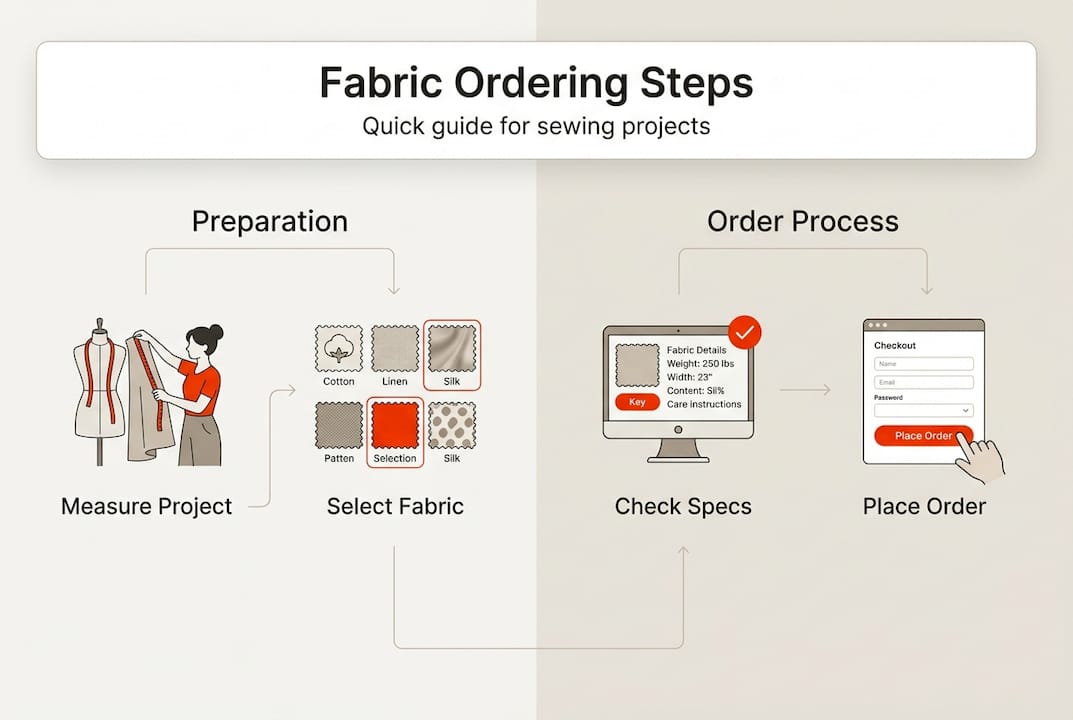
Pro Tip: Order fabric swatches first to test feel and color to avoid costly mistakes. Most suppliers offer swatches for a few dollars, a small investment that prevents ordering yards of unsuitable material. Check out a comprehensive fabric selection guide to deepen your understanding, and explore the fabric swatch selection process guide for detailed swatch ordering strategies.
Once you’ve completed your preparation, follow this systematic approach to place your order confidently. These sequential steps minimize errors and ensure you receive exactly what your project needs.
First, measure your project carefully. Calculate total fabric needed by measuring the length and width required, then add 10 to 20 percent extra for seams, pattern matching, and inevitable cutting errors. For garments, consult pattern envelopes for yardage requirements based on fabric width. For quilts, calculate backing and batting needs separately from top fabric.
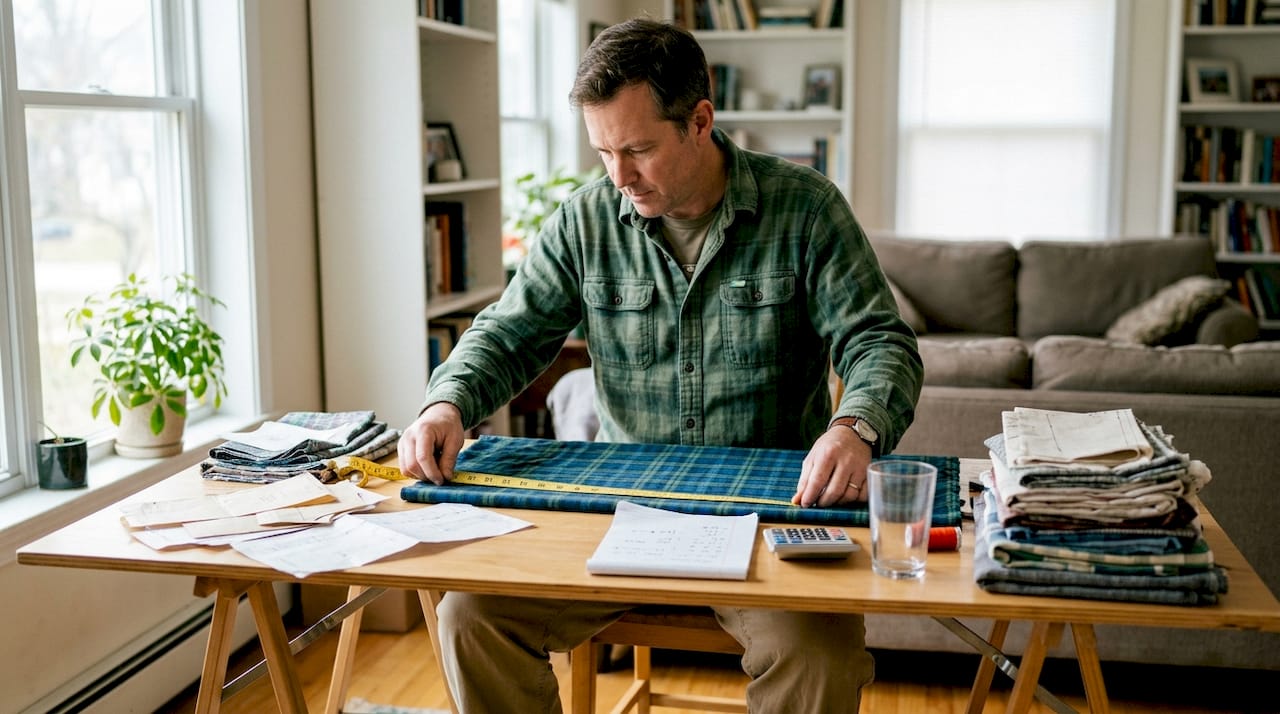
Second, check the supplier’s fabric specifications thoroughly. Note the exact fabric width, as this dramatically affects how much length you need. A 45-inch wide fabric requires more yardage than 60-inch wide fabric for the same project. Verify minimum order quantities, some specialty fabrics require purchasing full yards or specific increments.
Third, review pricing structure carefully. Some suppliers charge per yard, others per meter. Calculate total costs including any cutting fees. Check for quantity discounts if ordering multiple yards. Following a clear, stepwise procedure when ordering fabric improves accuracy and reduces the risk of receiving unsuitable material.
Fourth, verify shipping costs and delivery timeframes before finalizing your purchase. Shipping can significantly impact total project cost, especially for heavy upholstery fabrics. Confirm estimated delivery dates align with your project timeline. International orders may face customs delays.
Fifth, add fabric swatches to your cart if you haven’t already ordered them. Even if you’ve seen swatches previously, lighting and screen variations mean confirming color and texture one more time provides valuable assurance.
Sixth, complete your order with meticulous attention to detail. Double check fabric codes, quantities, and shipping addresses. Verify your cart contents match your requirements exactly. Review care instructions and return policies before clicking submit. For guidance on custom fabric orders, see how to order custom fabrics online, and revisit the step by step fabric buying guide for additional ordering insights.
Pro Tip: Keep notes or screenshots of your selected fabric specs to refer back in case of questions or future orders. Create a digital folder with fabric details, order confirmations, and swatch photos. This documentation proves invaluable when reordering or troubleshooting issues.
Even experienced sewers encounter problems with online fabric orders. Recognizing common pitfalls helps you avoid them and respond effectively when issues arise.
Misjudging fabric quantity ranks as the most frequent mistake. Sewers often forget to account for pattern matching, fabric direction, or shrinkage allowance. Always round up rather than down when calculating needs. Running short mid-project creates frustration and dye lot mismatches if reordering.
Ignoring fabric care instructions leads to ruined materials. That beautiful silk might require dry cleaning, adding ongoing costs you didn’t anticipate. Prewashing cotton prevents later shrinkage but some finishes wash out, changing the fabric’s character. Read care labels carefully and factor maintenance into your fabric choice.
Ordering without considering fabric texture or drape produces disappointing results. Photos rarely convey how fabric moves and feels. A stiff cotton won’t create the flowing skirt you envisioned. A flimsy polyester won’t provide the structure your jacket needs. This is why swatches matter so much.
Failing to check supplier return or exchange policies before ordering leaves you stuck with unusable fabric. Policies vary widely. Some suppliers accept returns only for defective goods, others allow returns within specific timeframes. Most fabric ordering issues arise from miscalculations or misunderstanding supplier details.
Always double check measurements and fabric specifications before finalizing to avoid costly returns.
When fabric arrives different than expected, act quickly. Most suppliers work with customers to resolve issues, but time limits apply. Take clear photos showing the problem, whether it’s color variation, defects, or incorrect yardage. Reference your order number and describe the issue specifically. Learn more about vetting suppliers through how to select fabric suppliers to reduce the likelihood of problems.
Your fabric has arrived. Now comes the crucial verification step that ensures project success and catches problems while resolution remains possible.
Unpack your order immediately upon arrival. Check fabric color, texture, and pattern against swatches or website photos. Lighting affects color perception, so view fabric in natural daylight and under your sewing room lighting. Minor variations between screens and physical fabric are normal, but significant differences warrant contacting the supplier.
Measure the fabric length you received. Unroll the entire piece and measure selvage to selvage using a measuring tape on a flat surface. Confirm measurements match your order. Suppliers typically include a few extra inches, but shortages need immediate reporting. Check fabric width as well, ensuring it matches specifications.
Inspect for defects by examining the entire fabric length. Look for holes, stains, printing errors, weaving flaws, or color inconsistencies. Minor imperfections near selvages are standard and typically cut away, but defects in usable areas justify returns or partial refunds. Inspecting fabric immediately upon arrival and comparing it to swatches or order details ensures project success.
Test a small piece for colorfastness if dyeing or washing is planned. Cut a small swatch from the end, wet it, and press it against white fabric. If color transfers, you’ll need to prewash separately or adjust your project plans. This simple test prevents ruining other fabrics or finished projects.
Store fabric properly before use. Fold neatly or roll onto tubes to prevent creases. Keep in a cool, dry location away from direct sunlight, which fades colors. Protect from moisture, pests, and dust. Label each piece with fiber content, yardage, and intended project to stay organized.
| Storage Method | Pros | Cons | Best For |
|---|---|---|---|
| Folding on shelves | Easy to see, space efficient | Creates creases, can fade at folds | Cotton, linen, stable fabrics |
| Rolling on tubes | Prevents creases, preserves texture | Takes more space, tubes needed | Velvet, delicate fabrics, large pieces |
| Hanging | No creases, good air circulation | Requires closet space, can stretch | Garment fabrics, smaller cuts |
| Vacuum sealed bags | Maximum space saving, pest protection | Permanent creases possible, no visibility | Long term storage, rarely used fabrics |
Prepare fabric before cutting. Many fabrics benefit from prewashing to remove sizing and allow shrinkage before construction. Press thoroughly to remove wrinkles and ensure accurate cutting. Straighten grain by pulling gently on the bias if fabric appears skewed. Taking these preparation steps prevents waste and errors during construction. Explore the complete fabric selection process for additional guidance on working with different fabric types.
Now that you understand the complete fabric ordering process, it’s time to put your knowledge into practice. Fabric-Fabric.com offers an extensive selection of materials perfect for your sewing and crafting projects. Whether you need backdrop fabrics for photography or events, or home decor fabric for upholstery and window treatments, you’ll find quality options at competitive prices.
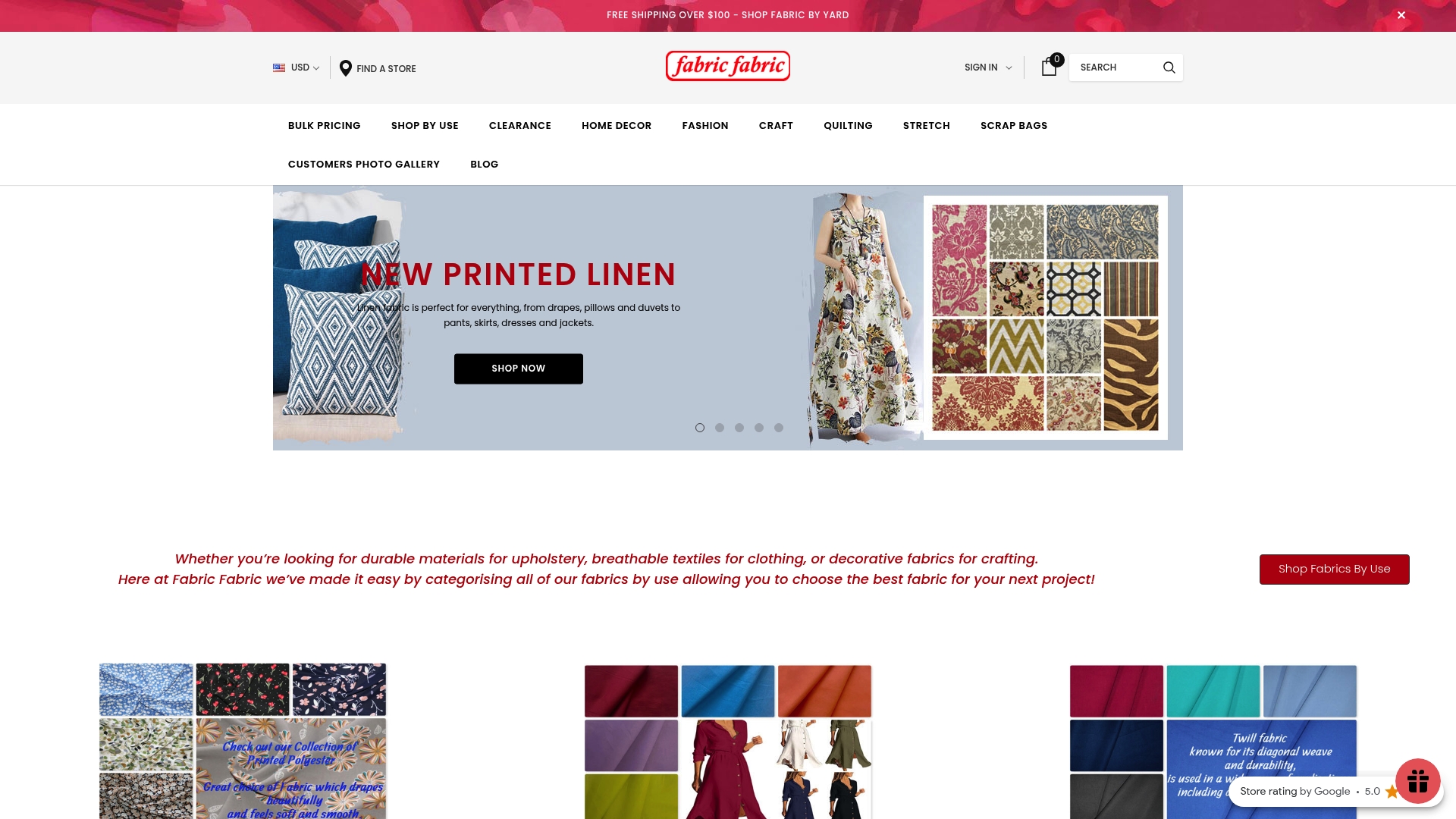
The site provides detailed product descriptions, clear pricing, and helpful specifications for each fabric type. Many fabrics offer swatch options, letting you test before committing to larger quantities. With categories organized by project type and regular promotions on bulk orders, you can source everything your creative projects demand. Browse the collections today and experience the confidence that comes from ordering the perfect fabric for your needs.
Measure your project dimensions carefully, including length and width requirements. Add 10 to 20 percent extra to account for seams, pattern matching, shrinkage, and cutting errors. Use fabric calculators or supplier yardage guides to convert your measurements based on fabric width. For garments, pattern envelopes provide yardage requirements for different fabric widths.
Order fabric swatches before committing to large quantities to preview actual color and texture. Screen displays vary significantly and can’t accurately represent fabric appearance. If you’ve already received fabric that differs from expectations, contact the supplier immediately with photos showing the difference. Many suppliers offer exchanges or returns within specific timeframes, though policies vary by vendor.
Research supplier reviews, ratings, and policies thoroughly before ordering. Choose suppliers with detailed product descriptions, clear return policies, responsive customer support, and positive customer feedback. Start with small orders to test quality and service before committing to large purchases. Reputable suppliers stand behind their products and work to resolve issues. For detailed guidance on evaluating suppliers, check how to select fabric suppliers for a comprehensive approach to choosing reliable vendors.
Delivery timeframes vary based on supplier location, shipping method, and your distance from the warehouse. Domestic orders typically arrive within 3 to 7 business days for standard shipping, while expedited options can deliver in 1 to 3 days. International orders may take 2 to 4 weeks and can face customs delays. Always check estimated delivery dates before finalizing your order, especially when working with project deadlines.
Prewashing depends on fabric type and project requirements. Cotton, linen, and other natural fibers often shrink when first washed, so prewashing prevents size changes in finished projects. However, prewashing removes sizing and finishes that make fabric easier to handle during construction. For quilting, many sewers prewash to prevent color bleeding between fabrics. Check care instructions and consider your project’s end use before deciding. Test wash a small piece first if uncertain about colorfastness or shrinkage.