

 US Dollar

How to Order Custom Fabrics Online for Unique Projects
Posted by BLG on 2025 Nov 9th
Posted by BLG on 2025 Nov 9th


Selecting the right fabric is the foundation of every successful creative project. With the variety of custom fabrics available online, making the best choice can feel overwhelming. More than 60 percent of crafters admit to making costly mistakes when guessing fabric requirements. This guide brings clarity to the custom fabric ordering process, showing you how to pinpoint your needs and avoid common pitfalls as you source the perfect materials for your unique vision.
| Key Point | Explanation |
|---|---|
| 1. Define project fabric needs clearly | Start by understanding your specific project requirements and fabric performance attributes to make an informed selection. |
| 2. Order fabric swatches before purchasing | Always request swatches to evaluate texture and color accurately, preventing costly mistakes related to online purchases. |
| **3. Create a comparison matrix for fabrics |
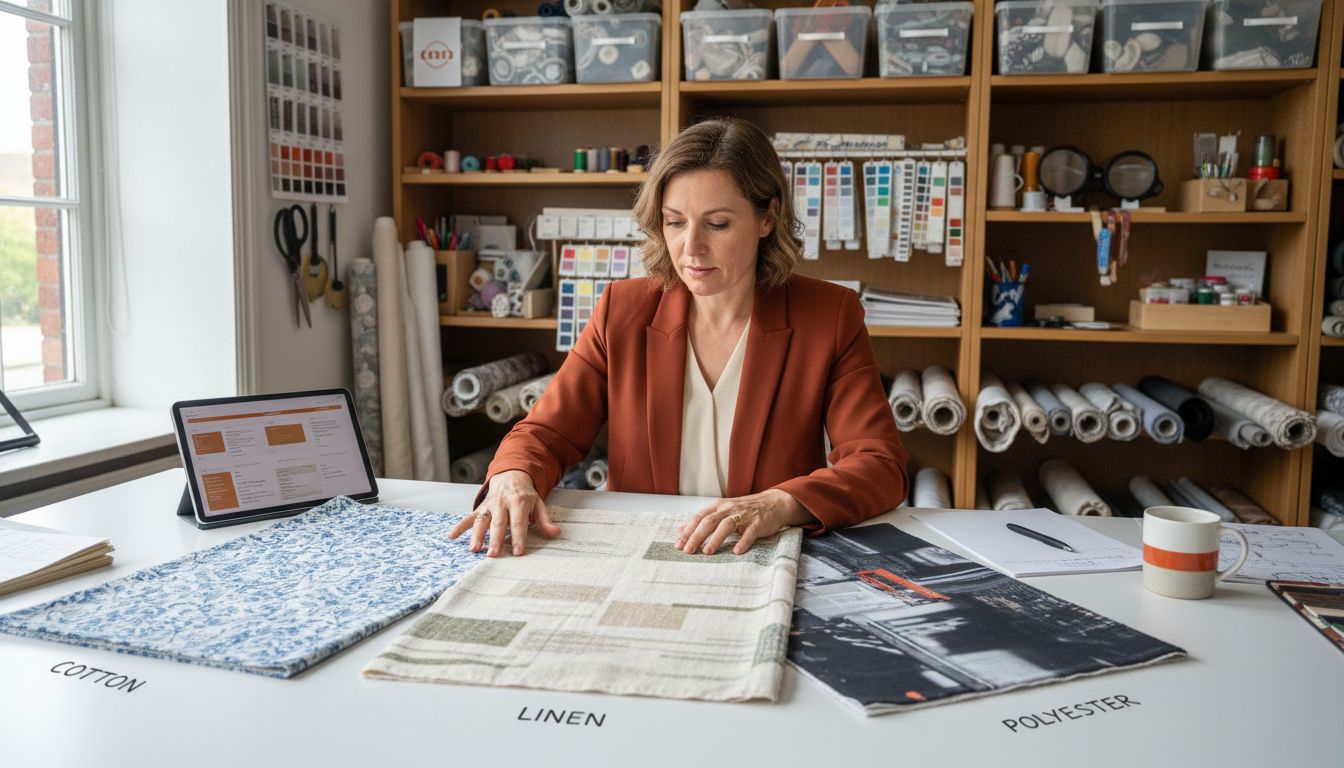 ** | List potential materials alongside their characteristics such as weight, durability, and customization options to objectively assess choices. |
| 4. Review order details meticulously | Double-check all specifications including quantity, design accuracy, and fabric details to avoid errors before final submission. |
| 5. Track your custom fabric order closely | Monitor order progress through tracking updates and keep documentation for reference, ensuring awareness of production timelines.
** | List potential materials alongside their characteristics such as weight, durability, and customization options to objectively assess choices. |
| 4. Review order details meticulously | Double-check all specifications including quantity, design accuracy, and fabric details to avoid errors before final submission. |
| 5. Track your custom fabric order closely | Monitor order progress through tracking updates and keep documentation for reference, ensuring awareness of production timelines.
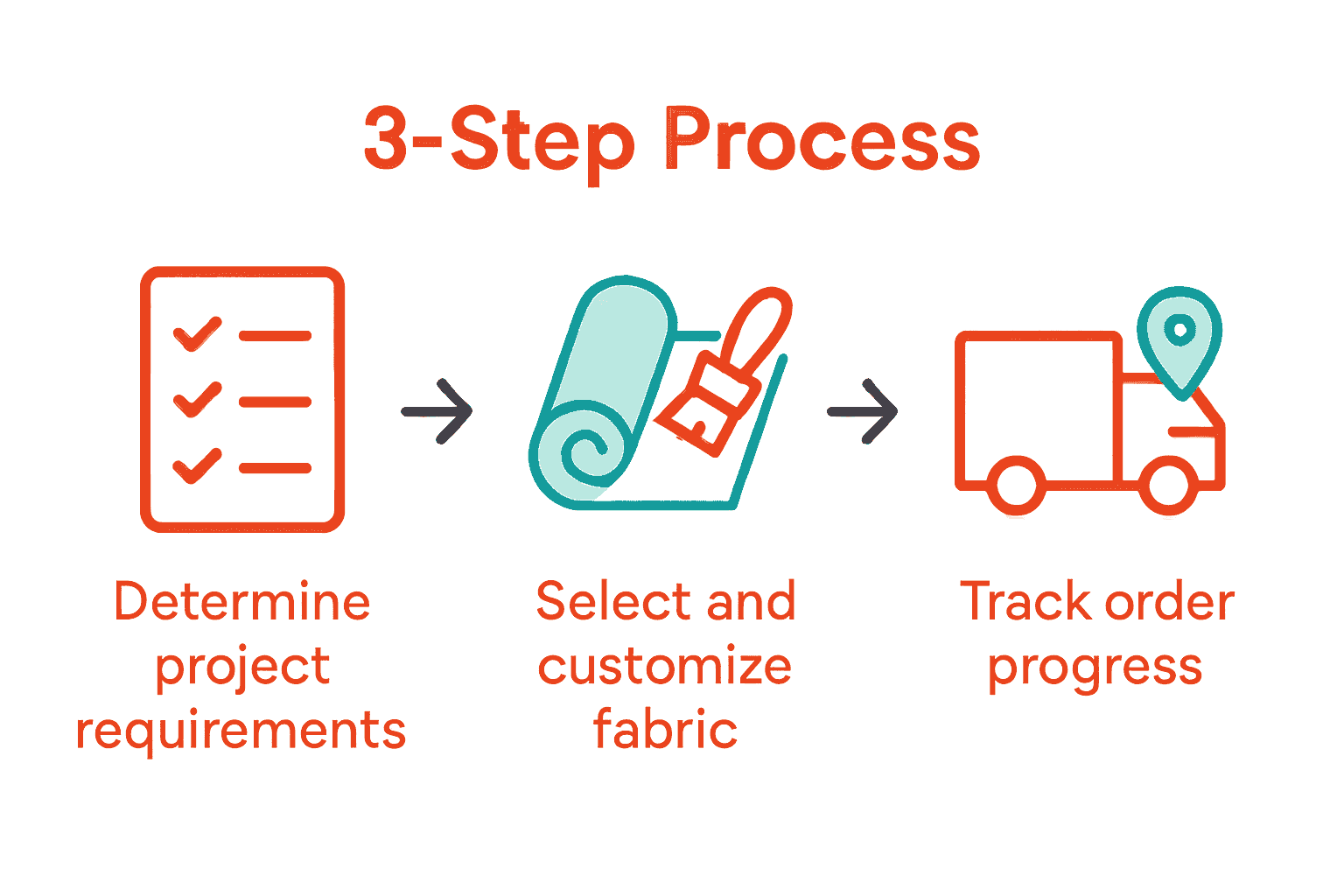
Successfully ordering custom fabrics starts with understanding your specific project requirements and selecting the right textile. This critical first step ensures you choose materials that will not just look great but perform exactly as you need.
According to textileschool.com, fabric selection involves carefully evaluating properties that match your project’s end use. Begin by asking yourself targeted questions about your specific needs: What will this fabric be used for? Will it need to withstand heavy wear? Must it be washable? Stretch? Drape in a particular way?
Consider making a detailed project worksheet where you list specific requirements. For a home decor project like curtains, you might note desired characteristics such as light blocking, wrinkle resistance, or color fastness. For clothing, you might prioritize stretch percentage, weight, and breathability. 7 Steps to a Successful Fabric Selection Checklist can provide additional guidance in creating a comprehensive evaluation framework.
Pro tip: Always order fabric swatches before committing to a full purchase. This allows you to physically examine texture, color, and performance characteristics that might not be apparent online. Most reputable fabric retailers offer swatch services that can save you from costly mistakes.
With your project requirements clearly defined, you are now ready to move to the next step of researching potential fabric options that match your specific needs.
After defining your project requirements, the next crucial step is selecting the right fabric and exploring customization possibilities that will bring your unique vision to life. This stage transforms your initial concept into a tangible design approach.
According to vaia.com, fabric selection involves carefully evaluating key characteristics such as texture, durability, and aesthetic appeal. Start by comparing different fabric types that align with your project needs. For instance, if you are creating home decor items, consider materials with specific performance attributes like stain resistance or light blocking capabilities.
When exploring customization options, vietextile.com recommends paying close attention to practical considerations such as production time, minimum order quantities, and initial costs. Reviewing these factors helps you make informed decisions about potential fabric modifications. Essential Fabric Selection Guide for Designers and Decorators can provide additional insights into navigating these complex choices.
Pro tip: Create a comparison matrix for different fabric options. List each potential material alongside its key characteristics weight, stretch, durability, color options, and customization potential. This systematic approach will help you objectively evaluate which fabric best suits your project requirements.
With your fabric selection narrowed down, you are now ready to move forward to the next stage of the ordering process.
With your fabric selection complete, you are now ready to transform your creative vision into a tangible custom textile project. This critical step involves precisely communicating your design requirements to ensure the final product matches your exact specifications.
According to resources.designtex.com, the custom textile process requires careful and detailed project information submission. Begin by preparing high resolution digital files of your designs. Ensure these files are in standard formats like JPEG, PNG, or vector graphics files that clearly represent your intended pattern or artwork.
When uploading or specifying customization details, be as specific as possible about your requirements. Include precise information about color palette, desired scale of patterns, fabric weight, and any unique modifications you want. Some online platforms offer interactive design tools that allow you to preview modifications in real time. If you are unsure about technical specifications, many fabric retailers provide design consultation services to help refine your concept.
Pro tip: Before final submission, create a mockup or digital prototype of your design. This allows you to visualize how the pattern will look on the actual fabric and make any necessary adjustments before committing to production.
Once your design details are uploaded and specifications confirmed, you are ready to move to the next stage of reviewing and finalizing your custom fabric order.
After uploading your design, you have reached a critical stage where precision matters most. Carefully reviewing your order details ensures that your custom fabric will meet your exact project requirements and prevent potential costly mistakes.
According to textilecalculator.com, accurate fabric requirement calculations are essential for successful custom projects. Take time to meticulously review every specification including total fabric quantity, color accuracy, pattern scale, and material composition. Double check measurements and confirm that your uploaded design matches the intended final product.
Pay special attention to subtle but important details such as fabric weight, weave type, color consistency, and any specific customization parameters. Most online platforms provide a comprehensive preview screen where you can zoom in, rotate, and examine your design from multiple angles. If anything looks slightly off or different from your original vision, now is the perfect moment to make adjustments before finalizing the order.
Pro tip: Create a quick checklist of your must have specifications to cross reference during the final review. This systematic approach helps prevent overlooking critical details that could impact your project’s success.
Once you have thoroughly verified all order specifications, you will be ready to proceed to the final purchasing stage.
You have arrived at the final stage of your custom fabric ordering journey where careful attention to payment and order tracking will ensure a smooth transaction. This step transforms your creative vision from concept to tangible textile reality.
According to resources.designtex.com, understanding production timelines and shipment tracking is crucial for successful custom textile orders. Carefully review the total cost, including fabric pricing, customization fees, and shipping expenses. Select your preferred payment method and complete the transaction through a secure online platform. After payment, most retailers will provide an immediate order confirmation with a unique tracking number.
Pay close attention to the estimated production and delivery timeline. Custom fabrics often require more processing time compared to standard inventory items. Ultimate Bulk Fabric Ordering Guide for Creative Projects recommends keeping all order documentation and tracking information for your records. Many online platforms offer real time updates where you can monitor your order progress from production to shipping.
Pro tip: Set up email or text notifications for your order if the platform offers such services. This allows you to stay informed about each stage of your custom fabric production without constantly checking the tracking page.
Once your order is confirmed and tracking is established, you can look forward to receiving your unique custom fabric and bringing your creative project to life.
Ordering custom fabrics can feel overwhelming when faced with choices about fabric types, exact specifications, and customization details. You want a seamless way to find the perfect textiles that match your project needs without confusion or costly mistakes. From selecting the right fabric weight to uploading your unique designs, every step demands care and clarity.
At Fabric-Fabric, we understand these challenges and offer solutions designed to make your custom fabric journey smooth and enjoyable. Whether you need apparel materials, home decor textiles, or crafting essentials, our detailed product descriptions, clear pricing, and easy-to-navigate platform empower you to confidently select and customize fabrics.
Explore our comprehensive collection today and experience how simple ordering custom fabrics online can be. Visit Fabric-Fabric now to start crafting your unique projects with quality fabrics and expert support at your fingertips.
To determine your fabric needs, start by outlining the specific requirements of your project, such as durability, washability, and stretch. Create a detailed project worksheet to clearly identify characteristics that are important for your intended use.
When selecting fabrics, evaluate key characteristics such as texture, durability, and aesthetic appeal. Compare different fabric types while considering performance attributes that align with your specific needs, like stain resistance for home decor items.
To upload your designs, prepare high-resolution digital files in standard formats like JPEG or PNG. Be specific about your requirements, including color palettes and fabric weight, to ensure your final product matches your vision.
Before finalizing your order, meticulously review all specifications including total fabric quantity, color accuracy, and pattern scale. Create a checklist of must-have specifications to cross-reference against your uploaded design and prevent errors.
After placing your order, look for the unique tracking number provided in your order confirmation. Most platforms offer real-time updates, so monitor your order’s progress from production to shipping easily.
Ordering fabric swatches lets you physically examine the texture and color, helping you avoid costly mistakes. This step ensures that the material meets your project expectations before you commit to a larger order.