

 Canadian Dollars

Backing in Upholstery Cuts Fabric Failures by 80%
Posted by BLG on 2026 Feb 27th
Posted by BLG on 2026 Feb 27th

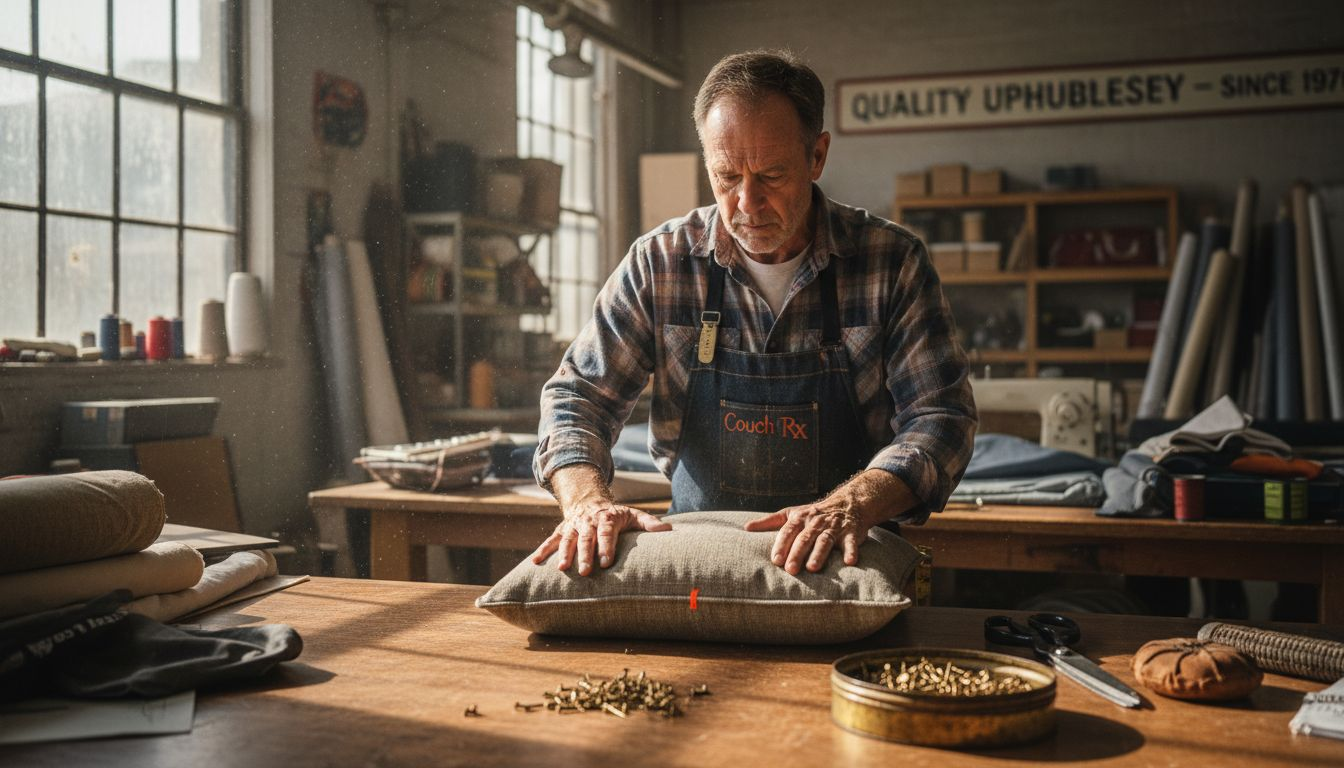
Many assume thick fabric guarantees lasting upholstery, but weave tightness is the real key. Backing, a reinforcing layer applied behind your chosen fabric, is what actually extends furniture life. This guide clarifies backing’s role in preventing seam slippage, tearing, and sagging while helping you choose the right type for professional results in your DIY projects.
| Point | Details |
|---|---|
| Backing reinforces upholstery fabric | Prevents wear, maintains shape, and extends fabric lifespan significantly |
| Three main types serve different needs | Knit backing preserves fabric feel, woven backing adds structure, mesh balances stretch and breathability |
| Weave tightness dictates backing necessity | Thick fabrics with loose weave still require backing despite their weight |
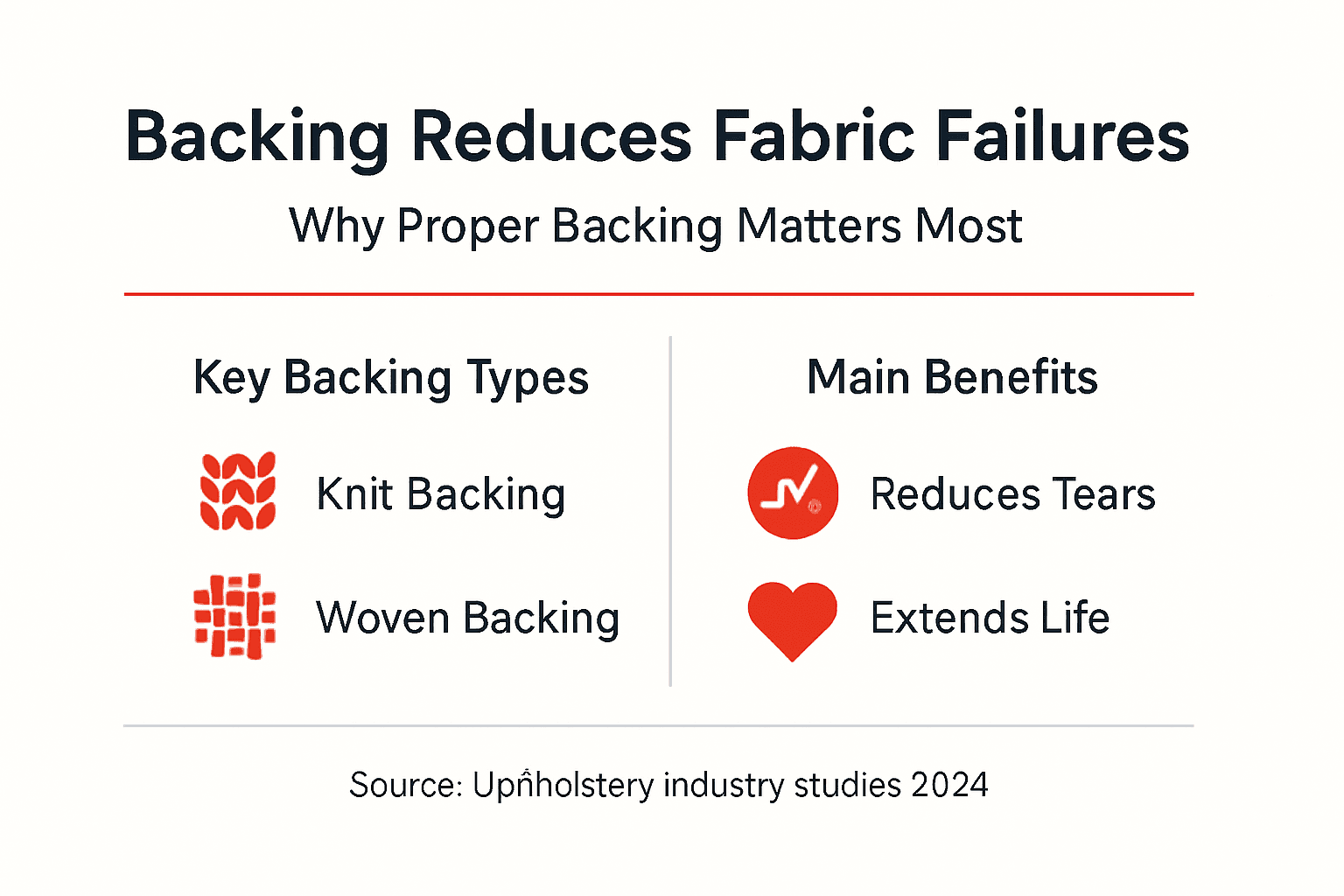
| Proper selection prevents common failures | Right backing reduces seam slippage, tearing, pilling, and sagging by up to 80% |
| DIY decorators achieve professional results | Understanding backing types and application improves upholstery quality and durability |
Backing is a supporting fabric layer applied to the reverse side of your upholstery material. Think of it as invisible armor that works behind the scenes. This reinforcement layer prevents fabric wear by supporting delicate areas prone to stress from daily use.
Your furniture endures constant pulling, stretching, and friction. Without proper backing, these forces cause premature failures you’ve probably seen: sagging cushions, separated seams, or fabric that loses its original shape. Backing addresses these issues directly by distributing stress evenly across the material.
The primary functions include:
Many upholstery fabrics, especially those with open weaves or delicate construction, simply cannot withstand furniture stress alone. When you understand upholstery fabric basics, you realize backing isn’t optional for many materials.
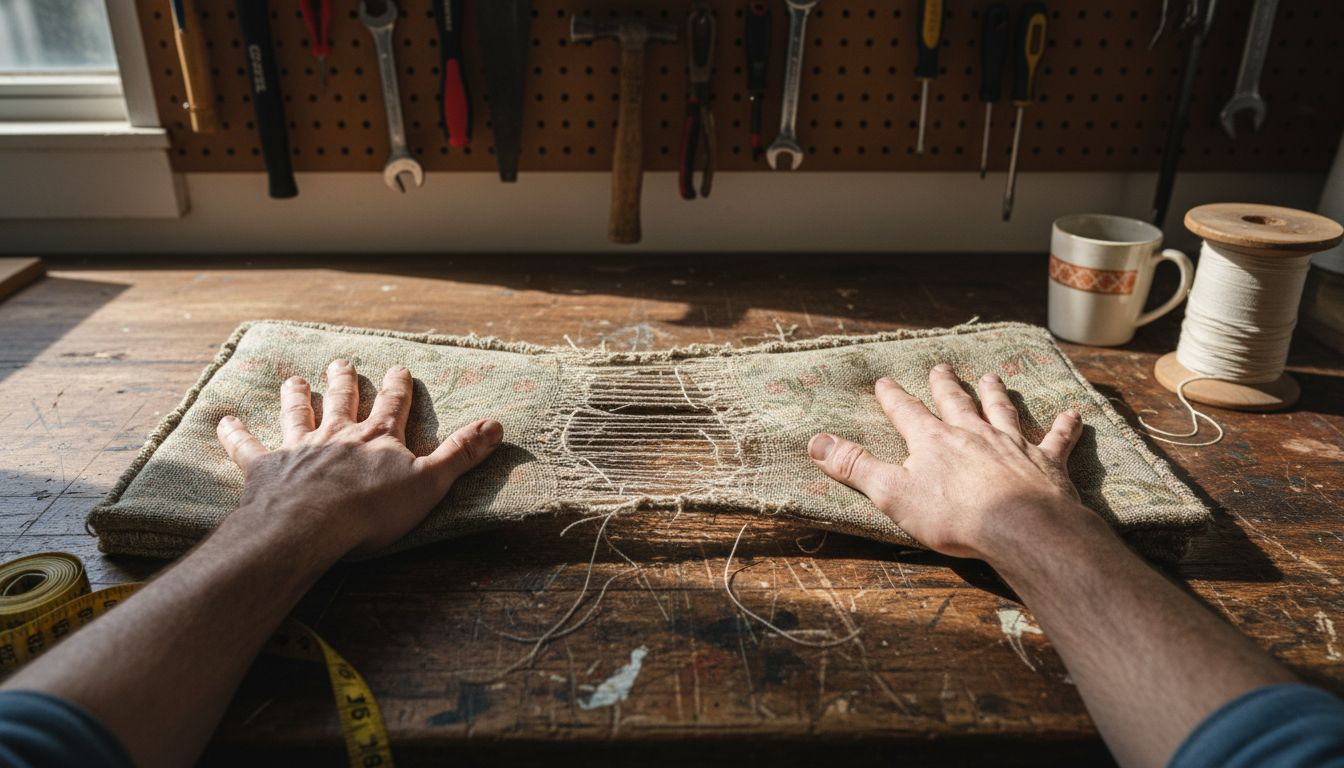
Pro Tip: Run your hand across your fabric while holding it up to light. If you see significant light penetration or feel the weave move easily, that fabric absolutely needs backing regardless of its thickness.
Backing transforms vulnerable fabrics into durable upholstery materials. The structural support it provides prevents stretching and seam slippage, contributing directly to your furniture’s longevity and professional appearance.
Three main backing types dominate upholstery work, each with distinct characteristics suited to different fabric weights and project requirements. Understanding these differences helps you match backing to fabric for optimal results.
Knit backing offers lightweight reinforcement with excellent stretch properties. This type preserves your original fabric’s soft hand and natural drape. Professional knit backing works beautifully with delicate or thin materials, adding strength without stiffness. It moves with your fabric, making it ideal for projects requiring flexibility.
Woven backing provides maximum structural support with minimal stretch. This heavier option suits structured upholstery fabrics that need substantial reinforcement. When working with heavy materials designed for high traffic furniture, woven backing offers the stability required to maintain shape under constant stress.
Mesh backing splits the difference, offering moderate stretch with enhanced breathability. This lightweight option works well with delicate breathable fabrics where air circulation matters. The open structure allows moisture to escape while still providing necessary support.
Here’s how these backing types compare:
| Backing Type | Weight | Stretch Level | Best Fabric Match | Primary Benefit |
|---|---|---|---|---|
| Knit | Lightweight | High | Delicate, thin fabrics | Preserves fabric feel |
| Woven | Heavy | Minimal | Structured, heavy fabrics | Maximum stability |
| Mesh | Lightweight | Moderate | Breathable, delicate fabrics | Balances support and airflow |
Your backing choice directly impacts how fabric handles during construction and performs over time. Matching backing characteristics to your specific fabric ensures professional results. Consider fabric texture insights when evaluating which backing type suits your project best.
The wrong backing can compromise your work just as badly as no backing at all. Too much structure stiffens delicate fabrics, while insufficient support fails to prevent the very problems backing should solve.
Backing transforms vulnerable fabric into resilient upholstery through several mechanical advantages. These benefits compound over time, explaining why backed fabrics outlast unbacked alternatives by years.
Seam integrity improves dramatically with proper backing. The reinforcement distributes tension across a wider area, preventing thread from pulling through fabric fibers. When someone sits heavily on your sofa, that impact force spreads out instead of concentrating at stress points where seams typically fail.
Backing prevents three primary fabric failures:
Shape preservation stands out as backing’s most visible benefit. Cushions maintain their original contours instead of developing pouches or permanent depressions. This matters tremendously for furniture appearance and comfort over its lifespan.
Professional knit backing services also minimize fabrication issues. Puckering, grain distortion, and uneven seams become rare when fabric has proper support during sewing. Your construction process gets easier while final results look more professional.
“Backed fabrics show 80% fewer stress-related failures compared to unbacked alternatives in high-traffic furniture applications.”
Pro Tip: Pay extra attention to backing at cushion corners and seat fronts. These areas experience maximum stress and benefit most from reinforcement.
Think of backing as insurance for your upholstery investment. The relatively small added cost and effort protects against costly premature failures. Quality fabric durability factors always include proper backing as a foundational element.
Without backing, even expensive designer fabrics fail prematurely under normal use conditions. The structural support backing provides isn’t luxury; it’s essential engineering that makes upholstery work long term.
Several persistent myths about backing lead DIYers astray, resulting in preventable upholstery failures. Let’s examine these misconceptions against factual evidence.
Myth 1: Thick, heavy fabrics don’t need backing
Weave tightness determines backing necessity, not fabric thickness. A thick fabric with loose weave remains vulnerable to stretching and seam slippage. Weight alone doesn’t prevent the mechanical failures backing addresses. Even substantial upholstery fabrics benefit from reinforcement when their construction includes open or loose weaves.
Myth 2: Backing ruins fabric feel and drape
Professional knit backing actually preserves your fabric’s original characteristics. The key lies in matching backing type to fabric weight and structure. Properly applied knit backing adds strength without stiffness, maintaining the soft hand and natural movement that attracted you to the fabric initially.
Myth 3: Backing serves only decorative purposes
This fundamentally misunderstands backing’s role. Backing provides crucial structural reinforcement that prevents mechanical failures. It’s functional engineering, not aesthetic enhancement. The benefits manifest in extended furniture life and maintained appearance, not visual decoration.
Myth 4: All backing types work equally well with any fabric
Backing selection requires matching material properties to fabric characteristics. Using woven backing on delicate fabric creates unwanted stiffness. Applying knit backing to heavy structured fabric provides insufficient support. Proper pairing matters tremendously for optimal results.
Myth 5: DIY backing application compromises professional quality
While professional application ensures best results, you can successfully apply backing yourself with proper technique and patience. Understanding correct methods and taking time during application produces durable results comparable to professional work.
These misconceptions cost DIYers time, money, and frustration when their unbacked or improperly backed upholstery fails prematurely. Factual understanding prevents these avoidable mistakes.
Choosing appropriate backing requires evaluating your fabric characteristics against project demands. Follow these actionable steps to make informed decisions.
Start by assessing your fabric’s construction. Hold it up to strong light and examine the weave. Significant light penetration or visible gaps between threads indicate backing necessity regardless of thickness. Test stretch by pulling gently in multiple directions. Fabrics that distort easily need backing support.
Use this decision framework:
Proper backing selection correlates with reduced wear and improved aesthetics. Consider where your furniture will live and who will use it. Children’s furniture demands more durable backing than occasional use guest room pieces.
Here’s a quick reference for common upholstery scenarios:
| Project Type | Recommended Backing | Key Consideration |
|---|---|---|
| Dining chairs | Woven or heavy knit | High friction from sitting/standing |
| Decorative pillows | Light knit | Preserves fabric softness |
| Sofa cushions | Medium to heavy knit | Balances comfort and durability |
| Ottoman tops | Woven | Withstands foot traffic |
Application technique matters as much as backing selection. Ensure even adhesion or stitching across the entire fabric surface. Wrinkles or gaps in backing application create weak points that compromise reinforcement benefits.
Pro Tip: When selecting upholstery fabric, ask suppliers if backing is already applied. Many commercial upholstery fabrics come pre-backed, saving you application effort.
The fabric selection process should include backing decisions from the start, not as an afterthought. Matching backing to fabrics prevents the frustration of discovering compatibility issues after purchasing materials.
Test your backing choice on fabric scraps before committing to the full project. This reveals any unexpected stiffness, adhesion issues, or visual changes through the fabric face. Small tests prevent large mistakes.
Backing represents essential upholstery infrastructure that separates amateur from professional results. The reinforcement it provides prevents the most common fabric failures: seam slippage, stretching, tearing, and shape loss.
Key principles to remember:
Understanding backing empowers you to make informed material choices that protect your upholstery investment. When you grasp how different backing types interact with various fabrics, you avoid costly mistakes and achieve results that rival professional work.
Your next upholstery project deserves the structural advantages backing provides. The knowledge you’ve gained here transforms backing from mysterious technical detail into practical tool you confidently apply. Each correctly backed piece you create will demonstrate superior durability and maintained beauty over time.
Integrating backing into your upholstery workflow improves both construction ease and final quality. Fabrics handle better during sewing, seams hold stronger, and finished pieces resist the wear patterns that typically shorten furniture life. This represents true DIY success: projects that look beautiful and perform reliably for years.
Ready to source materials that bring your upholstery vision to life? Quality fabrics paired with appropriate backing create furniture pieces you’ll treasure for years.
Explore diverse backdrop fabrics collection specifically suited for upholstery applications. These materials offer the durability and aesthetic appeal your projects deserve. Learn about technical textiles guide that incorporate modern performance features while maintaining beautiful appearance.
Find affordable home decor fabrics by the yard that fit your budget without sacrificing quality. The right combination of fabric and backing transforms good furniture into exceptional pieces that withstand daily use while maintaining their original beauty.
Delicate fabrics with open or loose weaves require backing regardless of thickness. Thin materials, lightweight decorator fabrics, and any upholstery fabric that shows significant light penetration benefit tremendously from reinforcement. Even some heavier fabrics need backing if their weave construction lacks tightness.
Properly matched backing preserves your fabric’s original characteristics. Knit backing maintains soft hand and natural drape when applied correctly. The key lies in choosing backing weight and type appropriate for your specific fabric. Professional application ensures backing remains invisible from the fabric face while providing structural benefits.
You can successfully apply backing yourself with patience and proper technique. Many DIY decorators achieve excellent results using fabric adhesives or careful stitching methods. However, professional application guarantees even coverage and optimal adhesion, especially for large or complex projects. Start with smaller pieces to build confidence and skills.
Backing actually simplifies upholstery construction by stabilizing fabric during sewing. It prevents stretching, puckering, and grain distortion that complicate seam alignment. Backed fabrics feed through your sewing machine more evenly, resulting in straighter seams and more professional appearance. The reinforcement also reduces fabric shifting during cutting and pinning.
Quality backing can double or triple upholstery lifespan compared to unbacked fabric. Backed pieces routinely last five to ten years in high traffic applications where unbacked alternatives fail within two to three years. The exact extension depends on usage intensity, backing quality, and fabric characteristics, but improvements always prove substantial and worthwhile.