

 Canadian Dollars

How to Match Fabric Types for Flawless Creative Projects
Posted by BLG on 2025 Dec 20th
Posted by BLG on 2025 Dec 20th

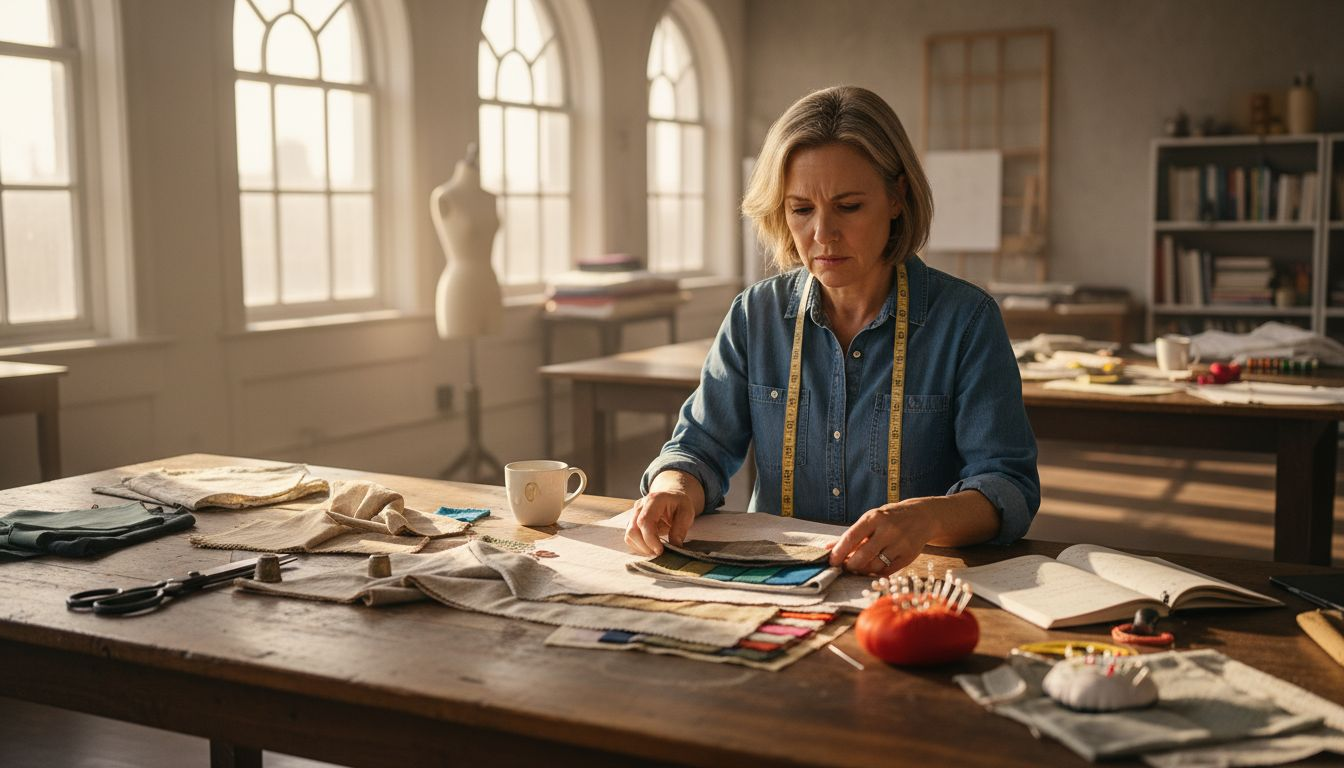
Most American creators know that fabric choice can make or break a project. With over 60 percent of mistakes traced back to material selection, understanding your unique needs is essential. The right fabric impacts everything from durability to visual appeal, shaping the outcome of clothing, home decor, or crafts. This guide gives you practical steps for evaluating fabric, so your American-made designs stand out for quality and style.
| Key Takeaway | Explanation |
|---|---|
| 1. Assess Your Project Needs | Understand your specific project requirements for durability, appearance, and functionality to select the right fabric. |
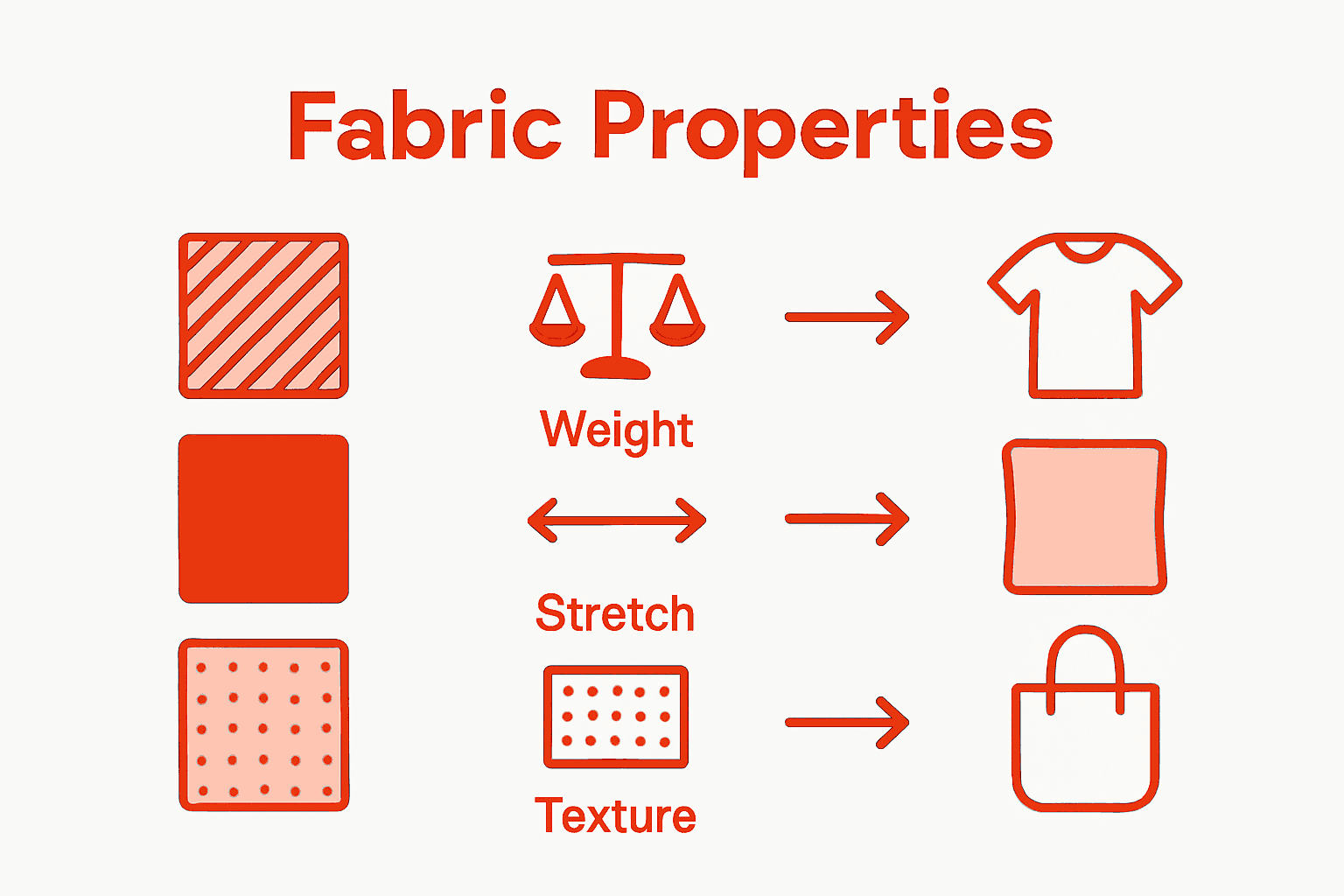
| 2. Compare Fabric Properties | Examine characteristics like weight, stretch, and care instructions to ensure fabrics perform together effectively. |
| 3. Coordinate Colors and Textures | Utilize color wheels and swatch boards to harmonize different colors, patterns, and textures in your fabric choices. |
| 4. Test Interactions of Fabrics | Conduct side-by-side comparisons of selected fabrics to assess compatibility in terms of color, texture, and wear. |
| 5. Ensure Seam Strength and Quality | Evaluate seam integrity and visual aspects of fabrics to achieve a polished and professional final product. |
Choosing the right fabric begins with a comprehensive understanding of your specific project needs and ultimate performance expectations. This critical first step determines everything from durability and appearance to comfort and functionality.
Start by asking yourself key questions about your project. Are you designing clothing that requires flexibility and breathability? Creating home decor items that need stain resistance? Making quilting pieces demanding precise weave and color retention? Each fabric type has unique characteristics that make it suitable (or unsuitable) for different applications. Designers can leverage detailed textile properties to match material performance with project requirements.
Carefully consider factors like weight, stretch, texture, and care instructions. A lightweight cotton might work perfectly for summer shirts but fail miserably for upholstery. Silk could create stunning evening wear but become impractical for children’s clothing. Systematically evaluate your project’s environmental conditions, expected wear patterns, and aesthetic goals to narrow your fabric selection strategically.
Pro tip: Create a project requirements checklist before fabric shopping. List essential characteristics like required stretch percentage, wash temperature, expected durability, and aesthetic preferences to streamline your selection process and prevent costly mistakes.
Here is a quick reference comparing common fabric types and their typical applications:
| Fabric Type | Key Strengths | Typical Uses |
|---|---|---|
| Cotton | Breathable, easy care | T-shirts, quilting, kidswear |
| Silk | Luxurious drape, vibrant color | Evening wear, scarves |
| Polyester | Durable, wrinkle resistant | Sportswear, home decor |
| Wool | Warm, good insulation | Suits, outerwear, blankets |
| Linen | Cool, highly absorbent | Summer clothes, table linens |
Learning to compare fabric properties effectively is crucial for selecting the perfect material for your creative project. This step will help you understand the nuanced characteristics that distinguish different fabrics and guide your selection process.
Start by examining the fundamental fabric classifications and their distinctive properties, which break down into structural, mechanical, comfort related, and aesthetic attributes. Natural fibers like cotton and silk differ dramatically from synthetic options such as polyester and nylon. Some fabrics excel in breathability while others shine in durability or stretch. Pay close attention to how each fabric performs across key metrics like moisture wicking, heat retention, wrinkle resistance, and overall comfort.
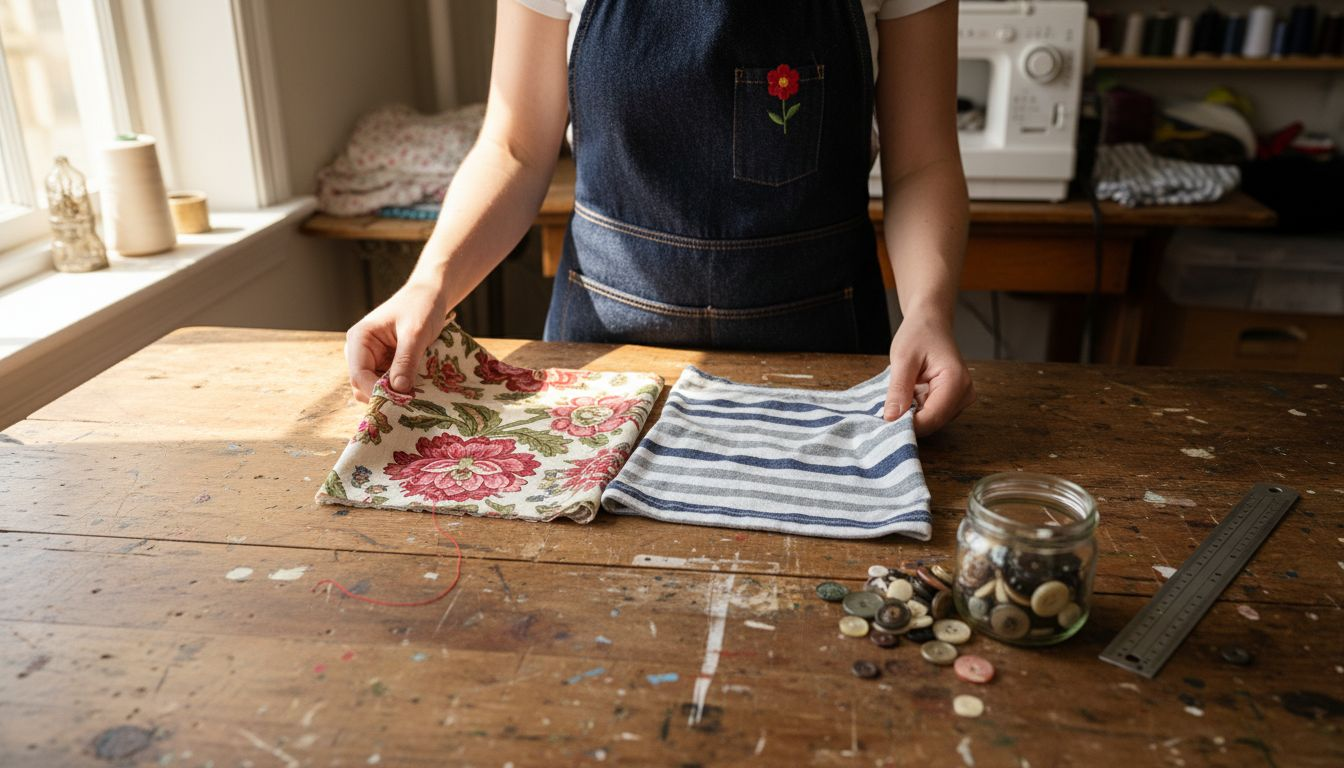
Deep dive into specific characteristics by comparing how different fabrics behave under various conditions. Comprehensive fabric guides reveal intricate details about natural and synthetic fibers that can dramatically impact your project’s success. Silk might offer luxurious drape but poor durability for everyday wear. Cotton provides excellent breathability but can shrink or wrinkle easily. Polyester offers remarkable wrinkle resistance and strength but may lack the natural comfort of organic materials.
Pro tip: Create a comparison matrix with key fabric properties like stretch percentage, weight, wash temperature tolerance, and recommended uses to quickly visualize and compare different fabric options before making your final selection.
Use this summary matrix to compare critical fabric selection factors:
| Property | Why It Matters | Select For |
|---|---|---|
| Weight | Impacts drape/structure | Upholstery, dresses |
| Stretch | Affects fit and comfort | Activewear, knit tops |
| Texture | Influences visual interest | Fashion, accessories |
| Care Requirements | Determines maintenance | Everyday wear, kids’ clothes |
Mastering the art of fabric coordination transforms good projects into extraordinary creations. This crucial step helps you blend colors, patterns, and textures in ways that create visual harmony and professional looking results.
Begin by understanding how different fabric characteristics interact to create cohesive design combinations. Consider the visual weight and scale of your patterns. Small geometric prints might pair beautifully with large floral designs, while similar scale patterns can overwhelm each other. Texture plays an equally important role. A smooth silk can provide elegant contrast against a nubby wool, creating depth and visual interest in your project.
Color coordination requires strategic thinking. Use color wheels to identify complementary and analogous color schemes. Neutral fabrics can anchor bold prints, while monochromatic approaches create sophisticated elegance. Pay attention to undertones make sure your chosen fabrics share similar warmth or coolness. Some fabrics might look perfect in isolation but clash dramatically when placed side by side. Consider how lighting affects color perception and test your fabric combinations in multiple light settings to ensure consistent appeal.
Pro tip: Create a fabric swatch board with small samples pinned together. This allows you to visualize combinations before committing to full yardage and helps you experiment with different color and texture relationships without significant investment.
Successful fabric matching requires strategic comparison techniques that go beyond visual assessment. This step will help you scientifically evaluate fabric interactions to ensure your project achieves professional quality and aesthetic harmony.
Start by examining comprehensive fabric property comparisons that reveal critical compatibility factors. Weight, drape, stretch, and texture are fundamental characteristics that determine how fabrics will perform together. Lay your selected fabrics side by side under consistent lighting to assess their true relationship. Check for subtle variations in color tone, surface texture, and how they interact when layered or placed adjacent to each other.
Carefully analyze each fabric’s mechanical properties. Understanding textile properties helps designers make informed compatibility decisions. Pay attention to how different fabrics stretch, wrinkle, and hold shape. A stiff cotton might clash dramatically with a fluid silk, creating unintended structural challenges. Perform simple tests like pinching, folding, and draping to understand how your chosen fabrics behave individually and when combined.
Pro tip: Create a fabric interaction journal where you document each fabric combination’s performance, noting challenges, successful pairings, and unexpected interactions to build your design expertise over time.
Ensuring your fabric project looks professional requires careful evaluation of seam integrity and visual quality. This critical step transforms raw materials into a polished final product that meets high crafting standards.
Understanding fabric dimensional stability is fundamental to predicting how your project will hold up over time. Examine the intricate fabric characteristics like handle, drape, and weight that influence seam performance. Pull gently on seam lines to test strength. Look for potential weak points where different fabric weights or textures might create stress. Pay attention to how fabrics stretch and recover when tension is applied.
Conduct comprehensive visual and tactile assessments. Spread your fabric project on a flat surface under bright light. Check for consistent seam alignment, smooth transitions between fabric sections, and uniform tension. Run your hands across seams feeling for irregularities. Slight puckering, uneven stitching, or fabric distortion can compromise the entire project’s aesthetic and structural integrity. Test how the fabric moves when draped or worn to anticipate potential performance issues before finalizing your work.
Pro tip: Create test samples with seam variations before committing to your final project. Experiment with different stitch types, seam allowances, and pressing techniques to find the optimal approach for your specific fabric combination.
Choosing the right fabric to bring your creative projects to life can feel overwhelming. The article highlights key challenges like assessing fabric properties, coordinating colors and textures, and testing fabric compatibility to achieve professional results without costly errors. If you want to avoid guesswork while ensuring your fabrics meet your project’s demands for durability, appearance, and comfort, you need a reliable source that offers detailed descriptions and expert guidance.
Discover a wide selection of high-quality fabrics for apparel, quilting, home decor, and crafts at Fabric-Fabric. Each product comes with clear usage suggestions and care instructions to help you confidently compare weight, stretch, texture, and color options. Shop with ease using the intuitive interface and take advantage of seasonal discounts and free shipping offers.
Experience the convenience of a one-stop fabric destination designed for hobbyists and professionals alike. Start matching fabric types flawlessly by exploring our extensive collection today at https://fabric-fabric.com. Don’t wait any longer to create stunning projects with fabrics that truly perform and impress.
Begin by outlining your specific project needs, such as durability, appearance, flexibility, and comfort. Make a checklist of critical characteristics like required stretch percentage and care instructions, which will help streamline your fabric selection process.
Focus on examining fundamental characteristics such as weight, stretch, texture, and moisture-wicking capabilities. Create a comparison matrix that allows you to visualize these properties and make informed decisions about which fabrics are best suited for your project.
Start by studying how different characteristics interact to achieve a cohesive design. Use color wheels to find complementary color schemes, and create a fabric swatch board to visualize and experiment with combinations before committing to full yardage.
Lay your selected fabrics side by side under consistent lighting to assess their color tone and texture interactions. Perform simple tests such as draping and pinching to observe how the fabrics behave together, documenting your findings in a fabric interaction journal.
Examine your seams for integrity by gently pulling on seam lines to test strength and looking for potential weak points. Spread your project flat under bright light and check for consistent seam alignment and any irregularities in texture or stitching to ensure a professional finish.