

 Canadian Dollars

What is Upholstery Fabric? Understanding Its Role and Features
Posted by BLG on 2025 Aug 24th
Posted by BLG on 2025 Aug 24th

Furniture fabric is not just about looks. Some textiles used in upholstery must survive years of constant use and still hold their shape, yet most people overlook the science behind them.
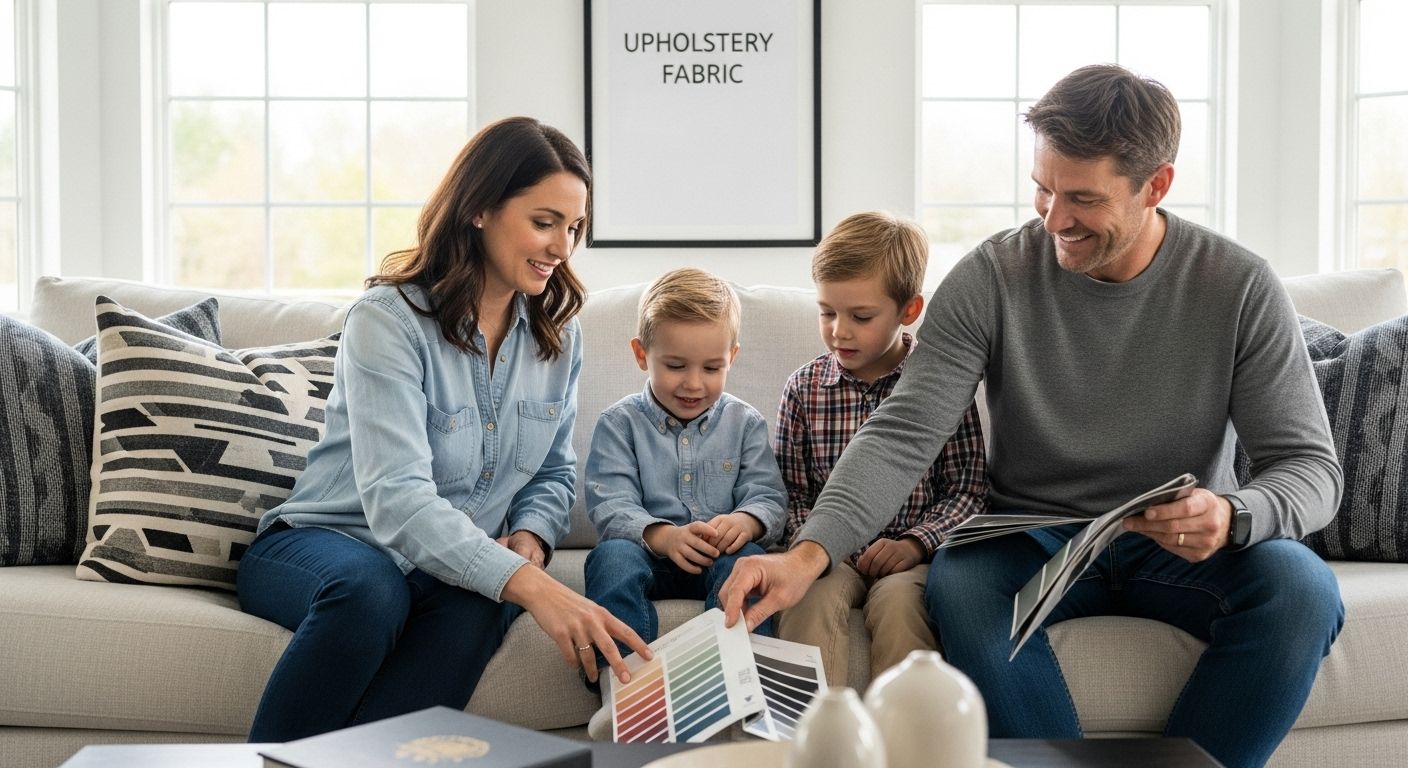
Surprisingly, the construction method and fiber blend of upholstery fabric can boost durability by over 50 percent compared to regular fabrics. Knowing how these materials work could totally change the way you see style and strength at home.
| Takeaway | Explanation |
|---|---|
| Upholstery fabric is durable and strong. | It withstands substantial wear and pressure, making it ideal for furniture use. |
| Material selection is critical for performance. | Choosing the right blend of fibers affects durability, comfort, and aesthetics. |
| Fabric aesthetics impact design significantly. | Colors, textures, and patterns communicate mood and personal style in interiors. |
| Evaluate lifestyle when choosing fabrics. | Consider factors like children, pets, and usage frequency to select suitable materials. |
| Maintenance requirements are essential in selection. | Fabrics must match cleaning capabilities and environmental conditions for longevity. |
Upholstery fabric represents a specialized textile category designed specifically for covering furniture, seating, and decorative interior elements. Unlike standard clothing or fashion fabrics, upholstery textiles are engineered to withstand significant wear, pressure, and environmental challenges while maintaining aesthetic appeal and functional integrity.
Understanding what is upholstery fabric requires examining its fundamental attributes. These specialized textiles are distinguished by several critical characteristics that set them apart from other fabric types:
According to New Mexico State University, upholstery fabrics must meet rigorous performance standards that go beyond typical textile expectations. The fabric selection process involves carefully evaluating factors like fiber content, weave density, and potential environmental exposures.
Understanding the core attributes of upholstery fabrics is essential when choosing the right option for your furniture. The table below summarizes the key characteristics highlighted in the article for quick reference.
| Characteristic | Explanation |
|---|---|
| Durability | Withstands repeated use and stress without losing form |
| Resistance | Repels stains, moisture, and potential damage |
| Structural Strength | Maintains shape and function under consistent pressure |
| Maintenance Needs | Matches cleaning capabilities and environmental conditions |
| Aesthetic Impact | Influences interior mood with color, pattern, and texture |
| Comfort | Offers a pleasant tactile experience for everyday use |
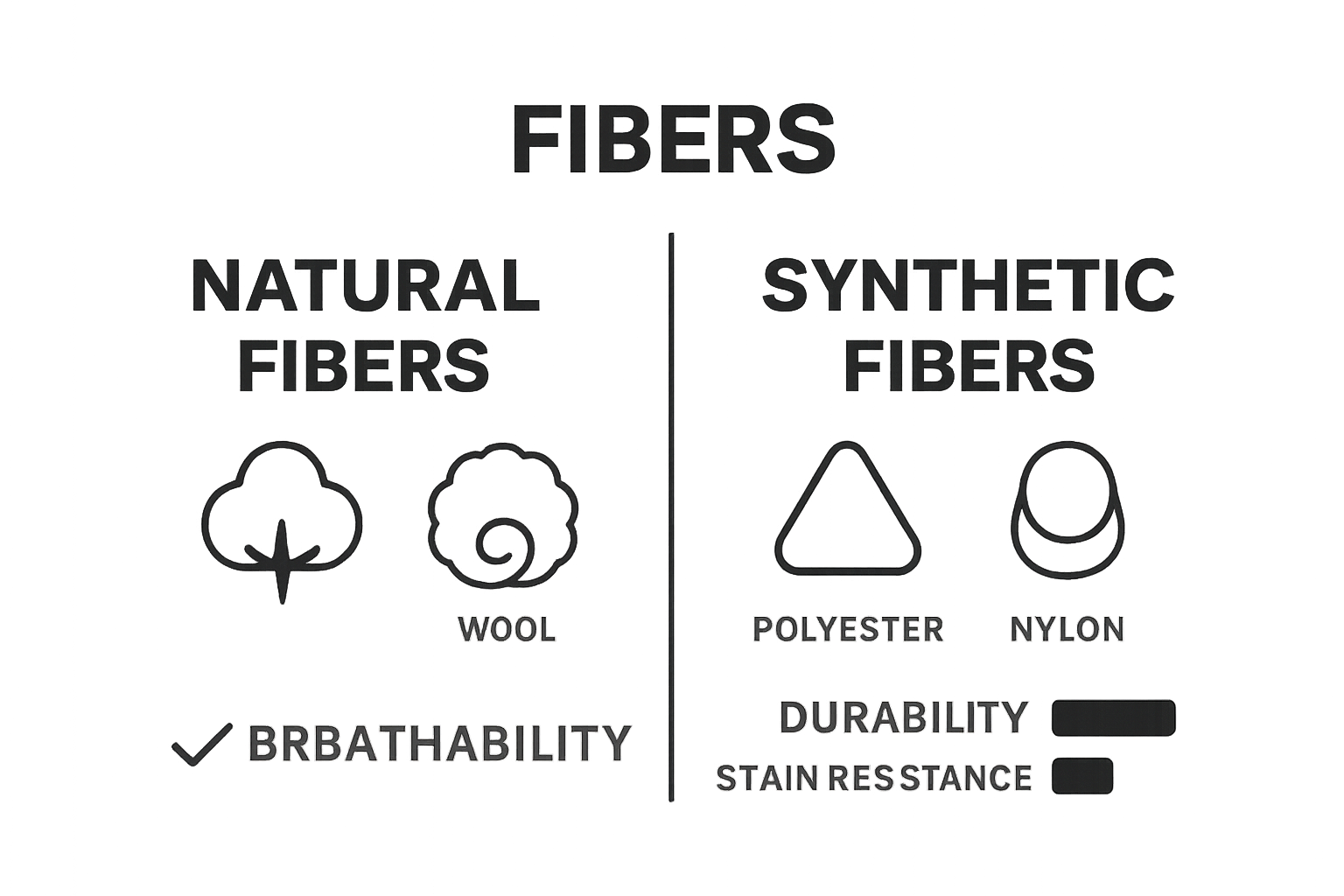
Upholstery fabrics emerge from diverse material compositions, each offering unique properties. Natural fibers like cotton and wool provide breathability and classic aesthetics, while synthetic materials such as polyester and nylon deliver enhanced durability and stain resistance.
The construction method plays a crucial role in determining fabric performance. Tighter weaves and more complex textile structures generally indicate superior strength and longevity. Manufacturers often blend multiple fiber types to optimize characteristics like comfort, resilience, and visual appeal.
To help you quickly compare the strengths of different upholstery fabric types mentioned in the article, the following table outlines key material features and their typical uses.
| Fabric Type | Main Features | Common Uses |
|---|---|---|
| Cotton (Natural) | Breathable, soft, classic appeal | Residential seating, slipcovers |
| Wool (Natural) | Warm, resilient, natural insulation | Cushions, decorative upholstery |
| Silk (Natural) | Luxurious appearance, smooth texture | Accent chairs, formal furniture |
| Polyester (Synthetic) | Durable, stain resistant, colorfast | High-traffic sofas, sectionals |
| Nylon (Synthetic) | High strength, abrasion resistant | Commercial seating, family areas |
| Blends (Natural + Synthetic) | Combine comfort, durability, and performance | Homes with children or pets |
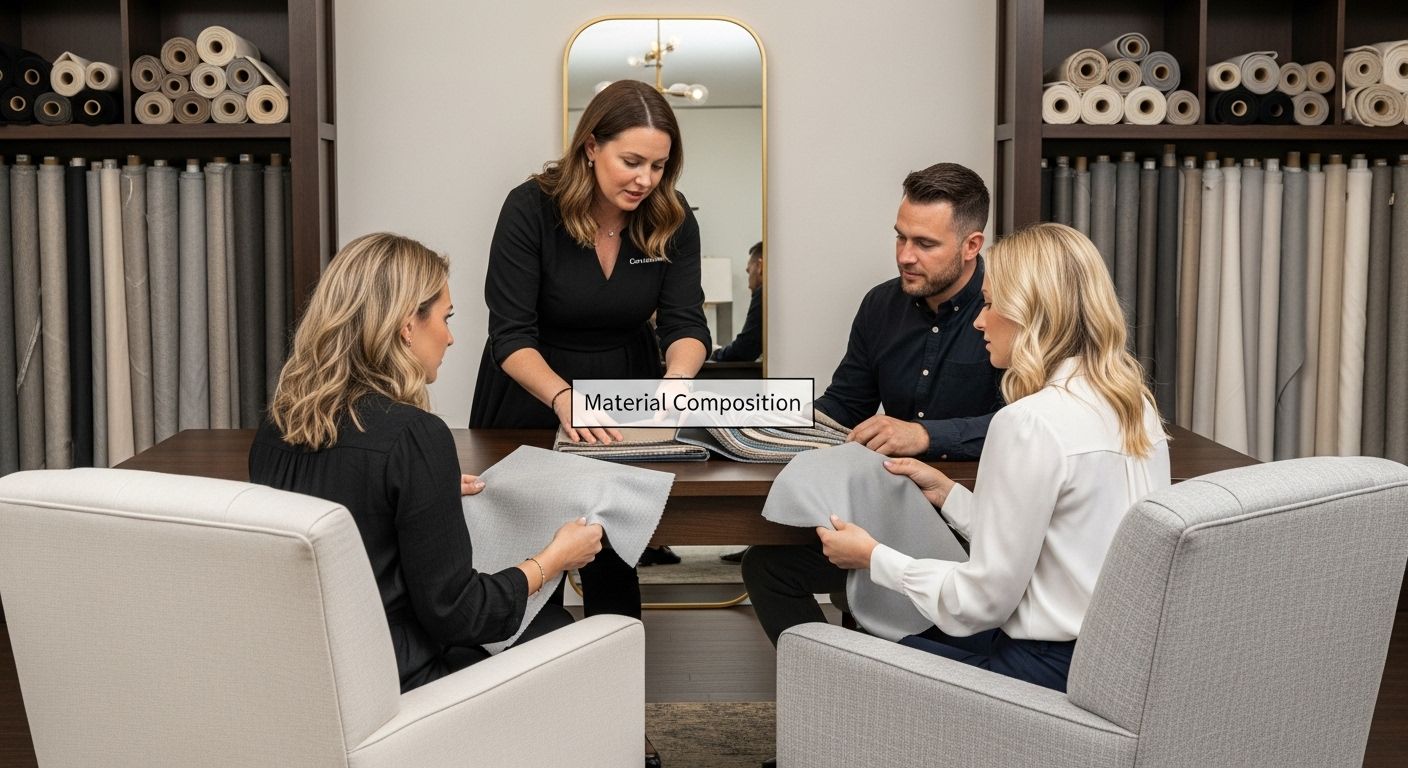
Synthetic blends have revolutionized upholstery fabric technology, enabling manufacturers to create textiles that combine the best attributes of different materials. These advanced fabrics can offer superior performance in challenging environments, from high-traffic commercial spaces to residential settings with children and pets.
By understanding the intricate details of upholstery fabric composition and construction, designers and consumers can make informed choices that balance aesthetic preferences with practical functionality.
Upholstery fabric transcends mere functional coverage, emerging as a pivotal element in interior design that dramatically transforms spaces through aesthetic expression and practical performance. These specialized textiles serve as visual storytellers, communicating design intentions while providing essential functional benefits across residential and commercial environments.
Fabric selection represents a powerful design language that communicates mood, style, and personality within interior spaces. Color, texture, and pattern work together to create visual narratives that reflect individual preferences and design philosophies.
Key aesthetic considerations include:
According to New Mexico State University, fabric selection goes beyond superficial appearance, fundamentally influencing how individuals perceive and interact with interior environments.
Beyond aesthetic considerations, upholstery fabric plays a critical role in determining the functional performance of interior spaces. Professional designers carefully evaluate fabric characteristics to ensure they meet specific environmental demands.
Performance metrics include considerations such as:
The strategic selection of upholstery fabric enables designers to create spaces that are not just visually compelling but also pragmatically resilient. Whether designing for high-traffic commercial settings or intimate residential spaces, fabric becomes a critical tool for achieving both aesthetic and functional objectives.
By understanding the intricate relationship between design intention and fabric performance, professionals can craft environments that seamlessly blend visual elegance with practical utility, transforming spaces into dynamic, expressive experiences.
Upholstery fabric represents a complex engineering process that transforms raw textile materials into sophisticated coverings capable of withstanding significant environmental challenges. The intricate relationship between material selection, manufacturing techniques, and design specifications determines the ultimate performance and aesthetic qualities of these specialized textiles.
The foundation of effective upholstery fabric lies in strategic material selection. Fiber types play a critical role in determining the fabric’s overall characteristics, with manufacturers carefully balancing natural and synthetic materials to achieve desired performance metrics.
Key material considerations include:
According to research from the National Library of Medicine, the precise engineering of fabric materials significantly influences its structural integrity and long-term performance.
Manufacturing processes transform raw materials into functional upholstery fabrics through sophisticated construction methods. Weaving and knitting techniques determine the fabric’s structural strength, flexibility, and overall tactile experience.
Critical construction techniques include:
These construction approaches enable manufacturers to create fabrics with targeted performance characteristics, allowing designers to select textiles that precisely match specific functional requirements.
By understanding the nuanced interactions between material composition and construction techniques, professionals can strategically select upholstery fabrics that deliver exceptional performance across diverse environmental contexts. The science of upholstery fabric goes far beyond simple surface covering, representing a sophisticated intersection of engineering, design, and material science.
Selecting the appropriate upholstery fabric requires a strategic approach that balances aesthetic preferences with practical performance requirements. The complexity of fabric selection extends far beyond visual appeal, demanding careful evaluation of multiple interconnected factors that influence long-term functionality and durability.
The foundational criterion for upholstery fabric selection centers on performance metrics that determine a textile’s ability to withstand environmental challenges. Professional designers and homeowners must critically analyze fabric characteristics to ensure optimal longevity and resilience.
Key performance considerations include:
According to New Mexico State University, fabric selection involves evaluating tightly woven materials and understanding how specific fiber compositions contribute to overall performance and durability.
Upholstery fabric selection must align closely with specific lifestyle demands and functional environments. Usage intensity and potential exposure to wear dramatically influence fabric suitability, requiring nuanced consideration of household dynamics.
Critical lifestyle factors to evaluate include:
Professional designers recognize that fabric selection transcends aesthetic preferences, representing a complex decision-making process that integrates material science, environmental understanding, and personal lifestyle requirements.
By systematically analyzing performance characteristics, functional context, and individual preferences, individuals can make informed decisions that balance visual appeal with practical functionality, ensuring their upholstery fabric delivers exceptional long-term performance.
Struggling to find an upholstery fabric that truly stands up to real-world wear while also matching your style goals? This article explained how fabric durability, resistance, and structure shape every design decision. At fabric-fabric.com, you can shop with confidence knowing you will discover thousands of upholstery and decor fabrics designed to meet those exact challenges. No matter if you prioritize stain resistance, comfort, or long-lasting style, we have the right options for your needs.
Why wait and risk disappointment or premature wear? Visit our homepage today to explore curated upholstery textiles and enjoy seamless shopping whether you are furnishing a busy family home, a commercial space, or a new design project. Get started now so you can invest in fabric that delivers beauty and performance, inside and out.
Upholstery fabric is a specialized textile designed specifically for covering furniture and seating, offering durability and aesthetic appeal distinct from standard clothing fabrics.
Upholstery fabrics are characterized by their durability, resistance to stains and moisture, and structural strength, enabling them to withstand wear and maintain their appearance over time.
The performance of upholstery fabric is influenced by its material composition, combining natural fibers like cotton and wool for breathability with synthetic fibers like polyester for enhanced durability and stain resistance.
When selecting upholstery fabric, consider performance metrics such as abrasion resistance, stain repellency, and structural integrity, as well as the specific lifestyle needs and environmental conditions of the intended space.