

 Canadian Dollars

7 Essential 2025 Fabric Trends for Crafters and Designers
Posted by BLG on 2025 Dec 3rd
Posted by BLG on 2025 Dec 3rd

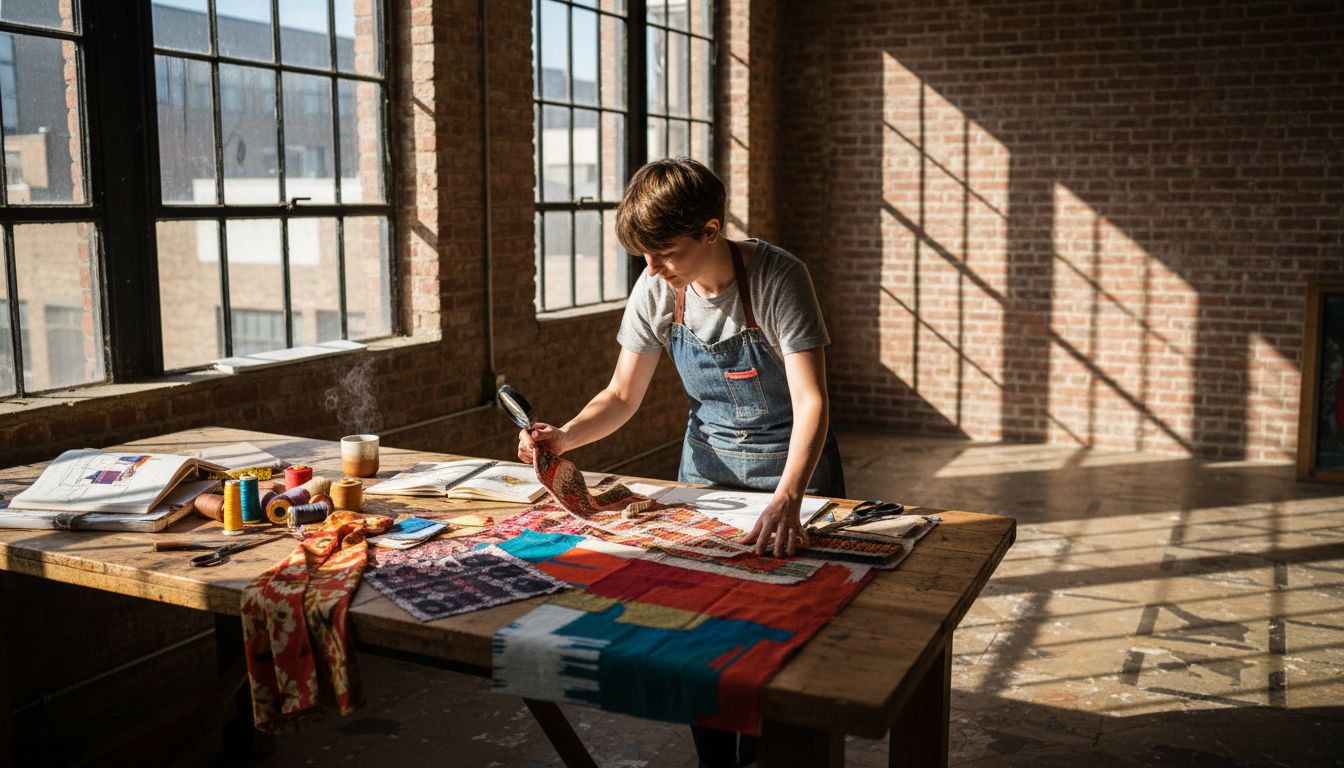
More than 60 percent of American shoppers now look for eco-friendly options when buying fabric. This growing trend shows that sustainability is no longer just a buzzword but a real priority for people who care about the planet. As demand rises, brands and designers are responding with innovative materials and stylish choices that make it easier than ever to join the movement for a cleaner future.
| Takeaway | Explanation |
|---|---|
| 1. Emphasize Sustainable Fabrics | Use Organic Cotton, Hemp, and Tencel to align with eco-friendly trends by 2025. |
| 2. Incorporate Bold Prints | Utilize vibrant, statement prints to express personality and transform traditional designs. |
| 3. Experiment with Textures | Explore innovative textures like raised embroidery to add depth and complexity to your projects. |
| 4. Leverage Versatile Blends | Combine natural and synthetic fibers for better durability and functionality in diverse applications. |
| 5. Understand Color Trends | Use earthy neutrals and soft pastels to create calming designs that resonate with current emotional trends. |
As consumers and designers increasingly prioritize environmental responsibility, sustainable fabrics have transformed from a niche market to a critical industry standard. The textile world is experiencing a remarkable shift, with brands recognizing the urgent need to adopt eco-friendly materials that minimize environmental impact.
The sustainable fabrics market is poised for substantial growth, projected to expand by USD 28.9 billion between 2025 and 2029. This remarkable surge is driven by increasing consumer awareness and demand for materials that protect our planet. Designers and crafters now have unprecedented opportunities to make environmentally conscious choices without compromising quality or aesthetic appeal.
Key Sustainable Fabric Options for 2025:
The Textile Exchange’s 2025 Sustainable Cotton Challenge is encouraging brands worldwide to commit to sourcing 100% of their cotton through more sustainable programs. This initiative underscores the industry wide recognition that sustainable fabric choices are no longer optional but essential.
For crafters and designers, embracing these eco-friendly fabrics means more than just making an environmental statement. It represents a commitment to responsible production, reduced carbon footprints, and supporting agricultural practices that protect our planet’s delicate ecosystems. Whether you are creating fashion pieces, home decor, or craft projects, sustainable fabrics offer versatility, quality, and the satisfaction of knowing you are making a positive difference.
In 2025, fabric design is all about fearless self expression through vibrant, eye catching prints that tell a story. Crafters and designers are moving beyond subtle textures into bold statement pieces that capture attention and reflect individual personality.
The fashion and design landscape is experiencing a dramatic shift towards expressive, dramatic textile patterns that transform traditional design approaches. Prints are no longer just decorative elements they are powerful communication tools that convey mood, cultural influences, and personal style.
Key Print and Pattern Trends for 2025:
For crafters and designers, these print trends offer exciting opportunities to experiment. Whether you are creating clothing, quilts, home accessories, or art pieces, bold prints allow you to make powerful visual statements. The key is balancing complexity with wearability or functional design.
Practical tips for incorporating bold prints include using them as statement pieces balanced with solid neutral backgrounds. A leopard print throw pillow against a cream sofa or a geometric print scarf paired with a simple black outfit can transform an entire look. Remember that confidence is the ultimate accessory when working with dramatic prints.
Textured fabrics are transforming creative design by introducing tactile complexity and visual intrigue to projects. In 2025, designers and crafters are moving beyond flat surfaces to explore materials that engage multiple sensory experiences.
Understanding textured fabrics goes beyond simple visual appeal. These materials create dimensional interest through innovative techniques that manipulate fabric structure, fiber composition, and surface treatments.
Emerging Texture Techniques for 2025:
Practical application means understanding how texture transforms a project. A throw pillow with raised embroidery feels more luxurious than a flat printed version. A quilted jacket provides both visual depth and increased warmth. Texture allows crafters to elevate simple designs into extraordinary pieces.
The key to working with textured fabrics is balance. Mix highly textured pieces with smoother surfaces to create visual interest without overwhelming your design. Experiment with different materials and techniques to discover unique combinations that reflect your creative vision.
Fabric blends are revolutionizing creative design by offering unprecedented versatility across multiple applications. In 2025, crafters and designers are embracing materials that combine performance with sustainability.
Understanding fabric blends means recognizing how strategic fiber combinations can enhance material properties and expand design possibilities. Modern textile innovations are creating smarter fabrics that adapt to multiple uses.
Innovative Fabric Blends for 2025:
Strategic Blend Benefits:
Organic hemp and linen are particularly valued for their non toxic properties and versatility. These materials can transition seamlessly from fashion to home furnishings, providing designers with incredible creative freedom.
The key to working with versatile blends is understanding each fiber’s unique characteristics. Experiment with different combinations to discover materials that meet your specific project requirements while maintaining sustainable design principles.
Color is more than just visual aesthetics it is a powerful communication tool that sets mood and tells a story. In 2025, fabric design is embracing a palette that reflects emotional depth and environmental consciousness.
The design world is experiencing a transformative color revolution where subtle sophistication replaces bold statements. Designers are gravitating towards colors that create calm and connection.
2025 Color Trend Highlights:
Practical Color Application Tips:
The key to mastering 2025 color trends is understanding emotional resonance. These colors are not just visual choices they represent a deeper connection to nature, wellness, and personal tranquility. Experiment with these palettes to create spaces and garments that feel both contemporary and timeless.
The future of fabric design is here smart textiles that adapt and interact with their environment. In 2025, technological innovations are transforming textile materials from passive surfaces into intelligent responsive systems.
Textile sourcing is evolving dramatically with materials that integrate cutting edge technologies directly into their structure. These innovative fabrics are not just about appearance but about creating functional experiences.
Smart Fabric Technologies in 2025:
The Intertextile Shanghai Apparel Fabrics exhibition highlights a crucial trend functional sustainability where technological innovation meets environmental consciousness.
Practical implementation means understanding these materials are not just futuristic concepts but emerging tools for designers. Athletes could use motion monitoring fabrics, medical professionals might leverage temperature regulating textiles, and fashion designers can create responsive clothing that adapts to user needs.
Classic fabrics are experiencing a remarkable renaissance where tradition meets contemporary design. In 2025, designers are reimagining heritage textiles through an innovative lens that honors craftsmanship while embracing modern aesthetics.
Understanding the role of traditional fabrics reveals a powerful narrative about cultural preservation and design evolution. These textiles are not merely decorative elements but storytelling mediums that connect past and present.
Heritage Fabric Revival Strategies:
There is a growing appreciation for local craftsmanship that reflects a desire for authenticity and cultural heritage preservation. This trend goes beyond aesthetics it is about connecting with historical narratives and supporting traditional artisan communities.
Practical implementation means viewing heritage fabrics as living artifacts. Mix a vintage brocade throw pillow with modern minimalist furniture. Layer traditional embroidered textiles with contemporary designs. The magic happens when historical craftsmanship meets current design sensibilities.
This table summarizes the key trends and innovations in fabric design for 2025 as discussed in the article.
| Category | Key Points & Innovations | Benefits/Outcomes |
|---|---|---|
| Sustainable Fabrics | Organic cotton, hemp, Tencel, recycled polyester | Environmental responsibility, reduced impact, quality materials |
| Bold Prints and Patterns | Animal inspiration, oversized geometric designs, digital art prints, retro revival | Expressive designs, personal style, storytelling elements |
| Textured Fabrics | Needle felting, biodegradable materials, embroidery, woven patterns | Tactile complexity, visual intrigue, enhanced project depth |
| Versatile Blends | Sustainable velvet, hemp linen, performance wool, biodegradable textiles | Flexibility, enhanced performance, eco-friendly |
| Color Trends | Earthy neutrals, soft pastels, warm neutrals, mineral tones, natural gradients | Emotional depth, connection to nature, soothing palettes |
| Tech-Infused Textiles | Temperature regulation, antimicrobial, stretchable circuits, self-cleaning, bio-responsive fibers | Functional innovation, environmental consciousness |
| Heritage Revival | Brocade reinvention, artisan techniques, vintage upcycling, cultural patterns | Cultural preservation, modern aesthetics, authentic design |
Discover how to overcome the challenges of sourcing innovative, sustainable, and vibrant textiles discussed in the article “7 Essential 2025 Fabric Trends for Crafters and Designers.” If you want to bring eco-friendly fabrics like organic cotton and hemp or explore bold prints and textured surfaces that add depth and personality to your projects, you need a reliable partner who offers quality, variety, and expert guidance.
At Fabric-Fabric, we understand your goals of integrating versatile blends, embracing heritage revival, and experimenting with tech-infused textiles. Our extensive selection of fabrics—including seersucker, velvet, lace, and more—caters to your unique creative vision while supporting sustainable and modern design trends.

Ready to transform your next apparel, quilting, or home décor project with the latest fabric innovations? Explore our detailed product listings and take advantage of ongoing discounts and free shipping offers. Start shopping now at Fabric-Fabric’s main site and turn 2025’s fabric trends into your reality. Learn more about the impact of sustainable fabrics and how textured fabrics can elevate your work today.
Sustainable fabric options include Organic Cotton, Hemp Fabric, Tencel (Lyocell), and Recycled Polyester. Consider incorporating these materials into your projects to reduce environmental impact while maintaining quality.
To use bold prints effectively, balance them with solid or neutral backgrounds. For instance, pair a vibrant leopard print pillow with a cream-colored sofa to create visual interest without overwhelming the space.
Incorporate different textures by mixing highly textured fabrics with smoother materials. For example, using a quilted fabric with a sleek satin can create depth and sophistication in your design.
Use versatile fabric blends to enhance durability and comfort in your creations. Experiment with combinations like Sustainable Velvet or Hemp Linen to meet specific project requirements and expand your design possibilities.
Focus on earthy neutrals, soft pastels, and mineral-inspired tones for your color palette. Combining these colors with textures can create calming and connected designs that resonate with emotional depth.
Explore tech-infused textiles that regulate temperature or are self-cleaning for innovative applications. Implementing these fabrics can elevate functionality in your projects, creating smarter, more adaptive designs.